
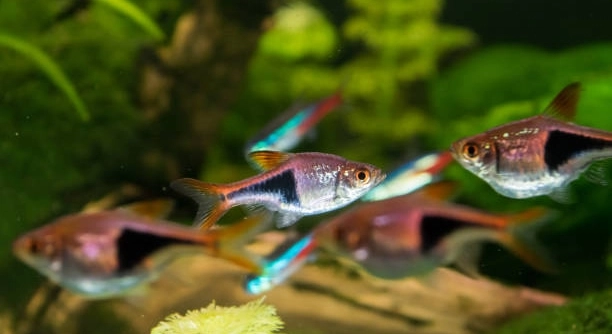
Many people keep rasboras as peaceful, colorful additions to their aquariums. These small fish often react in interesting ways when they are suddenly surprised or startled. Understanding their behavior helps create a calm environment for them.
When surprised, rasboras typically dart quickly away from the source of disturbance. This sudden movement is a natural escape response to avoid potential threats. They may also freeze briefly before swimming to a safer area in the tank.
Learning how rasboras respond to surprise can improve how we care for them. Recognizing their signals ensures a healthier, less stressful home for these delicate fish.
How Rasboras React to Sudden Movements
When a rasbora is suddenly surprised, it often responds by quickly swimming away in short bursts. This rapid movement helps the fish escape potential danger. Sometimes, they freeze for a moment to assess the situation before deciding where to go next. Their quick reflexes are important in the wild for avoiding predators, and these instincts remain strong in aquarium settings. Sharp movements near the tank or loud noises can easily startle them. Over time, frequent surprises can cause stress, affecting their health and behavior. Providing plenty of hiding spots like plants and decorations helps them feel secure. This makes their reactions less dramatic and reduces stress levels.
Rasboras rely heavily on their environment to feel safe. The more secure they feel, the less they will panic when startled.
Recognizing these behaviors allows aquarium owners to create a calm space. Minimizing sudden disturbances helps keep rasboras healthy and relaxed. Paying attention to their movements can also indicate if something in their habitat needs adjustment.
The Importance of Tank Environment
A well-structured tank can reduce the stress responses of rasboras.
The layout and decoration of the tank play a key role in how comfortable these fish feel. Plants, rocks, and other hiding places give them safe spots to retreat when startled. Open, bare tanks often leave them exposed and more likely to react with panic. Proper lighting and consistent water conditions also contribute to their sense of safety. When these factors are balanced, rasboras show calmer behavior and explore more confidently. In contrast, tanks with sudden changes or overcrowding increase stress and make surprises more intense. A peaceful environment supports their natural habits and overall health. Regularly observing the tank’s setup and making improvements can prevent stress-related problems before they arise. Keeping the tank stable and comfortable is essential for their well-being.
Signs of Stress in Rasboras
Rasboras show stress through changes in behavior and appearance. They may hide more often, lose color, or stop eating. Stress can also cause erratic swimming or lethargy. Watching for these signs helps catch problems early before health declines.
Stress in rasboras often results from poor water quality, overcrowding, or frequent disturbances. When water parameters like pH or temperature are off, these fish become uneasy. Overcrowding limits their swimming space, raising stress levels. Sudden noises or vibrations around the tank also trigger their flight response repeatedly. These factors combined can weaken their immune system, making them prone to disease. Keeping the tank clean and stable is crucial to prevent stress. Monitoring behavior regularly helps detect any issues before they worsen.
Reducing stress means maintaining good water conditions and avoiding sudden changes near the tank. A calm, stable environment encourages healthy behavior and vibrant colors in rasboras.
How to Calm a Surprised Rasbora
Keeping the tank quiet after a sudden disturbance helps rasboras calm down faster. Gentle movements around the tank also reduce further scares.
Offering plenty of hiding places is essential for helping rasboras feel secure. Live plants, small caves, or dense decorations give them spots to retreat when frightened. These shelters lower anxiety and allow the fish to relax quickly. Feeding them on a regular schedule also builds trust and routine, which reduces stress. If a fish remains startled for a long time, slowly dimming the lights can soothe them. Avoid tapping the glass or making loud noises. Patience is key; once the environment is calm, rasboras will return to their normal behavior. A peaceful tank atmosphere supports their well-being and encourages natural, healthy activity.
Common Triggers That Startle Rasboras
Rasboras are often startled by sudden movements near the tank. Loud noises or quick changes in light can also cause them to react abruptly. These triggers make them feel unsafe and cause quick escape behaviors.
Frequent tapping on the glass or shaking the tank disturbs their environment. Even reflections or shadows moving outside the tank can stress them out. Reducing these triggers helps keep them calm and comfortable.
Importance of Consistent Feeding Times
Feeding rasboras at the same times each day helps establish a routine. This routine reduces anxiety and makes them feel more secure. Predictable feeding schedules encourage healthy behavior and make fish less likely to panic.
When to Seek Help for Your Rasboras
If your rasboras frequently show stress or strange behavior, it may be time to consult an expert. Persistent changes can indicate health issues needing attention. Early care can prevent serious problems from developing.
FAQ
Why do rasboras suddenly dart around the tank?
Rasboras dart quickly when they feel threatened or surprised. This quick movement is a natural defense to escape potential danger. In an aquarium, sudden noises, fast movements near the tank, or bright flashes of light often trigger this behavior. It is their way of protecting themselves from possible predators.
How can I reduce my rasboras’ stress?
Keeping a stable environment is key. Avoid sudden loud noises or quick hand movements around the tank. Provide plenty of hiding spots like plants and decorations. Maintain good water quality with regular cleaning and monitoring. Feeding at consistent times also helps create a predictable routine, which lowers stress.
Can rasboras get used to sudden movements?
Over time, rasboras may become less reactive to repeated non-threatening movements if the environment remains safe. However, frequent surprises still increase stress and should be minimized. A calm tank promotes healthier, less nervous fish.
What signs show that my rasboras are stressed?
Signs include hiding more than usual, losing color, refusing food, and swimming erratically or staying still for long periods. Stressed rasboras may also become more aggressive or show signs of illness, like clamped fins or rapid breathing.
Is it normal for rasboras to freeze after being startled?
Yes, freezing is a common response. After darting away, they might pause to assess if the danger has passed. This moment of stillness helps them decide whether it’s safe to return to normal activity.
What are the best hiding spots for rasboras?
Dense plants, small caves, and decorations that create shaded areas work well. Live plants are especially beneficial because they offer natural shelter and improve water quality. Avoid overcrowding the tank, but ensure there are enough places for the fish to feel safe.
Can sudden changes in water temperature scare rasboras?
Yes, rasboras are sensitive to water temperature changes. Sudden shifts can cause stress and lead to startled behavior. Keeping the temperature stable within their preferred range is important for their comfort and health.
How often should I clean the tank to keep rasboras calm?
Regular partial water changes every one to two weeks help maintain good water quality without causing too much disturbance. Cleaning the tank too often or doing large water changes suddenly can stress the fish.
Do rasboras need companions to feel secure?
Rasboras are schooling fish and generally feel safer in groups of six or more. Being with their own kind reduces anxiety and encourages natural behavior. A well-sized group can help them stay calmer when surprised.
What should I do if a rasbora is injured from panicking?
If a fish injures itself by hitting tank decorations or the glass, check the injury closely. Isolate the injured fish if necessary to prevent infection and provide clean, calm water. Avoid stressing the fish further by limiting tank activity until it recovers.
Are there specific tank setups that reduce startle responses?
Yes, tanks with stable lighting, plenty of plants, and minimal external disturbances reduce startle responses. Avoid placing the tank in busy or noisy areas. Soft lighting and natural decorations create a peaceful environment.
Can feeding different types of food reduce stress in rasboras?
A varied diet helps keep rasboras healthy, but it does not directly reduce stress from being startled. However, well-fed fish have stronger immune systems and better overall health, which helps them cope with occasional stress.
Is it normal for rasboras to jump when startled?
Some rasboras might jump or try to leap out of the water when frightened. This is dangerous and usually caused by extreme stress. Ensure the tank has a secure lid and try to minimize sudden disturbances to prevent jumping.
How long does it take for rasboras to calm down after being surprised?
It can take anywhere from a few seconds to several minutes for rasboras to calm down after a scare. The time depends on how strong the disturbance was and the tank environment. Quiet and stable surroundings speed up recovery.
Can lighting changes affect rasbora behavior?
Yes, sudden bright lights or flickering can startle rasboras. Gradual lighting changes, such as dimming or using a timer, help them adjust without stress. Consistent lighting schedules support natural rhythms.
Are there any health risks linked to frequent startling?
Chronic stress from frequent startling weakens the immune system, making rasboras more vulnerable to infections and disease. Long-term stress can also reduce lifespan and affect breeding success.
What is the best way to introduce new tank mates to avoid startling rasboras?
Introduce new fish slowly and carefully to minimize stress. Quarantine new additions and rearrange decorations slightly to disrupt territories equally. Watch for signs of aggression or fear and separate if needed.
Can water vibrations from pumps or filters startle rasboras?
Strong vibrations or noisy equipment can disturb rasboras. Use quiet filters and check that pumps do not create excessive water movement. Adjust equipment placement to reduce stress.
Do rasboras show signs of recovery after being stressed?
Yes, healthy rasboras regain their normal color, appetite, and swimming behavior after stress. They explore the tank again and interact more with tank mates. Patience and a stable environment promote recovery.
How important is tank size for reducing rasbora stress?
Adequate tank size is crucial. Small, cramped tanks increase stress and limit movement. A larger tank offers more swimming space and hiding spots, making rasboras feel safer and less likely to panic.
Rasboras are small, peaceful fish that rely heavily on their environment to feel safe. When surprised, their natural reaction is to swim quickly away or freeze for a moment to assess the situation. This behavior is a survival instinct from their wild origins, where quick reactions could mean the difference between life and death. In a home aquarium, these sudden movements are usually triggered by noises, sharp movements near the tank, or changes in lighting. Understanding how rasboras respond to surprise can help aquarium owners create a more comfortable and stress-free habitat for them. A calm environment reduces unnecessary stress and supports the fish’s overall health.
Providing a well-structured tank with plenty of plants, hiding spots, and stable water conditions is essential to keep rasboras feeling secure. These fish feel vulnerable without enough shelter, which makes them more likely to react strongly when startled. Regular maintenance, like cleaning the tank and monitoring water parameters, also plays a key role in reducing stress. Feeding them on a consistent schedule helps build a routine that rasboras can rely on, further lowering anxiety. Being attentive to these needs helps ensure that rasboras remain healthy and active, showing their natural bright colors and lively behavior.
In the end, patience and observation are important when caring for rasboras. Watching how they behave when surprised gives clues about their well-being and tank conditions. Reducing sudden disturbances and providing a peaceful environment will help these fish settle quickly after being startled. Although it is normal for them to show quick escape responses, frequent stress can affect their health over time. By creating a stable, calm habitat with appropriate tank mates, owners can enjoy the full beauty and peaceful nature of rasboras without causing them unnecessary stress.

Hello,
If you enjoy the content that we create, please consider saying a "Thank You!" by leaving a tip.
Every little bit helps us continue crafting quality advice that supports the health, happiness, and well-being of pets around the world, for pets of all shapes, sizes, and species.
We really appreciate the kindness and support that you show us!