
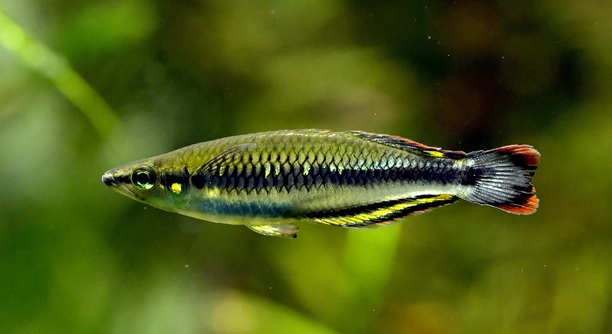
Do you ever find yourself trying to understand why your fish act differently from day to day, noticing small shifts in their movements and moods as you care for them in your aquarium at home.
Implementing seven small changes in aquarium management can improve fish behavior by enhancing environmental stability, reducing stressors, and promoting natural activity. These adjustments support healthier interactions, encourage steady movement patterns, and create a balanced habitat that aligns with species requirements.
These gentle improvements reveal how thoughtful care shapes a calmer aquarium environment, guiding fish toward smoother routines and comfortable habits.
Adjusting Water Quality for Steadier Behavior
Small shifts in water quality often shape how fish behave, and I have noticed how even gentle corrections can settle an unsettled tank. When the water stays clean, clear, and within the right ranges, fish move with more confidence and react less to sudden changes. I focus on keeping ammonia and nitrite at zero, along with stable pH and temperature, because these details influence how calmly the fish explore their space. Regular partial water changes help remove buildup that can cause discomfort, and careful filter maintenance keeps the system steady without disrupting helpful bacteria. I also avoid making big adjustments in a single day since fish respond better when improvements happen gradually. When these conditions remain balanced, the fish look brighter, eat better, and interact in smoother patterns. Over time, I learned that consistent care brings out their natural behavior, making the entire aquarium feel more comfortable and predictable daily.
Maintaining steady water quality supports calmer behavior and reduces hidden stress in the tank. When conditions stay consistent, fish show smoother movement, stronger feeding habits, and improved color. These small adjustments help create an environment where fish feel secure, allowing their natural patterns to appear with greater ease each day.
Understanding how water quality shapes behavior makes care feel more purposeful, especially when small refinements bring visible results. Watching the fish glide with steady rhythms adds a sense of calm to the tank, and I adjust my routine based on how they respond. Simple habits, like testing the water regularly and changing it before issues grow, make everything smoother. I also keep an eye on temperature swings, since swift shifts can interrupt their comfort. When these elements remain steady, the fish settle into peaceful patterns that are easy to recognize. Their relaxed movements remind me how meaningful consistent care can.
Enhancing Habitat Structure
Adjusting the layout of the tank helps fish feel safer and more active by giving them spaces to explore and retreat. Adding plants, smooth decorations, and open areas creates a balanced setting that supports calm behavior and encourages natural movement throughout the aquarium each section feels more inviting for them.
Thoughtful habitat structure influences how fish behave, especially when the space offers both comfort and freedom. I have learned that fish respond well to environments that mimic the gentle flow and shelter found in nature. Plants, whether real or artificial, create pockets of security where shy fish can rest without feeling exposed. Smooth rocks, caves, and driftwood form natural pathways that guide movement in calm patterns. These elements reduce tension between territorial species by giving each fish a clear place to retreat. Open swimming zones are equally important, allowing active fish to move freely without interruption. When the tank includes a balanced mix of shelter and space, the fish interact with one another in a more peaceful manner. I make small adjustments based on what I see, such as shifting a decoration or adding a plant when a fish seems stressed. These changes encourage steady routines and reduce the sudden bursts of movement that often signal discomfort. Over time, the aquarium takes on a softer rhythm, shaped by the fish exploring spots that suit their needs. By staying attentive to their behavior, I maintain an environment that supports comfort and natural expression for their daily sense of ease and stability.
Improving Feeding Routines
Feeding habits shape how fish act throughout the day, so I keep their meals steady and simple. Small portions prevent overeating, and regular timing helps fish feel secure. When food is consistent and balanced, their behavior becomes calmer, and they move with more predictable rhythms.
I watch how quickly the fish finish their meals, since this helps me adjust portion sizes without causing stress. When the food is eaten within a few minutes, wasting less becomes easier, and the water stays cleaner. I avoid feeding too many treats, keeping the focus on nutrient rich options that support steady energy. Spreading small meals over the day helps reduce competition, especially in busy tanks where faster fish might push others aside. With this routine, the fish interact more peacefully and show clearer patterns of comfort. Over time, this steady approach leads to smoother movement and healthier habits.
Balanced nutrition plays a big part in shaping sense of ease in the aquarium. I choose foods that match each species needs, since this helps support their colors and overall health. A mix of pellets, flakes, and occasional frozen foods keeps their routine varied without overwhelming them. I also avoid sudden changes in diet, since fish react better when adjustments happen gradually. Watching their response to different foods helps me understand what works best, and I make small shifts only when needed. These simple steps encourage stable behavior and reduce the tension that often appears around feeding time.
Optimizing Light Exposure
Light interacts with fish behavior in clear ways, and steady schedules help them feel anchored throughout the day. I keep their lighting consistent, avoiding long periods of brightness that can overwhelm them. Predictable light and dark cycles support calmer movement and more natural rest patterns.
I use a timer to keep the lighting steady, since erratic changes can make fish restless. Bright light encourages activity, but too much can cause them to hide or move in quick, uneasy bursts. Softer lighting or shaded spots help shy species feel protected while still allowing them to explore. I also make sure the tank gets a quiet dark period each night, since this supports their natural sense of rhythm. Adjusting the brightness gradually prevents sudden shocks that can unsettle the tank. With balanced lighting, the fish settle into smoother routines and show clearer signs of comfort as they navigate their space.
Reducing Tank Stressors
I try to limit sudden movements and loud noises around the tank, since these moments can unsettle the fish. A calm environment helps them settle into steady routines, making their movements softer and reducing the quick bursts that often signal discomfort or fear.
I also avoid tapping on the glass or changing the layout too often. Gentle handling during maintenance keeps the fish from reacting in frantic ways. When the surroundings stay peaceful, their behaviors become more relaxed, and they interact with one another in smoother, more natural patterns each day.
Increasing Gentle Water Flow
A soft, steady current encourages natural swimming without overwhelming the fish. I adjust the filter output or add small flow tools to create gentle movement, helping them stay active in a way that feels comfortable and controlled throughout the tank.
Supporting Consistent Temperature
Stable warmth keeps fish confident in their space. I use a reliable heater and thermometer, checking for small shifts that could affect their comfort. When the temperature stays within a safe range, the fish move with calmer rhythms and show clearer signs of ease.
FAQ
How often should I change the water to improve fish behavior?
I usually change 10 to 20 percent of the water weekly, depending on tank size and fish load. Small, regular changes keep ammonia and nitrite levels low, stabilizing their environment. Sudden or large changes can shock the fish, so gradual adjustments work best.
What is the ideal temperature for most freshwater fish?
Most tropical freshwater fish thrive around 24–26°C (75–79°F). I check the temperature daily and adjust slowly if needed. Stable warmth prevents stress, which keeps fish active and calm. Sudden shifts can make them hide or act jittery.
Can lighting schedules really affect fish behavior?
Yes. I keep a consistent schedule of 10–12 hours of light followed by darkness. Predictable light cycles support natural rest and activity rhythms. Fish explore more calmly when they know when it’s safe to be active and when it’s time to rest.
Do fish need hiding spots in their tank?
Absolutely. I place plants, rocks, or small caves so fish can retreat. Shy or territorial species use these spaces to feel safe. When fish have hiding options, aggressive encounters decrease, and their daily routines become steadier and less stressful.
How do I know if my fish are stressed?
Signs include rapid gill movement, erratic swimming, hiding, or loss of appetite. I watch for these daily. Identifying stress early helps me adjust water quality, temperature, or tank layout before problems worsen. Calm, consistent behavior is the best indicator of comfort.
Does diet impact fish behavior?
Yes. I feed measured portions of species-appropriate food once or twice daily. Overfeeding leads to sluggishness and poor water quality, while underfeeding can cause aggression. Balanced nutrition keeps them active, colorful, and interacting normally without sudden bursts or hiding.
Is water flow important for behavior?
Gentle flow encourages natural swimming without tiring the fish. I adjust filters or add small flow devices to create soft currents. Too strong a current can stress them, while no movement can make them lethargic. Steady water movement keeps behavior consistent and healthy.
Can tank size affect fish behavior?
Yes. I make sure fish have enough space to swim freely. Overcrowding causes stress, aggression, and erratic movements. A spacious tank allows each fish to establish its own territory and display natural behavior, reducing conflict and promoting calm daily patterns.
How often should I clean decorations and substrate?
I clean decorations and vacuum the substrate during water changes. This prevents waste buildup that can irritate fish and affect water quality. I avoid harsh scrubbing, since gentle cleaning preserves beneficial bacteria that support a stable environment and balanced behavior.
What role does companionship play in behavior?
Some species need companions, while others prefer solitude. I pair compatible fish carefully to avoid aggression. Proper social setups encourage normal schooling or interactive behavior, while mismatched groups increase stress and erratic activity. Understanding species needs is key to a calm tank.
Are sudden changes in routine harmful?
Yes. I avoid abrupt changes in feeding, lighting, or tank layout. Fish respond better to gradual adjustments. Sudden shifts trigger stress, hiding, or frantic swimming. Maintaining a consistent routine supports natural behavior and allows fish to feel secure in their environment.
How can I monitor behavior effectively?
I spend a few minutes each day observing swimming patterns, feeding, and interactions. Noting changes helps me detect early signs of stress or illness. Regular observation ensures interventions are timely, keeping the fish calm, healthy, and exhibiting natural behaviors consistently.
Do decorations influence aggression?
Yes. Proper placement of plants, rocks, and caves can reduce territorial fights. I arrange decorations to create distinct spaces and visual barriers. This prevents frequent confrontations, helping fish move more smoothly, interact appropriately, and settle into predictable routines.
Can temperature fluctuations cause long-term behavior issues?
Frequent changes in temperature make fish restless and more prone to disease. I monitor heaters and room temperature closely. Stable warmth encourages normal feeding, swimming, and resting patterns, reducing stress and promoting healthy, consistent behavior over time.
How can I tell if the lighting is too strong?
Fish hiding constantly or darting away from bright spots indicates intense lighting. I adjust the brightness or provide shaded areas. Gentle, consistent light allows exploration without fear, supporting steady activity and healthier interactions within the tank.
Do fish recognize caregivers?
Yes, in subtle ways. Fish may swim toward familiar faces or follow movements outside the tank. I notice how they respond differently to me compared to strangers, which reflects comfort and reduces stress, encouraging calmer and more confident behavior.
What’s the easiest way to reduce stress in a crowded tank?
I add visual barriers, rearrange decorations, or separate aggressive fish. Creating distinct territories lowers tension, allows shy fish to rest, and encourages smoother, predictable routines. Even small changes can make a significant difference in daily behavior.
How does water chemistry affect mood?
Imbalanced pH, ammonia, or nitrite can make fish lethargic or aggressive. I test weekly and adjust gradually. Maintaining stable chemistry prevents erratic swimming, hiding, or rapid gill movement, fostering calmer interactions and healthier activity patterns across the tank.
Are live plants better for behavior than artificial ones?
Live plants improve water quality and offer natural hiding spots. I use them when possible, though artificial plants still provide cover. Both reduce stress, encourage exploration, and promote natural behavior, but live plants add an extra layer of environmental stability and comfort.
Can small daily changes make a big difference?
Yes. Consistent attention to feeding, cleaning, lighting, and water quality gradually shapes calmer, more natural behavior. I notice that small, thoughtful actions prevent major stress episodes, helping fish move, feed, and interact with confidence every day.
Final Thoughts
Caring for fish involves more than just keeping them alive. I have learned that small, consistent actions create a calmer and healthier environment, which directly affects how fish behave. Paying attention to water quality, temperature, and feeding routines shows results in the way they move, explore, and interact. When the tank conditions are stable, I notice that even shy or territorial fish become more confident and predictable. Daily observation becomes easier, and I can see subtle changes that indicate their health and comfort. Consistency in care builds a rhythm in the aquarium that both the fish and I can rely on, creating a sense of balance and calm in the space.
Adjusting the habitat layout and providing hiding spots is another part of improving behavior. I arrange plants, rocks, and decorations to create areas for exploration as well as rest. This allows fish to establish territories without conflict and reduces stress in the tank. I avoid sudden changes because fish respond better when their environment remains familiar, which makes their movements and interactions smoother. Light and water flow also play important roles. Predictable light cycles and gentle currents encourage natural activity without overwhelming them. Combining these elements makes the tank feel secure and comfortable. When I take the time to fine-tune these details, the behavior of the fish improves noticeably, with calmer swimming, steadier feeding habits, and less erratic activity overall.
Nutrition and observation complete the cycle of care. I feed measured portions of appropriate food at regular times, which prevents overeating and aggression while supporting healthy energy levels. I watch how fish respond to their environment, adjusting small things as needed. Gradual improvements, like minor changes in water flow or adding a new plant, have a bigger impact over time than dramatic alterations. By focusing on consistency, I can support natural behaviors and create a space where fish feel safe and comfortable. The combination of stable water conditions, thoughtful habitat design, regular feeding, and careful observation ensures that the fish are active, healthy, and less stressed. These simple steps help maintain a balanced tank where fish behavior is predictable and easier to understand, making the care process more rewarding for me and more comfortable for the fish.

Hello,
If you enjoy the content that we create, please consider saying a "Thank You!" by leaving a tip.
Every little bit helps us continue crafting quality advice that supports the health, happiness, and well-being of pets around the world, for pets of all shapes, sizes, and species.
We really appreciate the kindness and support that you show us!