
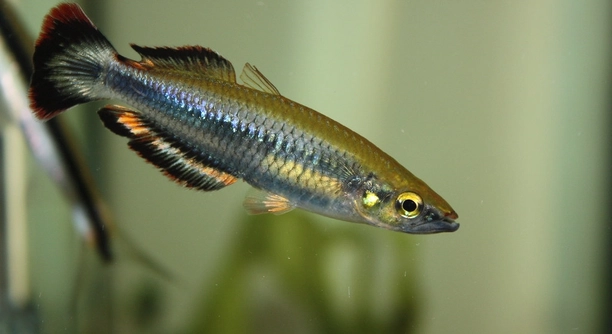
Are your rainbowfish swimming unevenly, leaning to one side, or struggling to stay balanced in the tank, making their normally graceful movement look awkward and concerning for any attentive aquarium keeper at home today inside.
The most common causes of uneven swimming in rainbowfish include swim bladder disorders, poor water quality, internal parasites, physical injury, stress, improper diet, and sudden environmental changes, all of which can disrupt buoyancy, coordination, and overall neurological function and stability.
By learning how each factor affects movement, you can better protect your rainbowfish and restore calm, natural swimming behavior safely.
Poor Water Quality and Stress
Poor water quality is one of the most frequent reasons rainbowfish begin swimming unevenly. I have seen even hardy fish struggle when ammonia, nitrite, or nitrate levels rise unnoticed. These toxins irritate gills, reduce oxygen intake, and weaken muscles over time. Stress quickly follows, especially when water changes are inconsistent or overcrowding occurs. Sudden temperature shifts can worsen the problem by shocking the fish’s nervous system. When rainbowfish feel stressed, their movements lose coordination, and balance becomes harder to maintain. Clean, stable water supports proper muscle control and steady swimming. Without it, their bodies work harder just to stay upright, leading to visible swimming issues that should never be ignored. Regular testing and gentle maintenance routines help prevent these problems and allow rainbowfish to display their natural, smooth movements again in a calm environment that supports long-term health and reduces daily physical strain for sensitive fish in captivity over time.
Stress often works alongside poor water conditions. Loud vibrations, aggressive tank mates, and frequent layout changes can overwhelm rainbowfish. I have noticed calmer tanks produce steadier swimming. Reducing stress sources allows fish to regain confidence, strength, and smoother movement patterns over time within a stable and predictable aquarium setting daily.
Internal parasites and minor injuries also affect balance and swimming control. Parasites drain nutrients and weaken muscles, making precise movement difficult. Physical injuries from sharp decor or chasing can damage fins or the spine. I always inspect my tank carefully after noticing uneven swimming. Small tears or swelling may seem minor, yet they interfere with stability. Early treatment, gentle isolation, and clean water improve recovery. Allowing time for healing reduces long-term damage and helps rainbowfish return to a controlled, level swimming posture without constant effort or visible strain during normal daily activity inside a well-maintained home aquarium for better outcomes.
Swim Bladder and Diet Issues
Swim bladder problems are a leading cause of uneven swimming in rainbowfish. This organ controls buoyancy and position in the water. When it malfunctions, fish may float, sink, or tilt sideways. I often see this linked to feeding habits and sudden dietary changes that disrupt normal digestion and internal pressure.
Improper diet plays a major role in swim bladder issues. Dry foods that expand after ingestion can create pressure inside the body, especially when fed in excess. I prefer soaking pellets briefly before feeding, which has reduced problems in my tanks. Overfeeding also leads to constipation, adding further stress to buoyancy control. A varied diet with quality flakes, frozen foods, and occasional plant matter supports better digestion. Feeding smaller portions helps maintain balance and energy. Additionally, sudden fasting or abrupt food changes can shock the digestive system. Consistency matters. Maintaining stable feeding routines, observing eating behavior, and removing uneaten food protect water quality and internal health. When diet and swim bladder function improve together, rainbowfish regain smoother, more controlled swimming and appear noticeably more comfortable in their environment. I have learned that patience is essential during recovery. Changes should be slow, measured, and consistent. Rapid adjustments often worsen symptoms. Supporting digestion over several weeks allows the swim bladder to stabilize naturally. Careful observation helps catch setbacks early and encourages steady improvement without unnecessary interventions while reducing stress and supporting long-term health for captive rainbowfish overall in home aquariums with attentive daily care from experienced keepers who value consistency and observation.
Physical Injury and Tank Hazards
Physical injuries can disrupt balance and swimming control in rainbowfish. Sharp decor, rough gravel, or aggressive chasing often cause fin damage or spinal strain. I have noticed uneven swimming appear shortly after rearranging tanks or adding new ornaments that limited safe swimming space for fish adjusting to unfamiliar surroundings suddenly.
Injuries may not always be obvious at first glance. Small tears in fins, mild swelling, or subtle bends in posture can slowly affect stability. I make it a habit to observe my fish during feeding, when movement is easiest to assess. Separating injured fish reduces further strain and prevents harassment. Clean water supports tissue repair and lowers infection risk. Removing hazardous decorations and smoothing rough edges can prevent repeat injuries. Healing takes time, and pushing recovery too quickly often leads to setbacks that prolong uneven swimming behavior. Patience and consistency improve long-term outcomes for delicate rainbowfish kept in captivity conditions.
Observation is key when physical injury is suspected. I check swimming patterns, breathing rate, and body alignment daily. Minor issues often resolve with calm conditions and proper care. However, worsening imbalance may signal deeper damage. In those cases, isolation and treatment become necessary. Avoid sudden tank changes during recovery. Stable lighting, gentle filtration, and minimal disturbance allow muscles and nerves to regain strength. Preventing injury is always easier than treating it, especially in active species like rainbowfish that rely on constant movement. Consistent care routines reduce risks over time and support safer long-term aquarium conditions for healthy swimming behavior overall.
Sudden Environmental Changes
Sudden environmental changes can quickly affect swimming balance in rainbowfish. Rapid temperature shifts, lighting changes, or large water replacements disrupt internal regulation. I have seen fish struggle within hours after rushed maintenance. Their bodies need time to adapt, and abrupt shifts place stress on muscles and nerves that control movement and buoyancy. Consistency helps prevent these avoidable disruptions in home aquariums where rainbowfish thrive best under stable conditions maintained carefully over long periods without stress.
Gradual adjustments are essential for maintaining stable swimming behavior. I always match water temperature during changes and avoid altering lighting schedules abruptly. Even decorations should be moved slowly to prevent disorientation. Rainbowfish rely on familiar visual cues to navigate their space. When those cues disappear suddenly, balance and coordination suffer. Allowing time between changes helps their nervous system adapt. Smaller, frequent water changes are safer than large ones. Monitoring behavior after maintenance reveals early signs of stress. Slower routines create predictability, which supports physical stability. Over time, this approach reduces uneven swimming and promotes confidence in daily movement. I have found patience leads to calmer fish and better long-term health overall in well maintained aquariums with consistent care practices applied thoughtfully every single day consistently.
Internal Parasites and Illness
Internal parasites and underlying illness weaken rainbowfish and affect muscle control. When nutrients are stolen internally, energy drops and swimming becomes uneven. I have noticed fish lingering near the bottom or drifting sideways while still eating normally, which often delays proper treatment and recovery without obvious external warning signs present.
Bacterial infections can also disrupt balance by causing inflammation near the spine or swim bladder. I tend to watch for clamped fins and slower reactions. Early medication, isolation, and clean water reduce complications. Waiting too long often allows symptoms to progress beyond simple uneven swimming and overall physical decline signs.
Improper Tank Mates
Improper tank mates create constant stress that interferes with normal swimming patterns. Fin nipping, chasing, and crowding force rainbowfish to move defensively instead of naturally. I have seen otherwise healthy fish tilt or dart erratically after prolonged harassment. Even species considered peaceful can cause issues when space is limited. Stress hormones remain elevated, weakening coordination and immune response. Separating aggressive fish or upgrading tank size often leads to visible improvement within days. Providing hiding areas and maintaining appropriate stocking levels restores confidence and allows smoother, controlled swimming to return gradually without ongoing physical strain for affected fish over time consistently.
Age and Genetic Factors
Age and genetics also influence swimming ability in rainbowfish. Older fish may lose muscle strength and coordination over time. Some individuals are born with subtle deformities that worsen with stress. I have learned to adjust care expectations and focus on comfort rather than correction when managing long term health needs.
FAQ
Why is my rainbowfish swimming sideways but still eating normally?
Sideways swimming while eating usually points to internal imbalance rather than appetite loss. I have noticed this often connects to swim bladder stress, mild internal infection, or early parasite presence. Eating normally can be misleading, since fish may still feed despite physical discomfort. Monitoring posture, buoyancy, and daily consistency helps determine whether the issue resolves or progresses. Clean water and stable feeding routines often prevent worsening symptoms.
Can poor water quality cause uneven swimming quickly?
Yes, water quality can affect swimming within hours. Elevated ammonia or nitrite irritates gills and reduces oxygen uptake, weakening muscle control. I have seen fish lose balance shortly after missed maintenance. Regular testing and smaller water changes maintain stability. Even brief exposure to toxins can disrupt coordination before other signs appear.
How long does it take for uneven swimming to improve after fixing the cause?
Recovery time varies based on severity. Mild cases often improve within days once stressors are removed. I usually allow one to two weeks for noticeable improvement when diet or water quality is involved. Injuries and infections take longer. Consistency matters more than speed, since rushing adjustments often delays recovery.
Should I isolate a rainbowfish that is swimming unevenly?
Isolation can help if harassment, injury, or illness is suspected. I isolate only when necessary, as separation itself causes stress. A calm, clean environment with gentle filtration supports healing. Observation becomes easier during isolation, allowing better assessment of feeding, posture, and swimming effort.
Can overfeeding really affect swimming balance?
Yes, overfeeding directly impacts balance. Excess food leads to constipation and internal pressure. I have corrected uneven swimming simply by reducing portions and spacing feedings. Soaking dry food helps digestion. A controlled diet supports swim bladder function and improves overall movement.
Do temperature changes affect swimming coordination?
Temperature shifts affect nerve signals and muscle response. I always match temperatures during water changes because sudden drops or increases cause disorientation. Even small fluctuations can result in temporary imbalance. Stable heating prevents unnecessary stress and supports steady swimming.
Is uneven swimming always related to the swim bladder?
Not always. While common, swim bladder issues are not the only cause. Injuries, infections, stress, and poor water conditions also affect movement. I look at behavior patterns rather than assuming one cause. Observing whether fish float, sink, or tilt helps narrow possibilities.
Can rainbowfish recover fully from uneven swimming?
Many cases resolve completely with early care. I have seen full recovery when causes are addressed promptly. Chronic cases related to age or genetics may not fully resolve, but comfort and quality of life can still improve significantly with proper care.
How can I tell if uneven swimming is getting worse?
Worsening signs include increased tilting, difficulty staying upright, rapid breathing, and reduced activity. I track daily changes rather than relying on one observation. Gradual decline suggests ongoing stress or illness that needs intervention.
Does tank size influence swimming balance?
Yes, limited space restricts natural movement and increases stress. I noticed better swimming behavior after upgrading tank size. Rainbowfish are active swimmers that need room to stabilize their movements. Crowded tanks amplify stress related issues.
Can lighting changes affect swimming behavior?
Sudden lighting changes cause disorientation. I adjust lighting gradually and keep schedules consistent. Bright or flickering light increases stress responses that interfere with coordination. Stable lighting supports predictable movement patterns.
Should medications be used immediately?
I avoid immediate medication unless symptoms worsen or infection is clear. Unnecessary treatment stresses fish. I focus first on water quality, diet, and environment. Medication becomes useful when behavioral improvements do not occur after basic corrections.
Why does uneven swimming sometimes appear after tank cleaning?
Large or rushed cleanings disrupt water chemistry. I now clean sections at a time and avoid replacing too much water at once. Gentle routines prevent shock and reduce post maintenance swimming issues.
Can stress alone cause long term uneven swimming?
Yes, chronic stress weakens immune response and muscle coordination. I have seen improvement simply by removing aggressive tank mates. Reducing stress restores balance over time without additional intervention.
Is uneven swimming more common in older rainbowfish?
Age affects muscle strength and nerve control. Older fish may struggle more with balance. I adjust care by focusing on stable conditions rather than correction. Comfort becomes the priority as fish age naturally.
Final Thoughts
Uneven swimming in rainbowfish can be concerning, especially when their behavior changes suddenly. I have learned that this issue is rarely random. It is usually connected to clear factors such as water quality, stress, diet, injury, or internal health problems. Paying attention to small changes matters more than reacting to severe symptoms later. A slight tilt, slower movement, or drifting can be an early sign that something is off. Addressing these signs early often prevents long-term damage. Clean water, stable routines, and careful observation form the foundation of good care. When these basics are maintained, rainbowfish are more resilient and better able to recover from temporary disruptions. Uneven swimming should always be treated as useful feedback rather than an isolated problem. It points toward an imbalance that can usually be corrected with patience and consistency.
It is also important to remember that not every case has a quick solution. Some rainbowfish recover within days, while others need weeks of steady care. I have found that rushing fixes often causes more harm than good. Large water changes, sudden diet switches, or unnecessary treatments can increase stress and slow improvement. Small, controlled adjustments tend to work better. Observing daily behavior helps guide decisions without guessing. Eating habits, posture, breathing, and interaction with tank mates all provide valuable information. Isolation can help in certain situations, but it should be used thoughtfully. Comfort, safety, and stability should always come first. Even when full recovery is not possible, quality of life can still improve through supportive care and calm surroundings.
Caring for rainbowfish becomes easier when expectations are realistic. Age, genetics, and past conditions all play a role in how well a fish adapts. I have learned to focus on creating an environment that supports natural movement rather than forcing correction. Stable temperature, consistent lighting, proper tank size, and compatible tank mates make a noticeable difference over time. Uneven swimming does not always mean failure or poor care. It often reflects how sensitive fish are to their environment. With steady attention and simple routines, many issues improve or stabilize. The goal is not perfection but balance. When rainbowfish feel secure, their movement becomes smoother, their stress lowers, and their overall presence in the tank feels calm again.

Hello,
If you enjoy the content that we create, please consider saying a "Thank You!" by leaving a tip.
Every little bit helps us continue crafting quality advice that supports the health, happiness, and well-being of pets around the world, for pets of all shapes, sizes, and species.
We really appreciate the kindness and support that you show us!