
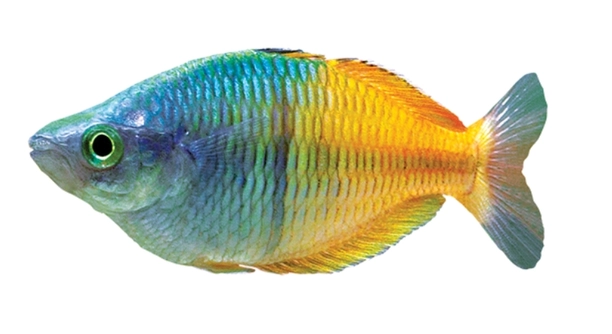
Rainbow fish are known for their beautiful colors, but do they also communicate with each other through body language? It’s a fascinating topic that many fish enthusiasts are curious about. Understanding animal behavior can help us better appreciate the world beneath the water’s surface.
Rainbow fish do use body language to communicate. They exhibit various movements, postures, and gestures that signal aggression, courtship, and social interactions. These signals play a vital role in their behavior, helping them navigate relationships with other fish.
Their gestures may seem subtle at first, but there’s more to it than meets the eye. Exploring their body language reveals important insights into their social structures and behaviors.
How Do Rainbow Fish Use Their Bodies to Communicate?
Rainbow fish primarily use their bodies to express different emotions and intentions. They are often seen flicking their tails, arching their bodies, or puffing up during social interactions. These movements help them establish dominance, attract mates, or signal discomfort. The changes in posture or the way they swim can indicate whether they are feeling threatened or relaxed. In their natural habitat, these gestures serve to communicate with other fish and ensure survival. These fish have developed a set of physical cues that are just as important as their colorful appearance.
Sometimes, the fish’s body language can be hard to interpret. However, with close observation, patterns begin to emerge. For instance, an erect fin or a sideways movement often signals a display of aggression. In contrast, a relaxed posture indicates peace or contentment.
Rainbow fish are social creatures, and their body language is essential in maintaining order within their schools. These signals can help them avoid conflict, find mates, or bond with others. This non-verbal communication is crucial for their well-being.
Why Do Rainbow Fish Display Body Language?
Body language plays an important role in the survival and social structure of rainbow fish. Through simple movements, they convey complex messages to each other. Whether it’s a quick flick of the tail or a slow swim, each gesture has meaning. These signals help establish hierarchy and create a peaceful environment. Without these visual cues, rainbow fish might struggle to coexist.
Understanding their body language offers a deeper insight into their behavior. For example, during mating, males perform specific displays, such as turning brighter colors or engaging in fast swimming. This signals interest and readiness to mate. These movements are more than just casual gestures; they have direct consequences on their interactions and relationships.
How Rainbow Fish Use Tail Movements to Communicate
Tail flicking is one of the most common ways rainbow fish use body language to communicate. This simple motion can express a range of feelings, from irritation to excitement. The intensity and frequency of tail flicks can tell other fish if they are feeling threatened or if they are just in a playful mood.
In social settings, rainbow fish will often flick their tails quickly as a sign of aggression or territorial behavior. It’s a way for them to warn other fish to stay out of their space. However, a slower, more relaxed tail flick can indicate curiosity or the desire to engage with other fish in a non-threatening way.
In their natural environment, tail movements help rainbow fish maintain their social order. These tail flicks are essential in creating a peaceful balance between the fish. When these movements are misinterpreted or not used properly, it can lead to unnecessary conflict, so understanding them is crucial for their overall well-being.
Body Posture as a Sign of Social Interaction
Rainbow fish also rely on their body posture to signal different social cues. When they feel comfortable, their bodies stay relaxed and upright. However, when feeling threatened or territorial, they arch their bodies or swim sideways to appear larger. This posture acts as a defense mechanism to ward off intruders.
A rainbow fish’s posture can also show its emotional state. For example, during mating season, males often display an erect posture to show their interest in females. This posture, combined with bright colors, helps attract mates. It’s not just about physical attraction; the fish are communicating their readiness to mate.
Body posture can also indicate hierarchy within a group. Larger fish often hold themselves in a dominant, upright posture, while smaller fish might display more submissive body angles. Understanding these signals is key to observing the fish’s social structure and how they interact with others in their school.
How Color Changes Affect Communication
Color changes are another important way rainbow fish communicate. When a fish is stressed or threatened, it may darken in color to blend into its surroundings. This helps them avoid predators and stay hidden. On the other hand, during mating, males become brighter and more vibrant to attract females.
The color shifts are not just for display; they play an essential role in survival. The intensity of color changes can indicate a fish’s mood or health. A pale or dull color might suggest that a fish is sick or stressed. Bright, bold colors often mean the fish is healthy and active.
Rainbow fish also change colors as part of their social behavior. For instance, during aggressive encounters, a male might intensify his color to intimidate others. This behavior is often seen when males are competing for territory or mates. The color change acts as a visual signal of dominance or submission, helping to prevent physical confrontations.
How Rainbow Fish Use Fins to Signal Intentions
Fins play a significant role in how rainbow fish communicate. They use their fins to express everything from aggression to calmness. When they feel threatened, rainbow fish might extend their fins outward to appear larger, signaling that they’re ready to defend themselves.
In more peaceful interactions, rainbow fish use their fins in a relaxed manner, typically held closer to their bodies. This relaxed fin position shows that the fish is not feeling stressed or threatened. The subtle movements of their fins help to reinforce their social interactions, indicating whether they are ready for combat or simply coexisting peacefully.
Rainbow Fish Movement Patterns in Social Settings
Rainbow fish also use movement patterns to communicate with each other. When they swim in synchronized formations, it shows a level of unity and trust within the group. These movements can indicate cooperation, as they move together to find food or evade predators.
Fish may swim in tight circles to bond or demonstrate submission. On the other hand, rapid, erratic movements are often a sign of distress. A rainbow fish may dart around in response to danger or to chase after prey. These varied movement patterns play an essential role in their social dynamics.
Aggressive Displays Between Male Rainbow Fish
When it comes to aggression, male rainbow fish display dramatic behaviors. Males will often swim in a zig-zag pattern, showing off their vibrant colors and larger size. This is done to assert dominance over other males, especially when competing for territory or mates.
The intense movement and color shifts are designed to intimidate other males. The more assertive the male is, the more likely he is to get access to a mate or claim a better spot in the school. Understanding these behaviors helps us better interpret the fish’s social hierarchy and mating rituals.
FAQ
Do rainbow fish communicate through body language?
Yes, rainbow fish use body language to communicate with each other. They rely on various movements, postures, and colors to express emotions and intentions. Tail flicks, body arches, fin movements, and color changes are common ways they interact. These gestures help them establish territory, attract mates, and show aggression or submission. Through these physical signals, rainbow fish maintain order in their schools and navigate social interactions.
What does a tail flick mean in rainbow fish?
A tail flick is often a sign of aggression or territorial behavior. When a rainbow fish flicks its tail, it might be warning others to stay away or defending its space. However, slower tail flicks or relaxed movements can indicate curiosity or friendliness. The intensity and speed of the tail flick can tell you whether the fish is feeling threatened or just moving in a calm manner.
How do rainbow fish show aggression?
Rainbow fish show aggression through several behaviors, such as rapid swimming, arching their bodies, or puffing up to appear larger. During aggressive displays, males will often brighten their colors and move quickly to challenge others. They may also engage in physical confrontations or chase away intruders. Tail flicks, fin extensions, and intense color changes are all signals of aggression.
Can rainbow fish change their colors for communication?
Yes, rainbow fish can change their colors to communicate. Color changes are often used to signal aggression, attract mates, or express stress. For example, males become brighter during mating to attract females. On the other hand, darker or muted colors may appear when a fish is stressed or trying to hide from predators. The ability to change color helps rainbow fish adapt to their environment and communicate their current state to others.
How do rainbow fish communicate during mating?
During mating, male rainbow fish perform specific behaviors to attract females. These include brightening their colors, changing their body posture, and swimming in fast, darting patterns. The males may also display dominant behaviors, such as puffing out their bodies or showing off their fin extensions. These visual signals help females identify the healthiest and most dominant mates.
Why do rainbow fish sometimes swim in circles?
Swiming in circles can be a sign of bonding, social interaction, or a way to communicate with other fish. It is often seen when rainbow fish are in a school and moving together to stay close. This circular movement can help them avoid predators by staying in a tight-knit group. It can also be a sign of unity or cooperation during feeding or resting periods.
How does body posture affect social interactions in rainbow fish?
Rainbow fish use their body posture to communicate their emotional state or level of dominance. When they feel relaxed, their bodies remain upright and calm. If they feel threatened, they may arch their bodies or swim sideways to appear larger. Males often display a more upright posture when trying to attract females or show dominance over other males. Understanding these body positions can provide insight into the social hierarchy within a school of rainbow fish.
What does it mean when a rainbow fish flares its fins?
Flaring fins is a sign of aggression, dominance, or a display of territorial behavior. When a rainbow fish extends its fins outward, it appears larger and more intimidating to others. This is a common behavior when a fish feels threatened or is trying to assert its dominance over other fish in the group. It can also happen when males compete for the attention of females.
How do rainbow fish show submission or peace?
Rainbow fish demonstrate submission through more relaxed movements and body language. They may lower their body posture, swim slowly, or keep their fins close to their bodies. These signals indicate that the fish is not a threat and wishes to avoid confrontation. Submissive behavior is typically seen when one fish is being chased or when a weaker fish submits to a stronger one in the school.
Can rainbow fish recognize each other by body language?
Rainbow fish likely recognize each other through a combination of body language, color patterns, and scent. They may become familiar with each other’s movements and color changes within their group. Fish in the same school tend to move in synchronized patterns, which helps them bond and form social connections. While they may not have the same level of individual recognition as humans or mammals, body language plays a significant role in helping them interact with familiar and unfamiliar fish.
Do rainbow fish use their body language to avoid predators?
Yes, rainbow fish use body language as a way to avoid predators. When they sense danger, they often change their behavior, such as darting quickly or hiding among plants. Some species of rainbow fish also change their color to blend into their surroundings, becoming darker or more muted to camouflage. These movements and color changes help them escape predators by making it harder for them to be seen or caught.
Rainbow fish use body language as an essential part of their communication. From tail flicks to changes in color, these movements help them interact with other fish, establish social structures, and even attract mates. Understanding how they use body language can give us a deeper appreciation for their social dynamics and survival strategies. They rely on simple yet effective signals to convey aggression, submission, and curiosity, helping them thrive in their aquatic environments.
While their vibrant colors often catch our attention, it’s their movements and postures that speak volumes about their emotions and intentions. Whether it’s an erect fin, a flick of the tail, or a sudden burst of color, each movement has meaning. These signals allow rainbow fish to navigate the complexities of their schools, ensuring that they can maintain order, avoid conflict, and find mates. Their body language is an important tool that contributes to their well-being and survival.
Observing rainbow fish in their natural habitat provides us with a glimpse into their world. By paying attention to their subtle movements and color changes, we can better understand how they communicate and interact with one another. This knowledge not only enhances our appreciation for these beautiful creatures but also deepens our connection to the underwater world they inhabit.

Hello,
If you enjoy the content that we create, please consider saying a "Thank You!" by leaving a tip.
Every little bit helps us continue crafting quality advice that supports the health, happiness, and well-being of pets around the world, for pets of all shapes, sizes, and species.
We really appreciate the kindness and support that you show us!