
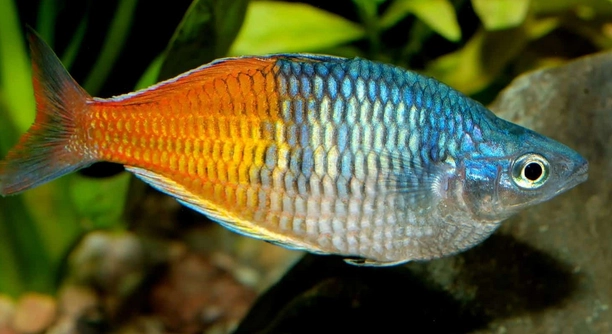
Rainbow fish are often lively and colorful, but sometimes, they can become nervous. Learning how to calm them can help create a peaceful environment in your aquarium and improve their well-being.
There are several ways to reduce stress in rainbow fish. Providing stable water conditions, offering hiding spots, and maintaining a consistent feeding schedule can help alleviate anxiety. These practices support the overall health and comfort of the fish.
Taking simple steps can lead to a more relaxed fish and a healthier tank environment. Understanding these tips will allow you to foster a calm space for your rainbow fish.
Providing Stable Water Conditions
Maintaining stable water conditions is essential for keeping your rainbow fish calm. These fish are sensitive to fluctuations in temperature, pH, and water quality. Sudden changes in their environment can cause stress and lead to health problems. To keep the water in the ideal range, use a reliable thermometer and water test kit. A good filtration system also helps maintain clean water, which is crucial for reducing stress. Regular water changes are necessary, but make sure to avoid drastic shifts in temperature when performing them. Keeping the water stable helps your fish feel secure, reducing nervous behavior.
The temperature should stay between 72-78°F (22-25°C), and the pH level should be slightly acidic to neutral, ranging from 6.5 to 7.5. Using a water heater can help regulate the temperature, especially in colder environments. Make sure the filter is appropriate for your tank size to avoid disrupting the fish with strong currents.
Fish in a stable, clean environment are less likely to exhibit nervous behavior. By staying on top of water conditions, you ensure a healthier, happier tank.
Creating Hiding Spots
Rainbow fish thrive when they have hiding spots. These fish often feel safer when they can retreat from the open space. Adding plants, rocks, or decorations to the tank gives them places to hide when they feel threatened. These additions also mimic their natural habitat, helping them adapt more easily.
Providing plenty of hiding spots ensures that the fish have a place to rest. This simple setup reduces stress and encourages natural behavior.
Maintaining a Consistent Feeding Schedule
A consistent feeding schedule is important for keeping rainbow fish calm. They feel more secure when they know when to expect food. Feeding at the same time each day reduces anxiety, as it builds routine and predictability. Overfeeding, however, can cause water quality issues, leading to further stress.
It’s best to feed small amounts of food that the fish can consume within a few minutes. This prevents uneaten food from decomposing and polluting the water. Avoid feeding them more than necessary, as overfeeding can also lead to obesity and health problems. Maintaining this routine helps rainbow fish feel more at ease.
By sticking to a feeding schedule, you also ensure the tank stays clean. Fish fed regularly will be more comfortable and will less likely exhibit nervous behavior. Keep track of feeding times and stick to manageable portions for optimal results.
Reducing Tank Mates’ Aggression
Rainbow fish are peaceful but can become stressed by aggressive tank mates. The best way to avoid this is by carefully selecting their companions. Avoid aggressive fish species that may chase or bully the rainbow fish. These interactions can lead to anxiety, making your fish more nervous.
Providing plenty of space in the tank reduces territorial behavior. Larger tanks with plenty of hiding spots help keep aggression levels down. A good rule of thumb is to choose calm, non-territorial species that won’t compete with the rainbow fish for space or resources.
Aggressive behavior can also be prevented by maintaining the proper number of fish in the tank. Overcrowding causes stress, leading to more frequent conflicts. A balanced tank will reduce stress, allowing the rainbow fish to thrive and feel safe.
Controlling Lighting
Rainbow fish are sensitive to lighting. Bright, harsh lights can cause stress and disrupt their natural rhythm. Soft, subdued lighting is ideal for creating a calm atmosphere in the tank. You can use a timer to ensure the lighting is consistent.
Gradually adjusting the lighting intensity throughout the day mimics the natural changes in sunlight. This helps rainbow fish feel more secure, as they won’t be exposed to sudden bright lights. A consistent day-night cycle promotes natural behavior and helps them maintain a sense of calm.
Monitoring Tank Temperature
Keeping the tank temperature stable is essential. Rainbow fish become stressed if the water is too warm or too cold. Maintaining a consistent temperature within the recommended range ensures comfort and reduces nervousness.
Check the water temperature regularly, using a reliable thermometer. Adjust the heater if necessary to maintain an ideal temperature range. Sudden changes can lead to illness or anxiety in your fish. Keeping it steady helps your rainbow fish feel more at ease.
FAQ
How can I tell if my rainbow fish is stressed?
A stressed rainbow fish may exhibit erratic swimming behavior, hide more than usual, or have faded colors. You might also notice them rubbing against objects in the tank or spending more time near the surface. If they show these signs, it’s important to address the stressors promptly to prevent health problems.
What is the ideal tank size for rainbow fish?
Rainbow fish are active swimmers and need enough space to move around. A tank size of at least 30 gallons is recommended for a small group of rainbow fish. Larger tanks allow them to establish territories, reducing stress and encouraging natural behavior.
Can I keep rainbow fish with other species?
Yes, rainbow fish can be kept with other peaceful species. It’s important to choose tank mates that won’t compete for space or resources. Avoid aggressive fish, as they can cause stress. Species like tetras, peaceful barbs, and other non-territorial fish make good companions.
How often should I change the water in my rainbow fish tank?
Water changes are crucial for maintaining a healthy environment. A 25-30% water change every 2 weeks is recommended. If the tank is heavily stocked or the water quality degrades quickly, more frequent changes may be necessary. Always make sure to match the water temperature and conditions to avoid shocking the fish.
What is the best food for rainbow fish?
Rainbow fish thrive on a varied diet. Offer high-quality flakes or pellets as the base, supplemented with frozen or live foods like brine shrimp, bloodworms, or daphnia. A mix of plant-based and protein-rich foods ensures they get all the necessary nutrients.
Can I add live plants to my tank with rainbow fish?
Yes, live plants are great for rainbow fish tanks. They provide natural hiding spots, help maintain water quality, and add beauty to the aquarium. However, be sure to choose hardy plants that can handle the fish’s activity and won’t be uprooted easily.
Why are my rainbow fish swimming near the surface?
Swimming near the surface can be a sign of stress or discomfort. It could indicate poor water quality, low oxygen levels, or an issue with the water temperature. Check the water parameters, ensure proper filtration, and consider adding an air stone to improve oxygenation.
What temperature should I keep my rainbow fish tank at?
Rainbow fish prefer temperatures between 72°F and 78°F (22°C to 25°C). Maintaining a stable temperature is key, as fluctuations can stress the fish. A reliable aquarium heater and thermometer will help keep the temperature consistent and comfortable for your fish.
How can I reduce the stress caused by my aquarium filter?
If your filter creates too much water flow, it could be stressing your rainbow fish. Consider adjusting the filter’s output or using a filter designed for smaller tanks. You can also add decorations or plants to help break up the current and provide shelter.
Do rainbow fish need a lot of light?
Rainbow fish don’t require excessive lighting. In fact, too much light can be stressful. Use soft, moderate lighting and provide a consistent day-night cycle. A timer can help you maintain regular light patterns that mimic natural conditions, keeping the fish calm.
How can I encourage natural behavior in my rainbow fish?
To encourage natural behavior, provide plenty of space, hiding spots, and plants in the tank. Maintain stable water conditions and a consistent feeding schedule. Avoid overcrowding and keep tank mates peaceful. These conditions help your rainbow fish feel secure and act as they would in the wild.
Are rainbow fish hard to care for?
Rainbow fish are relatively easy to care for when their needs are met. Providing stable water quality, a varied diet, and appropriate tank mates will keep them healthy. Regular water changes and monitoring their behavior will help ensure they remain calm and comfortable.
Can rainbow fish live with shrimp or snails?
Rainbow fish can live with shrimp and snails, but care must be taken when selecting species. Some rainbow fish might eat small shrimp, particularly if the shrimp are smaller than the fish. Snails generally coexist well with rainbow fish, as long as they are not competing for food or space.
What should I do if my rainbow fish is not eating?
If your rainbow fish isn’t eating, it may be stressed or unwell. First, check the water quality and temperature, as poor conditions can cause loss of appetite. Ensure the food offered is suitable for rainbow fish, and try offering a variety of foods to stimulate their interest.
How do I prevent my rainbow fish from becoming aggressive?
Rainbow fish are typically peaceful, but overpopulation, competition for space, or aggressive tank mates can cause aggression. Provide enough space, hiding spots, and avoid overcrowding. Keeping tank mates that are similarly peaceful and not territorial can prevent aggression from developing.
Why do rainbow fish change colors?
Rainbow fish change color based on their mood, environmental factors, or breeding conditions. Stress, illness, or water quality issues can cause them to appear duller. On the other hand, healthy and happy fish may show vibrant colors, especially during breeding periods.
How can I tell if my rainbow fish is healthy?
A healthy rainbow fish will swim actively and have bright, vibrant colors. Its fins will be intact, and it will show no signs of injury or illness. Healthy rainbow fish also exhibit normal eating behavior and interact peacefully with other tank mates. If any of these signs are missing, check the water parameters and consider consulting an expert.
How many rainbow fish should I keep together?
Rainbow fish are social and do best in small groups. A group of 4-6 rainbow fish allows them to form natural social bonds and feel more comfortable. Keeping them in a small group reduces stress and encourages more natural behavior.
Final Thoughts
Rainbow fish are generally calm and peaceful, but they can become nervous under certain conditions. Understanding their needs and providing a suitable environment is crucial to their well-being. By maintaining stable water conditions, a consistent feeding schedule, and choosing the right tank mates, you can significantly reduce the stress that might cause them to behave nervously. This approach helps them thrive and exhibit their natural behaviors.
A key factor in keeping rainbow fish calm is ensuring they have enough space to swim and hide. A tank with appropriate space and hiding spots helps them feel secure and reduces the chances of aggression or territorial disputes. Adding plants and decorations not only makes the tank more attractive but also offers comfort and safety for your fish. This setup allows rainbow fish to express their natural behaviors, making them feel less stressed in their environment.
Regularly monitoring the tank’s water quality, temperature, and lighting conditions is also essential in creating a peaceful environment. By keeping the water clean, stable, and well-oxygenated, rainbow fish are less likely to feel stressed. Lighting should be soft and consistent, and sudden changes in temperature should be avoided. Following these steps will help your rainbow fish live a happy, healthy life in a calm and secure environment.

Hello,
If you enjoy the content that we create, please consider saying a "Thank You!" by leaving a tip.
Every little bit helps us continue crafting quality advice that supports the health, happiness, and well-being of pets around the world, for pets of all shapes, sizes, and species.
We really appreciate the kindness and support that you show us!