
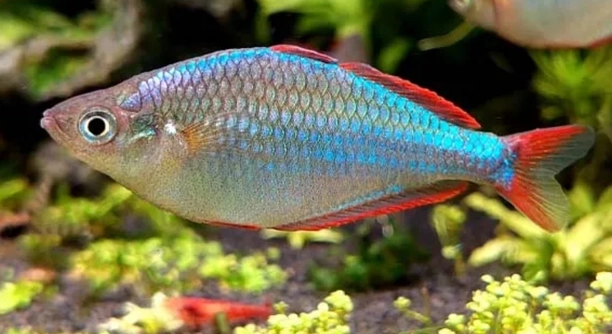
Rainbow fish are often admired for their vibrant colors and lively nature, making them popular in aquariums. But have you ever wondered how they might react to sounds like music or voices?
Research suggests that fish, including rainbow fish, can perceive sound vibrations, but their responses to music or voices remain unclear. They likely detect changes in their environment through sensory systems, though their reactions may not align with human interpretations of music.
Understanding how rainbow fish respond to sounds can help aquarium enthusiasts create a better environment for their fish. Insights into their sensory perceptions might offer a deeper look at how they interact with their surroundings.
How Rainbow Fish Hear and Perceive Sound
Rainbow fish, like many other species, lack ears in the traditional sense. Instead, they have a system that detects vibrations and sound waves through sensory cells in their bodies. These cells are sensitive to changes in water pressure, helping the fish detect nearby movements or changes in their environment. The way fish sense sound is vastly different from humans, who rely on ears to hear.
While they can sense vibrations, rainbow fish might not “hear” sound the way we do. They can detect low-frequency vibrations through their lateral line system, a specialized organ that runs along their bodies. This system allows them to perceive the movement of water around them, including sounds generated by predators, prey, or even other fish. Music, especially with higher frequencies, might not impact them in the same way as it does humans or land animals.
Rainbow fish are more likely to respond to vibrations caused by changes in their immediate environment. This could include the presence of other fish or movements near their tank. However, this doesn’t mean they are attracted to or repelled by specific sounds like humans might be. Their responses to sound are subtle, often more connected to survival instincts rather than any aesthetic preference for music or voices.
Can Rainbow Fish React to Voices?
Rainbow fish, just like other fish, are capable of detecting certain sound frequencies, including voices. However, their reaction to human voices is likely minimal. They may register the vibrations, but they don’t interpret them in the same way people do.
In an aquarium setting, you might notice rainbow fish approaching the glass when you speak. This could be due to their natural curiosity or the vibrations they sense when someone is near the tank. While fish don’t have the cognitive ability to recognize specific voices, the sound of human speech could provoke a reaction simply because of the vibration patterns it creates in the water. However, they are not likely to form any connection with your voice, like a dog might.
In fact, it’s important to note that loud noises or constant exposure to vibrations might stress your rainbow fish. The key to a peaceful aquarium environment is maintaining a calm, quiet atmosphere. Too much noise can disturb their natural behavior, making it harder for them to feel secure. Keeping the tank area calm can lead to happier, healthier fish.
Does Music Affect Rainbow Fish?
Rainbow fish, being sensitive to vibrations, could theoretically react to music played near their tank. However, the effects of music on fish remain unclear. Some studies suggest that certain types of music may influence fish behavior, but the research is still ongoing. Fish are known to be more responsive to lower frequencies, so music with heavy bass might elicit a response. On the other hand, higher frequencies, such as those in many modern genres, may not have the same effect.
It’s important to remember that fish do not perceive sound the way humans do. They do not “enjoy” music as we might, but they may still react to changes in their environment caused by vibrations. For example, loud or jarring sounds can cause stress, while soft, steady noises might have little effect. If you play music near your aquarium, it’s best to keep the volume low to avoid disturbing your fish. You may notice that they swim around more energetically, or they might retreat to a quieter corner, depending on the type and intensity of the sound.
In essence, while music may not create a direct emotional response in rainbow fish, it could influence their behavior based on the vibrations it produces. Experimenting with different types of music can be fun, but always be mindful of how your fish respond. If you notice any signs of stress, such as erratic swimming or hiding, it’s best to turn down the volume or stop the music altogether.
Effects of Noise Pollution on Rainbow Fish
Rainbow fish, like many aquatic animals, can be sensitive to noise pollution. Continuous loud noises or vibrations may stress them out. Over time, this can lead to changes in behavior such as erratic swimming or even a decrease in appetite.
Fish are naturally tuned to their surroundings, using vibrations to detect predators, prey, or changes in the environment. Constant exposure to noise, especially from music or heavy traffic, can interfere with their ability to communicate and navigate effectively. It’s important to maintain a quiet environment for your rainbow fish to help them thrive. Too much noise can also interfere with their natural feeding patterns or breeding behavior.
Research has shown that excessive noise can have long-term effects on fish. Chronic exposure may cause a decrease in reproductive success, as well as increased stress levels. To keep rainbow fish healthy, avoid placing the aquarium near sources of loud noise, such as speakers or busy streets. Creating a peaceful atmosphere is key to ensuring they live a healthy and balanced life.
The Impact of Vibrations on Fish Behavior
Vibrations in the water can have a significant impact on fish behavior. Fish are equipped with a lateral line system, which helps them detect even the smallest changes in water movement. This system is highly sensitive and can pick up vibrations from a variety of sources.
For rainbow fish, vibrations from loud music or even heavy footsteps near the tank can create stress. If these vibrations are constant, it can lead to changes in swimming patterns, with the fish either becoming more erratic or hiding in corners. Additionally, strong vibrations may cause fish to lose their sense of direction or become disoriented. Keeping the tank away from constant disturbances is important for their well-being.
Some fish are naturally more sensitive to vibrations than others. While rainbow fish may not react as strongly as some species, they are still susceptible to disturbances. By reducing excessive noise and vibrations, you can help your rainbow fish feel more secure in their environment and promote their natural behaviors.
How to Minimize Stress from Sound for Rainbow Fish
Creating a peaceful environment for rainbow fish is essential for their well-being. Avoid placing the tank near loud speakers or areas with heavy foot traffic. Reducing external noise can help keep the fish calm and prevent stress.
You can also create an environment that minimizes unwanted vibrations. Using a tank stand that absorbs vibrations and adding soft décor can help dampen any movement. Additionally, try to limit sudden loud noises near the aquarium to avoid startling the fish. A quieter space helps them thrive and feel more secure.
Creating a Calming Environment for Rainbow Fish
To make the tank environment peaceful, soft background sounds can be helpful, but they should be kept at a low volume. The goal is to avoid jarring noises that could cause discomfort. Ensure the tank is placed in a room that is calm, and reduce distractions.
Rainbow fish thrive in environments that mimic the natural conditions of their habitat. If possible, avoid placing the aquarium near sources of stress such as loud conversations or music. A quieter tank space can help reduce their anxiety and support their natural behavior.
When to Avoid Music Near the Tank
While soft music might not harm rainbow fish, avoid playing loud or fast-paced music. It could create vibrations that stress the fish. Keeping the volume low can reduce the risk of startling them or causing any distress. Always monitor their behavior for any signs of discomfort.
FAQ
Do rainbow fish recognize their owners?
Rainbow fish do not have the cognitive ability to recognize specific humans in the way pets like dogs or cats do. However, they may associate you with food. If you are the one who feeds them regularly, they will likely come to the front of the tank when they see you. This behavior is more about routine and less about recognition. They may also respond to your movements, sensing that someone is nearby. But there’s no evidence that they have the same bond with humans as more domesticated animals.
Can rainbow fish hear music?
Rainbow fish can detect vibrations in the water, including those caused by music. However, they don’t hear music in the same way humans do. They can pick up low-frequency sounds or vibrations through their lateral line system, but music, particularly high-pitched sounds, likely has minimal impact on them. If you play music near the tank, it’s best to keep the volume low and avoid loud, jarring sounds that could disturb their environment.
Does noise stress rainbow fish?
Yes, noise can cause stress for rainbow fish. Loud noises or constant vibrations may interfere with their ability to feel safe and secure in their tank. Since they rely on their lateral line system to sense changes in their environment, constant or loud sounds can create a stressful atmosphere. This stress may manifest in erratic swimming, hiding, or a decrease in appetite. To prevent this, try to keep your aquarium in a quieter space and avoid sources of loud noise nearby.
Can rainbow fish hear voices?
Rainbow fish can sense vibrations caused by sounds, including human voices, but they don’t recognize voices the way humans or animals with a more advanced sense of hearing do. When you speak near the tank, they may feel the vibrations in the water. However, they are unlikely to respond specifically to your voice. Any response is more likely to be related to the vibrations rather than recognizing you personally.
Do rainbow fish need complete silence?
Rainbow fish do not require complete silence, but they do need a calm environment. Too much noise or vibrations can cause stress, which may affect their health and behavior. It’s important to strike a balance—soft background noise is fine, but loud, jarring sounds or constant vibrations should be avoided. A peaceful tank environment helps them feel secure and thrive.
Can rainbow fish communicate with each other using sound?
Rainbow fish primarily communicate with each other through body movements, color displays, and sometimes subtle vibrations in the water. They don’t produce vocal sounds like some other animals, but their behavior is enough to convey important information. For example, changes in swimming patterns or postures can signal a threat or a mating display. They are also sensitive to movements made by other fish, which is why they may react quickly to changes in their environment.
Are rainbow fish affected by vibrations from water pumps?
Yes, the vibrations from water pumps can have an effect on rainbow fish, especially if the pump is too noisy or creates constant vibrations. While they can tolerate some movement in the water, constant or excessive vibrations from an aquarium pump may cause stress. To minimize this, make sure the pump is properly placed, and if it’s too loud, consider using a quieter model or adjusting the flow rate. Keeping the tank environment as stable as possible is crucial for the fish’s well-being.
Can rainbow fish sense the presence of predators?
Yes, rainbow fish have a keen ability to sense predators through vibrations in the water. Their lateral line system allows them to detect even small changes in water movement, which could signal the presence of a predator. This system is a vital tool for their survival, helping them react quickly to threats. While they may not recognize specific predators, they can detect movements that signal danger, prompting them to flee or hide.
Do rainbow fish prefer certain types of music?
There is no clear evidence that rainbow fish have a preference for specific types of music. While they can detect vibrations in the water, they do not perceive music the way humans do. Any reaction to music is likely due to the vibrations it causes, rather than the content or genre of the music itself. If you enjoy playing music near your tank, soft and calming tunes are less likely to cause stress compared to loud or fast-paced music.
What is the best way to reduce stress for rainbow fish?
To reduce stress for rainbow fish, it’s important to create a calm, stable environment. Keep their tank in a quiet location, away from loud noises and vibrations. Ensure the water conditions—such as temperature, pH, and oxygen levels—are optimal. Providing plenty of hiding spots with plants or decorations can also help them feel more secure. Avoid sudden movements around the tank, and keep the area around the tank peaceful to help your fish remain calm and healthy.
Final Thoughts
Rainbow fish, like many aquatic animals, rely heavily on their environment to feel secure and thrive. While they are capable of sensing vibrations in the water, including those caused by sound, their response to things like music or voices is not as clear-cut as it might be for more familiar pets. Rainbow fish are more likely to react to environmental changes such as movement, temperature fluctuations, and the presence of other fish rather than any specific sound, especially high-pitched noises. Their lateral line system, which allows them to detect vibrations in the water, is key to their survival and helps them sense predators or other changes in their surroundings. However, loud or constant noise can cause stress, which can negatively affect their behavior and overall health.
Creating a peaceful aquarium environment for rainbow fish is essential. They do not need complete silence, but excessive noise or vibrations, such as those from music or nearby traffic, should be avoided. If you want to play music near your tank, it’s best to keep the volume low and opt for calming sounds that are unlikely to create distress. The goal is to mimic a natural, stable environment where the fish feel safe. Stress can lead to various issues, including erratic swimming, loss of appetite, or difficulty breeding. In fact, ensuring minimal disturbances will allow the fish to live healthier, longer lives in your care.
Understanding the limitations of rainbow fish’s sensory abilities and their reactions to external stimuli is important when designing a tank setup. While they might not “enjoy” music in the way humans do, they are sensitive to their surroundings and respond to vibrations caused by sound. By keeping your aquarium in a quiet, calm place and reducing unnecessary noise, you can create an environment where your rainbow fish feel secure and can express their natural behaviors. This simple consideration can make a big difference in the health and happiness of your fish.

Hello,
If you enjoy the content that we create, please consider saying a "Thank You!" by leaving a tip.
Every little bit helps us continue crafting quality advice that supports the health, happiness, and well-being of pets around the world, for pets of all shapes, sizes, and species.
We really appreciate the kindness and support that you show us!