
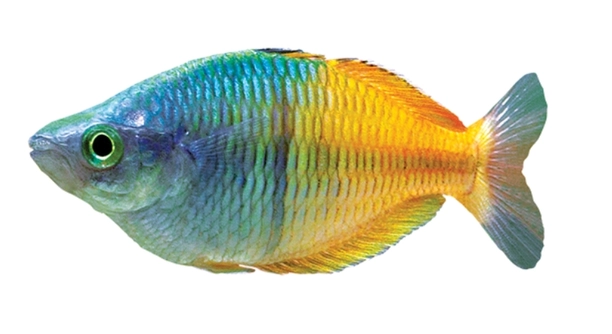
Rainbow fish are beautiful creatures often seen swimming under constant light. As aquarium enthusiasts, we want to ensure they have the best environment for their well-being. One important consideration is how light affects their health.
Rainbow fish, like most aquarium species, benefit from periods of darkness. Light cycles are essential for maintaining their circadian rhythms, and excessive light exposure may cause stress, disrupt their natural behavior, and even impact their immune system.
Understanding light cycles is crucial for the overall health of your rainbow fish. By providing balanced lighting, you can help maintain their happiness and longevity.
The Importance of a Proper Light Cycle for Rainbow Fish
Rainbow fish, like many other fish species, rely on light cycles to regulate their biological rhythms. These cycles affect their activity levels, feeding habits, and overall health. In an aquarium setting, artificial lighting often replaces natural sunlight, so it’s important to mimic these light cycles. Typically, rainbow fish do well with about 10 to 12 hours of light each day. Keeping the light on for too long can stress them, while insufficient light can disrupt their behavior and eating patterns.
Rainbow fish need darkness at night to rest. Prolonged exposure to artificial light can confuse their internal clocks, leading to stress and a weakened immune system. Proper lighting helps to maintain their energy levels and natural cycles.
It’s essential to provide your rainbow fish with a consistent day-night cycle. You can use a timer to ensure the light goes on and off at the same time each day. This consistency is key for their overall health and helps them feel secure in their environment.
Light Intensity and Its Effect on Rainbow Fish
Excessive light intensity can be harmful to your rainbow fish. Bright lighting, especially when not regulated, can lead to algae growth, which may affect water quality and oxygen levels.
Using dimmer lights or placing them at a distance from the tank can help prevent these issues. This will also encourage your fish to feel more comfortable and reduce the risk of stress.
Keeping the light intensity moderate and adjusting it according to the time of day can make a noticeable difference. Low-intensity light is often enough for your rainbow fish to thrive.
The Risks of Overexposure to Light
Overexposure to light can harm rainbow fish, leading to stress and disrupted behaviors. Prolonged periods of light can cause them to lose their natural rhythm, making them feel constantly active. This can negatively impact their health in the long run.
Fish may exhibit unusual behavior if exposed to too much light. They might swim erratically or become more aggressive towards tank mates. If this behavior occurs, it’s often a sign that the light cycle needs adjusting. Limiting light exposure, especially at night, allows your rainbow fish to rest properly and regain their natural equilibrium.
The consequences of improper lighting go beyond just behavioral changes. Overexposure can also weaken their immune systems, making them more vulnerable to diseases. Ensuring they have a balance of light and darkness strengthens their resistance and helps them stay healthy.
How to Create the Right Light Environment
Creating the right lighting environment for your rainbow fish requires more than just turning the lights on and off. The type of light used is just as important. LED lights are commonly used in aquariums and are energy-efficient. They can also mimic natural sunlight when used properly.
Proper placement of the light is another consideration. Lights that are too close to the tank can be overwhelming. On the other hand, placing them too far away may not provide enough light. Aim for a balanced setup where the light is distributed evenly across the tank, creating a soothing environment for your fish.
Finally, a timer can help maintain a consistent light schedule. With a timer, you ensure the light turns on and off at the same time every day, which is vital for your rainbow fish’s circadian rhythm. This consistency is essential for their well-being.
The Impact of Light on Rainbow Fish Breeding
Light plays a crucial role in the breeding behavior of rainbow fish. Proper light exposure helps trigger their reproductive cycles. Without adequate light, they may not feel the urge to breed, affecting the overall health of the tank.
Breeding in rainbow fish is closely linked to their natural light patterns. Too much light can disrupt this cycle, while too little may cause them to remain inactive. A consistent light schedule ensures they stay active and ready to breed when the conditions are right.
Managing Algae Growth with Light Control
By controlling light, you also control algae growth in the tank. Excessive light can encourage algae blooms, which can cloud the water and harm your fish’s environment. Keeping the light on a controlled cycle reduces this risk significantly.
Proper light management helps maintain a balanced ecosystem. Algae can quickly take over a tank if the light is on for too long each day. Limiting the exposure helps in maintaining clear water and a cleaner habitat for your rainbow fish.
FAQ
How much light do rainbow fish need each day?
Rainbow fish require about 10 to 12 hours of light per day, mimicking a natural day-night cycle. This period is essential for their health, helping regulate their biological rhythms and ensuring they receive enough time to rest in the dark. Ensure that the light is turned off during the night to prevent overstimulation.
Can rainbow fish survive in complete darkness?
While rainbow fish need a balance of light and darkness, complete darkness isn’t ideal for long periods. They still need light for about 10 to 12 hours a day to maintain healthy behavior and biological rhythms. Extended darkness can disrupt their feeding and natural activities, which can lead to stress.
What type of lighting is best for rainbow fish?
LED lights are a popular and energy-efficient choice for aquarium lighting. They can be adjusted to mimic natural sunlight, offering the proper spectrum of light needed by rainbow fish. Fluorescent lights are also good options but can be less energy-efficient. Make sure the light is not too bright, as this can cause stress.
Can too much light harm rainbow fish?
Yes, too much light can cause stress in rainbow fish. Overexposure to light can disrupt their natural circadian rhythms, leading to behavioral changes and health issues. Prolonged light exposure can also contribute to algae overgrowth, which can further affect water quality and the fish’s well-being.
How can I create a natural light cycle for my rainbow fish?
To create a natural light cycle, use a timer to regulate the aquarium’s light. Set it to be on for 10 to 12 hours a day, mimicking the natural daylight hours. During the night, ensure the tank is dark to allow the fish to rest properly. This will help maintain their health and well-being.
Do rainbow fish need more light in the breeding season?
Rainbow fish don’t necessarily need more light in the breeding season. What’s more important is the consistency of the light cycle. Proper light exposure throughout the year helps regulate their reproductive cycles. A stable 10 to 12-hour light period is sufficient to support breeding activity.
Can I use natural sunlight for my rainbow fish tank?
Natural sunlight can be used, but it comes with risks. Direct sunlight can cause temperature fluctuations, algae blooms, and uneven light distribution, which might stress the fish. If using natural sunlight, ensure it is indirect and stable to prevent any drastic changes in water temperature or lighting conditions.
What happens if I don’t give my rainbow fish a break from light?
If rainbow fish don’t receive a break from light, they may experience stress, leading to weakened immune systems and changes in behavior. Fish may also have trouble adjusting to feeding and resting patterns. Ensuring they have proper dark periods helps keep their biological rhythms intact.
How long should the light be off for rainbow fish at night?
The light should be off for about 12 hours each night to simulate a natural dark period. This rest is essential for their health, allowing them to recover and reset their internal clocks. This cycle helps prevent stress and supports their overall well-being.
Can rainbow fish thrive with LED lights?
Rainbow fish can thrive with LED lights if the intensity and spectrum are properly regulated. LEDs provide a full spectrum of light, which is important for fish health and plant growth in the tank. Ensure the light is not too bright, and use a timer to control light cycles for optimal results.
How do I know if my rainbow fish are stressed due to light?
Signs of stress due to light exposure can include erratic swimming, reduced appetite, hiding, and aggression toward other tank mates. Fish may also exhibit faded colors or a lack of activity. If you notice these signs, adjusting the lighting schedule or intensity can help alleviate stress.
Is it better to have consistent or changing light for rainbow fish?
Consistent light is better for rainbow fish. A stable light schedule helps regulate their biological rhythms, making them feel secure and reducing stress. Sudden changes in light can disrupt their behavior and overall health. Aim for a regular 10 to 12-hour light cycle, with periods of darkness at night.
How can I reduce algae growth caused by aquarium lights?
To reduce algae growth, avoid leaving the light on for more than 12 hours a day. Use a timer to ensure consistent light cycles, and keep the light at a moderate intensity. Regular tank maintenance, such as cleaning and water changes, also helps control algae and improve water quality.
Do rainbow fish need to rest in darkness?
Yes, rainbow fish need periods of darkness to rest and recover. Light is necessary for their daily activities, but darkness allows them to sleep and reset their biological rhythms. Not providing this rest period can lead to stress and health problems, so be sure to give them a dark period each night.
Can rainbow fish live in tanks with low lighting?
Rainbow fish can survive in tanks with low lighting, but it can affect their health over time. Insufficient light may cause them to become less active and impact their coloration. It’s important to provide them with the proper light intensity to keep them healthy and vibrant.
Should I adjust light levels based on the seasons?
While it’s not essential to change light levels with the seasons, some people prefer to adjust the length of light exposure to mimic seasonal changes. In general, aim for 10 to 12 hours of light each day, but you can slightly reduce the lighting in the winter months to reflect shorter days.
Final Thoughts
Maintaining a healthy environment for your rainbow fish requires careful attention to their light cycle. These fish thrive on a consistent schedule of 10 to 12 hours of light per day, which mirrors natural day-night patterns. This helps regulate their biological rhythms and supports their overall health. Without the proper light balance, rainbow fish can experience stress, which can lead to a variety of issues, such as altered behavior, weakened immune systems, and even a lack of breeding activity. Ensuring that your fish have regular periods of darkness is just as important as providing adequate light.
Overexposure to light can be harmful to rainbow fish. Prolonged periods of light can disrupt their natural cycles, leading to issues like aggressive behavior or exhaustion. On the other hand, too little light can hinder their activity levels and overall well-being. A stable lighting routine with a timer can help you avoid these extremes. Using LED lighting is a good choice, as it can be adjusted for intensity and spectrum, providing the right amount of light without overloading the tank. Additionally, keeping the light off at night allows your fish to rest and rejuvenate, helping them feel more secure and healthy.
Light management also plays a key role in maintaining water quality. Algae growth can be triggered by excess light, causing the water to become cloudy and potentially harmful to your fish. By controlling light exposure, you can prevent algae from taking over the tank, which also helps reduce maintenance time and keeps the water clear. In the end, creating the right balance of light and darkness will contribute to the long-term health of your rainbow fish, ensuring they remain active, colorful, and stress-free.

Hello,
If you enjoy the content that we create, please consider saying a "Thank You!" by leaving a tip.
Every little bit helps us continue crafting quality advice that supports the health, happiness, and well-being of pets around the world, for pets of all shapes, sizes, and species.
We really appreciate the kindness and support that you show us!