
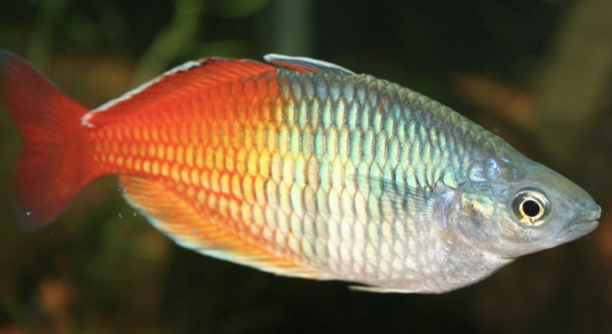
Rainbow fish are known for their bright, vibrant colors, but many fish owners notice that their rainbow fish appear dull in the morning. This shift in appearance can be puzzling for those who enjoy watching their fish in all their colorful glory.
The dull appearance of rainbow fish in the morning is primarily due to the natural behavior of their chromatophores. These pigment cells contract during the night, causing their colors to fade. By midday, their colors return as these cells expand again.
Understanding the science behind this change will help you better appreciate your rainbow fish’s natural patterns. Exploring how light, sleep, and stress factors contribute will give you insights into their daily transformations.
Why Do Rainbow Fish Have Different Colors?
Rainbow fish are unique because of their shimmering, multicolored scales. These colors are not only beautiful but serve various purposes, such as attracting mates or signaling aggression. The pigment cells in their skin, called chromatophores, are responsible for their bright colors. These cells contain different pigments that expand or contract depending on the fish’s environment and biological needs. When the fish are relaxed or asleep, these cells contract, causing the colors to fade. However, when they become active or excited, the chromatophores expand, making their colors appear vivid and vibrant again. This fluctuation in color is a natural response to different environmental factors like light, mood, and activity levels.
During the night, the rainbow fish’s colors are generally less noticeable. This is a result of the reduced light levels, signaling to the fish that it’s time to rest. As the day progresses and the light increases, the pigment cells expand, making their colors come back to life.
This phenomenon is seen in various species of fish and other animals, but it’s especially noticeable in rainbow fish because of their naturally bright, flashy scales. The colors may seem dull in the morning, but by midday, they return to their usual brightness as the fish wakes up and starts moving around. It’s part of their natural rhythm and a fascinating aspect of their behavior.
The Role of Lighting in Color Change
Lighting is another major factor affecting the color change in rainbow fish. Bright, natural light during the day helps them display their vibrant colors, while dim lighting can cause their colors to look muted.
The shift in lighting between day and night triggers the contraction and expansion of the chromatophores. At night, their colors will naturally fade, as they need a restful environment for sleep. This helps them conserve energy and avoid unnecessary stress. As the morning light returns, their colors brighten once again as they become more active.
The Impact of Temperature on Rainbow Fish Colors
Temperature plays a big role in how rainbow fish show their colors. When the water is cooler, their pigment cells tend to contract, causing their colors to appear duller. On the other hand, warmer water can help their chromatophores expand, making their colors appear more vibrant.
Fish are cold-blooded animals, meaning their body temperature is directly affected by the water they live in. If the water temperature drops too low, rainbow fish may also become less active. This can make their colors look faded as they conserve energy and prepare for rest. Maintaining the right water temperature helps ensure your rainbow fish stay active and colorful.
A consistent water temperature is essential for your fish’s health and coloration. If the temperature fluctuates too much, it can cause stress, making it harder for their chromatophores to adjust. Ideally, keeping the water in a stable range will help your fish maintain their natural vibrancy. Regular monitoring and adjusting of the tank temperature will help you avoid dull mornings and keep your rainbow fish looking their best.
How Stress Affects Rainbow Fish Colors
Stress is another factor that can cause rainbow fish to lose their vibrant colors. When stressed, the fish’s body reacts by releasing certain hormones, which can affect the function of their chromatophores. These pigment cells might contract, leading to a faded appearance.
Environmental stressors, such as overcrowding, poor water quality, or aggressive tank mates, can all contribute to this reaction. When a fish feels threatened or uncomfortable, it naturally tries to blend into its surroundings for protection, which is why its colors appear less vibrant. Providing a stable and peaceful environment can help your rainbow fish feel at ease, preventing them from experiencing unnecessary stress.
By regularly checking water conditions, ensuring proper filtration, and observing the behavior of tank mates, you can minimize stress and keep your fish’s colors looking vibrant. Fish that are well cared for, with minimal stress, will display their bright colors more often and in full.
The Influence of Diet on Color Appearance
What your rainbow fish eats can impact how vibrant its colors appear. A well-balanced diet rich in nutrients will help your fish display bright, beautiful colors. Poor nutrition, however, can lead to duller appearances.
Rainbow fish thrive on a diet that includes high-quality flakes, pellets, and live or frozen foods like brine shrimp and bloodworms. These foods provide the necessary vitamins and minerals to support their health and color. If your fish is not getting the right nutrients, their colors may start to look less vibrant over time.
Feeding your rainbow fish a variety of nutritious foods ensures they get the right mix of proteins, fats, and vitamins, which can help maintain their color. Pay attention to the ingredients in their food to make sure they’re getting all the essentials. A good diet not only improves their appearance but also supports their overall health.
The Importance of Tank Maintenance
Regular tank maintenance is crucial for keeping rainbow fish healthy and vibrant. Clean water, proper filtration, and regular water changes help maintain an environment where they can thrive.
A well-maintained tank reduces the risk of algae blooms and harmful bacteria, both of which can affect your fish’s health. Proper water conditions also ensure that the colors of your rainbow fish are not dulled by poor water quality. Regularly cleaning your tank will keep your fish happy and their colors bright.
Natural Light vs. Artificial Light
Rainbow fish respond differently to natural and artificial light. While natural light can enhance their colors, artificial lighting can sometimes cause them to appear dull if it’s too harsh or inconsistent.
FAQ
Why do rainbow fish look dull in the morning?
Rainbow fish often appear dull in the morning due to their natural cycle of pigmentation. During the night, their chromatophores, or pigment cells, contract, causing their vibrant colors to fade. When the light returns and they become active, these cells expand, bringing their colors back to life.
How can I make my rainbow fish more colorful?
To enhance the vibrancy of your rainbow fish, ensure they are in a stable environment with proper lighting, water temperature, and a balanced diet. Regular water changes, sufficient space, and minimal stress also contribute to their overall health and brightness.
Does water temperature affect the color of rainbow fish?
Yes, water temperature plays a significant role in the appearance of rainbow fish colors. Warmer water helps the pigment cells expand, making their colors appear brighter, while cooler water can cause the colors to look duller. It’s essential to maintain a consistent temperature in your tank to keep your fish looking vibrant.
Can poor water quality affect the color of my rainbow fish?
Poor water quality can stress your rainbow fish and cause their colors to fade. High levels of ammonia, nitrates, or nitrites can harm their health and lead to duller colors. Regular water changes and proper filtration will keep the water clean and support your fish’s natural vibrancy.
What kind of food should I feed my rainbow fish to maintain their colors?
Feeding your rainbow fish a varied diet rich in high-quality foods, such as live or frozen brine shrimp, bloodworms, and nutritious flakes or pellets, helps maintain their vibrant colors. Foods that are high in omega-3 fatty acids, spirulina, and carotenoids, like those found in certain algae-based supplements, can further boost color intensity.
Do rainbow fish change color based on their mood?
Yes, rainbow fish can change color based on their mood or level of activity. When stressed, they may display darker, less vibrant colors, while excitement or mating behavior can bring out their brighter hues. This natural color change helps them communicate and respond to their environment.
Can lighting affect the color of my rainbow fish?
Lighting does play a role in how rainbow fish display their colors. Natural sunlight can bring out their brightest colors, while artificial lighting, especially if too harsh or inconsistent, can cause them to appear dull. A consistent, soft light source will help maintain their vibrant colors.
How long does it take for rainbow fish to regain their colors in the morning?
Rainbow fish usually take a few hours after the lights come on in the morning to fully regain their vibrant colors. As they wake up and become more active, their chromatophores expand, allowing their colors to return to their usual intensity.
Can stress make rainbow fish lose their color?
Yes, stress can cause rainbow fish to lose their color. Stress factors, such as overcrowding, poor water quality, or aggressive tank mates, can cause the chromatophores to contract, resulting in a dull appearance. Reducing stress by maintaining a peaceful tank environment will help your fish retain their colors.
Is it normal for rainbow fish to lose color during breeding?
During breeding, rainbow fish may display different color patterns. Male rainbow fish often become more colorful to attract females, while females might appear duller or more muted during this period. This is a natural behavior that helps with mating and isn’t a sign of health issues.
How often should I change the water in my tank to help my rainbow fish’s colors?
Water changes should be done regularly to maintain the health of your rainbow fish and preserve their colors. A 20-30% water change every week is generally recommended for optimal water quality. This helps prevent a buildup of harmful substances and ensures your fish stay vibrant.
Do rainbow fish need a specific type of light for color enhancement?
Rainbow fish thrive under a light spectrum that mimics natural sunlight. Full-spectrum lighting is the best option for bringing out their colors. This type of light closely resembles daylight, helping to stimulate the expansion of their chromatophores and enhance their vibrant hues.
Can rainbow fish lose color if they are not in a tank with other fish?
Rainbow fish can sometimes lose color if they are kept alone for long periods. They are social creatures and often become more colorful when interacting with others. Adding tank mates can stimulate their natural behavior, which may help bring out their colors.
Is it possible for rainbow fish to be permanently dull in color?
Rainbow fish should not permanently lose their color if they are kept in a healthy, well-maintained environment. However, if a fish appears permanently dull, it may be a sign of underlying health issues, such as poor nutrition, disease, or poor water conditions. Regular care and proper tank maintenance should prevent this.
What other factors might cause rainbow fish to lose their color?
Aside from water quality and stress, several factors can contribute to rainbow fish losing their color, including illness, improper diet, or a lack of appropriate environmental conditions. Regular observation of your fish’s behavior and appearance, along with maintaining a stable environment, will help keep them vibrant.
Final Thoughts
Rainbow fish are truly beautiful creatures, with their colorful scales that can light up any aquarium. However, their appearance can change throughout the day due to various factors. One of the most common reasons why rainbow fish look dull in the morning is because of the natural contraction of their chromatophores, the pigment cells that control their colors. At night, these cells shrink as the fish rest, causing their colors to fade. As the light returns and they become more active, the chromatophores expand again, restoring their vibrant hues. This is a completely natural process that happens in many species of fish, not just rainbow fish.
There are also other factors that influence the color of your rainbow fish. For example, water temperature plays a significant role in how bright their colors appear. Warmer water tends to help their colors shine, while cooler water can cause them to look dull. Similarly, lighting has an impact; natural sunlight can bring out their full brightness, while artificial light, especially if it is too harsh or inconsistent, might make them appear less colorful. Maintaining the right temperature and lighting will help your rainbow fish look their best throughout the day. Additionally, proper diet, minimal stress, and regular tank maintenance are important factors that help your fish maintain their vibrant colors.
In the end, understanding why your rainbow fish look dull in the morning can help you appreciate their natural color-changing behavior. Their dull appearance in the early hours is simply part of their routine and shouldn’t be a cause for concern. By ensuring a stable environment with the right temperature, lighting, diet, and care, you can support your rainbow fish in staying healthy and colorful. Regular monitoring and attention to their needs will also help prevent any underlying issues that might affect their health and appearance.

Hello,
If you enjoy the content that we create, please consider saying a "Thank You!" by leaving a tip.
Every little bit helps us continue crafting quality advice that supports the health, happiness, and well-being of pets around the world, for pets of all shapes, sizes, and species.
We really appreciate the kindness and support that you show us!