
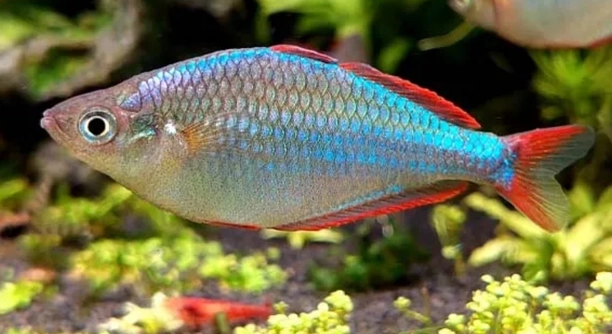
Rainbow fish are beautiful creatures that often engage in playful chasing behavior. However, when this behavior stops, it can leave you wondering what might be causing the change. Understanding the reasons behind this shift can help improve your aquarium’s harmony.
The main reasons rainbow fish stop chasing each other include changes in their environment, such as water temperature, the presence of tank mates, or their breeding cycle. Stress, injury, and overcrowding are other contributing factors that can also affect their behavior.
Identifying the cause of the chasing behavior can be key to creating a peaceful aquarium. This article will provide you with practical insights and helpful tips to address and prevent future issues for your rainbow fish.
Water Temperature and Rainbow Fish Behavior
Rainbow fish are sensitive to changes in water temperature. If the temperature fluctuates too much or becomes too warm, it can cause stress, making the fish stop chasing each other. A consistent, stable environment is crucial for their well-being. Typically, rainbow fish thrive in water temperatures between 74°F and 80°F (23°C and 27°C). Temperatures outside this range can lead to behavioral changes, including reduced interaction with other fish.
When the water temperature rises beyond the recommended range, rainbow fish may become lethargic and less active. This can result in a decrease in chasing behavior. On the other hand, if the water is too cold, they may become sluggish or withdrawn. Maintaining an appropriate temperature range helps keep rainbow fish active and sociable.
It’s essential to monitor the tank’s temperature regularly using a reliable thermometer. Additionally, invest in a quality heater with a thermostat to maintain stable water conditions. Adjusting the heater when necessary can ensure your rainbow fish stay healthy and interactive.
Tank Mates and Overcrowding
The presence of other fish can impact the behavior of rainbow fish. When there are too many fish in the tank, it can lead to stress and territorial disputes. This might cause rainbow fish to stop chasing each other as they feel threatened by the overcrowded environment. To avoid this, ensure your tank has enough space for each fish to have their territory.
Proper stocking density is essential to preventing overcrowding. If you have multiple species of fish, make sure they are compatible with rainbow fish. Some species may be too aggressive or territorial, which can create unnecessary stress for your rainbow fish. As a result, they may stop interacting in a playful manner.
A good rule of thumb is to provide at least 1 inch of fish per gallon of water, but this may vary depending on the type and size of fish you have. Carefully plan your tank setup to avoid overcrowding, ensuring a balanced and peaceful environment for all your fish.
Breeding Cycle and Rainbow Fish
Rainbow fish often stop chasing each other during or after their breeding cycle. During this time, their behavior can change as they focus on reproducing rather than interacting with their tank mates. In the wild, rainbow fish breed in specific conditions, which might differ from those in captivity.
When the female is ready to lay eggs, the male may exhibit less chasing behavior, instead focusing on attracting her attention. This is typical of the breeding process. After spawning, both fish may become less active, leading to a temporary pause in chasing.
Monitoring your fish closely during breeding periods helps you understand their needs. Providing a stress-free environment with proper water conditions and enough space can encourage successful breeding while maintaining healthy social interactions when the cycle ends.
Injury or Illness
Injuries or illness can make rainbow fish stop chasing each other. If a fish is injured or unwell, it may prefer to rest or isolate itself. Stress from an injury can also cause them to lose interest in interacting with others.
Physical injuries or visible signs of illness can sometimes lead to aggression or withdrawal from other tank members. Rainbow fish can become lethargic or slower in responding to tankmates when they are not feeling well. Regularly observing their behavior allows you to catch these issues early.
If you notice any symptoms, such as unusual swimming patterns or visible injuries, quarantine the affected fish and provide treatment. Ensuring your fish stay healthy is vital for keeping social behavior intact and reducing stress on the other members of your aquarium.
Tank Conditions and Rainbow Fish Behavior
Rainbow fish are sensitive to water conditions, including pH levels and water hardness. Poor water quality can cause stress, which might lead to a halt in chasing behavior. Regular water changes and maintenance are necessary for maintaining a peaceful aquarium.
If the water quality is suboptimal, rainbow fish might stop engaging with their tankmates. High ammonia or nitrite levels can cause discomfort and discourage social interaction. Testing the water regularly helps identify issues and allows for corrective action to keep your fish healthy and active.
A stable, clean tank environment promotes the social behavior typical of rainbow fish, ensuring they remain engaged with each other.
Feeding and Rainbow Fish Activity
Feeding plays a significant role in rainbow fish behavior. Overfeeding or inconsistent feeding schedules can cause stress, which may result in reduced interaction among fish. A balanced, regular feeding routine encourages healthy behavior, including playful chasing.
Proper nutrition ensures rainbow fish stay active and energetic. If fish are underfed or overfed, they may become lethargic and stop chasing. Stick to a consistent feeding schedule to maintain their health and behavior.
FAQ
Why do rainbow fish stop chasing each other?
Rainbow fish may stop chasing each other due to various factors, such as environmental changes, stress, or physical conditions. Common reasons include water temperature fluctuations, overcrowding, or breeding cycles. Stress from poor water quality or illness can also contribute to this behavior. If your fish have been chasing each other for a while and suddenly stop, it’s worth examining the tank’s conditions.
Can rainbow fish become less active as they get older?
Yes, as rainbow fish age, they may become less active and stop chasing each other. Older fish tend to slow down, and their behavior changes due to natural aging. While younger rainbow fish are more energetic and playful, older ones may be less involved in social activities. It’s a normal part of their life cycle.
Is it normal for rainbow fish to stop chasing each other after they spawn?
Yes, it is common for rainbow fish to stop chasing each other after spawning. During the breeding period, the fish focus more on mating than on engaging with others. Male rainbow fish, in particular, may stop chasing once they’ve successfully attracted a mate. After spawning, both males and females may become more sedentary until they are ready for the next cycle.
How can I tell if my rainbow fish are stressed?
Stressed rainbow fish may display certain signs, such as erratic swimming patterns, lack of appetite, or hiding more than usual. You might notice them swimming near the surface or excessively darting around the tank. These behaviors indicate discomfort, which could be caused by water quality issues, tank mates, or environmental changes. Monitoring their health and environment is key to identifying stress early.
Can the size of the tank affect rainbow fish behavior?
Yes, the size of the tank can significantly affect rainbow fish behavior. A cramped tank leads to stress and territorial disputes, which may cause the fish to stop chasing each other. Providing ample space allows the fish to interact more freely. Ensuring that your rainbow fish have enough room to swim and establish their own territories is crucial for maintaining social behavior.
How often should I change the water in my rainbow fish tank?
It is generally recommended to change 10-20% of the water in your rainbow fish tank every week. This helps maintain clean and stable water conditions, which are vital for the health and behavior of the fish. If your tank is heavily stocked or filtration is inadequate, more frequent changes may be necessary. Regular water changes prevent the buildup of toxins and keep the fish active and engaged.
Do rainbow fish get along with other fish species?
Rainbow fish are typically peaceful and get along well with other non-aggressive fish. However, they can become stressed if housed with aggressive or overly territorial species. It’s important to select tank mates that have similar water requirements and temperaments to avoid unnecessary stress. Always research the compatibility of any new fish before introducing them to your tank.
What should I feed my rainbow fish to keep them healthy?
Rainbow fish thrive on a varied diet that includes high-quality flake food, pellets, and live or frozen foods like brine shrimp, daphnia, or bloodworms. A balanced diet ensures they stay active and healthy. Feed your rainbow fish once or twice a day, offering only as much as they can consume within a few minutes to avoid overfeeding.
How do I know if my rainbow fish are sick?
Signs of illness in rainbow fish include abnormal swimming, fading colors, loss of appetite, and visible spots or lesions on their bodies. If your rainbow fish appear lethargic or are not interacting with tank mates, it may be an indication of illness. Early detection is important for treatment, so be sure to monitor them closely and isolate any affected fish to prevent the spread of disease.
Can rainbow fish live with shrimp or snails?
Rainbow fish generally get along well with shrimp and snails, as long as the shrimp species are not too small. Larger shrimp species can live harmoniously with rainbow fish, while smaller shrimp might become prey. Snails are usually safe and can help clean the tank. However, it’s always important to observe the interactions between different species to ensure everyone coexists peacefully.
Are rainbow fish easy to care for?
Rainbow fish are relatively easy to care for, making them a great option for beginner aquarists. They adapt well to a variety of water conditions as long as the tank is properly maintained. Providing appropriate water temperatures, regular feeding, and avoiding overcrowding will keep them healthy and active. Regular observation and water testing ensure their long-term well-being.
Final Thoughts
Rainbow fish are beautiful and peaceful creatures that can make a wonderful addition to any aquarium. Their vibrant colors and active personalities often bring life to a tank, and they typically get along well with other non-aggressive species. However, like any fish, they can stop chasing each other for several reasons, including environmental changes, health issues, or even during their breeding cycle. Understanding the factors that influence their behavior helps ensure that your rainbow fish remain healthy and active.
Maintaining a healthy environment is key to ensuring your rainbow fish stay engaged with each other and their surroundings. Regular water changes, monitoring water quality, and providing enough space are essential. Stress from poor water conditions, overcrowding, or illness can cause changes in behavior, so it’s important to address any issues quickly. By keeping their tank in optimal conditions and offering a balanced diet, you help your rainbow fish maintain their natural behavior and interactions.
In conclusion, rainbow fish are not only easy to care for but also rewarding to observe. Whether they are chasing each other playfully or swimming calmly, understanding the factors that influence their behavior allows you to provide the best care. By ensuring they have the right environment, you can enjoy watching their beautiful, peaceful nature for years to come.

Hello,
If you enjoy the content that we create, please consider saying a "Thank You!" by leaving a tip.
Every little bit helps us continue crafting quality advice that supports the health, happiness, and well-being of pets around the world, for pets of all shapes, sizes, and species.
We really appreciate the kindness and support that you show us!