
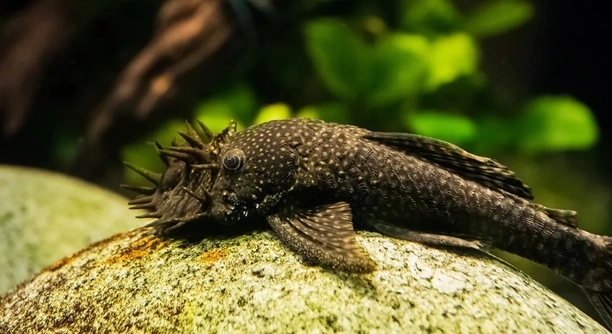
Have you ever decorated your aquarium with small ornaments, only to notice your pleco growing larger and spending less time around them?
Plecos often outgrow small decorations as they mature, requiring more space to move and rest comfortably. Their size can cause them to displace or even damage tiny ornaments, making larger, smoother items a safer choice for their habitat.
Understanding how growth impacts your pleco’s environment helps ensure they remain healthy, comfortable, and stress-free as they continue to thrive in your aquarium.
Understanding Pleco Growth and Aquarium Space
Plecos are fascinating fish that can grow far larger than many aquarists expect. While young plecos may seem comfortable in a small tank with decorative pieces, their growth rate increases rapidly once they mature. Depending on the species, plecos can reach anywhere from six inches to two feet in length. As they grow, they begin to require wider swimming areas, smoother hiding spaces, and stronger tank equipment to support their size. Decorations that once fit perfectly may soon become obstacles, limiting movement or causing stress. It’s important to understand that small ornaments are not suitable for long-term use, as they can trap dirt, damage fins, or restrict space. Providing open areas and safe, sturdy hiding spots ensures your pleco continues to grow in a balanced and healthy environment.
Small changes in decoration size and layout can make a big difference in how comfortable and active your pleco feels daily.
A well-planned aquarium gives your pleco room to explore while maintaining cleanliness and safety. By replacing tiny ornaments with large driftwood, caves, and smooth rocks, you create a setup that mimics their natural environment. Plecos appreciate shaded areas where they can hide during the day, so providing darker zones improves their comfort. Larger decorations also prevent injury from tight spaces or sharp edges, which can occur when plecos outgrow their surroundings. Observing your pleco’s behavior helps you notice when the tank feels crowded—slow movement or frequent hiding can signal the need for rearranging. Balancing space with minimal but practical décor supports proper water flow and reduces debris buildup. In return, your pleco will stay healthier, more active, and better adjusted to its habitat, making your aquarium both functional and visually appealing.
Choosing the Right Decorations
Selecting appropriate decorations is key to supporting your pleco’s growth and natural habits. Materials, size, and placement all affect their comfort and safety.
When choosing decorations, focus on durability and smooth surfaces. Plecos are bottom-dwellers that constantly graze, meaning they’ll spend time rubbing against objects. Rough textures can harm their skin, so opt for polished stones, resin caves, or driftwood specifically designed for aquariums. Avoid hollow ornaments with narrow openings, as plecos can become trapped while trying to hide. Decorations should also be heavy enough to stay in place when your pleco moves around. Arrange items to create shaded areas and open swimming zones, maintaining balance across the tank. It’s also important to ensure decorations do not disrupt water circulation or trap waste underneath. Cleaning them regularly prevents algae buildup and keeps water conditions stable. By paying attention to these details, you can design an aquarium that safely supports your pleco’s size and keeps them thriving for years.
How Decoration Size Affects Pleco Behavior
Small decorations can limit your pleco’s movement and lead to stress. As they grow, tight spaces become uncomfortable, making them avoid certain areas or hide less frequently, which can impact their overall behavior and health.
When plecos have enough space, they display natural behaviors like grazing on surfaces and exploring the tank bottom. Small or overcrowded decorations can cause frustration and injuries as they bump or scrape against objects. Over time, this can affect their feeding habits and even make them more territorial. Replacing small items with larger, smooth ones encourages natural activity and reduces aggression. Providing open zones and spacious hiding spots helps plecos stay calm and confident while maintaining proper movement throughout the tank. A relaxed pleco will be more active, healthier, and easier to observe during feeding and cleaning routines.
Adjusting decoration size also supports better tank balance. Larger ornaments prevent waste buildup in corners and help with even water circulation, reducing harmful bacteria. This keeps your pleco’s environment clean while improving oxygen flow. It also minimizes the chances of stress-related illnesses. Creating a well-arranged aquarium layout helps you maintain both beauty and function. This thoughtful setup ensures your pleco has a safe, open, and comfortable habitat to thrive in.
Maintaining a Safe Environment for Growing Plecos
Keeping the tank safe requires constant awareness of your pleco’s growth rate and movement patterns. As their size changes, so should your approach to space, filtration, and tank layout to avoid potential harm or discomfort.
Plecos are powerful bottom-dwellers that can shift decorations while exploring. This makes it important to secure larger pieces firmly, especially rocks and driftwood. Smooth surfaces prevent injuries when they rub or rest against them. Regularly check for cracks, sharp edges, or unstable items that may fall or trap your fish. Avoid small tunnels and narrow caves as your pleco grows, since these can lead to stuck fins or damaged scales. Cleaning decorations weekly prevents harmful algae buildup, which plecos may ingest while grazing. A stable filtration system, proper tank size, and well-placed decorations all contribute to a safer, more natural environment where your pleco can grow peacefully without restrictions.
Signs Your Pleco Has Outgrown Its Decorations
A pleco that struggles to squeeze into hiding spots or frequently knocks over ornaments may have outgrown its decorations. These behaviors show that the space once suitable has become restrictive, causing discomfort and potential stress during daily movement.
Another clear sign is visible damage to fins or scales from rubbing against tight or sharp surfaces. When decorations appear too small or your pleco avoids them altogether, it’s time to upgrade to larger, smoother items. Adjusting early prevents injuries and keeps your pleco comfortable as it continues to grow.
Rearranging the Tank for Comfort
Rearranging the tank helps restore comfort and balance. Start by removing small decorations and replacing them with larger, smooth-surfaced items like driftwood or wide caves. Leave open swimming areas so your pleco can move freely without obstacles. Make sure new decorations are stable and placed securely on the substrate. Keeping a mix of open and shaded areas supports both rest and exploration. Rearranging should be done gradually to avoid stressing your pleco. Once settled, monitor behavior and adjust if needed to maintain a clean, safe, and comfortable environment that fits their growing size.
Final Thoughts on Pleco Space Needs
Monitoring your pleco’s growth and updating decorations ensures long-term health and happiness. A well-spaced, secure aquarium supports natural behavior, prevents stress, and lets your pleco thrive comfortably without restrictions.
FAQ
How do I know if my pleco has outgrown its decorations?
You can tell by observing behavior and movement. If your pleco struggles to fit into hiding spots, constantly bumps into ornaments, or avoids certain areas, it likely needs larger decorations. Watch for scratched fins, torn scales, or signs of stress caused by tight spaces. Decorations that were once perfect may become restrictive as your pleco grows, especially in active species that move along the tank bottom frequently. Ensuring ample open space and smooth surfaces prevents injuries and allows natural exploration. Gradually replacing small items with larger, sturdy pieces keeps the environment safe and comfortable for both young and adult plecos.
What types of decorations are best for growing plecos?
Plecos benefit from large, smooth decorations like driftwood, resin caves, and wide stones. Avoid narrow tunnels or sharp-edged ornaments that can trap or injure them. Driftwood is particularly useful, as many plecos like to graze on it. Smooth, heavy items prevent tipping or sliding, reducing accidents. Decorations should provide shaded hiding spots while leaving enough open swimming areas. Avoid overcrowding the tank; even decorative pieces need room to ensure proper water flow and reduce debris accumulation. Arranging items at different heights can also encourage natural grazing and exploration without restricting movement, maintaining a balanced and safe environment.
How often should I update or rearrange decorations?
Updating decorations depends on your pleco’s growth and tank conditions. Monitor behavior weekly to notice changes in comfort or restricted movement. If fins or scales are damaged, it’s a clear sign decorations need adjustment. Rearranging once every few months is generally enough, but growing plecos may require more frequent updates. Gradual rearrangement is important to prevent stress, especially when introducing larger items. Cleaning decorations regularly also counts as maintenance, keeping surfaces free from algae buildup that plecos may ingest while grazing. A careful balance of space, stable décor, and open swimming zones ensures your pleco remains comfortable as it matures.
Can small decorations harm my pleco over time?
Yes, small decorations can become dangerous as plecos grow. Tight spaces can lead to trapped fins, torn scales, and stress from restricted movement. Sharp edges or unstable items can cause injuries if the fish bumps or rubs against them. Over time, crowded tanks with tiny ornaments may also affect water circulation, creating zones of poor filtration and increasing waste accumulation. This can indirectly impact health, leading to infections or sluggish behavior. Replacing small items with appropriately sized, smooth decorations ensures safer interaction with the environment and supports natural behaviors like grazing, hiding, and exploring.
Do all pleco species outgrow decorations at the same rate?
No, growth rates vary depending on the species. Smaller species may be comfortable with moderate-sized decorations for longer periods, while larger species, like common plecos, quickly outgrow most small items. Understanding your pleco’s maximum adult size helps determine appropriate décor. Researching species-specific behavior and growth patterns allows you to plan ahead and avoid frequent adjustments. Regardless of size, providing smooth surfaces, secure structures, and open swimming areas remains critical. Observing your fish regularly ensures timely updates, preventing injuries or stress from cramped conditions.
Is driftwood really necessary for plecos?
Driftwood is highly beneficial, especially for species that graze on it. Many plecos enjoy scraping off algae and consuming soft wood fibers. It also provides natural hiding spots and shaded areas, reducing stress. While not strictly required, driftwood supports healthy behavior and can be part of a balanced tank setup alongside stones and resin caves. Selecting smooth, aquarium-safe driftwood is essential to prevent toxins or splinters. Properly placed driftwood helps create a more natural environment that encourages grazing, resting, and exploration, improving your pleco’s overall well-being as it grows.
How can I make sure my pleco decorations are safe?
Check decorations regularly for stability and smoothness. Avoid items with sharp edges, small openings, or lightweight materials that can shift or tip over. Secure heavy rocks or driftwood firmly to prevent accidents. Clean surfaces to remove algae buildup and inspect for cracks that could trap fins or scales. Maintain open swimming spaces around larger decorations and leave shaded zones for hiding. Proper filtration, water flow, and occasional rearrangement ensure a safe, functional, and comfortable habitat that supports growth, natural behavior, and reduces the risk of injury or stress.
Can plecos damage decorations as they grow?
Yes, plecos are strong and may move or scrape decorations while exploring. Soft or lightweight ornaments may tip, break, or shift, creating hazards. Smooth, heavy, and stable pieces minimize this risk. Observing interaction with new items helps identify potential issues early. Choosing durable decorations ensures long-term functionality while keeping your pleco safe, active, and stress-free.
How much open space should I leave in the tank?
Open swimming areas are critical, especially for larger plecos. At least half of the bottom space should remain free of obstacles. This allows natural movement, grazing, and stress-free navigation. Combine open zones with shaded or structured hiding areas to balance comfort, safety, and natural behavior.
What should I do if my pleco avoids decorations entirely?
Avoidance usually indicates overcrowding, inappropriate size, or unsafe surfaces. Replace small items with larger, smooth, and stable decorations. Ensure proper water flow, open swimming space, and shaded hiding spots. Observing your pleco’s preferences will guide adjustments for a safer, more comfortable habitat that encourages interaction with the tank environment.
How can I prepare decorations for a new pleco?
Rinse and soak all decorations to remove dust or chemicals. Smooth sharp edges and ensure stability. Arrange larger items to leave open swimming areas and shaded hiding zones. Introduce gradually while monitoring the pleco’s behavior. Regular cleaning and maintenance help preserve safety and support growth over time.
This FAQ covers key concerns about plecos and their interaction with decorations, ensuring safe, comfortable, and growth-appropriate aquarium environments.
Final Thoughts
Maintaining a healthy and comfortable environment for your pleco requires careful attention to their growth and interaction with decorations. Small ornaments that seemed adequate when your pleco was young can quickly become restrictive as they grow larger. Observing your fish daily helps identify early signs of discomfort, such as avoiding hiding spots, bumping into objects, or visible damage to fins and scales. These signs indicate that your pleco may need more spacious and sturdier decorations to move freely. Providing decorations that are appropriately sized, stable, and smooth ensures your pleco can display natural behaviors like grazing, exploring, and resting without stress or risk of injury. Open swimming spaces, combined with shaded areas, allow plecos to feel secure while having freedom of movement. By adjusting the tank setup according to your pleco’s growth, you prevent health problems that arise from cramped or unsafe conditions. Regular maintenance and monitoring are key to creating a functional, balanced, and safe habitat that supports your pleco’s long-term well-being.
Choosing the right decorations also improves the overall look and functionality of your aquarium. Larger, smooth items such as driftwood, wide caves, and polished stones provide both aesthetic appeal and practical benefits for your pleco. Heavy decorations reduce the risk of tipping, while smooth surfaces prevent injuries from rubbing or scraping. Carefully arranging items in a mix of open and shaded areas allows your pleco to rest and explore naturally. Additionally, keeping the tank clean and free of overcrowded decorations supports proper water circulation and reduces waste buildup, which is important for maintaining stable water conditions. A well-thought-out layout not only helps your pleco feel comfortable but also simplifies maintenance and cleaning, making the aquarium easier to manage. By considering the size, stability, and placement of each decoration, you create an environment that is both visually pleasing and safe for your fish. This approach supports the overall health, activity, and longevity of your pleco.
Finally, adjusting your aquarium to suit a growing pleco is an ongoing process. As plecos mature, their space requirements change, and the tank must evolve with them. Gradually replacing small or unsafe decorations with larger, sturdier alternatives ensures the habitat remains suitable over time. Observing behavior, monitoring health, and maintaining cleanliness are essential parts of responsible care. Providing ample open space alongside safe hiding spots encourages natural activity, reduces stress, and allows your pleco to thrive. Being proactive about these adjustments also minimizes the risk of injuries and promotes a calmer, more confident fish. A thoughtful, adaptable setup ensures your pleco’s habitat meets both physical and behavioral needs while maintaining a visually appealing aquarium. Over time, these changes create a comfortable, safe, and sustainable environment where your pleco can grow naturally, stay active, and enjoy a higher quality of life.
Word count: 409

Hello,
If you enjoy the content that we create, please consider saying a "Thank You!" by leaving a tip.
Every little bit helps us continue crafting quality advice that supports the health, happiness, and well-being of pets around the world, for pets of all shapes, sizes, and species.
We really appreciate the kindness and support that you show us!