
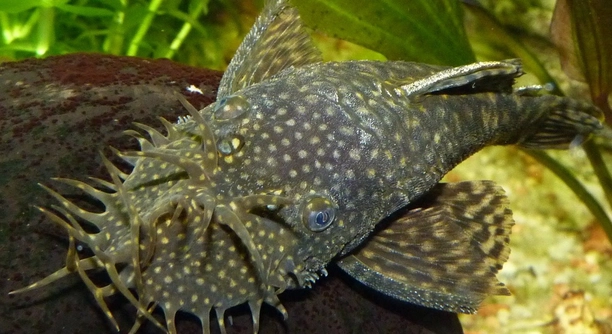
Bristlenose plecos are peaceful fish that add charm to any freshwater aquarium. They spend much of their time grazing on algae, but certain conditions can frustrate them and disrupt their normal behavior in subtle ways.
Bristlenose plecos become stressed or annoyed due to poor water quality, lack of hiding spaces, inappropriate tank mates, insufficient food, sudden changes in lighting, rough handling, and overcrowding. Addressing these factors helps maintain their health and natural behavior.
Learning these annoyances can help you create a calmer, more comfortable environment. Small adjustments often make a big difference in keeping your plecos happy.
Poor Water Quality
Bristlenose plecos are very sensitive to water conditions. Dirty water or sudden shifts in pH can stress them, making them more likely to hide, stop eating, or display unusual behavior. Filtration is important, but regular water changes are equally critical. Many people underestimate the impact of accumulated waste, leftover food, and decaying plants. Even small changes in ammonia, nitrite, or nitrate levels can affect a pleco’s mood and health. Testing your tank weekly helps catch problems early. Maintaining stable temperature and hardness is also important, as fluctuations can confuse their internal rhythms. Plecos are more active and display natural grazing behavior in clean, stable water. It’s easy to focus only on visible dirt, but invisible chemical changes often have bigger effects. Adding live plants can help absorb excess nutrients, but this should complement proper cleaning routines. Observing your pleco daily can help you spot stress early.
Clean, stable water keeps plecos healthy, reduces stress, and prevents common behavioral issues.
Keeping water quality consistent ensures plecos remain active and graze naturally. Simple routines like weekly tests and partial water changes make a noticeable difference.
Lack of Hiding Spaces
Plecos feel safer when they have secure places to retreat. Without adequate hiding spots, they may become skittish, stressed, or overly aggressive toward other tank inhabitants.
Providing caves, driftwood, and dense plants gives them security. Many plecos prefer dark crevices where they can rest during the day. Hiding spots also help reduce competition among tank mates and allow them to establish a personal territory. Too few shelters can lead to constant movement, increased stress, and reduced feeding. Driftwood is especially useful, as it not only offers cover but also serves as a grazing surface for algae. Over time, plecos may form favorite resting spots, which helps them feel comfortable and confident. Even simple additions like PVC pipes or small rock formations create safe zones. The placement of these hiding areas matters; they should be in quieter corners away from heavy current or bright lights. By creating a structured environment, plecos show calmer behavior, graze effectively, and interact less aggressively. Observing their preferred spots can help you fine-tune the layout.
Inappropriate Tank Mates
Aggressive or overly active fish can stress bristlenose plecos. They may hide constantly, lose appetite, or develop unusual behavior. Compatibility is key to a calm tank environment.
Keeping plecos with peaceful species reduces stress and allows them to feed and graze without interference. Large or territorial fish can chase or nip plecos, leading to injuries. Even semi-aggressive fish that are not directly harmful can create tension, making plecos hide more often. Observing interactions for a few days after introducing new tank mates helps spot any signs of aggression early. Rearranging the tank or separating incompatible fish may be necessary. Choosing calm species with similar water requirements encourages harmony. Plecos benefit from areas where they can escape notice, ensuring they feel safe and secure. Structured hiding spaces combined with careful selection of tank mates creates a balanced environment. Plecos display natural behaviors more often when they are not stressed by dominant or hyperactive neighbors.
Providing calm companions and personal spaces helps plecos thrive and reduces conflicts in the tank.
Insufficient Food
Bristlenose plecos need a steady supply of algae and plant matter to stay healthy. Without enough, they may become lethargic or start nibbling on tank decorations.
Algae wafers, vegetables like zucchini or cucumber, and occasional protein supplements ensure they receive proper nutrition. Plecos are mostly nocturnal grazers, so feeding in the evening can mimic natural conditions. Overfeeding can cause water quality problems, so balance is essential. Observing how much food is consumed daily helps prevent waste and maintains healthy water parameters. Removing uneaten food after a few hours avoids rot and ammonia spikes. Different plecos have different appetites, so adjusting quantities based on behavior and size is important. Regularly rotating vegetables and plant matter keeps their diet varied and appealing, which helps prevent stress from hunger or boredom. A well-fed pleco is more active, grazes naturally, and exhibits healthier coloration.
Offering a consistent and varied diet supports growth, energy, and overall well-being in bristlenose plecos.
Sudden Changes in Lighting
Bristlenose plecos can be easily startled by abrupt lighting changes. Sudden bright lights make them hide or stop grazing, causing unnecessary stress in the tank.
Using a consistent light schedule and dimming lights gradually helps plecos adjust. They respond better to stable, predictable conditions.
Rough Handling
Handling plecos roughly can damage their fins, skin, and stress levels. Even careful movements are best kept minimal. Regular maintenance should avoid unnecessary contact.
Plecos have delicate bodies covered with bony plates. Excessive handling can lead to injuries or infections. If you need to move them, use a soft net and move slowly. Stress from handling may also suppress appetite and reduce activity. Observing behavior after maintenance can indicate if stress occurred. Minimizing handling and ensuring gentle procedures protects their health. Creating a maintenance routine that prioritizes their comfort helps plecos remain calm and thrive in their environment.
Overcrowding
Too many fish in one tank increases stress for bristlenose plecos. Crowding limits hiding spots and creates competition for food.
Overcrowding raises aggression levels among tank mates and makes water maintenance more challenging. Plecos benefit from adequate space to graze and rest comfortably.
FAQ
How can I tell if my bristlenose pleco is stressed?
Stress in plecos often shows as hiding more than usual, loss of appetite, or unusual swimming patterns. They may scrape against objects, display faded colors, or remain inactive for long periods. Monitoring daily behavior helps detect stress early, allowing timely adjustments in water quality, tank mates, or hiding spaces.
What is the best diet for a bristlenose pleco?
A balanced diet includes algae wafers, fresh vegetables like zucchini, cucumber, and spinach, and occasional protein sources such as shrimp pellets. Offering a variety of foods ensures proper nutrition. Feeding in the evening mimics their natural grazing habits, while removing uneaten food prevents water quality problems.
How often should I change the water in a pleco tank?
Partial water changes of 20–30% once a week are recommended. This maintains stable water parameters and reduces waste buildup. Weekly testing for ammonia, nitrite, nitrate, pH, and hardness helps ensure a safe environment for your pleco, preventing stress and disease.
What type of tank setup do bristlenose plecos prefer?
They thrive in tanks with hiding spots such as driftwood, caves, and dense plants. Smooth surfaces prevent injury, and moderate water flow supports natural grazing. A tank size of at least 30 gallons is recommended for one pleco, with extra space for multiple fish.
Can bristlenose plecos live with other fish?
Yes, but tank mates should be peaceful and non-territorial. Avoid aggressive or large fish that may chase or injure them. Observing interactions when introducing new fish helps prevent stress. Structured hiding spaces also reduce conflicts and support natural behavior.
Why is my pleco not eating?
Refusal to eat can result from poor water quality, stress, improper diet, or illness. Check water parameters, ensure a varied diet, and provide hiding spots. Observation of behavior and occasional veterinary advice may be necessary to identify underlying issues.
How can I prevent my pleco from being stressed by lighting?
Gradually adjust light intensity rather than turning it on or off suddenly. A consistent day-night schedule with dim lighting or shaded areas helps plecos feel secure and maintain normal grazing behavior.
Do bristlenose plecos need companions of their own species?
They can live alone or with others of the same species, but multiple plecos require more hiding spaces and larger tanks to prevent territorial disputes. Observing their interactions ensures compatibility and reduces stress.
How can I tell if my pleco is sick?
Signs include faded colors, frayed fins, irregular swimming, lethargy, loss of appetite, or unusual marks on the body. Early detection through observation and water quality checks is critical to prevent serious illness and promote recovery.
What is the ideal temperature and pH for bristlenose plecos?
They prefer water temperatures between 73–81°F (23–27°C) and slightly acidic to neutral pH around 6.5–7.5. Consistent parameters reduce stress and encourage healthy behavior, feeding, and growth.
How do I clean a tank without stressing my pleco?
Perform partial water changes slowly and avoid excessive handling. Remove debris and uneaten food carefully. Maintain hiding spots during maintenance so the pleco feels secure. Gradual procedures minimize stress and allow the pleco to remain active.
Why is my pleco scraping against objects?
Scraping can indicate stress, parasites, or irritation. Check water quality and observe for external injuries or disease. Providing smooth surfaces and a calm environment reduces the chance of self-injury.
Can bristlenose plecos reproduce in a home aquarium?
Yes, they often lay eggs in caves or on driftwood. Providing appropriate hiding spaces, stable water conditions, and proper nutrition encourages breeding. Observing behavior, such as guarding eggs, is part of their natural cycle.
How long do bristlenose plecos live?
With proper care, plecos can live 5–10 years or more. Maintaining clean water, a balanced diet, and a stress-free environment is crucial for longevity. Regular monitoring and minimal disturbances help them stay healthy throughout their lifespan.
Are bristlenose plecos nocturnal?
Yes, they are mostly active at night. They graze on algae and other food sources during darker hours. Providing a consistent day-night cycle supports their natural behavior and feeding patterns.
What type of decorations are safe for plecos?
Smooth driftwood, caves, and live plants are ideal. Avoid sharp objects or rough surfaces that can damage fins or skin. Decorations should also allow space for grazing and hiding. Proper placement helps plecos feel secure and reduces territorial disputes.
How do I prevent my pleco from being aggressive?
Provide sufficient space, hiding spots, and compatible tank mates. Avoid overcrowding and maintain stable water conditions. Plecos are generally peaceful, but stress and limited resources can trigger territorial behavior. Structured environments minimize aggression.
Can plecos survive in small tanks?
Smaller tanks limit their movement, increase waste accumulation, and reduce hiding spaces, causing stress. A tank of at least 30 gallons is recommended for one pleco, with more space needed for additional fish. Proper tank size supports natural behavior and overall health.
How often should I check water parameters?
Weekly checks for ammonia, nitrite, nitrate, pH, and hardness help maintain a healthy environment. Regular testing allows early detection of harmful changes, preventing stress, disease, and behavioral issues in plecos.
Why does my pleco sometimes hide for long periods?
Hiding is natural, especially during the day. Long hiding periods may also indicate stress, poor water quality, or illness. Ensuring clean water, proper diet, hiding spaces, and calm tank mates helps your pleco feel safe and active.
This FAQ provides detailed guidance to address common issues and create a comfortable environment for bristlenose plecos, supporting their health, behavior, and long-term well-being.
Bristlenose plecos are gentle and fascinating fish that can thrive in a home aquarium if their basic needs are met. These fish spend much of their time grazing on algae and exploring the bottom of the tank, which adds movement and interest to your setup. They are hardy, but small changes in their environment can cause stress or behavioral issues. Paying attention to water quality, temperature, and pH levels is essential. Clean, stable water helps them stay active, healthy, and prevents common illnesses. Even though plecos can survive in various conditions, providing a consistent environment allows them to display natural behaviors and remain comfortable. Observing them daily gives insight into their mood and health, helping to address any problems before they escalate.
Hiding spaces and proper tank mates play an important role in their overall well-being. Plecos feel secure when they have caves, driftwood, or dense plant areas to retreat to. Overcrowding or aggressive fish can make them hide constantly, eat less, or develop signs of stress. It’s also important to avoid sudden changes in lighting or water parameters. Gradual adjustments and careful monitoring reduce anxiety and help plecos settle in more quickly. Offering a balanced diet, including vegetables, algae wafers, and occasional protein supplements, ensures they receive proper nutrition. Feeding at the right time, usually in the evening, mimics their natural grazing habits. Removing uneaten food prevents water problems, which can otherwise cause irritation and stress. These small, thoughtful adjustments make a noticeable difference in how comfortable and active your pleco feels.
Handling should be minimal and gentle, as plecos have delicate fins and bony plates that can be injured easily. Regular tank maintenance is necessary, but procedures should prioritize the fish’s safety and comfort. Over time, plecos form favorite resting spots, and they respond well to consistent care. Providing an environment that balances space, diet, water quality, and security helps prevent most behavioral problems and keeps them healthy. Watching their behavior closely allows you to recognize when they are happy or stressed. By understanding the things that annoy bristlenose plecos and taking steps to avoid them, you create a tank that is calming for the fish and enjoyable for you to maintain. With a little patience and care, plecos can live long, healthy lives while adding charm and natural activity to your aquarium.
Word count: 405

Hello,
If you enjoy the content that we create, please consider saying a "Thank You!" by leaving a tip.
Every little bit helps us continue crafting quality advice that supports the health, happiness, and well-being of pets around the world, for pets of all shapes, sizes, and species.
We really appreciate the kindness and support that you show us!