
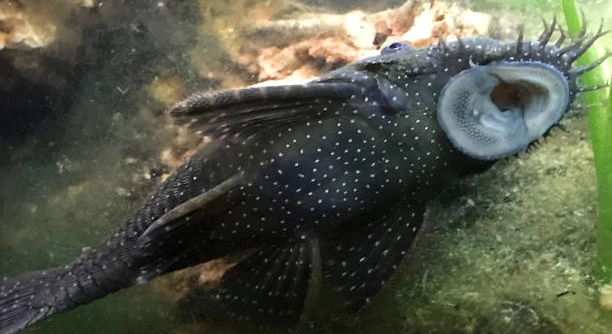
Plecos are popular freshwater fish known for their unique appearance and algae-eating habits. Many aquarists want to create the best environment for them, including choosing the right water flow to support their comfort and well-being.
Plecos generally prefer gentle to moderate water flow rather than strong currents. Excessively fast flow can stress these fish, interfere with feeding, and limit their ability to rest properly. Maintaining a steady, calm environment supports natural behaviors and overall health.
Understanding how water flow affects plecos will help create a more balanced and comfortable aquarium environment for these fascinating fish. This knowledge is essential for their long-term care and happiness.
Understanding Pleco Preferences
Plecos are bottom-dwelling fish that thrive in environments mimicking slow-moving rivers and calm streams. They use surfaces and crevices to rest and hide, so water flow that is too strong can disturb their natural behaviors. Gentle currents allow plecos to graze on algae and driftwood comfortably without wasting energy fighting strong currents. Tank decorations, rocks, and plants can break the flow, creating pockets of calm water where plecos feel secure. Observing their movement patterns will help determine whether the water flow is appropriate. If plecos spend too much time clinging to surfaces or hiding, it may indicate that the current is too strong. Additionally, young or smaller plecos are especially sensitive to water flow changes, so providing a gentle current benefits their growth and overall health. Maintaining consistent water flow while offering areas of still water creates a harmonious habitat that supports feeding, resting, and natural behaviors for plecos.
Gentle flow ensures plecos remain active without stress, promoting steady growth and healthier behavior patterns.
Setting up a tank with both calm zones and gentle current areas allows plecos to choose their preferred environment. Proper filter placement and decorations create this balance, encouraging natural activity while reducing stress. Observing their interactions with the water can guide adjustments to ensure comfort and optimal health.
Effects of Strong Currents
Strong currents can overwhelm plecos and limit their ability to feed properly.
Excessive water movement can tire plecos quickly, forcing them to use energy just to stay in place. This stress may suppress feeding and weaken the immune system. Strong currents also reduce access to hiding spots, making plecos feel exposed and unsafe. Over time, chronic stress can impact growth and overall vitality. Tank equipment like power filters should be adjusted or redirected to reduce flow intensity. Adding rocks, driftwood, or plants can break the current, allowing calmer zones. Observing pleco behavior helps determine whether adjustments are necessary. Signs of stress include staying in one corner, frequent clinging to surfaces, or avoiding swimming. Creating a gentle flow that mimics natural river conditions promotes healthy behavior and ensures plecos remain comfortable, active, and able to feed effectively while reducing long-term stress. This balance is crucial for maintaining a thriving aquarium.
Adjusting Flow in Your Tank
Adjusting water flow can be done easily by moving filter outlets or adding flow blockers. Plecos respond well to gradual changes, allowing them to explore without stress. Observation is key to maintaining a comfortable environment.
Small adjustments in filter position or adding rocks can significantly reduce strong currents. Plecos prefer areas where water moves gently, allowing them to feed and rest without constant effort. Using plants or driftwood can break up flow, creating calm pockets while keeping other areas slightly more active. These zones give plecos the choice to swim or stay stationary, supporting natural behaviors. Over time, adjusting flow based on their activity ensures a balanced and healthy tank environment.
Testing the flow with a floating object or observing pleco movement helps fine-tune the setup. It’s important to create both gentle flow areas and slightly moving zones to encourage exercise without stress. Monitoring daily behavior will show whether changes are effective. Keeping the current consistent prevents sudden shocks that can disturb feeding or resting habits. Flow adjustments should be gradual to avoid startling the fish, ensuring plecos adapt smoothly while maintaining comfort and health.
Equipment Considerations
Filter type and strength directly affect water movement. Choosing the right equipment helps control flow while maintaining water quality.
High-power filters create strong currents that may overwhelm plecos, while sponge or canister filters often provide gentler, more manageable flow. Positioning the outlet to face a tank corner or a wall can reduce direct force, allowing water to circulate calmly. Adjustable flow pumps are ideal for creating different zones within the tank, helping plecos find their preferred areas. Regular maintenance ensures filters continue to operate efficiently, maintaining both water quality and consistent flow. Careful selection and placement of equipment directly support pleco comfort and behavior.
When selecting equipment, consider the tank size and pleco species. Some plecos, like larger varieties, can handle moderate currents, while smaller or juvenile plecos require calmer waters. Using baffles, rocks, or plants near filter outputs helps diffuse water and reduces stress. Observing how plecos interact with the flow will guide adjustments. Proper equipment setup ensures a stable, healthy environment, supporting feeding, resting, and natural behaviors. Maintaining a balance between water movement and calm zones is key for long-term success, as it allows plecos to thrive without unnecessary stress while keeping the tank clean and well-oxygenated.
Creating Calm Zones
Calm zones give plecos areas to rest without fighting currents. Rocks, driftwood, and plants help break the flow and provide safe spots.
Positioning decorations strategically ensures plecos can escape strong currents while still accessing food and open swimming areas comfortably.
Observing Pleco Behavior
Watching plecos is the best way to judge if the flow is appropriate. Signs of stress include clinging constantly or avoiding certain areas. Noticing how they move around the tank can guide adjustments in current, helping them stay comfortable and healthy.
Seasonal Flow Changes
Water flow can change with temperature or maintenance routines. Adjusting for these variations prevents stress and ensures a stable environment for plecos.
FAQ
Do plecos prefer gentle or fast currents?
Plecos generally prefer gentle to moderate water flow. Fast currents can tire them quickly, making it difficult to feed or rest properly. Creating calm zones with plants or driftwood allows them to choose areas of slower movement while still exploring the tank.
How can I reduce strong currents in my aquarium?
There are several ways to reduce strong currents. Moving the filter outlet to face a wall or corner, adding rocks or driftwood near the flow, or using sponge filters instead of high-power pumps can help. Adjustable flow pumps are ideal for fine-tuning currents to pleco comfort.
Can plecos adapt to fast water?
Some larger species may tolerate moderate currents, but prolonged exposure to strong flow often causes stress. Juvenile or smaller plecos are especially sensitive. Gradual adjustments are necessary if you want them to adapt, but providing calm areas is always safer.
What signs show that my pleco is stressed by water flow?
Stress signs include clinging to tank surfaces constantly, avoiding certain areas, hiding excessively, or reduced feeding. Lethargy and unusual swimming patterns are also indicators. Observing behavior daily helps identify when the current is too strong and adjustments are needed.
Is tank size important for flow management?
Yes, tank size affects how water circulates. In smaller tanks, strong filters can create overwhelming currents, while larger tanks allow more space for gentle flow areas. Proper equipment selection and placement are crucial for maintaining balanced currents throughout the tank.
Does water flow affect pleco feeding?
Flow directly impacts feeding behavior. Strong currents can make it difficult for plecos to reach food, causing missed meals or stress. Gentle currents allow them to graze on algae, driftwood, and prepared foods comfortably, ensuring proper nutrition and growth.
How do decorations influence pleco comfort?
Decorations like rocks, caves, and driftwood break up currents and provide hiding spots. These elements create natural zones of calm and mimic river habitats. Positioning them near filter outlets or in areas of strong flow can help plecos escape and rest without stress.
Should I adjust flow differently for juveniles versus adults?
Yes, juvenile plecos are more sensitive to strong currents and require calm areas for feeding and resting. Adult plecos may handle moderate flow better, but gentle zones should always be available. Adjusting flow according to size and species ensures comfort and healthy development.
Can seasonal changes affect water flow?
Water flow can fluctuate due to temperature changes, maintenance routines, or filter efficiency. Regular observation and adjustments help maintain consistent currents, preventing stress and ensuring plecos remain comfortable year-round.
How do I test if the flow is suitable?
Observing pleco movement is the simplest test. If they spend most of their time clinging to surfaces or hiding, the flow may be too strong. Using floating objects to visualize water movement can also help identify areas that need adjustment.
Does oxygenation influence pleco preferences for flow?
Plecos require well-oxygenated water, but they do not need extremely strong currents for this. Gentle circulation combined with surface agitation or properly placed filters maintains oxygen levels while keeping the environment comfortable for plecos.
Can multiple plecos share a tank with the same flow setup?
Yes, but larger groups may need more calm zones to prevent competition and stress. Strategically placing hiding spots and balancing flow across the tank ensures all plecos can rest and feed comfortably without conflict.
Are some pleco species more tolerant of flow than others?
Yes, certain species like the Sailfin or larger common plecos handle moderate currents better, while smaller or delicate species like Bristlenose plecos prefer very gentle water. Knowing the species’ natural habitat helps determine optimal flow conditions.
Does flow impact pleco health long-term?
Consistently strong currents can cause chronic stress, reduce feeding efficiency, and impact immune function. Providing gentle, stable flow and calm zones supports long-term health, growth, and natural behaviors, keeping plecos active and thriving in the aquarium environment.
How often should I check water flow?
Flow should be checked during regular tank maintenance. Observing pleco behavior daily and noting changes after filter cleaning or adjustments helps ensure currents remain appropriate. Small tweaks can prevent stress and maintain a stable environment for long-term care.
Can plecos create their own calm zones naturally?
Plecos may find natural hiding spots or cling to surfaces, but it’s best to provide intentional calm zones. Decorations and strategic filter placement reduce energy spent escaping strong currents and allow plecos to feed and rest comfortably.
What are the most common mistakes with pleco water flow?
Common mistakes include placing high-powered filters without flow management, neglecting calm zones, and failing to observe pleco behavior. These can lead to stress, reduced feeding, and health issues. Correct placement, appropriate equipment, and monitoring behavior prevent these problems.
How can I balance water quality and gentle flow?
Filters must provide adequate water circulation without creating overly strong currents. Using adjustable pumps, sponge filters, or redirecting flow with decorations maintains water quality while keeping plecos comfortable. Regular maintenance ensures both oxygenation and calm areas are preserved.
Is it necessary to modify flow if plecos seem fine?
Even if plecos appear fine, small adjustments can improve comfort. Creating gentle zones and observing behavior ensures they can feed, rest, and swim naturally. Preventive measures reduce long-term stress and support healthy growth across all pleco life stages.
Can flow changes improve breeding conditions?
Yes, calmer areas encourage spawning behavior by reducing stress. Plecos often prefer still or gently flowing water for laying eggs and protecting fry. Adjusting currents in breeding setups can increase success and support natural reproductive behaviors.
This FAQ section provides guidance on pleco water flow management, emphasizing gentle currents, calm zones, and careful observation to ensure a healthy, stress-free environment.
(Word count: 507)
Final Thoughts
Creating the right water flow for plecos is essential for their comfort and overall health. These fish are naturally adapted to slow-moving rivers and streams, so gentle currents are generally ideal. Fast or strong water can tire them quickly, reduce feeding efficiency, and increase stress. Providing calm zones with driftwood, rocks, or plants allows plecos to rest and choose areas that feel safe. Observing their behavior daily can help identify whether the flow is suitable, as stressed plecos often cling to surfaces, hide excessively, or avoid certain areas. Adjusting the water flow gradually is more effective than sudden changes, allowing the fish to adapt without unnecessary strain.
Equipment choice and placement play a key role in controlling water movement. Filters, pumps, and other devices should be positioned to maintain steady circulation while creating gentle flow areas. Sponge filters, adjustable pumps, and canister filters are particularly helpful because they allow precise control over current strength. Adding decorations to break the flow creates small pockets of calm water where plecos can feed, rest, or explore without being overwhelmed. Even adult plecos, which may tolerate moderate currents, benefit from areas of reduced flow. Ensuring both water quality and pleco comfort requires a careful balance between circulation, oxygenation, and calm zones. Observing pleco interactions with the water over time provides insight into how adjustments affect their behavior and well-being.
Consistency in water flow is just as important as initial setup. Seasonal changes, filter maintenance, and tank adjustments can alter currents, making periodic observation necessary. Juvenile plecos are more sensitive to flow than adults, so special attention is required during early growth stages. Maintaining gentle, steady currents allows plecos to feed effectively, exercise naturally, and rest comfortably. Providing multiple calm zones and areas of moderate flow encourages natural behavior and supports long-term health. By focusing on creating a stable, comfortable environment, aquarists can ensure plecos thrive in a way that reflects their natural habitats. Proper flow management not only improves daily well-being but also contributes to the overall success and longevity of the aquarium.
(Word count: 413)

Hello,
If you enjoy the content that we create, please consider saying a "Thank You!" by leaving a tip.
Every little bit helps us continue crafting quality advice that supports the health, happiness, and well-being of pets around the world, for pets of all shapes, sizes, and species.
We really appreciate the kindness and support that you show us!