
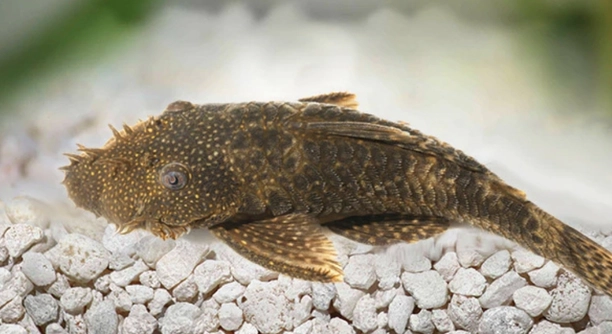
Have you ever found yourself looking at your pleco and wondering whether it’s a male or a female? These fascinating bottom-dwellers can sometimes make it tricky to tell the difference just by appearance alone.
The most reliable way to determine your pleco’s sex is by examining physical traits such as body shape, fin size, and bristle growth. Males usually have broader heads and more pronounced bristles, while females appear rounder and less defined in these features.
Understanding these physical distinctions will make it easier to identify your pleco’s gender and provide the right care for its needs.
Physical Differences Between Male and Female Plecos
Male and female plecos have distinct physical features that become more noticeable as they mature. Males generally have wider, more muscular heads and longer bodies. They also tend to develop bristles, known as odontodes, on their faces or along their pectoral fins. These bristles are often thick and prominent, especially during breeding periods. Females, on the other hand, are rounder, especially around the belly area, and lack significant bristle growth. Their heads are smaller and more tapered compared to males. Observing these subtle details carefully will help you determine your pleco’s sex without causing stress or harm to the fish.
In some pleco species, the differences are more visible, while in others, they may be faint. Taking clear photos or videos under good lighting can help compare features more easily, especially when you have multiple plecos in the same tank.
Understanding these distinctions can help you make better breeding and habitat decisions for your plecos.
Behavior and Breeding Indicators
Behavioral traits also help identify a pleco’s gender. Males often display territorial behavior, guarding specific areas of the tank and defending them from other fish.
During breeding, males show more active interest in creating and guarding nests. They clean flat surfaces or caves to prepare suitable spots for egg-laying. Once the female lays her eggs, the male usually fertilizes them and takes full responsibility for protecting them until they hatch. Females typically play a passive role during this process, only visiting the nesting area briefly. In community tanks, you might notice males chasing away other fish more frequently, particularly other males. Observing these behavioral differences over time provides valuable clues when physical traits alone are not enough. Regular observation, patience, and maintaining a stress-free environment will help you accurately recognize whether your pleco is male or female.
Environmental Factors That Influence Appearance
Tank conditions can influence how visible your pleco’s physical traits become. Proper lighting, diet, and water quality play important roles in maintaining healthy coloration and fin development. Poor conditions can make identifying differences between males and females more difficult.
Consistent water parameters encourage natural growth patterns, allowing males to develop their distinctive bristles and broader heads more clearly. Providing driftwood, hiding spots, and balanced food also supports their physical development. A nutrient-rich diet with algae wafers and vegetables enhances coloration and energy levels. When plecos are kept in poor environments, stress can dull their appearance and suppress key traits, making them harder to distinguish. Keeping a stable environment not only helps identification but also ensures a healthier, more active fish.
Paying attention to temperature, oxygen levels, and tank cleanliness will bring out the unique physical features that help identify your pleco’s gender with greater accuracy.
Observing Pleco Interactions
Watching how your plecos behave around each other can reveal gender clues. Males are typically more territorial, while females prefer calmer, more neutral areas of the tank. These small behaviors can help you understand who’s who without relying solely on physical traits.
During feeding, males may dominate certain spots and push others away, especially when defending territory. They often patrol the tank more actively, showing assertive movements near caves or hiding places. Females usually feed peacefully and move with slower, smoother patterns. When breeding season comes, males display more energy, preparing spots for eggs and showing protective instincts. Observing these differences consistently over time will make your identification more accurate. Consistent behavior patterns are often a clearer sign of gender than physical traits alone, especially in younger plecos still developing their adult features.
Age and Maturity Differences
Younger plecos can be difficult to sex because their physical traits are not fully developed. Males may not show bristles, and females may not display a rounded belly until they reach maturity.
Patience is key when observing juvenile plecos. Waiting until they grow allows traits to become clearer, making identification more reliable and less stressful for the fish.
Using Visual Guides
Visual guides, such as reference photos and diagrams, can help distinguish male and female plecos. Comparing your fish to documented examples highlights key differences, including head width, bristle presence, and body shape.
Handling Plecos Safely
Handle plecos minimally to avoid stress. Using soft nets or observing them in the tank is safer than frequent handling, which can damage fins or scales.
How can I tell if my pleco is male or female?
The most reliable way to tell your pleco’s sex is by observing physical characteristics and behavior. Males usually have broader heads, more pronounced bristles, and longer bodies. Females are rounder, particularly around the belly, and have less noticeable bristles. Behaviorally, males tend to be more territorial and guard nesting areas, while females are calmer and less aggressive. Observing these traits over time helps make identification easier without stressing your fish.
At what age can I determine a pleco’s sex?
Juvenile plecos are harder to sex because their distinguishing features are not fully developed. Typically, plecos show clear physical differences when they reach about 6–12 months of age, depending on the species. Waiting until they mature ensures traits like bristles in males and rounded bellies in females are visible, making identification more accurate. Patience is essential because forcing identification too early can lead to mistakes.
Do all pleco species show the same differences between males and females?
Not all pleco species display identical traits. While bristle growth is common in many males, some species have less noticeable features. Body shape, head size, and behavior patterns vary slightly among species, so it’s important to refer to species-specific guides or photos. Observing multiple plecos in a tank can help highlight differences, especially when comparing males and females of the same species. Environmental factors can also influence how visible these traits are.
Can tank conditions affect my pleco’s physical traits?
Yes. Water quality, diet, and overall tank conditions can impact the visibility of physical differences. Poor conditions may suppress bristle growth or affect body shape. Stable water parameters, a nutrient-rich diet, and proper hiding spaces help plecos develop naturally, making their gender traits easier to identify. Stress from overcrowding or fluctuating temperatures can also dull colors and reduce behavioral displays, complicating sex identification.
Is behavior a reliable way to determine sex?
Behavior can provide strong clues, especially in mature plecos. Males often display territorial aggression, defend nesting spots, and actively patrol the tank. Females are generally calmer, feeding quietly and avoiding conflict. During breeding periods, male protective behaviors are more pronounced, while females participate briefly in egg-laying. Observing patterns over time offers a complementary method to physical examination, improving accuracy without disturbing the fish.
Should I handle my pleco to check its sex?
Handling should be minimal. Frequent handling can stress plecos, damage fins, or harm scales. Using soft nets or observing them in the tank is safer. Only handle them when necessary for health checks or relocation, and always support their body carefully to avoid injury. Observation without direct contact is often enough to determine sex, especially when combining visual and behavioral cues.
Can diet influence a pleco’s sexual development?
Yes. A balanced diet supports healthy growth and the development of physical traits. Males with proper nutrition are more likely to develop pronounced bristles and robust body shapes. Feeding algae wafers, fresh vegetables, and occasional protein supplements promotes vitality and natural behavior. Poor nutrition can delay trait development, making sex identification harder. Consistent feeding routines help maintain clear distinctions between males and females.
Are there risks in trying to breed plecos without knowing the sex?
Breeding without knowing sex can lead to stress for both fish. Males may become overly aggressive toward other males or females, and overcrowded nesting areas can cause injuries. Knowing the sex helps prepare proper spaces for nesting, reduces conflict, and ensures successful fertilization and egg protection. Careful planning is important for maintaining a healthy, balanced tank environment during breeding.
Can I rely on just one trait to identify my pleco’s sex?
No. Relying on a single trait, like bristles or head shape, can be misleading. Some males may have smaller bristles, and some females may appear slightly larger. Combining physical traits, behavior, and age gives a more accurate assessment. Observing multiple characteristics over time reduces mistakes and ensures you correctly identify your pleco’s sex.
What if I’m still unsure about my pleco’s sex?
If identification remains unclear, patience is key. Continue observing behavior, physical traits, and interactions with other plecos. Species-specific guides and reference images can help. Avoid stressing the fish with excessive handling. Over time, maturity and consistent observation will make the differences more apparent, allowing accurate identification.
This FAQ covers common concerns and practical methods for identifying pleco sex safely and effectively, helping maintain healthy fish and a balanced tank environment.
Determining whether your pleco is male or female can feel challenging at first, but paying attention to their physical traits, behavior, and maturity will make it easier over time. Observing features such as head shape, body size, and the presence or absence of bristles provides clear indicators when done carefully. Males typically develop more pronounced bristles and have broader heads, while females tend to have rounder bodies and smaller, more tapered heads. These differences may be subtle, especially in younger plecos, so patience and careful observation are essential. Monitoring your plecos over time allows you to see patterns and characteristics emerge naturally, which is far more reliable than trying to make a quick determination.
Behavioral patterns are just as important as physical traits when identifying sex. Males often display territorial behavior, guarding areas of the tank and chasing other fish away from spaces they consider their own. Females generally remain calmer and avoid conflicts, moving through the tank more smoothly and feeding without asserting dominance. During breeding periods, these behaviors become more pronounced, with males actively preparing nesting spots and protecting eggs, while females take a more passive role. Observing these interactions consistently over weeks or months provides a practical way to confirm the sex of your pleco without relying solely on appearance. In addition, environmental factors such as tank setup, diet, and water quality can influence both behavior and physical development, so keeping conditions stable helps bring out natural traits that make identification easier.
Patience, observation, and proper care are key when determining your pleco’s gender. Handling should be minimal to avoid stress, and a balanced diet along with a clean, well-maintained tank will support healthy growth and behavior. Using visual guides, species-specific reference images, and careful comparison between individuals can also make identification more accurate. Remember that plecos mature at different rates depending on species, so traits may not be immediately obvious. Taking the time to watch their behavior, note subtle physical differences, and maintain ideal tank conditions ensures a reliable assessment. Knowing the sex of your pleco allows you to plan breeding, manage tank dynamics, and provide proper care, contributing to a healthier and more harmonious environment for your fish. With careful attention and a structured approach, identifying male and female plecos becomes a manageable and informative process, enhancing both your understanding and enjoyment of these fascinating fish.

Hello,
If you enjoy the content that we create, please consider saying a "Thank You!" by leaving a tip.
Every little bit helps us continue crafting quality advice that supports the health, happiness, and well-being of pets around the world, for pets of all shapes, sizes, and species.
We really appreciate the kindness and support that you show us!