
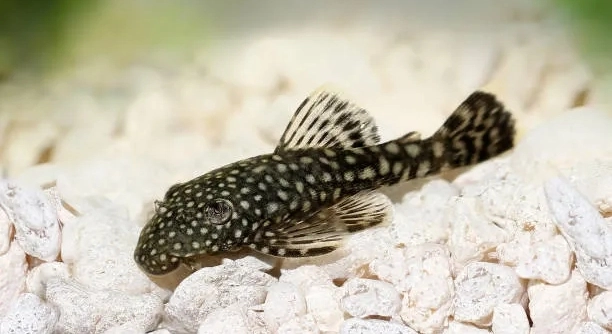
Are your plecos spending more time hiding than swimming around your tank? Many owners notice their plecos tucked away under decorations or in corners, leaving them unsure if their fish is healthy or simply shy in its environment.
Plecos often hide due to stress, unsuitable water conditions, lack of proper hiding spots, diet issues, or natural nocturnal behavior. Understanding these factors can help aquarists create a healthier, more comfortable habitat for their fish.
Knowing why your pleco seeks refuge can improve its well-being. By addressing these common causes, you can foster a more active and thriving aquarium environment.
Stress and Its Impact on Pleco Behavior
Plecos are highly sensitive to their environment, and stress can make them retreat to hiding spots. Sudden changes in water temperature, aggressive tank mates, or loud vibrations near the aquarium can all trigger stress. Even seemingly minor disturbances, such as rearranging decorations, can cause plecos to feel unsafe. Prolonged stress affects their appetite, immunity, and overall activity, often leading to them hiding for extended periods. Observing their behavior closely can help identify patterns related to stress, allowing adjustments to the tank environment to reduce anxiety. Providing calm, stable conditions with minimal disturbances helps plecos feel secure. Stress reduction is key to encouraging them to explore more of the tank and engage with their surroundings. Over time, a well-managed habitat allows plecos to maintain natural behaviors while minimizing frequent hiding episodes.
Maintaining a calm environment significantly reduces stress, which encourages plecos to be more visible and active in the tank.
Introducing gentle routines and keeping the tank stable can transform your pleco’s behavior, promoting confidence and healthier interactions with its habitat. Consistency in lighting, feeding times, and water parameters helps create a predictable environment. Observing their hiding spots can reveal preferences for certain decorations, hiding structures, or specific areas of the tank. Providing caves, driftwood, and soft substrate can replicate natural habitats and offer safe spaces. Limiting sudden disturbances and minimizing aggressive tank mates will also decrease hiding tendencies. Small, consistent changes in behavior are often positive signs that your pleco is adjusting well. By combining careful observation with gradual adjustments, plecos can feel more comfortable, active, and secure, which directly improves their overall health and enjoyment of the aquarium space.
Water Conditions and Hiding
Plecos are very sensitive to water quality. Poor water parameters can make them retreat, avoiding areas of the tank that feel unsafe.
Maintaining stable pH, temperature, and ammonia levels is essential. Regular testing and partial water changes ensure a safe environment.
Water conditions play a crucial role in pleco behavior. Inconsistent pH, high ammonia, or nitrate levels can lead to stress, illness, and prolonged hiding. Plecos are naturally adapted to specific water ranges, depending on the species, and even small fluctuations can create discomfort. Overcrowding or under-filtration can exacerbate these problems, making certain areas of the tank uninhabitable. Using proper filtration, aeration, and heating equipment ensures consistent water quality, reducing hiding tendencies. Monitoring and adjusting parameters regularly allows plecos to thrive and feel secure in open areas. Clear, clean water promotes natural exploration, feeding, and interaction with tank elements, encouraging a balanced and healthy environment for your fish over time.
Lack of Proper Hiding Spots
Plecos need safe spaces to feel secure. Without caves, driftwood, or other hiding spots, they may hide in corners or under decorations out of discomfort.
Providing natural shelters encourages plecos to explore the tank without fear. Materials like driftwood, PVC pipes, or aquarium-safe caves mimic their natural environment, giving them places to rest, reduce stress, and regulate activity levels. Hiding spots also support territorial behavior and give them options when tankmates become too active. Overcrowding without adequate shelters often causes plecos to stay hidden, limiting their movement and feeding. Observing their preferred locations can help you adjust the tank layout. Proper placement of these shelters ensures they feel safe and encourages more frequent activity, reducing prolonged hiding.
Choosing materials carefully for hiding spots is essential. Soft substrates, smooth decorations, and well-placed shelters improve comfort and prevent injury. Watching how plecos interact with these areas allows adjustments to optimize safety, comfort, and accessibility. By arranging these spots strategically, plecos are more likely to leave corners and explore, creating a more balanced, active tank environment.
Diet and Feeding Habits
A poor diet can make plecos lethargic and more prone to hiding. Feeding nutrient-rich foods supports energy and overall well-being.
Inadequate nutrition or irregular feeding schedules often causes plecos to retreat. Providing balanced algae wafers, vegetables, and occasional protein sources ensures they receive essential nutrients. Watching feeding behavior can reveal if a pleco is eating enough or avoiding certain foods.
Ensuring a proper diet supports natural activity patterns. Plecos that receive insufficient nutrition may spend more time hiding, conserving energy. Vegetables like zucchini, cucumber, and spinach supplement algae wafers and stimulate exploration. Protein from occasional shrimp or bloodworms encourages healthy growth and strengthens immune function. Monitoring how plecos interact with their food helps identify preferences, making feeding more effective. A consistent feeding routine also reduces stress and promotes confidence, encouraging them to be more visible while maintaining energy for daily activity and tank interactions.
Nocturnal Nature
Plecos are naturally nocturnal, meaning they are most active at night. During the day, they often hide to rest and feel safe.
Understanding this behavior helps explain why your pleco disappears during daylight hours. Nighttime activity is normal and does not indicate a problem.
Aggressive Tank Mates
Aggressive or territorial fish can force plecos into hiding. Plecos retreat to avoid conflicts and protect themselves.
Monitoring interactions between species is important. Providing enough space and hiding spots minimizes stress from aggression, allowing plecos to feel more secure.
Tank Size and Space
A small or overcrowded tank can increase hiding behavior. Limited space prevents plecos from exploring freely.
Providing an adequately sized tank with room for swimming, hiding, and feeding improves comfort. Plecos thrive when they have enough space to establish territories and move without feeling threatened.
Why is my pleco always hiding in one spot?
Plecos often pick a favorite hiding spot where they feel safest. This behavior is normal, especially if the area mimics natural shelter, like caves, driftwood, or dense plants. Repeatedly using the same spot helps them feel secure and reduces stress from unfamiliar surroundings.
How can I encourage my pleco to explore more of the tank?
Creating multiple hiding spots throughout the tank allows plecos to move between safe areas without feeling threatened. Adjust lighting to mimic natural day-night cycles, and maintain stable water parameters. Offering varied food in different areas can also motivate them to explore while feeling safe.
Is it normal for plecos to hide most of the day?
Yes, plecos are largely nocturnal. During daylight, they rest and remain hidden, which is a natural behavior. Observing them at night usually reveals increased activity as they swim, forage, and interact with their environment.
Can water quality affect my pleco’s hiding habits?
Absolutely. Poor water conditions, such as high ammonia or nitrate levels, fluctuating pH, or incorrect temperature, stress plecos and increase hiding. Regular water testing and partial water changes are crucial to keep them healthy and confident in exploring open areas.
Do plecos need hiding spots even in large tanks?
Yes, even in spacious tanks, plecos benefit from hiding places. Adequate shelters replicate natural habitats, reduce stress, and allow them to retreat when feeling threatened. A combination of caves, driftwood, and plants provides choices and encourages natural behaviors.
Can diet influence hiding behavior?
Diet affects energy levels and activity. Plecos that receive insufficient nutrients may remain hidden to conserve energy. Offering a balanced diet of algae wafers, vegetables, and occasional protein promotes activity, encourages foraging, and reduces prolonged hiding.
How do tank mates affect pleco hiding?
Aggressive or territorial tank mates can cause plecos to retreat frequently. Observing interactions and ensuring compatible species helps reduce stress. Strategically placed hiding spots allow plecos to escape conflict while maintaining a sense of safety.
Does lighting impact pleco activity?
Yes, plecos are sensitive to light. Bright lights may cause them to hide during the day. Using subdued lighting or floating plants provides shaded areas, helping them feel secure while encouraging gradual exploration.
What signs indicate my pleco is hiding due to stress or illness?
If hiding is accompanied by loss of appetite, unusual swimming patterns, or clamped fins, stress or illness may be involved. Regular observation, water testing, and prompt intervention help prevent health issues and ensure a safer, more comfortable environment.
Are there ways to make plecos more comfortable outside their hiding spots?
Yes, providing consistent routines, stable water conditions, and accessible hiding spots throughout the tank helps plecos gradually feel safe in open areas. Minimal disturbances, regular feeding, and adequate space also encourage them to explore while maintaining security.
How often should I check water parameters to prevent hiding due to poor conditions?
Weekly monitoring of pH, ammonia, nitrate, and temperature is ideal. Maintaining stable parameters ensures plecos remain comfortable and confident in their tank environment, reducing hiding tendencies and promoting overall health.
Do plecos interact with tank decorations or plants while hiding?
Yes, they often use plants, driftwood, or rocks as partial cover while resting. Observing these interactions helps identify preferences for shelter type, placement, and tank layout to improve comfort and reduce excessive hiding.
Can plecos become less shy over time?
With stable water conditions, consistent feeding, and safe hiding spots, plecos may gradually explore more. Patience is key, as they adjust at their own pace. Encouraging natural behaviors without forcing interaction promotes confidence and reduces constant hiding.
Is hiding behavior the same across all pleco species?
Hiding tendencies vary by species. Some plecos are naturally more secretive, while others are slightly more active during the day. Researching the specific species’ behavior and habitat preferences helps provide an appropriate tank environment.
Can overcrowding cause my pleco to hide more?
Yes, overcrowding limits territory and creates stress. Plecos need space to establish personal areas and navigate freely. Ensuring adequate tank size and limiting the number of fish reduces hiding caused by territorial pressure.
How do I know if my pleco’s hiding is excessive?
Hiding is excessive if it interferes with feeding, movement, or normal behavior patterns. Consistent observation, noting changes in activity, and checking water quality help determine whether intervention is needed to address stress or illness.
Do plecos prefer specific tank areas to hide?
They often choose shaded corners, under driftwood, or behind decorations. These areas provide security and shelter from light or perceived threats, allowing them to maintain comfort while resting during the day.
Can adding plants reduce hiding behavior?
Yes, plants provide natural cover and mimic their native environment. They help plecos feel safe while allowing them to explore gradually. Dense or tall plants can reduce stress and encourage activity throughout the tank.
Are there behavioral signs that a pleco is comfortable outside hiding spots?
Active swimming, foraging, and interaction with tank elements indicate comfort. Gradual exploration and confident movement suggest your pleco feels safe and is adjusting well to its environment.
Should I move hiding spots if my pleco ignores them?
Yes, plecos may prefer certain locations over others. Adjusting placement or adding different materials like caves or driftwood can encourage use. Observing interactions helps determine which spots make them feel secure while promoting activity.
Final Thoughts
Understanding why your pleco hides is essential for maintaining both its comfort and overall health. Hiding is not always a negative behavior—it often reflects the pleco’s natural instincts and need for security. These fish spend much of their time in shaded areas, resting under rocks or driftwood in the wild. When kept in an aquarium, they seek similar protection, especially when lights are bright or when they feel threatened. By learning to interpret their behavior, aquarium owners can better meet their pleco’s physical and emotional needs. Stability, space, and a peaceful environment allow these fish to express natural behaviors without unnecessary stress. Taking time to observe them closely helps identify what influences their comfort level and activity patterns.
Creating a safe and balanced habitat is the best way to reduce excessive hiding. A properly sized tank with enough hiding places, smooth surfaces, and stable water conditions supports healthy movement and confidence. Regular maintenance and routine water checks prevent fluctuations that might cause anxiety. Lighting also plays a significant role—dimmer lights or areas of shade encourage plecos to venture out more frequently. A varied diet keeps them strong and active, promoting natural grazing behavior instead of constant retreat. Aggressive tank mates should be avoided, as they can easily intimidate plecos into long periods of hiding. When each environmental factor is managed carefully, plecos tend to display a mix of hiding and exploring that mirrors their normal lifestyle. Consistency and observation are key to helping them adapt comfortably to their surroundings.
Patience is equally important when caring for plecos. It takes time for them to build trust and adjust to a new tank. Once they feel secure, they often become more active and visible, especially during feeding times or in dim lighting. Watching a pleco confidently explore its tank is a rewarding sign that its needs are being met. Every pleco has a unique personality—some remain shy while others become more adventurous. The goal is not to eliminate hiding but to ensure it is balanced with natural, healthy activity. When proper care, diet, and environmental stability are maintained, plecos can live long, healthy lives. Their quiet behavior and calm presence bring balance to an aquarium, making them both fascinating and beneficial members of any aquatic setup.

Hello,
If you enjoy the content that we create, please consider saying a "Thank You!" by leaving a tip.
Every little bit helps us continue crafting quality advice that supports the health, happiness, and well-being of pets around the world, for pets of all shapes, sizes, and species.
We really appreciate the kindness and support that you show us!