
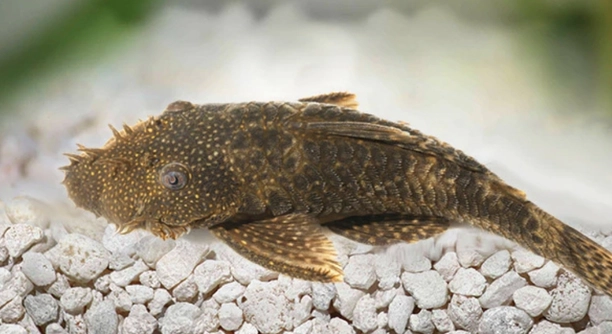
Have you ever noticed your pleco busily cleaning your aquarium glass and decorations, making you wonder if it’s taking care of all the algae in the tank?
Plecos do not eat all the algae in the tank. While they are efficient cleaners, their diet and feeding habits vary by species. Some types prefer specific algae, while others rely more on driftwood, vegetables, or prepared foods.
Learning which algae your pleco actually eats helps you maintain a cleaner tank and support your fish’s health and overall well-being.
Understanding a Pleco’s Eating Habits
Plecos are often seen as natural cleaners, but their eating habits are more selective than most people realize. While many enjoy grazing on algae, not all species feed the same way or prefer the same types. Some plecos focus on soft green algae, while others ignore it entirely. Certain species even rely more on driftwood, vegetables, or algae wafers to meet their nutritional needs. The type of pleco, tank size, and available food all influence how much algae gets eaten. Understanding these factors can prevent disappointment when you expect your pleco to handle all the cleaning duties in the aquarium.
Even though plecos are helpful, they should not be your tank’s only cleaning solution. They can make a noticeable difference, but consistent maintenance and balanced feeding are essential for keeping algae levels under control.
A well-fed pleco stays healthier and performs better at maintaining your tank’s appearance. Keeping the tank clean through water changes, filtration, and balanced feeding supports both the fish and the ecosystem. It’s about creating balance, not relying on one species to do all the work. Observing your pleco’s behavior also helps you notice when it’s hungry or ignoring certain areas, guiding you to adjust your feeding routine accordingly.
How to Keep Algae Under Control
Relying on a pleco alone for algae control often leads to frustration. Even active eaters can’t eliminate every patch of algae, especially in bright or nutrient-rich tanks. Regular tank care remains the best way to manage growth.
To effectively reduce algae, combine your pleco’s natural cleaning with good aquarium habits. Control light exposure by limiting the number of hours the tank light stays on. Perform regular water changes to remove excess nutrients that encourage algae to thrive. Avoid overfeeding, as leftover food increases organic waste. Introducing live plants can also help, as they compete with algae for nutrients. If certain surfaces still collect growth, gently clean them using an algae scraper or sponge. Maintaining a balanced tank environment benefits every fish inside, including your pleco. Over time, you’ll notice that consistent care and a varied approach lead to a cleaner, more stable, and visually appealing aquarium.
Choosing the Right Pleco for Your Tank
Different pleco species have unique preferences and care requirements. Some grow very large, while others remain small and manageable. Choosing the right one depends on your tank size, setup, and how much algae control you actually need.
Smaller species like the Bristlenose Pleco are great for most home aquariums. They stay active, eat a variety of algae, and rarely outgrow moderate-sized tanks. Larger species, such as the Common Pleco, can quickly exceed expectations, reaching over a foot long and producing significant waste. These fish need large tanks and proper filtration. Before adding any pleco, it’s important to research its adult size, diet, and behavior. A mismatched fish can struggle to thrive or even disturb other tank mates, especially in smaller spaces.
Once you find the right pleco, make sure to give it the right environment. Include hiding spots, driftwood, and smooth rocks for natural grazing. Keep the water clean and provide vegetables or algae wafers to balance its diet. Feeding variety not only supports growth but also prevents your pleco from stripping live plants or decorations out of hunger. Observing how it eats helps you adjust feeding amounts and maintain harmony in your tank.
Common Mistakes When Relying on Plecos
Many aquarists assume plecos can survive only on algae, leading to underfeeding and poor health. This belief often causes the fish to become thin or start eating plants and tank decor in search of nutrition.
Feeding a pleco only algae neglects its full dietary needs. In nature, plecos graze on a mix of algae, wood, and plant matter. Some species even eat small insects or detritus. Without proper nutrition, their colors fade and activity decreases. To avoid this, offer fresh vegetables like zucchini or cucumber slices and algae wafers. Rotate these foods every few days and remove leftovers to prevent tank pollution. Maintaining a balanced diet ensures your pleco stays healthy, grows properly, and continues contributing to a cleaner, well-balanced aquarium.
Tank Conditions That Affect Algae
Water quality and lighting greatly influence algae growth. High nutrient levels, excessive light, and irregular maintenance encourage algae to multiply faster than a pleco can eat.
Temperature also plays a role. Warmer water can accelerate algae growth, while unstable conditions stress plecos, reducing their grazing activity and overall health.
Feeding Tips for Plecos
Offer a mix of algae wafers, vegetables, and occasional protein supplements to meet nutritional needs. Feeding at consistent times helps maintain their health and encourages regular grazing. Avoid overfeeding to prevent leftover food from increasing algae problems or polluting the water.
Signs Your Pleco Needs More Care
A pleco that hides excessively, loses weight, or ignores algae may need diet adjustments or better tank conditions. Monitoring behavior helps prevent health issues before they become serious.
FAQ
Do plecos eat all types of algae?
No, plecos do not eat all types of algae. Most species prefer soft green algae but will often ignore brown algae or tough red algae. Some plecos may nibble at harder algae if other food is scarce, but relying solely on them for complete algae control is unrealistic. Different species have different preferences, so knowing the type of pleco you have helps set proper expectations. Providing supplemental foods like algae wafers or vegetables ensures they stay healthy while still grazing on available algae.
How often should I feed my pleco?
Plecos benefit from feeding once daily, though some species can graze on algae continuously. Offering a small portion of algae wafers or vegetables in addition to natural grazing helps maintain proper nutrition. Overfeeding can pollute the tank, so only provide as much food as they can finish in a few hours. Observing their eating behavior helps determine if adjustments are needed. Providing variety in the diet encourages healthy growth and reduces the likelihood that your pleco will eat live plants or decorations out of hunger.
Will a pleco keep my tank completely clean?
No, plecos alone cannot keep a tank completely clean. They remove some algae from surfaces, but other maintenance like water changes, scraping glass, and filter upkeep is still essential. Relying entirely on a pleco can lead to excessive algae growth if tank conditions favor it. Plecos help reduce algae levels but are not a replacement for regular tank care. A balanced approach combining a clean tank, proper feeding, and the presence of a pleco produces the best results for a visually appealing and healthy aquarium.
Can plecos damage plants or decorations?
Yes, plecos may sometimes damage plants or decorations, especially if they are hungry or lack sufficient nutrition. Softer plants may get nibbled, and decorations can show scraping marks. Ensuring a varied diet with vegetables, algae wafers, and occasional protein supplements reduces the likelihood of this behavior. Providing driftwood and smooth rocks gives them natural grazing surfaces to occupy them and prevent unnecessary damage to live plants or décor in the tank. Monitoring your pleco’s activity helps catch potential problems early.
What is the best way to support a pleco’s health?
Maintaining stable water conditions, providing a balanced diet, and offering hiding spots are key to a healthy pleco. Regular water changes, proper filtration, and controlled light exposure prevent algae overgrowth and stress. Including driftwood or smooth rocks encourages natural grazing and gives the fish a sense of security. Monitoring behavior, appetite, and weight allows early detection of health issues. Supporting your pleco in this way ensures it thrives in the tank and continues to contribute to maintaining cleaner surfaces without risking its well-being.
How do I know if my pleco is eating enough algae?
Signs of adequate algae consumption include consistent activity on tank surfaces, bright coloration, and stable weight. If your pleco ignores algae or seems lethargic, it may need supplemental feeding. Offering vegetables, algae wafers, or occasional protein sources helps meet nutritional requirements. Observing grazing patterns daily allows you to adjust feeding portions or tank maintenance, ensuring your pleco receives enough food without overfeeding, which could harm water quality. Tracking these behaviors ensures your pleco remains healthy while contributing to algae management.
Can plecos live in tanks with little algae?
Yes, plecos can live in tanks with little algae as long as they receive supplemental food. Relying solely on natural algae may starve them if the tank is very clean. Feeding vegetables, algae wafers, or other prepared foods maintains health and prevents destructive grazing behavior. Even in low-algae tanks, plecos will explore surfaces and may nibble at minimal algae while primarily depending on provided foods. Proper care and attention to their dietary needs are essential when algae levels are insufficient for natural grazing.
Do all plecos grow the same size?
No, pleco sizes vary widely by species. Small species like Bristlenose Plecos typically remain under six inches, while larger species like Common Plecos can exceed a foot in length. Knowing the adult size of your species helps plan tank space, filtration, and diet. Overcrowding or housing a large pleco in a small tank can lead to stress, poor health, and increased algae growth due to waste accumulation. Providing an appropriately sized tank ensures your pleco thrives and continues grazing without negatively impacting other tank inhabitants.
How can I reduce algae while keeping my pleco healthy?
Combine regular water changes, controlled lighting, proper filtration, and supplemental feeding. Plecos help reduce algae, but balance is crucial. Avoid overfeeding, remove excess waste, and rotate vegetables or algae wafers to provide proper nutrition. Including live plants competes with algae for nutrients and stabilizes the ecosystem. This approach reduces excessive growth while supporting the pleco’s health, ensuring both a cleaner tank and a content, active fish. Monitoring water parameters and observing behavior allows adjustments before algae or health problems escalate.
What vegetables are safe for plecos?
Safe vegetables include zucchini, cucumber, spinach, and peas. Blanching vegetables softens them, making it easier for plecos to eat. Rotate offerings to maintain variety and prevent deficiencies. Remove uneaten portions promptly to avoid polluting the tank. Providing these vegetables supplements natural grazing and ensures your pleco receives a balanced diet, helping it stay healthy and active while contributing to algae control. Observing eating habits allows you to tailor portions and types to match your pleco’s preferences.
How long can a pleco survive without algae?
A pleco can survive without algae if given supplemental food, though long-term reliance on only processed or prepared foods is not ideal. Vegetables, algae wafers, and occasional protein sources keep it nourished. Monitoring their health, appetite, and activity ensures they remain healthy despite low algae availability. Consistent care prevents stress and malnutrition while maintaining their natural grazing instincts and activity in the tank.
Are plecos nocturnal?
Most plecos are nocturnal, meaning they are more active at night. Daytime activity is usually limited to grazing or exploring surfaces. Understanding this behavior helps explain why some algae patches remain untouched during the day. Feeding in the evening or after lights dim encourages natural feeding habits and reduces stress. Nocturnal behavior also explains why observation during the day might make it seem like they are not eating enough, while they are active and grazing under low light conditions.
Can plecos be kept with other fish?
Yes, most plecos are peaceful and compatible with community fish. Territorial disputes can occur between plecos, particularly larger species or males during breeding. Providing hiding spots, driftwood, and ample space reduces stress. Monitor interactions initially to ensure harmony. Pairing plecos with compatible species ensures tank balance while allowing the pleco to graze naturally without aggression or competition impacting other fish. Choosing species with similar water parameters helps maintain overall tank health and stability.
This FAQ provides clear guidance on pleco care, diet, behavior, and algae management, supporting both the fish’s health and a cleaner, balanced aquarium environment.
Word count: 524
Final Thoughts
Plecos are often seen as natural cleaners for aquariums, but it’s important to understand their limits and needs. While they do eat algae, they cannot remove every patch in a tank, and their dietary needs go beyond grazing. Each species has different preferences and sizes, which affects how much algae they will actually consume. Smaller plecos, like Bristlenose, are more manageable in home aquariums and will graze consistently, whereas larger species, such as Common Plecos, can grow very large and require much more space and care. Recognizing these differences helps avoid frustration and ensures that your tank remains healthy for all inhabitants. Relying solely on a pleco to clean the tank is not practical, so consistent maintenance, water changes, and balanced feeding are still essential for keeping algae under control.
Providing a varied diet is key to keeping your pleco healthy. Algae alone is rarely enough, especially in clean tanks with limited growth. Offering vegetables like zucchini, cucumber, or spinach, along with algae wafers and occasional protein sources, helps meet nutritional needs. Observing how your pleco grazes and adjusts to different foods allows you to fine-tune feeding routines. Overfeeding can create water quality problems and encourage algae growth, so it is important to feed only as much as your pleco can consume in a few hours. Supplementing their diet not only supports health and growth but also prevents them from nibbling on plants or decorations out of hunger. Providing driftwood and smooth surfaces for grazing further encourages natural behavior and keeps them active and occupied.
Creating a stable tank environment benefits both your pleco and the aquarium ecosystem as a whole. Water quality, temperature, and lighting all influence algae growth and your pleco’s activity levels. Controlling light exposure, performing regular water changes, and maintaining proper filtration help reduce excessive algae while keeping your pleco comfortable. Hiding spots and natural décor like driftwood give them security and surfaces to graze on, improving their overall well-being. Monitoring behavior, activity, and appetite allows you to detect potential health issues early and adjust care routines. In the end, understanding that plecos are helpful but not complete cleaning solutions allows for realistic expectations and ensures both a healthier fish and a cleaner, more balanced tank.
Word count: 409

Hello,
If you enjoy the content that we create, please consider saying a "Thank You!" by leaving a tip.
Every little bit helps us continue crafting quality advice that supports the health, happiness, and well-being of pets around the world, for pets of all shapes, sizes, and species.
We really appreciate the kindness and support that you show us!