
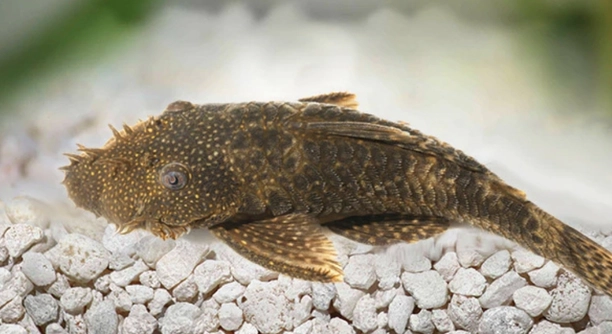
Keeping plecos can be a rewarding experience for aquarium enthusiasts who enjoy watching these fascinating fish. Many new owners, however, struggle with their care and often make simple mistakes without realizing it.
The most common mistakes when keeping plecos involve improper tank size, poor water quality, insufficient hiding spots, inadequate diet, overfeeding, lack of tank maintenance, and neglecting compatibility with other fish. Addressing these issues ensures the health and longevity of plecos.
Learning about these mistakes will help you create a stable environment where your plecos can thrive and develop their natural behaviors safely.
Choosing the Wrong Tank Size
Plecos can grow surprisingly large, and keeping them in a tank that is too small can cause stress and health problems. Many people underestimate their adult size, especially with common species like the common pleco or sailfin pleco. A cramped tank reduces swimming space and can lead to aggression, fin damage, and weakened immune systems. It also makes maintaining water quality more difficult, as smaller volumes of water accumulate waste quickly. Adults often require at least a 75-gallon tank, depending on the species. Additionally, overcrowding with other fish can intensify territorial behavior. It is important to plan for the pleco’s adult size from the beginning. Providing a spacious environment helps them develop natural behaviors, such as grazing on algae and exploring the tank. Hiding spots with driftwood or caves also reduce stress and provide comfort. Taking these steps ensures a healthier, longer life for your pleco.
Proper tank sizing is essential to ensure plecos have enough room to grow and maintain healthy behavior and water quality.
A spacious tank allows plecos to move freely, explore, and interact with their environment naturally, minimizing stress and promoting longevity.
Poor Water Quality
Plecos are sensitive to water conditions, and poor water quality can lead to illness and shortened lifespan. They produce a lot of waste, which raises ammonia and nitrite levels if not monitored. Frequent water changes and proper filtration are critical. Testing water for pH, hardness, and nitrates ensures it stays within a safe range. Using dechlorinated water and cleaning the substrate reduces toxins that harm the fish. Sudden changes in temperature or chemical composition can shock plecos, causing stress or disease. Maintaining a stable environment also supports their feeding habits and natural behaviors. Aquatic plants, driftwood, and a good filtration system help stabilize water chemistry. Even minor neglect, such as skipping a weekly water change, can compound problems over time. Staying consistent with maintenance routines and observing the fish’s behavior helps prevent issues before they escalate. A well-maintained tank leads to healthier plecos and a more enjoyable experience for the owner.
Poor water quality can quickly stress plecos, making maintenance and monitoring essential for their health and comfort.
Inadequate Hiding Spots
Plecos need hiding places to feel secure and reduce stress. Without caves, driftwood, or plants, they may become skittish, hide poorly, or display aggression toward tank mates. Providing proper cover supports their natural behavior and overall well-being.
Driftwood is particularly important for many pleco species because they rasp on it for fiber and nutrients. Caves, PVC pipes, or dense plant areas give them a sense of security. If hiding spots are limited, plecos may spend most of their time in corners, avoiding interaction and reducing their activity levels. Lack of cover can also increase vulnerability to other fish in community tanks, causing stress and potential injury. Regularly inspecting the tank and adding new shelters ensures plecos have choices and feel safe in different areas. It is better to provide more hiding spots than fewer, as plecos may compete for limited cover. This simple step can improve both health and behavior noticeably.
Without hiding spots, plecos are more prone to stress, aggression, and unhealthy behavior, impacting their long-term health.
Improper Diet
Feeding plecos only algae wafers or vegetables limits their nutrition and growth. They require a balanced diet, including fiber from driftwood, protein, and occasional meaty foods.
A proper diet for plecos combines plant matter, such as zucchini, cucumber, or spinach, with algae wafers and sinking pellets. Driftwood is not just decoration—it provides essential fiber for digestion and helps prevent bloating. Some species, like the carnivorous Bristlenose pleco, also benefit from occasional protein sources such as bloodworms or shrimp. Overfeeding can create water quality issues, so meals should be measured and distributed in small portions over the day. Rotating vegetables and including supplements ensures plecos receive vitamins and minerals necessary for growth and vitality. Observing their eating habits helps adjust portions and food types for individual needs, preventing nutritional deficiencies. Feeding a varied and balanced diet keeps plecos healthy, active, and resilient against disease.
Proper nutrition is critical for plecos, as diet directly affects growth, behavior, and resistance to stress and illness.
Overfeeding
Overfeeding plecos can quickly pollute the tank, leading to poor water quality and stress. Uneaten food decomposes, raising ammonia and nitrate levels, which harms fish.
Feeding too much also causes obesity and digestive problems. Plecos should only receive what they can eat within a few hours, and excess food must be removed promptly.
Ignoring Tank Maintenance
Neglecting regular tank cleaning allows waste and debris to build up, impacting water quality and pleco health. Filters need checking, substrates vacuuming, and decorations cleaning to prevent harmful bacteria growth.
Incompatible Tank Mates
Plecos can be territorial, especially as they grow. Housing them with aggressive or overly active fish increases stress and injury risk.
Sudden Environmental Changes
Rapid shifts in temperature or water chemistry can shock plecos. Gradual adjustments are necessary to maintain stability and reduce stress.
FAQ
How often should I feed my pleco?
Plecos should be fed once daily, with small amounts that they can finish in a few hours. Overfeeding causes water pollution and digestive problems. Supplement their diet with fresh vegetables like zucchini or cucumber and include driftwood for fiber. Protein snacks can be offered occasionally, depending on the species.
Can plecos live with other fish?
Yes, but it depends on the species and tank setup. Avoid aggressive or overly active fish that may harass plecos. Provide plenty of hiding spots and monitor interactions, especially as plecos grow. Some plecos are more territorial and need more space to reduce conflicts.
How large should my tank be?
Tank size depends on the pleco species. Common plecos may need 75 gallons or more as adults. Smaller species like bristlenose plecos can thrive in 30–50 gallons. Adequate space prevents stress, supports natural behavior, and helps maintain water quality.
How do I maintain water quality?
Regular water changes are essential—about 25% weekly is ideal. Test water parameters frequently for ammonia, nitrites, nitrates, and pH. Use a proper filtration system and remove uneaten food promptly. Driftwood and live plants help stabilize water chemistry naturally. Avoid sudden changes in temperature or chemicals.
Why does my pleco hide so much?
Hiding is normal, but excessive hiding may indicate stress or poor water quality. Ensure there are enough shelters, stable water parameters, and minimal aggression from tank mates. Adjust lighting, add caves, or rearrange decorations to reduce stress.
What should I feed my pleco besides algae wafers?
A balanced diet includes fresh vegetables, driftwood for fiber, and occasional protein treats like bloodworms or shrimp. Rotating food ensures proper nutrition. Avoid overfeeding or offering only one type of food, as this can cause deficiencies and affect their growth.
How often should I clean the tank?
Perform weekly partial water changes and clean the substrate to remove debris. Check filters for clogs or buildup. Decorations and hiding spots may need gentle cleaning every few weeks. Consistent maintenance prevents harmful bacteria growth and keeps plecos healthy.
Why is my pleco growing slowly?
Slow growth is often due to inadequate diet, poor water quality, or insufficient space. Ensure the tank is large enough, provide balanced nutrition, and maintain stable water conditions. Observing feeding habits and tank parameters can help identify and correct growth issues.
Can plecos eat live plants?
Some species nibble on soft plants, but most prefer algae, driftwood, and vegetables. Hardy plants like Java fern or Anubias usually survive pleco grazing. Providing vegetables and driftwood reduces the risk of plant damage while keeping their diet balanced.
How do I know if my pleco is healthy?
A healthy pleco is active at night, has smooth skin, clear eyes, and regular feeding habits. Watch for signs of stress like excessive hiding, clamped fins, or unusual swimming. Maintaining proper tank conditions, diet, and hiding spots ensures long-term health and longevity.
What is the best temperature for plecos?
Most plecos thrive in 72–78°F (22–26°C). Some tropical species may prefer slightly warmer water. Consistency is key; avoid sudden fluctuations, as this stresses the fish and weakens their immune system. Use a reliable heater and thermometer to maintain stability.
Can plecos live without driftwood?
Driftwood provides essential fiber for digestion, especially for herbivorous plecos. Without it, they may develop digestive problems or nutrient deficiencies. Including driftwood in the tank supports both health and natural feeding behavior.
How do I prevent algae overgrowth in the tank?
Algae growth can be managed with proper lighting, limited overfeeding, and routine water changes. Plecos help control algae, but too many nutrients or excessive light can encourage blooms. Balancing tank conditions is key to reducing unwanted algae without harming plecos.
What are signs of stress in plecos?
Stress signs include hiding constantly, rapid breathing, color fading, loss of appetite, and unusual swimming patterns. Stress often results from poor water quality, inadequate hiding spots, or incompatible tank mates. Monitoring behavior and maintaining stable conditions prevents chronic stress.
Can plecos breed in home aquariums?
Some species, like bristlenose plecos, can breed in home tanks if conditions are right. Provide caves for spawning, maintain optimal water quality, and ensure proper diet. Not all species breed readily in captivity, and some require specific water parameters to trigger spawning.
How do I treat common pleco diseases?
Illnesses often stem from poor water conditions or stress. Treat with proper medication depending on the disease, improve water quality, and isolate sick fish if necessary. Preventative care through stable water conditions, balanced diet, and hiding spots reduces the likelihood of disease outbreaks.
Are plecos nocturnal?
Yes, plecos are mostly nocturnal, becoming more active at night. They spend the day hiding in caves or under decorations. Providing a dark or shaded area during the day encourages natural behavior and reduces stress, allowing them to feed and explore safely at night.
Do plecos need companions?
Plecos are generally solitary and do not require companions. Adding multiple plecos can be done if the tank is large enough and each fish has sufficient hiding spots. Monitor interactions to prevent aggression, particularly among territorial species.
How long do plecos live?
Plecos can live 10–15 years on average, with some species reaching over 20 years with proper care. Long-term health depends on diet, tank size, water quality, and environmental stability. Consistent maintenance and attention to their needs extend lifespan and overall well-being.
Can plecos adapt to different water hardness levels?
Most plecos tolerate moderate variations in water hardness, but extreme changes can stress them. It is important to maintain stable parameters and avoid sudden shifts. Testing water regularly ensures plecos remain in a suitable environment for long-term health.
What is the best way to introduce a pleco to a new tank?
Acclimate plecos slowly to new water conditions by floating the bag and gradually adding small amounts of tank water. This reduces shock from temperature or chemical differences. Monitoring behavior after introduction ensures they adjust safely and remain stress-free.
Do plecos require supplements?
Supplements may be needed if vegetables or driftwood do not provide all necessary nutrients. Calcium and trace minerals support growth and digestion. Including varied foods reduces the need for supplements, but they can be helpful for picky eaters or certain species.
How do I prevent my pleco from injuring itself?
Avoid sharp decorations, ensure smooth tank surfaces, and provide plenty of hiding spots. Proper water quality, diet, and compatible tank mates also reduce stress-related injuries. Observing swimming patterns helps catch potential issues early before injuries occur.
What should I do if my pleco stops eating?
Loss of appetite may indicate stress, illness, or poor water conditions. Test water quality, check tank parameters, and offer a variety of foods. Isolation and treatment may be necessary if illness is suspected. Prompt action prevents further health decline.
How can I encourage natural grazing behavior?
Provide algae-coated surfaces, driftwood, and vegetables for plecos to rasp on. Rotating vegetables and cleaning algae sparingly encourages foraging. Mimicking their natural environment supports activity and keeps their diet balanced, promoting digestive health and overall well-being.
Is it okay to keep plecos in a community tank?
Yes, if tank mates are peaceful and the environment offers enough space and hiding spots. Monitor interactions to prevent aggression, especially with territorial species. Providing sufficient room and cover ensures plecos coexist comfortably with other fish.
How can I reduce pleco stress during tank cleaning?
Move them to a temporary container with tank water or provide hiding spots during cleaning. Avoid sudden water changes and minimize disturbance. Gradual maintenance keeps plecos safe and reduces stress, supporting healthy behavior.
Do plecos need a heater in the tank?
Most plecos thrive in stable tropical temperatures around 72–78°F (22–26°C). Use a heater if room temperature fluctuates, as sudden drops can stress them and affect feeding, digestion, and immunity. Maintaining consistent warmth is essential.
Can plecos survive in low-light tanks?
Yes, plecos do not require strong light. Low-light conditions often mimic their natural habitat, reducing stress and encouraging nocturnal activity. Ensure algae growth or supplemental food for grazing in low-light setups.
How often should I check water parameters?
Weekly testing is recommended for ammonia, nitrite, nitrate, pH, and hardness. Frequent monitoring prevents dangerous fluctuations and allows for timely corrections. Consistency ensures a stable, healthy environment for plecos.
What is the best substrate for plecos?
Smooth sand or fine gravel is ideal, preventing injury to their sensitive undersides. Avoid sharp or rough substrates, which can cause abrasions or stress. Substrate choice also impacts tank maintenance and cleanliness.
Can plecos live in brackish water?
Most common plecos are freshwater species. Only specific types tolerate slight brackish conditions. Confirm species requirements before adjusting water salinity to prevent stress or death. Maintaining freshwater conditions is safest for typical plecos.
How do I introduce plecos to plants without damage?
Choose hardy plants and offer vegetables or driftwood to reduce grazing on plants. Secure plants firmly and rotate food sources. This balances nutrition while protecting greenery in the tank.
What causes pleco fin rot?
Fin rot usually results from poor water quality or injuries. Maintaining clean water, proper diet, and stress-free conditions prevents infection. Early treatment with medications and isolation is often necessary to stop the disease from spreading.
Are plecos messy fish?
Yes, plecos produce significant waste, requiring regular water changes and cleaning. Their diet and size contribute to debris, making maintenance essential for healthy water conditions and long-term survival.
How do I know if my pleco is territorial?
Territorial plecos defend hiding spots or driftwood aggressively. Signs include chasing or fin nipping. Providing multiple shelters and monitoring interactions reduces conflict. Recognizing territorial behavior helps prevent injuries and stress in the tank.
What should I do if plecos fight?
Separate aggressive individuals, provide additional hiding spots, or increase tank size. Monitoring interactions ensures conflicts do not escalate. Proper habitat management reduces stress and maintains peaceful coexistence.
Can plecos live alone?
Yes, plecos are solitary and do not need companions. They are content in a well-maintained tank with hiding spots and adequate space. Additional plecos are only necessary for larger tanks and specific breeding setups.
How important is driftwood for plecos?
Driftwood aids digestion, provides hiding spots, and mimics their natural environment. Most plecos benefit from having it in the tank daily. Lack of driftwood can lead to health problems and reduced activity.
Can plecos eat live plants without harm?
Some soft plants may be nibbled, but hardy species like Java fern survive. Providing vegetables and driftwood minimizes plant damage while keeping plecos’ diet balanced and healthy.
What signs indicate pleco illness?
Signs include clamped fins, faded color, lethargy, irregular swimming, or loss of appetite. Prompt water testing and observation help identify causes. Maintaining stable conditions and diet prevents most illnesses and ensures long-term health.
Are plecos sensitive to noise or vibrations?
Plecos can be startled by loud noises or strong vibrations. Keep tanks in stable areas to reduce stress. Minimizing disturbances encourages natural behavior and feeding patterns.
Can plecos live in small tanks temporarily?
Short-term housing in smaller tanks is possible but should not exceed a few weeks. Ensure water quality is monitored closely, and provide hiding spots to reduce stress.
What is the ideal pH for plecos?
Most plecos prefer slightly acidic to neutral water, around 6.5–7.5. Maintaining consistent pH prevents stress and supports overall health, feeding efficiency, and immune function.
How do I introduce plecos to other fish?
Add plecos last to a community tank after others are established. Monitor interactions and provide plenty of hiding spots. Gradual introduction reduces stress and aggression.
Can plecos survive without algae in the tank?
Algae is not strictly necessary if a balanced diet is provided. Supplement vegetables and sinking pellets ensure they receive sufficient nutrients without relying solely on algae growth.
What is the best lighting for plecos?
Low to moderate lighting works best. Bright lights may cause stress. Dim conditions mimic natural habitats and encourage nocturnal activity while supporting algae growth for grazing.
Do plecos need water conditioners?
Yes, conditioners remove chlorine, chloramines, and heavy metals. Using them ensures water safety and reduces stress, supporting healthy gill function and long-term well-being.
How can I prevent pleco boredom?
Add driftwood, caves, plants, and varied surfaces for grazing. Rearrange decorations periodically. Providing environmental enrichment encourages natural behavior and reduces stress.
Can plecos survive in cold water?
Most plecos are tropical and cannot tolerate temperatures below 65°F (18°C). Cold water slows metabolism, weakens immunity, and may be fatal. Stable warm water is essential.
How do I know if my pleco is happy?
Active nocturnal behavior, smooth skin, healthy appetite, and exploration of hiding spots indicate content plecos. Observing their interactions and feeding habits helps gauge overall well-being.
Are plecos compatible with shrimp or snails?
Some plecos ignore shrimp or snails, while others may eat small or slow-moving species. Monitor interactions carefully and provide hiding spots to protect tank mates.
Do plecos need strong filtration?
Yes, plecos produce significant waste. Strong filtration maintains water quality, reduces toxins, and ensures a healthy environment. Regular filter maintenance is equally important.
How do I acclimate plecos to new water chemistry?
Float the bag in the tank and slowly add small amounts of tank water over an hour. Gradual acclimation reduces stress and prevents shock from chemical differences.
Can plecos survive in soft water?
Most plecos tolerate soft water, but extreme softness may require supplements. Maintain stable water parameters to prevent stress and support health.
What is the maximum size for common plecos?
Common plecos can reach 18–24 inches as adults. Tank size and proper care are essential to support growth and prevent stress or deformities.
How do I reduce algae growth while keeping plecos fed?
Limit light exposure, avoid overfeeding, and provide occasional vegetables or algae wafers. Balanced tank maintenance ensures algae control without starving plecos.
Can plecos regenerate fins or tails?
Plecos can heal minor injuries, but severe damage may not fully regenerate. Maintaining water quality and reducing stress supports recovery.
How do I prevent plecos from jumping out?
Use a secure lid or cover. Plecos occasionally leap when startled or exploring. Proper tank setup prevents accidents and injuries.
Are plecos sensitive to salt?
Most freshwater plecos cannot tolerate salt. Even small amounts can cause stress or harm. Only specific species tolerate slight brackish conditions.
Do plecos need night feeding?
They are nocturnal, so feeding in the evening or at night aligns with natural behavior. Small portions prevent waste accumulation while supporting active grazing.
Can plecos survive in tanks with fluctuating temperatures?
Fluctuations stress plecos and can lead to illness. Maintain stable tropical temperatures with a reliable heater for optimal health.
What is the best water hardness for plecos?
Moderate hardness is ideal. Extreme softness or hardness may require adjustments to maintain stability. Regular testing ensures proper conditions.
How do I prevent plecos from fighting over food?
Provide multiple feeding spots, spread food across the tank, and rotate types to reduce competition. Adequate nutrition prevents aggression and stress.
Can plecos recognize their owners?
Plecos may react to regular feeding or movement but do not have the same recognition as other pets. Consistent care builds familiarity, reducing stress.
Do plecos require daily monitoring?
Yes, daily observation of behavior, appetite, and water clarity helps detect problems early. Prompt action prevents serious health issues and maintains a stable environment.
How long can plecos go without food?
Healthy adult plecos can survive several days without food, but prolonged fasting can affect health. Always provide consistent nutrition and monitor their diet carefully.
Can plecos live in a bare-bottom tank?
Yes, bare-bottom tanks simplify cleaning and reduce waste buildup. Ensure hiding spots, driftwood, and sufficient space to maintain natural behavior and reduce stress.
Do plecos need a varied diet?
Yes, variety ensures proper nutrition, supports digestion, and promotes natural behavior. Rotating vegetables, pellets, and protein prevents deficiencies and encourages healthy growth.
How do I treat plecos for internal parasites?
Consult a veterinarian or follow aquarium-specific medication instructions. Ensure quarantine and proper dosing. Maintaining clean water and a balanced diet helps prevent infestations.
What causes plecos to lose color?
Color fading often indicates stress, poor water quality, or illness. Address tank conditions, diet, and environmental factors to restore health and appearance.
Can plecos survive in small, heavily planted tanks?
Yes, if space and hiding spots are adequate. Monitor water quality closely, as dense plants may trap waste. Driftwood and proper filtration support health.
How do I tell if plecos are eating enough?
Observe rasping on driftwood, vegetables, and pellets. Healthy plecos maintain weight, appear active, and show regular feeding behavior. Adjust portions if necessary.
Are plecos sensitive to chemicals?
Yes, chemicals like cleaners or medications for other fish can harm plecos. Always test water and use fish-safe products.
Do plecos need aeration?
Adequate oxygen is necessary. Filters often provide enough circulation, but additional air stones can help in densely stocked tanks or during hot weather.
Can plecos survive in tap water?
Tap water must be treated to remove chlorine, chloramines, and heavy metals. Conditioners make it safe for plecos. Untreated water is harmful.
How do I encourage breeding in plecos?
Provide caves, optimal water quality, balanced diet, and stable conditions. Some species require temperature or pH adjustments to trigger spawning. Monitoring behavior ensures readiness for breeding.
Can plecos eat frozen foods?
Yes, frozen bloodworms, shrimp, or other protein sources supplement their diet. Thaw and rinse before feeding. Frozen foods reduce parasites compared to live prey.
What causes plecos to stop grazing?
Stress, illness, poor water quality, or lack of driftwood can reduce grazing. Adjust conditions, monitor health, and provide proper nutrition to encourage feeding behavior.
Do plecos need weekly observation for health?
Daily quick checks are better than weekly. Observing behavior, appearance, and appetite daily helps catch issues early and maintain a stable environment.
**Can
Keeping plecos can be a very rewarding experience if their needs are properly met. These fish are hardy in the right environment, but they still require careful attention to tank size, water quality, diet, and tank mates. Providing a spacious tank that allows them to grow and swim freely is essential, as many pleco species can reach impressive sizes. Without enough space, they become stressed, which affects both behavior and overall health. Along with space, hiding spots such as driftwood, caves, and plants are critical. These areas help plecos feel secure and reduce stress caused by bright lights, other fish, or disturbances in the tank. Driftwood is especially important, as it provides fiber and nutrients that support healthy digestion.
Water quality is another key factor in maintaining healthy plecos. Because they produce a lot of waste, regular monitoring and cleaning are necessary. Weekly partial water changes, along with checking ammonia, nitrite, and nitrate levels, keep the environment safe. Filtration should be strong enough to handle waste, and decorations or substrates should be cleaned regularly to prevent harmful bacteria from accumulating. Sudden changes in temperature or water chemistry can stress plecos and make them more vulnerable to disease. Keeping conditions stable and consistent allows plecos to eat, graze, and explore their environment naturally. Regular observation of behavior and appetite also helps detect early signs of stress or illness before serious problems develop.
Diet and feeding habits play a large role in pleco health. A balanced diet that includes algae wafers, fresh vegetables, and occasional protein treats ensures proper nutrition. Overfeeding should be avoided, as it can lead to obesity, digestive issues, and water pollution. Some species require driftwood in the tank for fiber, while others benefit from supplemental foods like shrimp or bloodworms. Rotating vegetables and varying food types helps prevent nutrient deficiencies and encourages natural foraging behavior. Paying attention to how much and what plecos are eating can prevent health issues and maintain their energy levels. By combining proper tank setup, consistent maintenance, and a well-rounded diet, plecos can thrive for many years, allowing their natural behaviors and nocturnal activity to flourish. A stable, well-planned environment is the foundation of keeping plecos happy and healthy.

Hello,
If you enjoy the content that we create, please consider saying a "Thank You!" by leaving a tip.
Every little bit helps us continue crafting quality advice that supports the health, happiness, and well-being of pets around the world, for pets of all shapes, sizes, and species.
We really appreciate the kindness and support that you show us!