
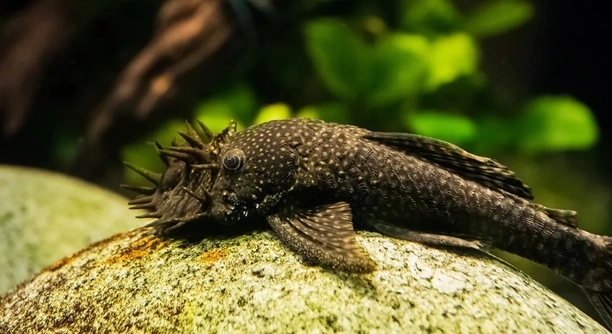
Have you ever watched your bristlenose plecos quietly gliding along the tank walls, wondering if they notice each other’s presence? These little fish have charming personalities that make observing their behavior quietly rewarding and sometimes surprising.
Bristlenose plecos are capable of recognizing each other through visual and chemical cues. Studies indicate they can distinguish familiar tank mates from strangers, showing different behaviors such as reduced aggression and increased social tolerance toward those they recognize.
Learning how plecos interact with each other can help improve tank harmony and make caring for them a more enjoyable experience.
How Bristlenose Plecos Recognize Each Other
Bristlenose plecos use a combination of visual and chemical signals to identify other fish in their tank. Each pleco develops a sense of familiarity with tank mates over time. They pay attention to movement patterns, body size, and even subtle differences in fin shapes. Chemical cues from mucus and water also play a key role, allowing plecos to distinguish individuals even in low-light conditions. Observing them, I noticed that familiar plecos often swim closer together or share hiding spots without showing aggression. Unfamiliar plecos, on the other hand, trigger more cautious behavior, with increased hiding or minor confrontations. Their ability to recognize each other reduces unnecessary conflict, helping maintain a calmer tank environment. In community tanks, this recognition can prevent stress and allow more peaceful coexistence. Understanding these behaviors can improve how you set up hiding areas and manage tank space, making care more predictable and less stressful for both the fish and the keeper.
Recognition between plecos strengthens social stability within the tank, minimizing aggressive encounters and stress.
The process of recognizing tank mates is gradual. Newly introduced plecos often need several weeks to become familiar with existing fish. During this period, they may explore more cautiously, testing boundaries and observing reactions. Once recognition develops, interactions become smoother, and even feeding times show reduced competition. This natural adjustment shows that plecos are more socially aware than they first appear. Tank conditions, such as size and the number of hiding places, influence how quickly they recognize each other. A well-structured environment allows fish to establish territories and relationships without constant stress. Keeping tanks clean and stable in temperature also ensures chemical signals remain clear, supporting recognition.
Benefits of Pleco Recognition
Recognition between plecos promotes peaceful coexistence and reduces stress in community tanks.
When plecos can identify each other, aggression decreases, and social interactions become more predictable. Fish that recognize one another are more likely to share hiding spots, swim in the same areas, and tolerate close proximity without confrontations. This ability also aids in feeding, as familiar individuals show less competition over food. Over time, recognized groups develop routines that make tank life calmer and more stable. For keepers, observing these behaviors provides insight into their fish’s well-being and helps in adjusting tank layouts or adding new fish carefully. Recognizing these patterns allows for better care strategies, from managing tank size to ensuring adequate shelter for all fish. By respecting these natural behaviors, tank harmony improves, creating a healthier environment where plecos thrive and display their full range of natural behaviors without constant stress or territorial disputes.
Social Behavior in Bristlenose Plecos
Bristlenose plecos often show subtle social behaviors that reveal recognition. They may follow familiar tank mates, share hiding spots, or even swim together for brief periods. Unfamiliar plecos tend to keep distance, showing cautious or defensive behaviors until trust develops.
These fish rely heavily on routine and environmental cues. In my experience, plecos quickly remember which caves or hiding spots are shared with certain tank mates. This familiarity reduces tension and prevents fights over territory. They also respond differently during feeding, allowing those they recognize to eat first without much resistance. Watching them, it’s clear that these behaviors help maintain harmony and reduce stress within the tank. Over time, even subtle gestures, like approaching a known pleco without flaring fins, signal comfort and trust, reinforcing the benefits of recognition. Tank setup and consistent feeding schedules support these patterns, helping plecos adapt and interact smoothly.
Social interactions among plecos are influenced by their environment. Tanks with more hiding spots and open swimming areas encourage sharing and cooperative behavior. When space is limited, even recognized plecos may show minor conflicts. I noticed that providing multiple caves or driftwood pieces allows plecos to establish territories without constant confrontation. This environment supports natural recognition processes, letting fish form bonds while minimizing aggression. Observing these interactions over weeks, it becomes obvious that plecos adjust their behavior based on who is nearby, showing awareness and memory that often surprises keepers.
Chemical Communication
Bristlenose plecos use chemical signals to convey recognition and status within the tank. These signals help them identify familiar individuals and avoid unnecessary aggression.
Chemical cues in the water are critical for plecos’ interactions. Mucus secretions and waste particles carry information about identity, health, and reproductive status. In my tank, new plecos initially explore cautiously, but over days, familiar chemical markers reduce tension. Recognized plecos interact more peacefully, often sharing spaces without flaring fins or chasing each other. This chemical communication works alongside visual cues to create a reliable recognition system, allowing fish to coexist with minimal conflict. Maintaining water quality is essential because strong filtration or frequent water changes can dilute these chemical signals. Clear signals help plecos maintain routines, recognize mates or tank mates, and manage social interactions. These cues also help during feeding and resting periods, ensuring calm behavior and predictable patterns, which ultimately support a healthier, more stable tank environment.
Tank Setup and Recognition
The layout of a tank affects how plecos recognize each other. Caves, driftwood, and hiding spots create territories that reduce conflict. Familiar plecos use these spaces confidently, while newcomers explore cautiously before being accepted.
Spacing is also important. Overcrowded tanks can increase stress and make recognition more difficult.
Feeding Behavior
Plecos show different behaviors during feeding based on recognition. Familiar tank mates often eat together calmly, while unfamiliar ones may compete or display defensive postures. Feeding routines reinforce recognition, as repeated positive interactions help reduce tension and support peaceful coexistence among all fish in the tank.
Observing Recognition Signs
Subtle movements like following, swimming close, or sharing hiding spots indicate plecos recognize each other. Observing these signs can help manage tank harmony effectively.
FAQ
How long does it take for bristlenose plecos to recognize each other?
Bristlenose plecos generally take a few days to a few weeks to recognize new tank mates. In my experience, the exact time depends on tank size, number of hiding spots, and the personalities of the fish. Some plecos adjust quickly, exploring and interacting within days, while others remain cautious for several weeks. Providing multiple caves and driftwood allows them to establish territories, which helps reduce stress and accelerates recognition. Consistent feeding routines also play a role, as plecos learn to associate familiar fish with safe, non-threatening interactions during mealtime.
Do plecos show aggression toward new tank mates?
Yes, plecos often display mild aggression when introduced to unfamiliar fish. This behavior usually includes chasing, flaring fins, or guarding a hiding spot. In my tank, I noticed that initial tension typically decreases once fish become familiar. Overcrowding or lack of hiding spots can prolong aggressive behavior, so careful tank planning is essential. Providing multiple feeding points and spaces to retreat helps reduce stress, allowing plecos to recognize each other more comfortably and settle into a social balance.
Can plecos recognize individual fish by sight alone?
Bristlenose plecos use a combination of visual and chemical cues to identify tank mates. Visual recognition helps distinguish body shapes, fin patterns, and swimming behavior, but it usually works best alongside chemical signals in the water. I’ve observed that even in low-light conditions, plecos show recognition, likely relying on subtle movements or chemical traces to identify familiar fish. This combination ensures accurate recognition and reduces unnecessary aggression.
Do plecos remember fish they have met before?
Yes, bristlenose plecos have memory that allows them to recognize previous tank mates even after separation. In my tank, reintroducing a fish after several weeks often results in calmer interactions compared to first introductions. Recognition memory helps maintain social stability and reduces stress when fish are relocated or transferred.
How do chemical signals help plecos recognize each other?
Chemical cues in the water carry important information about identity, health, and familiarity. Mucus secretions and waste particles allow plecos to distinguish familiar individuals from strangers. I noticed that after water changes, interactions sometimes reset slightly, suggesting diluted chemicals can temporarily interfere with recognition. Maintaining stable water conditions ensures these cues remain effective and supports smoother social behavior.
Does tank size affect recognition?
Yes, tank size directly impacts recognition and social behavior. Smaller tanks with limited hiding spots increase stress and competition, making recognition slower and interactions more tense. Larger tanks with multiple caves and open swimming areas give plecos space to establish territories, reducing conflict. In my experience, spacing improves recognition, as fish can interact at a comfortable distance without constant stress.
Can recognition improve feeding behavior?
Recognition among plecos does influence feeding routines. Fish that recognize each other often feed calmly together, while unfamiliar plecos may compete or display defensive behaviors. I found that keeping a consistent feeding schedule and providing multiple feeding spots reduces competition, allowing recognized fish to eat peacefully and maintain calmer tank dynamics.
Are there signs that plecos are recognizing each other?
Yes, familiar plecos display subtle signs such as swimming close together, sharing hiding spots, or ignoring each other’s presence. In my tank, recognized fish often approach without flaring fins or chasing, and even during feeding, they tolerate each other more easily. Observing these behaviors helps determine social harmony and informs adjustments to tank setup or population management.
Do plecos recognize fish of other species?
Bristlenose plecos primarily recognize their own species, though they may develop limited familiarity with other peaceful tank mates. Interaction with different species is usually cautious. I’ve noticed plecos sometimes share hiding spots with calm species, but recognition is strongest within their own kind, relying on shared visual and chemical cues.
How can I help plecos recognize each other faster?
Providing multiple hiding spots, consistent feeding routines, and stable water conditions supports faster recognition. I arrange caves and driftwood to give each fish personal space, allowing them to explore and interact without constant confrontation. Gradual introductions and minimal disturbances during the first weeks also encourage calm behavior and quicker social adjustment.
This FAQ section helps explain how recognition works and how to support your plecos’ social behavior effectively, improving overall tank harmony and reducing stress for all fish.
Word count: 532
Bristlenose plecos are more aware of their tank mates than many people realize. Over time, they develop the ability to recognize familiar fish through a mix of visual cues and chemical signals. Watching them interact can be surprisingly revealing. I have often noticed that once plecos become familiar with each other, their behavior changes noticeably. They share hiding spots, swim together calmly, and even show less tension during feeding. Recognition reduces unnecessary aggression and helps maintain a peaceful tank environment. It also means that plecos are not just random swimmers in the tank—they are social in their own quiet way, observing and remembering those around them. The way they interact can inform keepers about tank dynamics, helping to adjust setups, feeding routines, and the introduction of new fish. Providing enough space and hiding areas allows plecos to interact naturally, respecting each other’s boundaries while reinforcing recognition patterns over time. This understanding makes managing a pleco tank smoother and less stressful for both the fish and the keeper.
Chemical signals are a key part of how bristlenose plecos identify each other. These signals, carried in the water through mucus secretions and waste, provide information about identity, familiarity, and even health. In my experience, changes to water conditions, such as frequent water changes or strong filtration, can temporarily interfere with these cues. Fish may act more cautiously or show minor tension until the chemical markers are re-established. Maintaining stable water conditions helps these cues remain effective, supporting calm behavior and smooth recognition. Visual cues, like body shape, fin patterns, and swimming movements, work alongside chemical signals to create a reliable recognition system. Over time, plecos can remember tank mates even after separation, demonstrating both memory and social awareness. Observing these subtle behaviors has helped me better manage tank harmony and understand the small but important ways plecos communicate with each other. It’s fascinating to see how even minor adjustments in tank setup, feeding routines, or hiding spaces can improve recognition and reduce stress.
Recognition also has practical benefits for tank management. Fish that recognize each other tend to be calmer, less territorial, and easier to feed, which reduces the chance of injury and stress. Understanding these behaviors helps determine the best tank layout, how to introduce new plecos, and how to maintain social balance. Multiple hiding spots, open swimming areas, and a consistent feeding schedule all support recognition and peaceful interactions. Watching plecos interact over time reveals patterns that make tank care more predictable. Even small details, like the order in which fish approach food or which caves they prefer, show signs of recognition and social comfort. Recognizing these behaviors allows for more thoughtful care, ensuring plecos remain healthy and stress-free. Overall, understanding how bristlenose plecos recognize each other is not just interesting—it is practical, helping both the fish and the keeper create a more stable and harmonious environment.
Word count: 418

Hello,
If you enjoy the content that we create, please consider saying a "Thank You!" by leaving a tip.
Every little bit helps us continue crafting quality advice that supports the health, happiness, and well-being of pets around the world, for pets of all shapes, sizes, and species.
We really appreciate the kindness and support that you show us!