
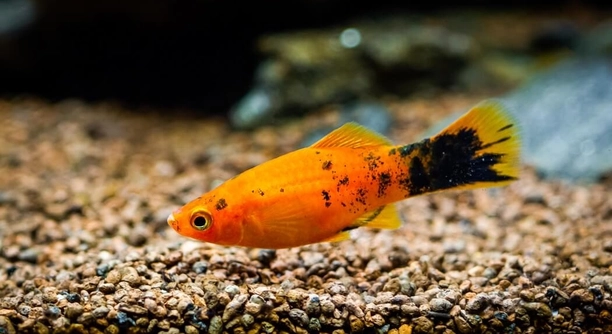
Have you ever sat by your aquarium and felt like your platy fish were watching your every move, almost like they were aware?
Research suggests that platies can exhibit behaviors that imply visual awareness of their surroundings, including noticing movement outside the tank. While not fully proven, some studies point toward limited social and environmental responsiveness in these fish.
Observing these little swimmers can reveal more about how they interact with the world around them, especially when it comes to light, shadows, and changes in their environment.
How Platies React to Movement and Light
Platies are known for their active swimming and playful nature, but they also respond to changes in their environment, especially movement and light. If you approach the tank quickly, they often dart away or change direction. They may even gather at the front of the tank when they see someone walk by, which many people take as a sign that the fish are aware of their presence. This behavior is usually linked to feeding routines, where the fish learn to associate movement outside the tank with food. Their eyes are sensitive to light and motion, helping them detect changes that might suggest a potential threat or something of interest. This doesn’t mean they fully understand what’s happening, but it does show they’re alert and responsive. While this is not the same as complex awareness, it is a simple form of interaction that helps them stay safe and engaged in their surroundings.
These reactions are not random. They are shaped by daily experiences, routines, and instinct.
Over time, platies seem to “learn” who brings them food. They might swim toward familiar figures and ignore others. This learned behavior is one reason people feel watched by their fish. While it’s not true observation in the human sense, it’s still a form of visual recognition. The fish are reacting to patterns—when certain people come near the tank, food follows. They begin to associate a human face or shadow with feeding time. These behaviors can seem like your fish are watching you, but they are more likely responding to repeated actions that have become part of their routine. Scientists don’t believe platies have the brain capacity for real observational thinking, but they do recognize consistency. This is useful for feeding, avoiding danger, and adapting to tank life. Their responses may look like curiosity or awareness, but they’re closer to habit-based reactions that keep them alert and fed.
The Science Behind Fish Awareness
Platies do not have strong memory or reasoning skills like mammals do, but they are far from unresponsive.
Fish scientists have studied how small fish like platies respond to stimuli. Research has shown that many species in the same family, like guppies and mollies, can respond to social cues and basic visual signals. These reactions are often tied to survival instincts, such as knowing when to hide or when food is near. Platies are no exception. They rely on simple but important environmental clues to guide their behavior. While they don’t “know” they are being watched, they do respond to movements that suggest a possible benefit or threat. This is part of how they adapt to their surroundings. If a person regularly feeds them, they may begin to approach the glass when that person is near. It’s not because they recognize the person in a personal way, but because they’ve connected that presence with food. This shows a basic level of environmental awareness.
What Influences Their Behavior
Platies are influenced by daily patterns, tank layout, and how often they interact with people. Consistent feeding times and familiar faces often make them more active when someone approaches the tank.
These small fish are surprisingly good at adapting to routines. If you feed them at the same time each day, they often start gathering at the front of the tank right before that time. They also seem to notice who usually feeds them, reacting more when that person walks by. Changes in lighting, shadows, and hand movements also grab their attention. These things don’t mean they understand what’s happening, but they do help shape their behavior. Environmental changes, such as a new decoration in the tank or a sudden light switch, can also affect how alert or active they are. Over time, their responses may seem more personal, but they’re often tied to habit and basic instincts.
Tank setup also plays a role. If a tank has lots of plants or hiding spots, platies may be less visible or slower to respond to outside movement. In an open tank, they may act more boldly or react more quickly. Their behavior shifts depending on how safe they feel. A calm tank with stable water conditions also encourages them to be more interactive. When stressed by sudden temperature drops or noisy surroundings, they may avoid the glass or hide. These subtle changes are often easy to miss but affect how they behave when someone walks by. Regular care, a balanced diet, and quiet surroundings can make them more comfortable and more likely to show those behaviors that look like they’re watching you.
How to Tell if Your Platies Recognize You
Some platies act differently around certain people. They might swim closer or get more active when their main caregiver is near.
This behavior can feel very personal, especially if you’re the one feeding and caring for them. While they’re not forming deep emotional bonds, they are responding to patterns. Platies can associate your appearance, voice, or routine with food or safety. If you feed them regularly, they’re likely to swim to the top when you walk by or even follow your finger along the glass. These are learned responses rather than signs of emotional attachment. But for many people, it still feels like a real connection. Watching your platies come to greet you day after day is one of the small joys of keeping fish. Their behavior, while simple, is shaped by routine and comfort, and it can create a quiet, pleasant bond between you and your fish.
Signs Your Platies Are Engaged
Platies that swim up to the glass, follow your hand, or become active when you enter the room are showing signs of environmental engagement. These actions are often tied to feeding patterns and familiar routines.
You might also notice them flaring fins, chasing each other, or inspecting new objects in the tank. These small reactions show they’re alert and curious about changes in their space.
What Not to Mistake for Awareness
Sometimes platies react in ways that seem meaningful but are actually instinct-driven. For example, if they suddenly dart away, it’s usually a natural fear response. Quick shadows, loud noises, or sudden movements can cause them to hide or freeze in place. This doesn’t mean they “know” you’re watching them. It’s simply a built-in reaction to possible danger. Misreading these behaviors can lead to the idea that your fish is more aware than it really is. Understanding the difference between instinct and learned response can help you see your platies’ actions more clearly without assuming too much about their awareness.
Why It Still Feels Personal
Even if your platies don’t fully recognize you, the way they respond to your presence can feel meaningful. Their daily patterns and quiet interactions can still create a simple connection.
FAQ
Do platies really know when they are being watched?
Platies don’t have the ability to understand that someone is watching them the way humans do. However, they respond to movement, light, and changes around their tank, which can make it seem like they are aware of being observed. Their behavior is mostly based on instinct and routine rather than conscious recognition.
Why do my platies swim up when I come near the tank?
This is a common behavior linked to feeding times. Platies learn to associate the presence of a person with food. When they see you approach, they often swim to the front of the tank because they expect to be fed soon. This reaction is a conditioned response to repeated experience.
Can platies recognize individual people?
Platies do not have the brain capacity to recognize individual humans like pets such as dogs or cats. They recognize patterns and repeated cues instead—like your shadow, hand movements, or voice tone—that signal feeding or interaction. This limited recognition is more about habit than true identification.
What does it mean when my platies follow my finger on the glass?
When platies follow your finger, they are responding to movement and possibly expecting food. Their natural curiosity and conditioned association with feeding make them investigate anything moving near their environment. This does not mean they understand the finger is part of a person but that it is a stimulus worth attention.
Why do platies sometimes hide when I approach the tank?
Platies have a strong survival instinct. Sudden movements, shadows, or unfamiliar people can startle them. Hiding is a natural response to potential threats. This behavior helps protect them in the wild and continues in captivity. It does not indicate fear of a specific person but a reaction to possible danger.
How can I make my platies more comfortable around me?
Consistency helps platies feel safe. Feeding them at regular times, speaking softly, and moving slowly near the tank can reduce stress. A well-maintained tank with hiding spots and stable water conditions also encourages calm behavior. Over time, your platies will likely become more relaxed and show more interactive behavior.
Are platies intelligent compared to other fish?
Platies have basic cognitive abilities that allow them to learn simple routines and respond to environmental cues. Compared to more complex fish species, their intelligence is limited but sufficient for survival and adapting to tank life. They are more instinct-driven than problem-solving.
Can platies become bored without interaction?
Fish, including platies, can benefit from stimulation. A tank with plants, decorations, and occasional changes can help prevent boredom. Interaction through feeding and presence can also keep them active. While they don’t seek social interaction like mammals, they respond to environmental variety.
Is it harmful to watch platies closely for long periods?
Watching your platies is generally harmless. However, sudden or repeated tapping on the glass or bright lights aimed at the tank can stress the fish. It’s best to observe calmly and avoid actions that might cause alarm. Calm observation encourages natural and relaxed behavior in your fish.
What does it mean if my platies become more active when I am near?
Increased activity near your presence usually signals that your fish associate you with positive experiences like feeding. This response is a form of learned behavior and routine recognition. It’s not an emotional reaction but shows that they notice and react to familiar environmental cues.
Platies are simple creatures with basic ways of reacting to their surroundings. While they don’t truly understand that someone is watching them, they do notice movement, light changes, and familiar patterns. This means that when you approach their tank, their behavior may change in ways that seem like they are aware of you. Most of the time, these reactions come from habit and survival instincts rather than real awareness or recognition. For example, platies often swim to the front of the tank when they see someone because they have learned to expect food. This kind of behavior is common in many fish and is part of how they live in their environment.
It is easy to feel connected to your platies when they seem to respond to your presence. Even though they do not recognize individual people in the way pets like dogs or cats do, they do learn to associate certain actions or times with feeding or safety. This creates a simple pattern of interaction that can feel personal. Over time, this routine can build a quiet bond between you and your fish. It’s important to remember that their reactions come mostly from repeated experiences and environmental cues. This makes their behavior predictable and easier to understand, which helps you provide better care.
Taking good care of your platies will make them more comfortable and likely to show these small signs of interaction. Keeping a clean tank with stable water conditions, feeding them regularly, and giving them places to hide will reduce their stress. When they feel safe, they are more likely to be active and responsive to what happens outside their tank. Watching them swim and react to your movements is one of the small pleasures of keeping fish. Though their awareness is limited, the simple responses they show can make your time with them more enjoyable and rewarding.

Hello,
If you enjoy the content that we create, please consider saying a "Thank You!" by leaving a tip.
Every little bit helps us continue crafting quality advice that supports the health, happiness, and well-being of pets around the world, for pets of all shapes, sizes, and species.
We really appreciate the kindness and support that you show us!