
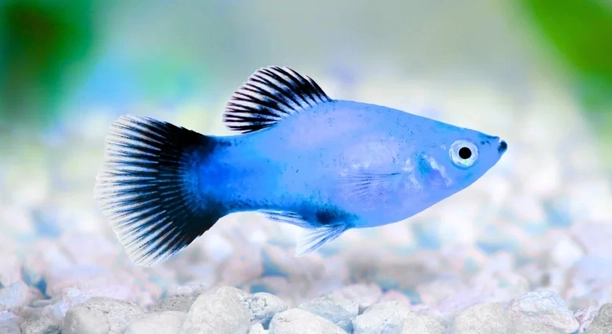
Are your platies swimming in a tank that looks more like modern art than a traditional rectangle? Unusual tank shapes are becoming more common, and they can change the way fish behave and thrive in home aquariums.
Platies can adapt to unusual tank shapes as long as essential water parameters, space, and environmental enrichment are maintained. Their adaptability stems from their hardy nature, but irregular layouts may affect swimming patterns, stress levels, and social interactions.
Understanding how shape influences movement and comfort helps create a healthier environment for your fish and supports long-term success in your aquarium setup.
How Tank Shape Affects Platy Behavior
Tank shape can influence how platies swim, rest, and interact with their surroundings. Standard rectangular tanks provide consistent space and flow, while tall, round, or irregular tanks can limit horizontal movement. Since platies are active swimmers that prefer side-to-side space, tanks that are too narrow or deep may cause stress or reduce natural behavior. Curved or corner-heavy tanks can also create areas of still water or poor circulation, affecting water quality. While platies are hardy and can adapt, they thrive in environments that support predictable patterns. Watching their habits helps spot signs of discomfort. If they’re lingering in corners or swimming in short bursts, they may need more space or changes in layout. Small shifts in structure can make a big difference.
Keep a close eye on how they move in the tank. If their behavior seems off, the shape may be limiting their comfort or natural swimming habits.
Flat, wide tanks help platies maintain their active nature. These designs offer more horizontal space, allowing them to swim freely and feel more at ease. A clear layout with consistent lighting and steady flow helps reduce stress and encourages more predictable, calm movement throughout the day.
Creating a Supportive Setup
Platies don’t need large tanks, but the space should support their natural habits. Shallow tanks with length are better than tall ones.
Choosing the right tank shape starts with understanding how platies move. Unlike fish that enjoy vertical swimming, platies prefer broad spaces where they can dart, explore, and stay active. A 20-gallon long tank, for example, gives them more horizontal room than a 20-gallon high tank. Sharp corners, overly decorative interiors, or narrow sections can limit their comfort. Try to avoid tanks with extreme angles or oddly sectioned layouts. Rounded tanks may look interesting, but they often distort movement and reduce swimming lanes. It helps to create smooth, open paths with minimal obstruction. Platies also enjoy plants and hiding spots, but these should be spaced to avoid crowding. Gentle filtration and even light support a peaceful atmosphere. Monitoring their behavior is key. If they stay active, feed well, and swim calmly, the shape is working. When they appear sluggish or hover at the surface, changes might be needed.
Adjustments That Help Platies Thrive
Unusual tank shapes may need a few layout changes to make them more comfortable for platies. Adding plants, adjusting water flow, and rearranging décor can help create better swimming routes and reduce stress. Simple adjustments can improve their activity and overall health.
Focus on horizontal space. Even in a round or tall tank, you can create horizontal swimming zones by placing plants and decorations low and toward the sides. Leave open areas in the middle for free movement. Platies enjoy plants like java fern or anubias that don’t block the flow. Avoid cluttering the center of the tank. Make sure water circulation reaches all areas to prevent stagnant spots. If needed, use a small sponge filter to support gentle flow. Adding floating plants at the top also helps reduce glare and gives them a sense of security. Observing how they move can guide where you place or remove items.
Lighting and background colors also make a difference. Avoid bright lights that reflect harshly in oddly shaped glass, as it may cause confusion or stress. Choose a dark or neutral background to reduce reflections. If you use LED lights, dim them slightly or use a gradual light cycle. It helps platies adjust without reacting suddenly. Keep décor simple—avoid mirrors or shiny objects. Using natural-toned gravel can also calm their behavior. When setting up, think from their level. If a feature blocks their regular path, it might be better placed elsewhere. Their comfort depends more on layout than size when shapes are irregular.
Observing Signs of Discomfort
Watch how they swim throughout the day. If they stay near the top, hide constantly, or avoid parts of the tank, something may be off.
Platies are normally active, curious, and social. When the tank shape doesn’t suit them, they often show signs like swimming in short bursts, hovering at odd angles, or staying isolated. These signs usually point to stress, limited space, or inconsistent water flow. In oddly shaped tanks, circulation might not reach every corner, leaving cold spots or low-oxygen zones. This can cause uneven swimming patterns. If the tank is too narrow or high, they may avoid the bottom. Sharp turns or tight areas can limit how they move. Stress can also lead to fin clamping, loss of appetite, or sudden aggression. Always check the water parameters first, but don’t ignore how the shape influences behavior. A simple change in decoration placement or filter position can often fix the issue without needing to replace the tank.
Importance of Consistent Water Conditions
Stable water conditions are more important than the tank’s shape. Even in unusual layouts, platies can adapt if the water is clean, warm, and balanced. Regular testing and small weekly water changes help keep things steady and reduce stress.
Sudden changes in temperature, pH, or ammonia levels can affect their health. Odd tank shapes sometimes hide debris or slow down filtration. Check corners or narrow spots where waste might build up. Use a test kit weekly and keep filters cleaned but not overwashed. Stability is the key to keeping platies calm and active.
Feeding Considerations in Unique Layouts
Feeding routines might need small adjustments in oddly shaped tanks. In tall tanks, food may sink quickly out of reach. Use floating flakes or pellets designed for surface feeders. Spread the food across wider areas, so all platies get a chance to eat. If food collects in one spot, clean it out to prevent decay and water quality issues. Feed once or twice a day in small amounts they can finish in two minutes. Uneaten food should always be removed. Watching them eat helps you see if all fish are active and healthy in the space.
Final Setup Tip
Keep things simple and open. Platies do best when they can swim easily and find calm spots without tight corners or obstacles.
FAQ
Can platies live in a tall tank?
Platies can survive in tall tanks, but it’s not ideal for their natural movement. They prefer horizontal swimming space, which tall tanks usually lack. In tall tanks, platies may cluster at the top or middle, avoiding the lower areas. This limits exercise and can affect their overall activity. If a tall tank is the only option, add features that encourage horizontal use—like plants, ledges, or décor placed along the sides. Still, a long, shallow tank supports their behavior better.
Is a round tank okay for platies?
Round tanks are not the best for platies. These tanks often cause light distortion and uneven water circulation. Platies may feel disoriented or stressed because their surroundings constantly shift with light reflection. It’s also harder to create clear swim paths or stable zones for rest in a circular design. If using a round tank, keep décor minimal and centered to allow swimming around the edges. Use gentle lighting and monitor behavior closely to see if the shape is causing any discomfort.
Do platies get stressed in oddly shaped tanks?
Yes, they can become stressed if the tank shape restricts their natural habits. Stress signs include hiding, darting, fin clamping, or avoiding certain areas. Irregular tank shapes can create unpredictable currents, tight corners, or confusing layouts. These factors make it harder for platies to feel secure. You can reduce stress by improving layout flow, keeping lighting soft, and ensuring there’s enough open space to swim freely. Keep water conditions stable and avoid overcrowding.
Can tank shape affect social behavior in platies?
Tank shape can influence how platies interact. In narrow or crowded layouts, they might become more territorial or isolated. If there’s limited space to swim and no room to retreat, small disputes may become more frequent. A wider, open setup supports group movement and allows platies to form loose schools. If you notice chasing or nipping, check if your tank is too confined or poorly arranged. Even friendly fish need room to move away from each other when needed.
How many platies should I keep in an unusual-shaped tank?
The number depends more on the water volume and available swimming space than just the shape. In oddly shaped tanks, avoid filling it to capacity. Start with fewer platies—maybe three to five—and see how they behave. Monitor how they use the space. If movement looks tight or if they’re constantly running into barriers, avoid adding more. It’s better to keep a small group happy than overcrowd an uncomfortable layout.
What layout works best in a non-standard tank?
Keep the layout low and wide if possible. Place taller plants or decorations at the sides or back to keep the center open. Try to create horizontal swim paths by spacing items evenly. Avoid stacking décor that blocks movement or light. Use natural colors and smooth textures. For tanks with odd corners or tight spaces, use soft decorations like moss or floating plants to soften edges. The goal is to keep their swimming route easy to follow.
Can I fix layout issues without changing the tank?
Yes, small adjustments often help. Move plants to create open swim zones. Add or reposition filters to improve circulation. Use floating decorations to shade harsh lighting. Remove any sharp or bulky décor that blocks paths. A slight shift in structure can change how the fish move and feel. You don’t need to replace the tank—just work with what you have and observe how the platies respond. If they seem more active and relaxed, you’re on the right track.
Do platies need specific hiding spots in an oddly shaped tank?
Yes, hiding spots help them feel secure. Even in unusual tanks, include a few calm zones like plants, caves, or low decorations. Don’t overfill the tank—just give them places to rest without crowding their swim space. Floating plants or leaf hammocks work well without taking up floor space. Make sure hiding spots are spread out and easy to access. Platies aren’t shy by nature, but they still benefit from having somewhere to retreat if needed.
How can I tell if a tank shape is affecting my platy’s health?
Watch for changes in swimming, feeding, or social behavior. If your platy avoids parts of the tank, stays still too long, or shows signs like fin clamping, it may be uncomfortable. Check that the layout isn’t blocking movement. Test water quality regularly, since poor circulation in irregular tanks can lead to sudden changes. A healthy platy will swim smoothly, eat well, and explore different areas of the tank. If something feels off, small layout fixes usually help.
Final Thoughts
Platies are adaptable fish, but the shape of their tank does matter. While they can live in tall, round, or narrow tanks, these designs may not always meet their natural needs. Platies prefer wide, horizontal space to swim freely and feel secure. When the shape limits that movement, they may become less active or show signs of stress. It’s not always about the size of the tank but how the space inside is used. With careful planning, even an unusual tank can still support a healthy and active environment for platies.
The most important things to focus on are layout, water quality, and stability. Create swim zones that follow a horizontal path, and avoid blocking movement with too many decorations. Make sure water flow reaches all corners, especially in tanks with unusual angles. Test the water weekly and avoid sudden changes in temperature or pH. If your platies behave differently—such as hiding, hovering, or losing interest in food—it could be a sign that the tank shape or setup needs to be adjusted. Simple layout changes often make a big difference in how they use the space and interact with each other.
Choosing the right setup depends on observation. Watch how your platies swim, feed, and rest. If they look comfortable and active, your adjustments are likely working. If not, try shifting a few plants, adjusting lighting, or repositioning decorations. You don’t need to replace the tank to improve their comfort—just work with what you have. Platies can thrive in a variety of environments as long as their basic needs are met. With attention to layout and water care, even an unusual tank can become a space where platies stay healthy, social, and active every day.

Hello,
If you enjoy the content that we create, please consider saying a "Thank You!" by leaving a tip.
Every little bit helps us continue crafting quality advice that supports the health, happiness, and well-being of pets around the world, for pets of all shapes, sizes, and species.
We really appreciate the kindness and support that you show us!