
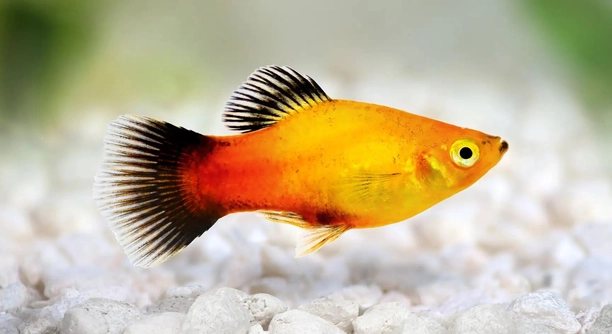
Do you have pet platies and wonder how they behave with other fish in the tank? Many fish owners want to know if platies form bonds or show attachment to their tankmates. This topic is important for keeping a peaceful aquarium environment.
Platies do not form strong attachments like mammals, but they do show social behavior by swimming together and recognizing familiar fish. Their interactions are mostly based on safety and routine rather than emotional bonding.
Understanding how platies interact helps improve tank harmony and care for all your aquatic pets. This article will explain what you can expect from your platies’ social habits.
How Platies Interact with Other Fish
Platies are peaceful and social fish that usually enjoy the company of other fish. They tend to swim in groups, which gives them a sense of security. When kept with compatible species, they rarely show aggression or territorial behavior. Instead, platies often explore the tank together and sometimes swim side by side. While they don’t form deep emotional bonds, they recognize familiar tankmates and feel more comfortable around them. This behavior helps reduce stress and keeps the fish active. It’s important to provide enough space and hiding spots to allow all fish to feel safe. Overcrowding or aggressive tankmates can disrupt their social balance. Platies thrive best with other non-aggressive fish that share similar water requirements. Watching their calm group behavior can be quite relaxing and adds a peaceful vibe to the aquarium.
Platies are not solitary; they prefer to live among other fish, making them good community tank members.
These social habits are natural and important for their well-being. Platies rely on group swimming to stay calm and alert. Unlike animals that form strong emotional attachments, platies’ interactions are simpler. They use familiar tankmates as signals of safety rather than companionship. This means platies do better with steady, predictable groups rather than frequently changing tankmates. Their recognition of others is more about routine than emotion. It helps them respond quickly to changes in the environment or potential threats. Providing a stable tank community is key to keeping platies happy and healthy.
Signs of Attachment in Platies
Platies do not show attachment like mammals but can show certain social behaviors that suggest familiarity.
Some platies will follow certain fish or swim near them more often. They may also react less to fish they recognize, indicating some level of comfort. This behavior can look like attachment but is mainly about feeling safe with known neighbors. The fish might even “greet” each other by swimming together briefly. These signs mean the platy is comfortable but do not imply deep emotional bonds. In contrast, platies may avoid new or aggressive fish, showing their preference for familiar company. Observing these behaviors can help you understand how your fish adapt to their tank environment and improve your aquarium setup accordingly.
Platies and Tank Compatibility
Platies generally get along well with peaceful fish. Aggressive or very shy species may cause stress or conflict in the tank.
Choosing compatible fish is important to keep the tank calm. Platies thrive with other livebearers like guppies and mollies, as well as small tetras and peaceful bottom dwellers. Avoid larger aggressive fish that may bully or eat them. Providing plenty of plants and hiding spots reduces stress and helps platies feel safe. When new fish are added slowly and carefully, platies adjust better. Monitoring their behavior during introductions ensures harmony. A well-planned community tank supports healthier and happier fish overall.
Compatibility affects how much platies interact with other fish. In peaceful groups, they show more social swimming and less hiding. In stressful tanks, they may become withdrawn or aggressive. Understanding their needs helps maintain a balanced aquarium.
How to Encourage Social Behavior in Platies
Providing a stable environment helps platies feel secure enough to interact with other fish. A consistent feeding schedule and clean water promote healthy behavior. Keeping the tank environment predictable reduces stress, encouraging platies to swim and explore more openly. Adding live plants or decorations can create natural meeting spots for fish to gather. Grouping platies with similar species supports their natural social tendencies. Avoid overcrowding to prevent competition and aggression. Regular observation helps identify any issues early, allowing adjustments to keep the social balance. Healthy, stress-free platies display more natural and relaxed social behavior in the tank.
Do Platies Remember Other Fish?
Platies can recognize familiar tankmates over time. They respond more calmly to fish they have lived with for a while. This recognition helps reduce stress in the tank. However, their memory is limited to routine and survival needs rather than emotional connections.
Recognition means platies may swim closer to known fish and avoid unfamiliar ones. This behavior is practical, helping them feel safer in their environment.
How Stress Affects Platy Behavior
Stress can change how platies behave around other fish. When stressed, platies may hide more, become less active, or show signs of aggression. Stress often comes from overcrowding, poor water quality, or aggressive tankmates. Reducing these factors helps platies stay calm and social. A peaceful environment allows natural social behavior to return.
Observing Your Platies’ Social Cues
Watching how platies interact helps identify their comfort level. Calm, group swimming usually means they feel safe. Sudden hiding or chasing may signal stress or conflict. Recognizing these cues early helps maintain a healthy tank environment.
Keeping an eye on behavior allows quick action to support their well-being.
FAQ
Do platies form bonds with other fish?
Platies do not form strong emotional bonds like mammals. They do show recognition and comfort with familiar fish, which helps reduce stress. Their social behavior is more about safety and routine than attachment. They swim near known tankmates but do not rely on emotional connections.
Can platies get lonely if kept alone?
Yes, platies are social fish and prefer living with others of their kind or compatible species. Keeping a single platy alone can cause stress and reduce activity. Having at least two or more platies helps them feel secure and display natural behavior.
How many platies should be kept together?
A small group of three to six platies is ideal. This number allows social interaction without overcrowding. Overcrowding can lead to stress, aggression, and poor water quality. Make sure the tank size matches the number of fish.
Are platies aggressive toward other fish?
Platies are generally peaceful, but males can sometimes show mild aggression during breeding or territory disputes. This behavior is usually minor and manageable with enough space and hiding places. Avoid keeping them with highly aggressive fish to maintain harmony.
How can I tell if my platies are stressed?
Signs of stress include hiding more than usual, loss of appetite, dull colors, and erratic swimming. Stress can come from poor water quality, overcrowding, or incompatible tankmates. Regular water changes, a clean tank, and proper fish selection help reduce stress.
Do platies recognize their owners?
Platies may recognize their owners by movement or feeding routines but do not form attachments like pets that seek interaction. They learn to associate the owner with food and may swim to the front of the tank during feeding time.
What tankmates are best for platies?
Good tankmates include other peaceful community fish like guppies, mollies, tetras, and corydoras catfish. Avoid large or aggressive fish that might bully or eat platies. Matching water parameters and temperament ensures a peaceful tank environment.
Can platies adapt to new fish quickly?
Platies usually adapt well to new fish if introduced slowly and carefully. Sudden changes can cause stress. Quarantining new fish and rearranging tank decorations before introductions help reduce territorial behavior and encourage peaceful cohabitation.
Do platies show any signs of attachment during breeding?
During breeding, male platies may follow or chase females closely, which can look like attachment. This behavior is driven by reproduction instincts rather than emotional bonding. After spawning, there is little interaction between parents and fry.
How can I encourage social behavior in platies?
Keep them in small groups, maintain clean water, and provide a stable environment. Live plants and decorations offer natural spots for fish to gather. Avoid sudden changes and aggressive tankmates. These steps support healthy social interactions and reduce stress.
What should I do if platies are fighting?
Separate aggressive fish and check for overcrowding or poor water conditions. Adding more hiding places and plants can reduce conflicts. If fighting continues, reassess tankmates and consider a larger tank to provide enough space.
Do platies need companions to be happy?
Yes, platies feel more secure and active when kept with others. Companionship helps them display natural behaviors and stay healthy. While they don’t form emotional bonds, the presence of familiar fish improves their overall well-being.
Is it okay to keep platies with shrimp or snails?
Yes, platies usually coexist peacefully with shrimp and snails. These invertebrates are good tank cleaners and add variety to the aquarium. However, avoid tiny shrimp that platies might see as food, and provide hiding spots for smaller creatures.
Can platies recognize changes in their environment?
Platies are sensitive to changes in lighting, decorations, and water conditions. Sudden changes can cause stress or hiding. Gradual adjustments help them adapt better. Keeping the tank environment stable encourages relaxed and natural behavior.
How important is tank size for social behavior?
Tank size plays a big role in platies’ social behavior. A larger tank allows fish to establish their space and reduces aggression. Crowded tanks increase stress and conflict. At least 20 gallons is recommended for a small group of platies to thrive comfortably.
Platies are social fish that enjoy living with others, but they do not form strong emotional attachments like some animals do. Their interactions with other fish are mostly based on safety and routine. When kept with peaceful tankmates, platies swim together and recognize familiar fish, which helps reduce stress and keeps them calm. This natural behavior is important for their well-being, so it is best to keep them in groups rather than alone. Providing enough space and hiding places also supports their comfort and social habits.
It is clear that platies respond to their environment and the fish around them, but their relationships are simple. They show signs of recognition and prefer familiar tankmates, but this is about feeling secure rather than emotional bonding. Platies thrive in stable tanks with compatible species and clean water. Stress from overcrowding, aggressive fish, or poor conditions can change their behavior and make them less social. Observing how your platies act can help you provide the best care and maintain a peaceful aquarium.
In the end, understanding platies’ social nature helps improve their health and happiness. Keeping a small group of peaceful fish together in a well-maintained tank encourages natural swimming and reduces stress. Although platies don’t form deep attachments, their calm and social behavior creates a pleasant tank environment. Careful attention to tank conditions, proper companions, and a stable routine ensures that platies live comfortable and content lives.

Hello,
If you enjoy the content that we create, please consider saying a "Thank You!" by leaving a tip.
Every little bit helps us continue crafting quality advice that supports the health, happiness, and well-being of pets around the world, for pets of all shapes, sizes, and species.
We really appreciate the kindness and support that you show us!