
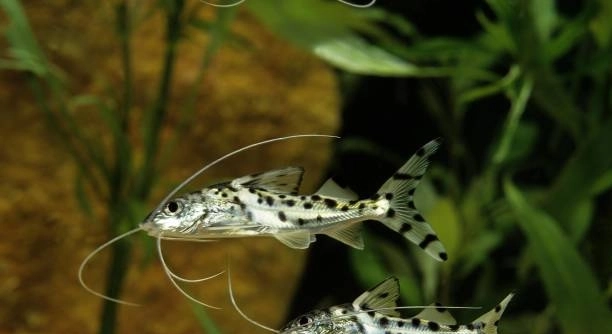
Many fishkeepers enjoy having Pictus Catfish in their aquariums for their active and peaceful nature. These fish come from environments that often have shaded, darker waters. Knowing how to set up a tank that suits their needs is important for their well-being.
Pictus Catfish do benefit from a darker tank setup as it closely mimics their natural habitat, reducing stress and promoting natural behavior. Providing shaded areas with plants or decorations creates a comfortable environment that supports their health.
Understanding the right tank conditions helps ensure your Pictus Catfish thrive and feel secure in their home. Proper care makes a big difference in keeping them happy and healthy.
Why a Darker Tank Setup Matters for Pictus Catfish
Pictus Catfish naturally live in rivers and streams with plenty of cover, such as fallen leaves and roots. These areas provide shade and protection from strong sunlight. When their tanks are too bright or open, they can become stressed. Stress can cause them to hide constantly or lose their appetite. Creating a darker tank with plenty of hiding spots helps them feel safe. Using plants, driftwood, or rocks can add shade and break up the light. These elements not only make the tank more natural but also improve water quality by offering surfaces for beneficial bacteria. The right lighting and tank setup help Pictus Catfish show their natural behavior, like swimming freely and exploring.
A darker environment also reduces the chance of injury from sudden movements due to stress. It encourages calmer, healthier fish.
Adding dark substrate and dim lighting enhances comfort and encourages your Pictus Catfish to be active during the day, which makes watching them much more enjoyable.
How to Create a Comfortable Dark Tank Environment
Using natural decorations like driftwood and live plants can create the shaded areas Pictus Catfish need.
Choose broad-leaf plants or floating plants to diffuse light and create shadows. Soft, subdued lighting mimics their habitat well. Avoid bright LED lights or strong direct sunlight. Dark gravel or sand on the tank floor helps reduce reflection and adds to the effect. Adding caves or hollow logs provides safe spots where your catfish can retreat. These additions make the tank feel less exposed and more like their natural environment. Keeping the water clean and at the right temperature also supports their well-being. A well-planned dark tank setup makes a big difference in how comfortable your Pictus Catfish feels every day.
Lighting Options for Pictus Catfish Tanks
Soft, low-intensity lighting works best for Pictus Catfish. Bright lights can cause stress and make them hide more often.
LED lights with adjustable brightness allow you to create the right balance. Using a timer can help maintain consistent light and dark periods, mimicking natural day and night cycles. It’s important to avoid direct sunlight, which can increase algae growth and raise water temperature. Many aquarists choose to add floating plants or thick-leaf plants to diffuse the light further. These additions provide shaded spots and help keep the environment calm for the fish.
Using a dim or shaded light setup encourages your catfish to swim actively and display natural behaviors. This lighting also improves your ability to observe their movements without disturbing them.
Choosing the Right Tank Decorations
Driftwood is a popular choice for Pictus Catfish tanks because it offers hiding places and naturally darkens the water. It also releases tannins, which can slightly lower pH and soften the water, similar to their natural environment. Live plants are another excellent option; they provide shade, improve water quality, and offer additional hiding spots. When selecting plants, consider hardy species like Anubias or Java Fern that tolerate lower light. Rocks and caves add to the tank’s structure and create secure areas for the fish to rest. Decorations should be arranged to create layers of light and shadow rather than open, bright spaces. This setup helps the catfish feel less exposed and more comfortable as they explore their environment.
Keeping decorations natural and varied helps maintain an environment that feels familiar to Pictus Catfish. These elements work together to reduce stress and encourage healthy activity. A well-decorated tank not only benefits your fish but also enhances the aquarium’s visual appeal, making it a calming and attractive space.
Tank Substrate Choices
A dark substrate helps create a natural, shaded look that Pictus Catfish prefer. Gravel or sand in darker tones reduces light reflection and makes the fish feel safer.
Avoid bright or shiny substrates, as they can stress your catfish and make them hide more often. Dark substrates also help highlight their unique spotted patterns.
Maintaining Water Quality
Clean, stable water is crucial for Pictus Catfish health. Regular water changes prevent buildup of harmful substances and keep the environment safe. Keeping water parameters within the ideal range reduces stress and supports their active nature.
Use a gentle filter to avoid strong currents since Pictus Catfish prefer calmer waters. Monitoring temperature, pH, and ammonia levels is important to maintain a stable habitat for your fish.
Feeding and Behavior
Pictus Catfish are mostly nocturnal but can become active during low light. Providing sinking pellets or live food matches their natural feeding habits.
Observing their behavior in a darker tank shows their natural curiosity and energy without stress.
Common Mistakes to Avoid
Too much light and a bare tank are common mistakes. These cause stress and hide behavior.
Ignoring water quality or not providing hiding spots reduces their comfort and health.
How dark should a Pictus Catfish tank be?
The tank should have low to moderate lighting, enough to see your fish but not so bright that it causes discomfort. Using dimmable LED lights or placing the tank in indirect light works well. Adding floating plants or driftwood creates natural shadows, further reducing brightness. A dark substrate helps absorb light, making the environment feel cozy. Avoid direct sunlight or overly bright bulbs, as these can stress the fish and encourage hiding behavior. The goal is to mimic their natural habitat, which typically has soft, filtered light rather than harsh illumination.
Can Pictus Catfish live in a brightly lit tank?
Pictus Catfish can survive in a bright tank but usually appear stressed and shy. They tend to hide more, reducing their visibility and activity. Bright light may interfere with their natural behaviors and cause discomfort. Over time, constant exposure to strong lighting can affect their health negatively, leading to reduced appetite and increased stress. Creating shaded areas or dimming the light helps them feel secure. It’s better to design the tank with light levels closer to their natural environment to promote their well-being.
What kind of plants work best in a darker tank for Pictus Catfish?
Hardy, low-light plants like Anubias, Java Fern, and Cryptocoryne are excellent choices. These plants thrive in subdued lighting and provide essential hiding spots. Floating plants like Amazon Frogbit or Water Lettuce can soften the light reaching the tank bottom, creating natural shade. These plants also help keep the water clean by absorbing excess nutrients. Avoid delicate plants that require strong light or frequent care, as these won’t survive well in darker conditions. Adding a mix of rooted and floating plants can create a balanced, comfortable environment.
Does tank size affect the need for darker setups?
Larger tanks allow more flexibility in creating shaded areas with plants, driftwood, and decorations. This can make it easier to maintain darker spots even if overall lighting is moderate. Smaller tanks may need careful planning of light sources and decorations to prevent overwhelming brightness. Regardless of size, providing hiding places and shade is important. The fish’s comfort depends more on the quality of the setup rather than just tank size. Always consider your tank’s layout and light when designing the environment.
How often should I change the water in a darker tank setup?
Regular water changes are essential regardless of lighting. Aim for 20–30% water changes weekly to keep water clean and stable. Darker tanks often have more plants and decorations, which help maintain water quality, but they don’t replace water changes. Keeping ammonia, nitrites, and nitrates low reduces stress and supports healthy fish. Use a water conditioner to remove chlorine and other harmful chemicals. Monitor water parameters regularly, especially in tanks with live plants and sensitive species like Pictus Catfish.
Can artificial decorations replace plants in providing shade?
Artificial decorations like caves, tunnels, and driftwood replicas can provide hiding spots and some shade, but they don’t improve water quality like live plants do. Decorations help break light and offer security, which reduces stress. However, they won’t absorb excess nutrients or oxygenate the water. Combining artificial and live decorations is a good option if you struggle with plant care. Just ensure decorations have smooth edges to avoid injuring the fish. Both types of decorations can contribute to a darker, more comfortable tank.
Are Pictus Catfish more active at night because of darker tanks?
Yes, Pictus Catfish are naturally more active in low light or nighttime conditions. A darker tank setup encourages this behavior by simulating their natural habitat. They use shaded areas to feel safe while exploring and hunting for food. If the tank is too bright, they may hide during the day and only become active at night, making them harder to observe. Providing a balanced light cycle with dim periods helps support their natural rhythm and allows you to enjoy their activity during the day.
What are signs that my Pictus Catfish is stressed from lighting?
Signs include hiding for long periods, reduced appetite, erratic swimming, or rubbing against decorations. Fish may also become pale or show duller colors. Stress weakens their immune system, increasing vulnerability to disease. If you notice these behaviors, try dimming the lights or adding more shaded areas. Regular observation helps you catch stress early and make adjustments to the tank environment. Stress relief improves their health and encourages natural, active behavior.
Is it necessary to use a timer for tank lighting?
Using a timer is highly recommended to maintain consistent light and dark cycles. Pictus Catfish benefit from regular periods of darkness to rest and reduce stress. A timer removes guesswork and helps keep the tank’s environment stable. Consistency in lighting supports their natural behavior patterns and overall well-being. It also prevents algae growth caused by prolonged light exposure. Setting about 8 to 10 hours of light daily with the rest as darkness usually works well for most freshwater tanks.
How does a darker tank setup affect algae growth?
Darker tanks with lower light levels tend to have slower algae growth. Algae thrive in bright light, so reducing brightness and using floating plants helps control it naturally. Regular maintenance, including water changes and cleaning, is still necessary to keep algae in check. Some algae can be beneficial as food for certain species, but too much can spoil the tank’s appearance and water quality. Balancing light and plant life keeps algae at manageable levels while supporting the health of Pictus Catfish.
Creating the right tank setup for Pictus Catfish is important for their health and happiness. A darker environment closely matches their natural habitat and helps reduce stress. Using dim lighting, dark substrates, and plenty of hiding spots makes the fish feel secure. When Pictus Catfish feel safe, they are more likely to swim actively and show their natural behavior. This not only benefits the fish but also makes the aquarium more enjoyable to watch.
Using natural decorations like driftwood and live plants adds shade and breaks up the light inside the tank. These elements help create a comfortable space that supports the catfish’s well-being. Dark substrates reduce light reflection and provide a calming background for the fish. Maintaining good water quality with regular changes and monitoring is also key to keeping your Pictus Catfish healthy. Together, these factors build an environment that encourages natural activity and reduces the risk of stress-related issues.
Lighting should be soft and consistent, with a timer to provide a regular day and night cycle. Avoid bright or direct light that can cause your catfish to hide or become stressed. A balance of light and dark areas helps the fish explore and feed without feeling exposed. Remember, every tank is different, so observing your Pictus Catfish’s behavior will help you adjust the setup to best meet their needs. With patience and care, you can create a tank that supports the long-term health and happiness of your Pictus Catfish.

Hello,
If you enjoy the content that we create, please consider saying a "Thank You!" by leaving a tip.
Every little bit helps us continue crafting quality advice that supports the health, happiness, and well-being of pets around the world, for pets of all shapes, sizes, and species.
We really appreciate the kindness and support that you show us!