
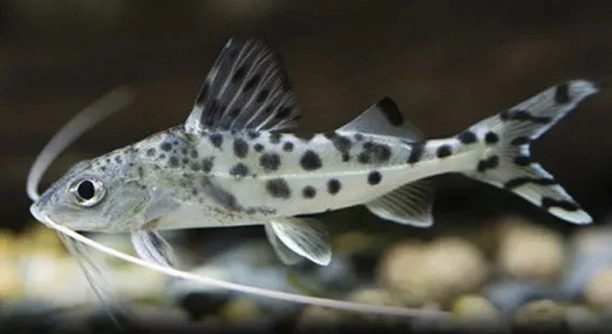
Owning Pictus catfish can be a rewarding experience for new fishkeepers. These active fish need the right environment to thrive. Having useful accessories makes caring for them easier and more enjoyable.
For new Pictus catfish owners, essential accessories include proper tank filters, hiding spots, feeding tools, water testing kits, lighting, substrate, and nets. These items help maintain water quality, reduce stress, and support the health of the fish.
Knowing which accessories improve your catfish’s well-being can make a big difference. This article will introduce practical tools that every beginner should consider.
Essential Tank Filters for Clear Water
Keeping the water clean is one of the most important tasks when caring for Pictus catfish. These fish produce waste that can quickly pollute the tank if the water is not filtered properly. A good tank filter helps remove debris, toxins, and excess food, maintaining a healthy environment. For new owners, a filter with mechanical, biological, and chemical filtration is ideal. Mechanical filtration traps particles, biological filtration supports beneficial bacteria that break down harmful substances, and chemical filtration removes dissolved impurities. Choosing a filter rated for your tank size ensures proper water flow without stressing the fish. Regular maintenance, such as rinsing filter media in tank water, keeps the system working well. Proper filtration not only keeps the water clear but also reduces the frequency of water changes, making care less demanding overall. A well-filtered tank helps your Pictus catfish stay active and healthy, avoiding common problems related to poor water quality.
A filter suited to the tank size and the fish’s needs is essential. It keeps the environment stable and clean for your catfish.
Maintaining clear water is vital for your Pictus catfish’s health. Without proper filtration, harmful toxins build up quickly, affecting the fish’s behavior and longevity. Selecting a filter designed to handle your tank’s capacity supports a balanced ecosystem inside. Filters with multiple stages ensure that solid waste is removed while beneficial bacteria flourish, which breaks down harmful ammonia and nitrites. It’s important to avoid over-filtering, as too strong a current can stress the fish. Regular checks and filter cleaning help prevent clogging and maintain efficiency. When water remains clear and well-oxygenated, your catfish are more likely to show natural behaviors and thrive. Investing in a reliable filter pays off in less maintenance and healthier fish.
Hiding Spots Create a Comfortable Habitat
Pictus catfish enjoy places to hide and feel secure. Hiding spots reduce stress and encourage natural behavior. Providing caves, plants, or decorations allows your fish to rest and explore safely.
Adding hiding spots helps your Pictus catfish feel at home. These areas mimic their natural environment and improve their well-being.
Creating hiding places is simple and rewarding. Smooth rocks, ceramic caves, or artificial plants work well. Live plants are especially beneficial, as they improve water quality and offer cover. Position hides in dimmer parts of the tank or near the substrate, where catfish usually rest. Avoid sharp objects that could harm their delicate barbels and fins. Changing the tank layout occasionally can keep your fish curious and stimulated. Hiding spots also provide shelter during water changes or when other fish become too active. Observing your Pictus catfish use these areas shows they feel safe. Proper hiding spots contribute to lower stress levels and a healthier, longer life.
Feeding Tools for Better Nutrition
Using the right feeding tools helps control how much food your Pictus catfish get. It prevents overfeeding and keeps the tank clean. Tools like sinking pellets or automatic feeders work well for these bottom dwellers.
Sinking pellets are ideal because Pictus catfish feed near the bottom of the tank. Floating food may get ignored and cause water quality issues. Automatic feeders can provide consistent meals, especially when you are away. Measuring food portions with a small scoop helps avoid excess waste. Overfeeding can lead to uneaten food, which decomposes and pollutes the tank. It also risks your fish gaining weight or developing health problems. By using proper feeding tools, you can maintain a balanced diet for your catfish and keep the tank environment stable.
Consistency in feeding schedules improves your fish’s health. Feeding tools also make the process easier and less messy. Keeping your catfish well-fed without overfeeding supports their energy and activity levels.
Water Testing Kits to Monitor Quality
Testing water regularly is necessary to maintain a safe habitat. Kits for ammonia, nitrite, nitrate, and pH provide quick results and help catch problems early.
Water testing kits allow you to track changes in water chemistry. Ammonia and nitrite should stay at zero, as they are toxic to fish. Nitrate levels need monitoring to avoid buildup, which can stress the fish. pH affects how well the fish live, with Pictus catfish preferring slightly acidic to neutral water. Testing before water changes ensures new water matches tank conditions, reducing shock to your fish. Early detection of water quality issues allows prompt action, preventing illness or death. These kits are easy to use and offer peace of mind, especially for new owners learning about aquarium care. Monitoring water conditions is one of the best ways to keep your catfish healthy.
Proper Lighting for Pictus Catfish
Pictus catfish prefer dim lighting that mimics their natural environment. Bright lights can cause stress and hide their natural behaviors.
Using low-intensity LED lights or placing plants to diffuse light helps create a comfortable space. It also supports plant growth and reduces algae.
Substrate Choices Matter
Fine sand or smooth gravel is best for Pictus catfish. Rough or sharp substrates can harm their sensitive barbels and skin. A soft substrate allows natural digging behavior and keeps them comfortable.
Nets for Safe Handling
Using a soft, fine-mesh net helps gently catch your Pictus catfish without causing injury. Avoid rough or metal nets, which can damage their delicate fins and whiskers. A proper net reduces stress during tank maintenance or transfers.
FAQ
What is the best filter for a Pictus catfish tank?
The best filter is one that provides mechanical, biological, and chemical filtration. It should match the tank size and have moderate water flow. Too strong a current can stress Pictus catfish. Canister filters or hang-on-back filters work well because they offer multiple filtration stages and are easy to maintain. Regular cleaning of filter media is important to keep the system efficient without harming beneficial bacteria.
How often should I feed my Pictus catfish?
Feeding once or twice a day is usually enough. Offer only what the fish can eat within a few minutes to avoid leftover food. Overfeeding can pollute the tank and cause health issues. Use sinking pellets or wafers designed for bottom feeders. Supplementing with occasional live or frozen foods like bloodworms or brine shrimp helps provide balanced nutrition.
Can Pictus catfish live with other fish?
Yes, they are generally peaceful and can live with other community fish. Avoid keeping them with very small fish, which they might try to eat, or very aggressive species that may bully them. They prefer hiding spots, so provide enough space and cover to reduce stress. Keeping compatible tank mates helps maintain a peaceful aquarium environment.
Why does my Pictus catfish hide all the time?
Pictus catfish are naturally shy and nocturnal, so they often hide during the day. Stress, poor water quality, or sudden changes in the tank can also cause hiding. Providing plenty of hiding spots and maintaining stable water conditions encourages them to be more active. If hiding increases suddenly, test the water and check for illness or tank problems.
What substrate is safest for Pictus catfish?
Fine sand or smooth gravel is safest because it won’t damage their sensitive barbels or skin. Avoid sharp or coarse substrates that can cause injury. A soft substrate also allows natural digging and foraging behavior, which keeps the fish healthy and active.
How do I know if my Pictus catfish is healthy?
Healthy Pictus catfish swim actively, have clear eyes, intact fins, and show regular breathing. They eat well and explore their environment. Signs of illness include clamped fins, loss of appetite, lethargy, spots, or discoloration. Regular water testing and good tank maintenance help keep your catfish in good condition.
Is lighting important for Pictus catfish?
Yes, they prefer dim lighting because they are nocturnal and sensitive to bright lights. Using low-intensity LED lights or adding plants to soften light creates a comfortable environment. Proper lighting supports natural behavior and reduces stress.
How often should I change the water in a Pictus catfish tank?
Changing 20–30% of the water weekly is a good rule. This helps remove toxins and maintain stable water conditions. Use a water conditioner to remove chlorine and match the temperature of new water to the tank. Regular water changes prevent buildup of harmful substances and support fish health.
Can Pictus catfish live in a small tank?
Pictus catfish need space to swim and hide, so a minimum tank size of 30 gallons is recommended. Smaller tanks make it harder to maintain water quality and can stress the fish. Providing enough room and accessories ensures a healthier, more active fish.
What temperature do Pictus catfish prefer?
They thrive in temperatures between 72°F and 78°F (22°C–26°C). Keeping the water stable within this range supports their metabolism and immune system. Use a reliable heater and thermometer to monitor tank temperature consistently.
How do I handle my Pictus catfish safely?
Use a soft, fine-mesh net to catch them gently. Avoid rough handling and sharp nets that can damage their delicate fins and barbels. Minimizing handling reduces stress and the risk of injury. When transferring or cleaning the tank, be calm and careful to keep your fish safe.
Are live plants beneficial for Pictus catfish tanks?
Yes, live plants improve water quality by absorbing nitrates and providing hiding spots. They create a natural environment that helps reduce stress. Choose sturdy plants that tolerate low to moderate light, such as Java fern or Anubias. Live plants also make the tank more attractive and healthy for your fish.
What do Pictus catfish eat besides pellets?
They enjoy live or frozen foods like bloodworms, brine shrimp, and daphnia. These treats offer variety and important nutrients. Feeding these foods once or twice a week supplements their diet and encourages natural hunting behavior. Avoid overfeeding to keep water clean.
How can I reduce stress for my Pictus catfish?
Provide hiding spots, maintain good water quality, and avoid sudden changes. Keep the tank in a quiet area without loud noises or vibrations. Consistent lighting and feeding schedules also help reduce stress. A calm environment allows your catfish to feel safe and thrive.
What signs show water quality problems in a Pictus catfish tank?
Cloudy water, strong odors, fish gasping at the surface, or increased hiding can indicate poor water quality. Testing for ammonia, nitrite, nitrate, and pH helps identify issues. Early detection allows prompt action to protect your fish from illness or stress.
Can Pictus catfish jump out of the tank?
Yes, they can jump, especially if the water quality is poor or the tank lacks cover. A tight-fitting lid or hood helps prevent escapes. Make sure the tank is secure to keep your fish safe and avoid accidents.
Caring for Pictus catfish involves paying attention to several key accessories that support their health and happiness. Choosing the right tank filter is crucial because it keeps the water clean and safe by removing waste and harmful substances. Along with filtration, providing proper hiding spots helps reduce stress and allows the fish to express natural behaviors. These simple additions create an environment that feels more like their natural home. Feeding tools, such as sinking pellets and automatic feeders, make feeding easier and prevent overfeeding, which can harm water quality. Regular water testing is another important step to catch any problems early and keep the tank stable. By focusing on these basics, new owners can provide good care without feeling overwhelmed.
Lighting and substrate choices also play important roles in a Pictus catfish’s well-being. These fish prefer dimmer light and soft, smooth substrates that won’t hurt their sensitive barbels or skin. Setting up the tank with these considerations improves the overall comfort of the fish and encourages more natural activity. Nets designed with soft, fine mesh are needed for gentle handling during tank cleaning or fish transfers, helping to reduce injury and stress. Each accessory works together to support the fish’s health and reduce the risks of common problems that new owners might face. Taking time to learn about these needs can make caring for Pictus catfish more manageable and rewarding.
It’s important to remember that maintaining a healthy aquarium is an ongoing task. Regular water changes, filter maintenance, and monitoring water parameters are all necessary to keep the tank stable. Attention to detail in the choice and use of accessories helps prevent illness and creates a better environment for the fish. While Pictus catfish may seem delicate at first, providing them with the right tools and care can make them hardy and active pets. The goal is to create a tank that supports their natural behavior and allows them to thrive. With patience and care, new owners can enjoy watching their Pictus catfish grow and stay healthy over time.

Hello,
If you enjoy the content that we create, please consider saying a "Thank You!" by leaving a tip.
Every little bit helps us continue crafting quality advice that supports the health, happiness, and well-being of pets around the world, for pets of all shapes, sizes, and species.
We really appreciate the kindness and support that you show us!