
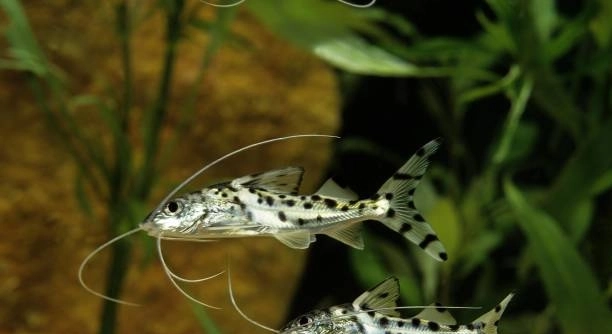
Cloudy water in a Pictus tank can be frustrating for any fish keeper. It affects the look of the aquarium and may worry those who want a healthy environment for their fish. Keeping the water clear is important for the tank’s overall balance.
Cloudy water in a Pictus tank usually results from bacterial blooms, excess waste, or poor filtration. Addressing these causes quickly with cleaning, water changes, and proper filtration will restore water clarity and improve fish health.
Knowing how to fix cloudy water helps maintain a clean and safe home for your Pictus catfish. These simple steps can make a big difference in your aquarium’s condition and your fish’s wellbeing.
Common Causes of Cloudy Water in a Pictus Tank
Cloudy water in a Pictus tank is often caused by a few common factors. One major reason is bacterial bloom, which happens when beneficial bacteria multiply quickly after a tank cleaning or setup. This can make the water look milky or foggy. Another cause is excess waste from uneaten food, fish waste, or decaying plants. When waste builds up, it releases particles and nutrients that cloud the water and encourage bacteria growth. Poor filtration can also contribute, as a filter that is too small or clogged cannot properly clean the tank. Additionally, overfeeding the fish or adding too many fish at once can overload the system, leading to water quality issues. Regular maintenance, proper feeding, and a good filter are essential to keep the water clear and healthy for your Pictus catfish.
Maintaining balanced water conditions will prevent many of these issues from occurring. Regular monitoring is key to avoiding cloudy water.
Understanding these causes helps in choosing the right fix to restore water clarity quickly and effectively.
How to Use Water Changes Effectively
Water changes are a simple and effective way to clear cloudy water. They remove excess waste and dilute harmful substances that cause cloudiness. Changing about 20-30% of the water once a week is ideal for most tanks. If the water is very cloudy, a larger change may be necessary. Use a gravel vacuum to clean the substrate and remove debris during the water change. Always treat tap water with a water conditioner to remove chlorine and chloramine before adding it to the tank. Consistent water changes help maintain good water quality, reducing stress on your Pictus catfish and supporting their health. Over time, regular water changes will keep the tank clean and clear, preventing cloudy water from becoming a constant problem.
Improving Filtration for Clearer Water
A good filter is essential for a Pictus tank. It removes waste and particles that cause cloudiness. Choose a filter rated for your tank size and clean it regularly. Avoid overloading the filter to maintain its effectiveness.
Filters come in different types like hang-on-back, canister, and sponge filters. Canister filters are powerful and offer excellent mechanical, chemical, and biological filtration, which helps keep water crystal clear. Sponge filters are gentle and great for smaller tanks or for breeding setups. Regularly rinsing filter media in tank water prevents clogging without killing beneficial bacteria. It’s important to replace chemical media like activated carbon as recommended. Proper filtration not only clears the water but also improves oxygen levels and supports a healthy environment for your Pictus catfish.
If your filter is undersized or dirty, it won’t clean the water well, causing persistent cloudiness. Upgrading to a better filter or maintaining your current one will make a big difference.
Managing Feeding to Prevent Cloudy Water
Feeding your Pictus catfish the right amount is key to avoiding cloudy water. Overfeeding leaves uneaten food that decays and clouds the water. Feed small portions that your fish can finish within a few minutes, once or twice daily. Remove any leftover food promptly to reduce waste buildup.
Different foods affect water clarity in different ways. Dry flakes and pellets can create dust that clouds the water if poured too quickly or in excess. Frozen or live foods produce less waste but can spoil if uneaten. It helps to feed only what your fish needs, avoiding excess nutrients in the tank. Monitoring your fish’s eating habits also helps you adjust feeding amounts and prevent water quality issues before they start. Keeping feeding under control supports a clear and healthy tank environment for your Pictus catfish.
Cleaning the Tank Substrate
Regularly cleaning the tank substrate helps remove trapped waste and uneaten food. Using a gravel vacuum during water changes keeps debris from building up, which reduces cloudy water.
Avoid disturbing the substrate too much, as this can stir up particles and temporarily cloud the water. Gentle cleaning is best.
Using Beneficial Bacteria Supplements
Adding beneficial bacteria supplements can speed up the breakdown of waste and improve water clarity. These supplements help establish a healthy bacterial colony in the tank, balancing the nitrogen cycle.
Regular use supports quicker recovery from water quality issues and helps prevent future cloudiness by maintaining stable water conditions.
Avoiding Overcrowding
Overcrowding the tank increases waste and puts stress on filtration systems. Keeping fish numbers within recommended limits helps maintain clear water.
A balanced tank population supports better water quality and healthier fish.
FAQ
Why is my Pictus tank water cloudy even after cleaning?
Cloudy water can persist if the underlying issues are not fully addressed. Even after cleaning, leftover waste, bacterial blooms, or an overloaded filter can cause the water to remain foggy. It’s important to clean the substrate properly, perform regular water changes, and maintain the filter. Sometimes, the tank needs time to stabilize after a deep clean or after adding new fish. Patience is key as beneficial bacteria rebuild. If the filter is too small or clogged, it won’t keep the water clear, so check its condition regularly.
How often should I change the water in my Pictus tank?
For most tanks, changing 20-30% of the water once a week is enough to maintain good water quality. If the water is very cloudy, you might want to increase the amount temporarily. Always use a water conditioner to remove chlorine and chloramine from tap water before adding it to the tank. Frequent water changes help dilute waste and prevent cloudy water, but too many changes can stress fish, so find a balance that keeps the tank clean without disturbing your fish too much.
Can overfeeding cause cloudy water?
Yes, overfeeding is a common cause of cloudy water. Uneaten food breaks down and releases particles and nutrients that cloud the water. Feed small portions that your fish can eat within a few minutes. Remove any leftover food after feeding. Feeding less but more often is better than giving too much at once. Proper feeding keeps waste low, supports good water quality, and prevents many common aquarium problems.
Is cloudy water harmful to Pictus catfish?
Cloudy water itself is not always harmful, but it often indicates poor water quality, which can stress your fish. High levels of ammonia, nitrites, or excess waste can damage gills and reduce oxygen in the water. Keeping water clear usually means better overall conditions. Monitor your water parameters regularly and address any issues promptly to protect your Pictus catfish from illness.
Can beneficial bacteria supplements clear cloudy water faster?
Beneficial bacteria supplements can help speed up the nitrogen cycle and reduce waste buildup. Adding these supplements after water changes or cleaning helps establish good bacteria colonies that break down harmful substances. While they don’t clear water instantly, they support long-term water clarity and stability. Use them as directed to maintain a healthy tank environment.
How do I choose the right filter for my Pictus tank?
Choose a filter rated for your tank size with mechanical, chemical, and biological filtration. Canister filters are strong and efficient for larger tanks, while sponge filters work well in smaller or breeding tanks. Make sure the filter flow is appropriate—too strong can stress the fish, too weak won’t clean effectively. Regularly clean or replace filter media to keep it working well. Proper filtration is one of the best ways to keep water clear.
Does stirring up the substrate cause cloudy water?
Yes, disturbing the substrate can temporarily cloud the water as particles get stirred up. Be gentle when cleaning the gravel or sand to avoid this. Using a gravel vacuum helps remove debris without causing too much disturbance. After cleaning, give the tank some time to settle, and the water will clear on its own.
Can adding live plants help with cloudy water?
Live plants can improve water quality by absorbing excess nutrients that cause cloudiness. They also produce oxygen and provide natural filtration. However, decaying plants can add waste, so it’s important to remove dead leaves promptly. Healthy plants can support a balanced aquarium and reduce cloudy water issues.
What should I do if the water stays cloudy after trying everything?
If water remains cloudy despite cleaning, water changes, feeding control, and filtration, test your water parameters for ammonia, nitrite, and nitrate levels. High readings may require more frequent water changes or a better filtration system. Consider consulting with an aquarium professional or specialist for advice. Sometimes, a tank reset or partial redesign may be needed if conditions don’t improve.
Can temperature changes affect water clarity?
Sudden temperature changes can stress beneficial bacteria and fish, leading to water quality issues. Stable temperatures help maintain a healthy balance in the tank. Use a reliable heater and monitor the temperature regularly. Avoid placing the tank near windows or vents where temperatures fluctuate often. Maintaining stable conditions supports clearer water and happier fish.
Final Thoughts
Keeping a Pictus tank clear and healthy requires regular care and attention. Cloudy water is often a sign that something needs adjusting, whether it’s cleaning, filtration, or feeding habits. It’s important to act quickly to find the cause and fix it before the water quality worsens. Simple steps like regular water changes, proper feeding, and good filtration can make a big difference. These actions help maintain a stable environment where your Pictus catfish can thrive and stay healthy. Taking care of the tank consistently will prevent many common problems with cloudy water.
It’s also helpful to understand what causes cloudy water and how each factor interacts with the tank’s ecosystem. Waste buildup, bacterial growth, and overfeeding all play a role in water quality. A good filtration system supports the biological balance by removing harmful substances and keeping the water clear. Adding beneficial bacteria supplements can also speed up the recovery process after cleaning or changes in the tank. Each part of tank care is connected, and paying attention to all of them helps maintain clear water in the long run.
Patience is important when dealing with cloudy water. Sometimes, the tank needs time to adjust after cleaning or adding new fish. Cloudy water may not disappear immediately, but with steady care, it will improve. Monitoring water conditions regularly and making small adjustments along the way ensures your tank stays balanced. Your Pictus catfish will benefit from a clean and stable environment. Staying consistent with these simple fixes helps keep your aquarium looking good and your fish happy.

Hello,
If you enjoy the content that we create, please consider saying a "Thank You!" by leaving a tip.
Every little bit helps us continue crafting quality advice that supports the health, happiness, and well-being of pets around the world, for pets of all shapes, sizes, and species.
We really appreciate the kindness and support that you show us!