
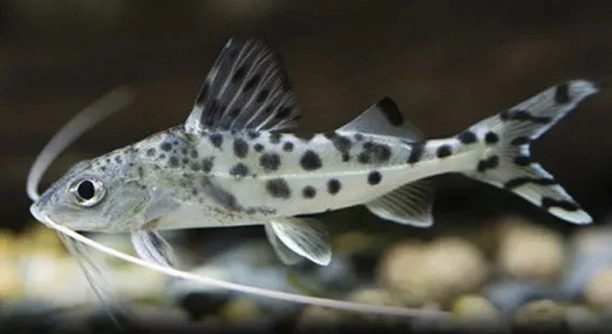
Pictus catfish are popular freshwater fish admired for their active nature and distinctive appearance. Keeping them healthy requires consistent care and attention to daily habits. Understanding these habits can improve their well-being and lifespan.
Maintaining a clean tank, providing a balanced diet, monitoring water parameters, and ensuring proper tank mates are essential daily practices to support the health of pictus catfish. These habits help prevent disease and promote natural behaviors.
Following these daily care routines will create a stable environment, ensuring your pictus catfish remain vibrant and active over time.
Consistent Tank Cleaning
Regular tank cleaning is vital for keeping pictus catfish healthy. Removing uneaten food and waste prevents harmful bacteria and toxins from building up. Partial water changes, about 20-30% weekly, maintain good water quality without stressing the fish. Cleaning the substrate and decorations also helps reduce debris. Using a gravel vacuum during water changes can effectively remove dirt while keeping beneficial bacteria intact. Avoid harsh chemicals or soaps, as they can harm the fish. Keeping the tank clean supports a stable environment and reduces the risk of disease. A well-maintained tank encourages natural behavior and reduces stress for pictus catfish, making them more active and vibrant.
Frequent water changes and substrate cleaning are key. These steps help maintain the balance needed for healthy fish and clear water.
Even a small change in tank maintenance can greatly affect your pictus catfish’s health. Regular cleaning avoids the buildup of nitrates and ammonia, which can be harmful. It also prevents algae growth that might reduce oxygen levels. Establishing a cleaning routine creates a safe environment where fish can thrive. Clean tanks promote better oxygen circulation and reduce stress caused by poor water conditions. When water parameters are stable, pictus catfish display their natural energy and color. Consistency in cleaning supports their immune systems and helps prevent common illnesses, ensuring they live longer and happier lives.
Balanced Diet and Feeding
Feeding pictus catfish a balanced diet is essential. They need a mix of protein and plant matter for good health.
Pictus catfish are omnivores and benefit from varied foods, including sinking pellets, frozen or live bloodworms, and vegetables. Offering food twice a day in moderate amounts prevents overfeeding, which can pollute the tank. Including occasional treats helps maintain interest and provides nutritional variety. It is important to remove uneaten food promptly to avoid water contamination. A balanced diet supports growth, energy, and immune function, all critical to keeping pictus catfish healthy and active in their environment. Feeding routines that match their natural habits help sustain their well-being.
Monitoring Water Parameters
Regularly testing water parameters is essential. Ideal levels for pictus catfish include a temperature of 75–81°F, pH between 6.5 and 7.5, and low ammonia and nitrite levels.
Keeping water parameters stable prevents stress and illness. Sudden changes can harm pictus catfish, weakening their immune system. Testing kits help track ammonia, nitrite, nitrate, pH, and temperature. Adjustments should be made gradually to avoid shock. Clean, well-oxygenated water encourages healthy behavior and vibrant colors. Maintaining these levels supports metabolic functions and overall well-being.
Proper filtration and aeration contribute to balanced water chemistry. Regular checks allow early detection of issues, helping prevent disease outbreaks. Consistency in monitoring is a simple way to ensure your pictus catfish thrive in their environment.
Providing Proper Tank Mates
Choosing compatible tank mates reduces stress and aggression. Pictus catfish prefer peaceful, similar-sized fish.
Avoid overcrowding the tank, as it increases competition and waste production. Suitable companions include other bottom dwellers and mid-level swimmers that share water parameter preferences. Aggressive or much larger fish can intimidate pictus catfish, leading to injury or hiding behavior. Proper selection promotes harmony, allowing each species to display natural behaviors. Introducing new fish slowly helps prevent conflicts and disease transmission. A balanced community tank supports the health and happiness of pictus catfish by reducing stress factors and encouraging social interaction.
Providing Hiding Spots
Pictus catfish feel safer with places to hide. Including caves, plants, or driftwood reduces stress and encourages natural behavior.
These hiding spots offer shelter during rest and when feeling threatened. They also help establish territories, which can reduce aggression in community tanks. Providing a variety of secure spaces helps pictus catfish feel comfortable and secure.
Maintaining Proper Lighting
Lighting should mimic natural day and night cycles. Too much light can cause stress and promote algae growth, while too little affects activity levels.
Use a timer to provide 10 to 12 hours of light daily. Soft, indirect lighting works best to create a calm environment. Proper lighting supports feeding habits and overall fish health.
Observing Behavior Daily
Watching your pictus catfish every day helps catch health issues early. Changes in activity or appearance often signal problems.
Pay attention to swimming patterns, appetite, and physical condition. Early detection of illness or stress allows timely intervention, which improves recovery chances and maintains tank harmony.
FAQ
How often should I feed my pictus catfish?
Pictus catfish should be fed twice a day with moderate amounts of food. Overfeeding can cause water quality issues and health problems. Feeding small portions helps ensure they eat everything and prevents leftover food from decaying in the tank. Variety in their diet is important, including sinking pellets, frozen or live foods, and occasional vegetables.
What water temperature is best for pictus catfish?
The ideal water temperature for pictus catfish is between 75°F and 81°F (24°C to 27°C). Maintaining stable temperature within this range helps support their metabolism and immune system. Sudden temperature changes can cause stress or illness. Using an aquarium heater and thermometer will help keep the temperature steady.
Can pictus catfish live with other fish?
Yes, pictus catfish can live peacefully with many other fish species. They do best with peaceful, similar-sized tank mates. Avoid aggressive or very large fish that might bully or harm them. Bottom dwellers or mid-level swimmers that share similar water requirements make good companions. Always monitor interactions when introducing new fish.
How large should the tank be for pictus catfish?
A minimum tank size of 30 gallons is recommended for pictus catfish because they grow up to six inches and are active swimmers. Larger tanks provide more stable water conditions and space for natural behavior. Overcrowding should be avoided as it causes stress and poor water quality.
How do I know if my pictus catfish is sick?
Signs of illness include loss of appetite, lethargy, abnormal swimming, spots or discoloration, and damaged fins. Stress can weaken their immune system, making them more vulnerable to disease. Regular observation helps catch problems early. Quarantining new fish and maintaining good water quality reduce risks.
What kind of substrate is best for pictus catfish?
Soft, smooth substrates like sand or fine gravel are ideal. Pictus catfish have sensitive barbels used for sensing food and their environment. Rough or sharp substrates can cause injury or infections. A soft substrate encourages natural foraging behavior without harm.
How often should I perform water changes?
Weekly partial water changes of 20-30% are recommended to keep water clean and balanced. Regular changes reduce toxins like nitrate and maintain healthy water chemistry. Avoid full water changes as they can disrupt beneficial bacteria and stress fish.
Do pictus catfish need special lighting?
Pictus catfish do best with moderate lighting that mimics natural day and night cycles. Too much light increases algae growth and stress, while too little light reduces activity and feeding. A timer can help maintain consistent lighting of about 10 to 12 hours daily.
What is the best diet for pictus catfish?
They need a balanced diet with protein and plant matter. Sinking pellets, live or frozen bloodworms, brine shrimp, and occasional vegetables are good choices. Avoid feeding only one type of food to ensure they receive all necessary nutrients.
How can I reduce stress for my pictus catfish?
Maintaining stable water parameters, providing hiding spots, avoiding aggressive tank mates, and following a consistent feeding and cleaning routine help reduce stress. Stress weakens the immune system and increases disease risk. Creating a calm, secure environment supports their health and behavior.
Final Thoughts
Caring for pictus catfish requires attention to several important daily habits. Maintaining a clean tank with regular water changes keeps their environment healthy and stable. Consistent monitoring of water parameters such as temperature, pH, and ammonia levels helps prevent stress and disease. Providing proper filtration and aeration supports good water quality, which is essential for these fish to thrive. Clean water encourages natural behavior and supports their immune system, making them less vulnerable to illness.
Feeding pictus catfish a balanced diet is another crucial aspect of their care. They need a mix of protein and plant matter, which can be provided through sinking pellets, live or frozen foods, and occasional vegetables. Feeding in moderate amounts twice a day prevents overfeeding and helps maintain good water quality. Including hiding spots like caves or plants in the tank gives them a sense of security. Proper tank mates and suitable lighting also contribute to a calm and stress-free environment.
Observing your pictus catfish daily helps detect any signs of illness or discomfort early. Changes in behavior, appetite, or appearance can indicate health problems that need to be addressed. By following these simple habits and creating a stable environment, you can help ensure your pictus catfish live a long, healthy, and active life. Consistency in care is key, and small efforts each day add up to a happier fish and a more enjoyable aquarium experience.

Hello,
If you enjoy the content that we create, please consider saying a "Thank You!" by leaving a tip.
Every little bit helps us continue crafting quality advice that supports the health, happiness, and well-being of pets around the world, for pets of all shapes, sizes, and species.
We really appreciate the kindness and support that you show us!