
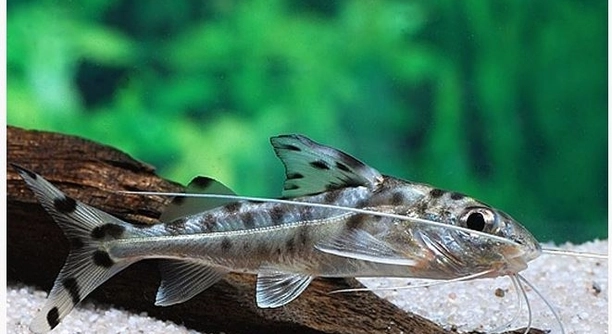
Many people enjoy keeping Pictus Catfish because of their active and interesting behavior. These fish are often chosen for home aquariums due to their unique appearance and lively nature. Understanding their care needs is important for a healthy environment.
Pictus Catfish can live in low-light rooms, but they thrive best with some moderate lighting. They adapt well to dim conditions since they are nocturnal and rely on their whiskers to navigate. However, total darkness is not ideal for their health and behavior.
Knowing the right lighting balance helps maintain the catfish’s well-being and keeps your aquarium environment stable and comfortable.
Understanding Pictus Catfish Lighting Needs
Pictus Catfish come from rivers and streams where light levels vary throughout the day. They are naturally adapted to shaded environments with plenty of hiding spots. In home aquariums, low to moderate light helps reduce stress for these fish. Bright lighting can cause them to hide more often, making their lively behavior less visible. Providing some dim lighting mimics their natural habitat and encourages normal activity. It’s important to include plants or decorations that create shadows and safe areas for resting. While they do not need intense light, completely dark tanks can disrupt their daily rhythms and feeding habits. Balancing light helps them stay healthy and active, offering a more engaging experience for anyone watching. This care approach respects their natural patterns without requiring complex equipment.
Pictus Catfish prefer environments where light is gentle rather than harsh, supporting their natural behaviors and reducing stress.
Offering a mix of shaded areas and soft light promotes natural swimming and feeding patterns. This setup keeps them comfortable and visible without overwhelming their senses. Gradually adjusting light levels can help the fish acclimate smoothly to changes. Proper lighting also supports the health of plants and other tank inhabitants, creating a balanced ecosystem. In low-light rooms, using a timer for aquarium lights ensures consistent day and night cycles. This routine helps maintain their internal biological clocks, which is essential for feeding and rest. Maintaining this balance allows the tank to remain a stable, healthy environment, promoting the well-being of the Pictus Catfish.
Setting Up a Low-Light Aquarium for Pictus Catfish
Low-light aquariums require careful planning to meet all fish needs.
Choosing plants that thrive in low light is essential for natural filtration and oxygenation. Options like Java fern and Anubias work well and provide cover. Substrate choice also affects water quality and comfort for bottom-dwellers like Pictus Catfish. A fine gravel or sand substrate mimics riverbeds and prevents injury. Using dimmable LED lights or placing the tank away from direct sunlight helps control brightness. Feeding routines should align with their natural activity times, usually in low light or evening hours. Keeping water clean and stable supports fish health, especially in shaded tanks where algae growth may slow down. Monitoring water parameters and providing hiding spots ensures the fish feel secure. Combining these elements results in a low-light environment that supports the natural behavior and longevity of Pictus Catfish, making tank maintenance easier for caretakers.
Feeding Pictus Catfish in Low-Light Conditions
Pictus Catfish are nocturnal feeders and prefer eating when the lights are dim or off. Feeding them during low light aligns with their natural habits and reduces stress during mealtime.
Offering sinking pellets or live foods like bloodworms ensures they receive proper nutrition. Feeding once or twice a day in the evening works best. Avoid overfeeding, as leftover food can spoil water quality. Watch their behavior to adjust portions. Since they hunt mostly by scent and touch, feeding in low light is natural and effective. Keeping a consistent feeding schedule supports their health and activity.
In low-light tanks, varied diet options promote good health. Including frozen or live foods helps replicate their natural diet. This variety provides essential nutrients and keeps them interested in feeding time. Using a small amount prevents leftover food buildup, helping maintain cleaner water. Monitoring feeding habits closely is important, as stress or illness can reduce appetite. Adjust food type and quantity if needed to keep Pictus Catfish healthy and thriving.
Tank Mates for Pictus Catfish in Low-Light Rooms
Choosing compatible tank mates helps maintain a peaceful environment. Pictus Catfish generally get along with non-aggressive species.
Avoid bright, territorial fish that stress catfish. Ideal companions include peaceful tetras, rasboras, and small gouramis. These fish tolerate dim lighting and similar water conditions. Avoid slow-moving or large fish that might bully or outcompete them. Proper tank size and hiding spaces help reduce conflict. Observe interactions regularly to ensure harmony. Well-matched tank mates make the aquarium experience more enjoyable for both fish and caretaker.
Water Quality in Low-Light Tanks
Maintaining good water quality is essential for Pictus Catfish health. Regular water changes help keep ammonia and nitrate levels low. Testing water parameters ensures a safe environment.
Stable temperature and pH are also important. Pictus Catfish prefer slightly acidic to neutral water between 72°F and 78°F. Consistency supports their well-being in low-light setups.
Lighting Options for Low-Light Rooms
LED lights with adjustable brightness are ideal for controlling light intensity. They provide enough illumination without stressing the fish.
Using timers creates consistent day and night cycles. This helps maintain natural rhythms and keeps the aquarium environment balanced.
Avoiding Common Lighting Mistakes
Too much light can cause stress and algae growth, while too little can affect plant health. Balance is key to a healthy tank.
Adjusting Lighting Gradually
Sudden changes in lighting can upset Pictus Catfish. Gradual adjustments help them adapt comfortably to new light levels.
FAQ
Can Pictus Catfish live in complete darkness?
Pictus Catfish can survive short periods without light, but complete darkness for long durations is not ideal. They rely on some light to maintain their natural day-night cycles and to regulate feeding and activity patterns. Extended darkness may cause stress and affect their health.
How much light do Pictus Catfish need daily?
A low to moderate amount of light, roughly 8 to 10 hours per day, works best. This mimics natural conditions where light is filtered through water and vegetation. Using a timer can help maintain this consistent schedule and support the fish’s biological rhythms.
What type of lighting is best for low-light rooms?
Adjustable LED lights are the preferred option. They provide enough illumination without being harsh or overly bright. LEDs are energy-efficient and can be dimmed to suit the needs of Pictus Catfish and other tank inhabitants.
Will Pictus Catfish eat during the day or only at night?
These catfish are primarily nocturnal feeders and are more active during dim light or nighttime. However, they can adapt to feeding schedules if the tank environment is calm and low-lit during feeding times.
Can low light affect the growth of aquarium plants?
Yes, low light can slow down plant growth because most aquatic plants need light for photosynthesis. Choosing low-light plants like Anubias and Java fern can help keep plants healthy in dimly lit tanks.
Is algae growth a concern in low-light tanks?
Algae growth is usually less aggressive in low-light tanks because algae need light to thrive. However, poor water quality or overfeeding can still cause algae issues, so regular maintenance is necessary.
How often should I change the water in a low-light tank?
Changing 20-30% of the water every one to two weeks is a good rule. This keeps the water clean, maintains stable parameters, and prevents buildup of harmful substances that could affect the fish.
Do Pictus Catfish need hiding places in a low-light environment?
Yes, hiding spots are very important. They provide security and reduce stress. Decorations like driftwood, rocks, and plants create shaded areas that mimic their natural habitat.
Can Pictus Catfish live with other nocturnal fish?
They can live peacefully with other nocturnal or calm fish that share similar water requirements. Avoid aggressive or territorial species that could cause stress or injury.
What are signs of stress in Pictus Catfish related to lighting?
Signs include hiding excessively, loss of appetite, or erratic swimming. Adjusting the light levels gradually and providing sufficient hiding spots usually helps reduce stress.
Should I adjust lighting when feeding Pictus Catfish?
Feeding during dim light or just after turning off the lights is ideal. This matches their natural habits and reduces competition with other fish during feeding.
Can artificial lighting replace natural light completely?
Artificial lighting can meet the needs of Pictus Catfish if properly managed. Timers and adjustable LEDs help replicate natural cycles and prevent stress caused by irregular lighting.
Is it okay if the tank is near a window with indirect sunlight?
Indirect sunlight can benefit the tank by providing some natural light, but avoid direct sunlight which can cause temperature fluctuations and excessive algae growth.
How does lighting affect Pictus Catfish behavior?
Proper lighting encourages natural swimming and feeding behaviors. Too much light can cause them to hide more, while too little can make them less active.
Can I use colored lights for Pictus Catfish tanks?
Colored lights can be used but should be gentle and not too intense. Some hobbyists use blue or red lighting during nighttime to observe fish without disturbing their natural rhythms.
Final Thoughts
Pictus Catfish can adapt well to low-light environments, making them a good choice for rooms without bright natural light. Their natural habitat often includes shaded waters, so they do not require strong lighting to feel comfortable. However, some light is still necessary to support their natural behaviors and health. Providing a balance of dim lighting with shaded areas helps keep them active and reduces stress. This setup also allows them to feed properly and maintain a healthy daily routine.
It is important to create a stable and well-maintained environment when keeping Pictus Catfish in low-light tanks. Regular water changes, proper feeding schedules, and consistent lighting cycles contribute to their overall well-being. Using low-light tolerant plants and decorations can improve water quality and offer hiding spots, which are essential for reducing stress. Lighting should be gentle and adjustable, avoiding sudden changes that may startle the fish. These measures help ensure the catfish remain healthy and visible while still respecting their natural preferences.
Choosing tank mates that tolerate similar lighting and water conditions also supports a peaceful aquarium. Non-aggressive species that do not require bright light work best alongside Pictus Catfish. Maintaining clean water and stable conditions benefits all tank inhabitants and makes caring for the aquarium easier. With thoughtful planning and care, Pictus Catfish can thrive in low-light rooms, providing an interesting and lively addition to any home aquarium. Their adaptability and active nature make them enjoyable to watch while requiring only moderate lighting and attention.

Hello,
If you enjoy the content that we create, please consider saying a "Thank You!" by leaving a tip.
Every little bit helps us continue crafting quality advice that supports the health, happiness, and well-being of pets around the world, for pets of all shapes, sizes, and species.
We really appreciate the kindness and support that you show us!