
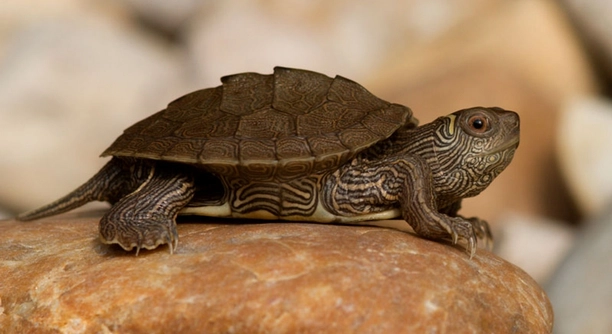
Do you ever notice your map turtle acting differently during the chilly winter months?
Cold weather can pose unique challenges for map turtles, such as sluggish behavior, appetite changes, and even health risks. Proper care and adjustments can help them stay healthy and comfortable throughout the season.
Understanding these winter challenges and solutions can ensure your map turtle remains happy and thriving all year round.
Cold Temperatures and Lethargy
During winter, map turtles often become less active due to lower temperatures. Their metabolism slows, leading to lethargy and less interest in food. Without proper care, this could weaken their immune system and cause long-term health issues. Ensuring they remain warm is essential.
Provide a basking area with a temperature of 85–90°F and a water temperature around 75–80°F. Use a reliable water heater and UVB lighting to mimic their natural environment. Regularly monitor the temperature to keep their habitat stable and prevent any sudden drops.
Maintaining these conditions not only keeps your map turtle comfortable but also ensures they stay healthy. A warm, stable habitat encourages normal activity levels and supports their immune system, even in colder months. Proper winter care helps them thrive all year.
Reduced Appetite During Winter
Map turtles may eat less in winter as their metabolism slows.
To address this, offer small portions of their usual diet and adjust feeding frequency based on their activity. Ensure their diet includes a mix of protein, vegetables, and commercial pellets.
Supplement their diet with calcium and vitamins to support their health. Monitor their weight and appetite closely. If any severe changes occur, consult a reptile vet to ensure your turtle stays healthy throughout winter.
Inadequate Lighting and UVB Exposure
Map turtles need proper UVB lighting to maintain healthy bones and shell growth. Insufficient lighting can lead to serious health issues, like metabolic bone disease. Ensure their habitat has consistent UVB exposure for 10–12 hours daily.
Choose a high-quality UVB bulb specifically designed for reptiles. Replace the bulb every 6–12 months, as UVB output diminishes even if the light appears functional. Position the bulb about 12 inches above the basking area to avoid overheating while ensuring adequate exposure.
Proper UVB lighting supports calcium absorption and strengthens your map turtle’s shell and bones. Combine this with a balanced diet rich in calcium to maximize their overall health. Regularly inspect your turtle’s shell for signs of discoloration or softness and adjust lighting as needed.
Poor Water Quality
Poor water quality can quickly lead to health problems for map turtles, including infections and stress.
Invest in a high-quality filtration system to keep the water clean and safe. Change a portion of the water weekly and monitor pH levels to ensure a suitable environment for your turtle.
Clean water reduces the risk of bacterial growth and keeps your turtle stress-free. Regular maintenance of their habitat is crucial to prevent long-term health problems. Make clean water a priority in your turtle’s care routine.
Stress from Noise and Activity
Excessive noise and frequent activity near their enclosure can stress map turtles. Stress weakens their immune system, making them vulnerable to illness. Place their tank in a quiet, low-traffic area to minimize disturbances and maintain their comfort.
Provide hiding spots within their enclosure to help them feel secure. Hiding areas reduce stress and promote a sense of safety, especially during winter when they may already feel vulnerable.
Overcrowding in the Tank
Overcrowding can lead to aggression and competition for resources among map turtles. Ensure your tank is large enough to accommodate all turtles comfortably, with adequate basking spots and swimming areas. A spacious tank promotes healthier interactions and reduces territorial behavior.
Infections and Illnesses
Winter conditions can increase the risk of respiratory infections and other illnesses. Monitor your turtle closely for signs like wheezing, lethargy, or changes in appetite. If symptoms appear, consult a reptile vet immediately for treatment.
FAQ
How can I keep my map turtle warm in winter?
To keep your map turtle warm during winter, provide a basking area with temperatures between 85–90°F and maintain the water temperature at 75–80°F. Use a water heater to regulate water temperature, and make sure your tank has a reliable UVB light source. Monitor the temperatures regularly to avoid any sudden drops.
What can I do if my map turtle isn’t eating in the winter?
Map turtles tend to eat less in winter because of slower metabolism. Try offering smaller meals and reducing the feeding frequency. If they’re still not eating, check the temperature and lighting conditions in their tank. A warm, well-lit environment encourages normal feeding behavior. If the issue persists, consult a vet.
Why is my map turtle staying at the bottom of the tank?
If your map turtle is staying at the bottom of the tank and not basking or swimming, it could be a sign of cold water or poor water quality. Make sure the water temperature is within the recommended range of 75–80°F, and check the filter system for any issues.
Can I hibernate my map turtle during winter?
Map turtles don’t typically hibernate, but they can enter a state of brumation, which is similar to hibernation. It’s important to ensure they are healthy before attempting brumation. If you choose to brumate your turtle, lower the temperature and reduce feeding. Monitor them carefully throughout the process.
How can I prevent my map turtle from getting sick in the winter?
To prevent sickness, maintain a clean tank with high-quality filtration, provide proper lighting, and ensure they stay warm and comfortable. Keep an eye out for any signs of respiratory infections, such as wheezing or lethargy. A healthy diet with calcium and vitamins is also essential.
Why is my map turtle’s shell turning soft or deformed?
A soft or deformed shell can be a sign of calcium deficiency or improper UVB exposure. Ensure your turtle is getting enough calcium through diet and supplements. Check the UVB light to make sure it’s providing adequate exposure, and replace it as needed. Consult a vet if the condition persists.
How often should I change my map turtle’s water during winter?
Even in winter, it’s important to change your map turtle’s water regularly. Change 25–50% of the water every week to maintain good water quality. Clean the tank and filter system frequently to prevent the buildup of waste. Keep the water temperature stable during these changes.
Can I use a heat lamp for my map turtle during winter?
Yes, a heat lamp is useful for providing the necessary basking temperature of 85–90°F for your map turtle. Ensure the heat lamp is positioned properly to avoid overheating. Use a thermometer to check the temperature at the basking spot and adjust the height of the lamp as needed.
What is the ideal tank size for a map turtle in winter?
Map turtles need a tank that’s large enough for them to swim comfortably, even during winter. A 40-gallon tank is a good minimum size for one adult map turtle. The tank should have ample swimming space and a dry basking area. Larger tanks are better for multiple turtles.
Are there any signs my map turtle is too cold?
If your map turtle is sluggish, inactive, or spending excessive time at the bottom of the tank, it could be too cold. Check the water temperature and basking area to make sure they’re within the appropriate range. A cold turtle may also refuse to eat. Make adjustments as needed.
How do I know if my map turtle is stressed?
Stress in map turtles can show up as hiding, lack of appetite, or erratic swimming behavior. Common causes of stress include poor water quality, overcrowding, loud noises, or improper lighting. Ensuring a quiet environment with the correct water parameters and plenty of hiding spots will help reduce stress.
What should I do if my map turtle gets an infection during winter?
If your map turtle shows signs of infection, such as wheezing, discharge from the nose, or unusual lethargy, seek veterinary care immediately. Infections can spread quickly in cold temperatures and may worsen if untreated. Your vet will guide you on the proper treatment and recovery process.
Can I use tap water for my map turtle’s tank in winter?
It’s generally safe to use tap water for your map turtle’s tank, but you should treat it with a water conditioner to remove chlorine and chloramine. These chemicals can harm your turtle. Make sure the water temperature is adjusted before adding it to the tank to avoid sudden temperature changes.
How do I prevent my map turtle from becoming too inactive in winter?
To keep your map turtle active during winter, maintain a consistent and warm tank environment. Keep their basking area warm, provide enough space to swim, and offer food at regular intervals. If they remain inactive for extended periods despite proper care, check for signs of illness.
Can I handle my map turtle more during winter?
It’s best to avoid excessive handling during the winter months as this can cause unnecessary stress. While some interaction is fine, map turtles are more sensitive to stress in colder months. Let them bask and swim freely in their environment, and limit handling to health checks when necessary.
Should I adjust the humidity in my map turtle’s tank during winter?
Winter air can be drier, which may lower humidity levels in your turtle’s tank. Map turtles require a humidity level of around 50–60%. Use a humidity gauge to monitor the levels and increase humidity by misting the tank or using a humidifier if needed. This helps maintain skin and shell health.
Final Thoughts
Caring for a map turtle in winter requires some extra attention, but it’s manageable with the right setup and routine. Keeping their environment warm, well-lit, and clean will help them stay healthy and active during the colder months. The right temperature for basking, as well as maintaining the right water conditions, are key factors in keeping your turtle comfortable. Don’t forget to provide enough space, hiding spots, and proper diet to support their overall well-being. A little extra care will help your map turtle thrive even in winter.
It’s important to remember that map turtles can be quite sensitive to changes in their environment. Temperature drops, poor water quality, or inadequate lighting can all lead to health problems. By keeping an eye on these factors and making adjustments as needed, you’ll be able to prevent most common winter problems. Regular checkups on their tank conditions, diet, and general behavior will ensure that any potential issues are caught early. If you notice anything unusual, consult a vet to make sure your turtle stays in good health.
Map turtles are resilient creatures, but they rely on their owners to create the right conditions for them to thrive. Winter can present challenges, but with some simple steps, you can provide your turtle with the care it needs. A stable environment, the right food, and proper lighting are all essential to maintaining their health throughout the colder months. As long as you stay proactive and attentive, your map turtle will be able to enjoy a healthy, comfortable winter.

Hello,
If you enjoy the content that we create, please consider saying a "Thank You!" by leaving a tip.
Every little bit helps us continue crafting quality advice that supports the health, happiness, and well-being of pets around the world, for pets of all shapes, sizes, and species.
We really appreciate the kindness and support that you show us!