
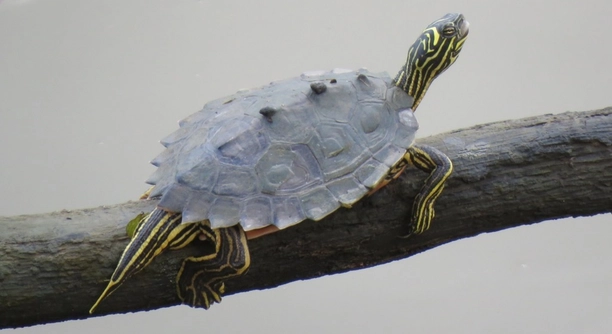
Map turtles are fascinating creatures, and observing their behaviors can raise questions. One such behavior is when they dig in the substrate without laying eggs, which may seem puzzling to some.
The behavior of map turtles digging in the substrate, even without laying eggs, is linked to nesting instincts, environmental stimulation, and territorial behavior. These actions help them prepare their environment and explore, despite not always resulting in egg-laying.
Understanding these behaviors can help you provide a better habitat for your map turtle.
Why Map Turtles Dig in Substrate
Map turtles often dig in the substrate without laying eggs. This behavior is a natural part of their instincts, and it can happen for several reasons. They may be preparing the area in case they do decide to nest or simply exploring their environment. It’s important to understand that digging doesn’t always mean they are ready to lay eggs. They could be adjusting the conditions to their liking, creating a more comfortable or secure space.
Map turtles also dig when they feel the need to hide or create a den-like environment. They may be responding to changes in temperature or water quality. Digging can also be an expression of territorial behavior or an instinctual response to environmental triggers. It’s vital to ensure the environment is optimal, as poor conditions can increase the frequency of such behavior.
Additionally, map turtles are curious creatures, and digging can simply be part of their exploration process. They dig to investigate the textures and materials in their habitat. If there are no eggs, it’s likely a sign they are simply investigating or preparing the substrate.
Environmental Influences
Factors like water temperature, lighting, and the availability of space play a significant role in a turtle’s decision to dig.
When a map turtle is kept in an environment with fluctuating conditions, such as inadequate water quality or lighting, it might feel the need to dig. Providing a stable, clean habitat can reduce unnecessary digging. If the turtle senses a lack of security or comfort, it might dig more frequently to find a better location or simply to adjust the conditions to its preferences. Proper tank size and consistent environmental conditions help reduce stress and the instinct to dig excessively.
Substrate and Nesting Behavior
Map turtles instinctively dig, especially in the wild, where they use digging to create nesting sites. However, this behavior can happen in captivity even if they aren’t ready to lay eggs. They may instinctively create a nest-like space by digging, which may or may not result in egg-laying. The type of substrate provided, like sand or dirt, can encourage this behavior. Soft, loose materials seem to trigger a more frequent digging response, mimicking natural nesting sites.
When the conditions in their tank resemble those they would find in the wild, such as the presence of natural materials, the turtles are more likely to dig. However, it’s important to note that if eggs are not laid, the behavior is purely instinctual. The right environmental setup, including proper lighting, temperature, and substrate, can prevent excessive or unnecessary digging.
Causes of Digging Behavior in Map Turtles
Map turtles often dig when they are feeling stressed or unsettled in their environment. The need to dig can stem from changes in water conditions or temperature. If the tank setup is suboptimal, turtles may attempt to adjust their surroundings to create a more comfortable space.
Temperature fluctuations can trigger this behavior, as map turtles have precise environmental needs. If the water temperature is too high or too low, turtles may dig in an attempt to find a cooler or warmer spot. Inadequate basking areas or improper lighting can also make them dig more, seeking comfort or safety.
Proper tank maintenance helps prevent unnecessary digging. Ensure that the temperature remains stable, and provide enough basking space. Clean water and a proper filtration system can help reduce stress, making it less likely for turtles to engage in excessive digging.
Impact of Substrate on Digging
The type of substrate you use can affect how often map turtles dig. Soft, loose substrates, like sand or soil, are more likely to encourage digging. These materials mimic natural nesting areas and encourage map turtles to engage in instinctual behaviors.
Map turtles have a natural inclination to dig in soft materials, and when provided with a suitable substrate, they are more likely to attempt nesting or exploring. However, it’s essential to balance substrate type with other tank conditions. If your turtle digs too much, consider using a firmer substrate or adjusting the environment.
Changing the substrate or using a mix of materials can reduce unnecessary digging. For example, a combination of sand and gravel may offer a balance that discourages excessive digging while still allowing the turtle to engage in natural behaviors.
Effects of Stress on Digging Behavior
Stress is a significant factor contributing to map turtles digging in their substrate. They may dig when feeling threatened, unsure, or uncomfortable. Environmental stressors like overcrowding, sudden changes in their habitat, or improper care can lead them to dig as a response.
Keeping the environment stable and maintaining consistent care can reduce stress and limit unnecessary digging. Make sure your turtle’s tank is appropriately sized, with enough space and hiding spots to make them feel secure. Reducing external disturbances also helps avoid triggering this behavior.
The Role of Instincts in Digging
Digging is also deeply rooted in the map turtle’s instincts. Even without eggs to lay, they may instinctively engage in digging to mimic natural behaviors. In the wild, turtles dig to create suitable nesting areas or hide from predators.
Replicating this instinctual behavior is important for their overall well-being. In captivity, a lack of this type of stimulation may cause the turtle to dig in an effort to satisfy these natural needs. It is essential to provide an enriched environment that offers opportunities for them to exhibit such behaviors.
How to Manage Excessive Digging
Excessive digging in map turtles can be managed through simple adjustments to their habitat. Ensure the substrate is not too soft or loose, which might encourage excessive digging. Additionally, consider the size and shape of their tank to make sure they have enough space to move freely.
It’s also essential to maintain the right water quality and temperature to avoid triggering stress-related digging. Regularly monitor their environment, making sure it mimics their natural habitat as closely as possible, which can minimize unwanted behaviors.
FAQ
Why do map turtles dig in the substrate even if they’re not laying eggs?
Map turtles dig in the substrate due to natural instincts and environmental factors. They might be preparing a nesting site, exploring, or responding to changes in their habitat. It’s also possible they are trying to create a more comfortable or secure space. This behavior is common even in the absence of egg-laying.
Is it bad if my map turtle digs too much?
Excessive digging can be a sign of environmental stress. It may indicate that something in the tank isn’t right, such as improper water conditions or insufficient space. While some digging is normal, excessive behavior warrants adjustments to the habitat. If your turtle is digging excessively, check for temperature fluctuations, poor water quality, or overcrowding.
How can I prevent my map turtle from digging excessively?
To prevent excessive digging, ensure the environment is stable and comfortable. Keep the water temperature within the ideal range and provide a suitable basking area. Use a firm substrate that discourages excessive digging, and ensure the tank is large enough for your turtle to feel secure. Reducing stress factors, like loud noises or environmental instability, will also help.
Should I change the substrate if my map turtle digs a lot?
If your map turtle is digging excessively, it may be worth considering a change in substrate. Soft materials like sand or dirt may encourage more digging. Switching to a firmer substrate, like a mix of sand and gravel, can help reduce the frequency of digging. The key is to replicate the natural environment without triggering unwanted behaviors.
What type of substrate is best for map turtles?
The best substrate for map turtles includes materials like fine sand, gravel, or a mixture of both. These materials mimic their natural habitat and allow for digging behaviors while preventing excessive burrowing. Avoid substrates like large rocks or coarse gravel that may hurt your turtle or make it difficult for them to dig comfortably.
Can stress cause map turtles to dig more often?
Yes, stress can cause map turtles to dig more frequently. Factors such as poor water quality, improper temperature, or an overcrowded tank can make them feel insecure, triggering their digging behavior. Ensuring that their environment is stable and free from stressors can help reduce this behavior.
Does temperature affect map turtles’ digging behavior?
Temperature plays a significant role in map turtles’ behavior. If the water temperature is too high or low, turtles may dig in an attempt to find a more comfortable spot. Providing a stable and appropriate temperature range in their tank is crucial to minimizing digging that results from temperature discomfort.
How can I ensure my map turtle’s tank is comfortable?
To ensure your map turtle’s tank is comfortable, keep the water temperature between 72°F and 78°F. Provide a basking area with a temperature of around 90°F. Make sure the water is clean and filtered. Adding hiding spots and keeping the tank clean will help your turtle feel secure and reduce stress-related digging.
Can map turtles dig in tanks that are too small?
Yes, map turtles can dig more frequently in tanks that are too small. They may feel cramped, leading to stress and excessive digging as they attempt to create more space or secure an area. A larger tank with enough room to move around will help reduce digging behavior.
Is it necessary to provide a nesting area for map turtles?
While map turtles may not always lay eggs, providing a suitable area for nesting can help prevent excessive digging. A small, soft area in the tank where your turtle can dig is beneficial. If your turtle is of breeding age, they may use this space when ready to lay eggs.
How often should I clean my map turtle’s tank to prevent stress?
Cleaning your map turtle’s tank regularly is essential to prevent stress and ensure a healthy environment. Aim to clean the tank once a week, replacing water and cleaning the filter. Spot clean daily by removing any uneaten food or waste. Maintaining cleanliness reduces stress and helps prevent excessive digging.
Why is my map turtle digging even though the water quality is good?
Even with good water quality, map turtles may dig due to instinctual behavior or environmental factors such as temperature, lighting, or substrate. They may also dig simply out of curiosity or to create a more secure space. It’s important to evaluate the overall environment to identify any other potential triggers.
Can map turtles dig in their natural habitat?
Yes, map turtles naturally dig in the wild. They use digging as a way to create nesting sites or to hide from predators. The behavior is instinctual, and in the wild, turtles dig in soft substrates like mud or sand to help them feel secure and safe.
Final Thoughts
Map turtles’ digging behavior is a natural and instinctive action that serves several purposes, even when they’re not laying eggs. They may dig to create a comfortable environment, mimic behaviors from the wild, or relieve stress. Understanding why they dig and the factors that influence this behavior can help you create a suitable habitat for your turtle. Environmental factors such as water quality, temperature, substrate, and tank size can all contribute to digging. By maintaining a stable and comfortable habitat, you can reduce excessive digging and improve your turtle’s well-being.
In many cases, digging is not a problem, as it is simply a part of a map turtle’s natural instincts. However, if excessive digging becomes a concern, it may indicate that the environment is not ideal. Stress from poor water conditions, overcrowding, or temperature imbalances can make a turtle feel uncomfortable and insecure, leading them to dig more. Addressing these environmental factors can help create a better living space for your turtle and reduce the unwanted behavior. Always ensure that your map turtle’s tank is large enough, clean, and offers enough hiding spots to feel secure.
In conclusion, map turtles dig for a variety of reasons, and this behavior is not necessarily a cause for alarm. By understanding the natural instincts of these turtles and paying attention to their environment, you can ensure that they live in a comfortable, stress-free habitat. Make sure to regularly monitor their tank conditions, providing proper care, and creating a space that caters to their needs. This will help minimize unnecessary digging while promoting a happy and healthy life for your map turtle.

Hello,
If you enjoy the content that we create, please consider saying a "Thank You!" by leaving a tip.
Every little bit helps us continue crafting quality advice that supports the health, happiness, and well-being of pets around the world, for pets of all shapes, sizes, and species.
We really appreciate the kindness and support that you show us!