
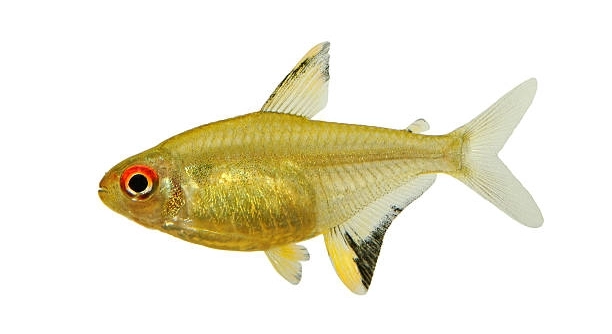
Moving your lemon tetra to a new tank can be stressful for both you and your fish. Changes in environment affect their behavior, appetite, and overall health. Providing proper care during this period is essential for a smooth transition.
The best way to help lemon tetras after a tank move is to stabilize water parameters, maintain a consistent feeding schedule, reduce sudden disturbances, and provide hiding spots. Monitoring their behavior closely ensures stress levels remain low and health is preserved.
Proper attention during this adjustment period can prevent illness and promote comfort. Knowing the right steps will help your lemon tetras thrive in their new environment.
Preparing the New Tank
Setting up the new tank properly is the first step in helping your lemon tetras adjust. Make sure the water temperature, pH, and hardness match their previous tank as closely as possible. Adding live plants and decorations gives them familiar hiding spots and reduces stress. Avoid overcrowding by introducing only a few fish at a time. Check the filtration system to ensure gentle water flow, as strong currents can overwhelm them. Lighting should mimic their natural environment, with gradual transitions rather than sudden bright lights. Conduct partial water changes regularly to maintain water quality and prevent ammonia or nitrate spikes. Place the tank away from loud noises or frequent movement, which can cause additional stress. Keeping the tank stable and calm during the first few days helps the fish acclimate more comfortably. Observing their behavior and ensuring they have plenty of cover can make the adjustment smoother and reduce the risk of illness.
A properly prepared tank creates a secure environment. Lemon tetras feel safer when conditions are stable and familiar.
Monitoring tank conditions and gradually introducing fish ensures they adapt without stress. Attention to water quality, temperature, and hiding spaces is key to their well-being.
Feeding and Observation
Offer small, frequent meals to help your lemon tetras regain appetite. Avoid overfeeding, which can pollute the water and cause health issues.
Observe their swimming patterns, coloration, and interactions with other fish daily. Changes in behavior may indicate stress or illness. Watch for lethargy, clamped fins, or hiding more than usual. Keep a journal of feeding times and amounts to spot patterns or irregularities. Encourage natural behavior by offering a mix of flake, frozen, or live foods. Adjust feeding based on their activity and appetite, ensuring all fish receive adequate nutrition. If any signs of illness appear, isolate affected fish and consult reliable care resources promptly. Maintaining consistency in feeding and observation fosters trust in the tank environment. By staying attentive, you can identify small issues before they escalate and support your lemon tetras in settling comfortably. Regularly checking water parameters alongside observation enhances their overall health. Consistency and care create a stress-free habitat that encourages natural activity and healthy development for each fish.
Reducing Stress
Provide hiding spots like plants or small decorations to make lemon tetras feel secure. Minimize sudden movements and loud noises around the tank.
Maintaining stable water parameters is crucial. Sudden changes in temperature, pH, or hardness can shock the fish and weaken their immune systems. Keep lights on a gentle cycle to prevent startling them. Limit interactions around the tank during the first week to allow them to explore at their own pace. Using a gentle filter and avoiding strong currents also helps reduce stress. Regular partial water changes ensure the water remains clean without introducing sudden chemical changes.
Observe their behavior closely for the first several days. Stress can manifest as hiding, erratic swimming, or reduced appetite. Respond quickly by adjusting tank conditions, adding more cover, or providing additional monitoring. Consistent care and a calm environment promote recovery and adjustment, helping the lemon tetras regain confidence and normal activity levels faster.
Monitoring Health
Check your lemon tetras daily for signs of illness such as faded colors, clamped fins, or unusual swimming patterns.
Pay attention to feeding habits and waste production. Fish that refuse food or produce abnormal waste may be under stress or developing health issues. Quarantine any fish showing symptoms to prevent spread of disease. Maintain a record of water parameters, feeding schedules, and behavior to spot problems early. Use high-quality food and avoid overfeeding to prevent digestive issues. Clean the tank and filter regularly without shocking the fish. Encourage natural behaviors with hiding spots and gentle water flow. Quick intervention at the first signs of stress or illness can prevent long-term health problems.
A consistent routine in feeding, observation, and water maintenance is essential. This ensures that lemon tetras remain healthy, active, and comfortable in their new tank. Attention to small details can make a significant difference in their overall well-being.
Acclimating Gradually
Float the bag or container in the new tank for 15–20 minutes to equalize temperature. Gradual mixing of tank water helps reduce shock.
Add small amounts of tank water to the container every 5 minutes. This allows the lemon tetras to adjust to new water chemistry safely.
Maintaining Water Quality
Regular water testing is essential to ensure ammonia, nitrite, and nitrate levels remain safe. Keeping the water clean supports immune health and reduces stress. Change 10–20% of the water weekly while avoiding sudden shifts in temperature or chemical balance.
Adjusting Lighting
Start with dim lighting for a few days after moving. Bright light can stress lemon tetras.
Introduce normal lighting gradually. This helps them acclimate and encourages natural behavior without causing anxiety or hiding excessively.
FAQ
How long does it take for lemon tetras to adjust to a new tank?
Lemon tetras usually take several days to a week to fully adjust. Some may adapt faster, while others need more time depending on stress levels and water stability. Providing hiding spots, stable water conditions, and minimal disturbance helps them settle comfortably and regain normal activity.
What signs indicate stress in lemon tetras after a move?
Common signs include clamped fins, faded colors, erratic swimming, excessive hiding, or loss of appetite. Sudden changes in water parameters or tank environment often trigger these behaviors. Observing these signs early allows timely intervention to prevent illness or long-term stress.
Should I quarantine my lemon tetras before moving them to a new tank?
Quarantining is recommended if the fish come from a different source. A separate quarantine tank for 1–2 weeks helps monitor for diseases and parasites, preventing potential spread to other tank inhabitants. During this period, maintain optimal water conditions and monitor feeding and behavior closely.
How often should I feed lemon tetras after a tank move?
Feed small portions 2–3 times a day. Overfeeding can pollute the water and increase stress. Offering high-quality flake or frozen food in moderation encourages appetite without overwhelming the fish or affecting water quality. Observing their response to food helps adjust portion sizes appropriately.
Can sudden water changes harm lemon tetras during acclimation?
Yes, abrupt water changes can shock their system and increase stress. Partial water changes of 10–20% are safer and help maintain clean water without causing drastic shifts in temperature or chemical balance. Always ensure water parameters match the tank before changes.
Do lemon tetras need hiding spots after a move?
Absolutely. Plants, rocks, or small decorations provide security and reduce stress. Hiding spots allow them to explore at their own pace and feel protected, especially during the first few days after relocation. Adequate cover encourages natural behavior and reduces aggressive or erratic movements.
How can I help lemon tetras regain appetite quickly?
Offer small, frequent meals of high-quality food. Live or frozen foods can stimulate interest. Maintain stable water conditions, reduce disturbances, and provide cover to help them feel secure enough to eat. Patience is important, as appetite may gradually return over several days.
What water parameters are best for lemon tetras after a move?
Ideal water temperature ranges between 72–78°F, pH around 6.5–7.5, and soft to moderately hard water. Maintaining these conditions reduces stress and supports immune health. Frequent monitoring ensures stability, especially during the first week after moving.
How do I know if a fish is sick or just stressed?
Stress usually shows as temporary hiding, reduced activity, or pale colors, while illness often includes clamped fins, lesions, labored breathing, or abnormal swimming. Monitoring feeding habits, behavior, and water conditions helps differentiate between stress and early signs of disease.
Is it necessary to adjust lighting after moving lemon tetras?
Yes, start with dim lighting for a few days to prevent stress. Gradually increase light intensity to normal levels. This approach encourages natural behavior while allowing the fish to acclimate to the new environment without anxiety.
Can moving multiple fish at once increase stress?
Yes, overcrowding or moving too many fish simultaneously can heighten stress. Introducing them gradually or ensuring ample space and hiding spots helps minimize conflicts and reduces stress-related behaviors. Observing interactions closely is important during this period.
How important is routine observation after a tank move?
Routine observation is critical. Checking water parameters, feeding habits, and behavior daily allows you to detect early signs of stress or illness. Consistent monitoring ensures timely adjustments and supports the overall health and comfort of your lemon tetras in the new tank.
Are water conditioners necessary after a move?
Using water conditioners can help neutralize chlorine, chloramines, and heavy metals in tap water. They reduce stress on the fish’s delicate systems and promote faster recovery during acclimation. Always follow dosing instructions and ensure conditions remain stable after application.
Can temperature fluctuations harm lemon tetras after moving?
Yes, sudden temperature changes can cause stress, weaken the immune system, and make fish susceptible to disease. Gradual acclimation and maintaining a stable heater or consistent ambient temperature are essential for their recovery and overall well-being.
How long should I monitor behavior closely after a tank move?
Close observation is most critical during the first week. Stress signs usually appear immediately or within a few days. Maintaining vigilance for at least seven days ensures early intervention, helping the fish adapt successfully and avoid health complications.
What should I do if a fish shows persistent stress?
Isolate the fish in a quiet area or quarantine tank if stress persists. Check water parameters, provide additional hiding spots, and maintain minimal disturbances. Consistent care and attention to environmental stability can gradually reduce stress and restore normal behavior.
Is it safe to add new fish immediately after moving lemon tetras?
It is not recommended. Allow at least a week for the moved fish to acclimate before introducing new tank mates. This reduces stress and prevents potential aggression, disease spread, or overcrowding in the tank.
How do I encourage social behavior after a move?
Ensure stable water conditions, adequate space, and hiding spots. Gradually reducing disturbances and providing small groups of compatible fish encourages natural schooling behavior. Monitoring their interactions ensures comfort and reduces aggression or excessive hiding.
Should I adjust feeding if fish are stressed?
Feed smaller portions more frequently rather than large meals. Stress can reduce appetite, so offering manageable amounts ensures nutrition without polluting the water. Observe which foods they respond to and adjust accordingly for optimal intake.
How can I make the tank environment more comfortable?
Provide gentle water flow, consistent lighting, secure hiding spots, and stable water parameters. Limiting sudden disturbances, maintaining cleanliness, and observing the fish regularly all contribute to a comfortable and stress-free environment that promotes health and natural behavior.
Final Thoughts
Helping lemon tetras adjust after a tank move requires attention, patience, and consistent care. The transition can be stressful for these small, sensitive fish, but taking careful steps can make a significant difference. Maintaining stable water conditions is the foundation of their adjustment. Temperature, pH, and hardness should match their previous environment as closely as possible. Even small fluctuations can cause stress, weaken their immune system, and make them more susceptible to disease. Gradual acclimation to the new water, whether through floating their transport bag or slowly mixing tank water, reduces shock and helps them feel more secure. Monitoring these conditions daily ensures any sudden changes are addressed quickly.
Providing a calm and predictable environment also plays an essential role in their recovery. Hiding spots, plants, and gentle water flow help lemon tetras feel safe, reducing stress-related behaviors such as clamped fins, erratic swimming, or hiding excessively. Feeding routines should remain consistent, offering small portions multiple times per day to encourage appetite without polluting the water. Observing their behavior closely during the first week allows for early detection of stress or health issues. Fish that are comfortable in their surroundings are more likely to regain normal activity levels quickly and display vibrant colors, indicating overall well-being. Limiting disturbances near the tank, maintaining gentle lighting, and avoiding overcrowding create a stable atmosphere that encourages natural schooling behavior and interaction among the tetras.
Long-term care is equally important after a move. Regular partial water changes, consistent monitoring of water parameters, and attention to diet support continued health and comfort. Quarantine or isolation may be necessary for fish that display prolonged stress or signs of illness, preventing problems from affecting the rest of the tank. Encouraging natural behavior by providing space, hiding spots, and gentle water flow helps reduce anxiety and promotes active swimming and feeding. Adjustments should be gradual, avoiding sudden changes in environment or tank conditions, as lemon tetras respond best to stability and predictability. By combining careful observation, proper water management, and thoughtful tank design, you can help your lemon tetras recover from a move, maintain their health, and thrive in their new home over the long term. Consistency and patience are the key factors that ensure these fish adapt comfortably and continue to display their natural behavior in a stress-free environment.

Hello,
If you enjoy the content that we create, please consider saying a "Thank You!" by leaving a tip.
Every little bit helps us continue crafting quality advice that supports the health, happiness, and well-being of pets around the world, for pets of all shapes, sizes, and species.
We really appreciate the kindness and support that you show us!