
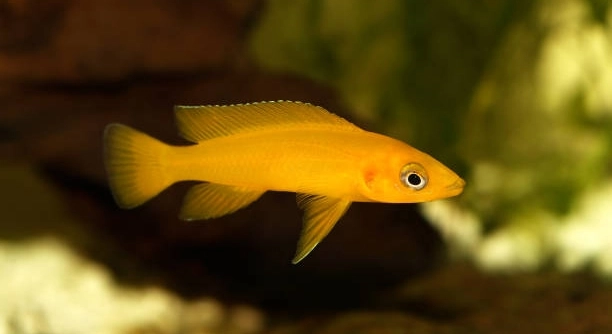
Are your lemon tetras acting unusually shy or restless during certain moments in your presence? Many fish owners notice subtle changes in behavior when they are around, leading to curiosity about these tiny, vibrant companions.
Lemon tetras do exhibit minor behavioral changes in response to human presence, although these responses are not directly linked to human emotions. Factors such as movement, noise, and light can influence their activity and stress levels.
Understanding these small behavioral cues can improve your interactions and create a calmer, more comfortable environment for your fish.
How Lemon Tetras React to Presence
Lemon tetras are small, sensitive fish that can notice changes in their environment, including human presence. When you approach the tank, they may swim closer or scatter, depending on their comfort level and previous experiences. They respond more to movements and vibrations than to any emotional energy. Sudden hand motions, tapping on the glass, or loud sounds can startle them and increase stress, while slow, calm movements tend to make them more relaxed. Over time, they may recognize you as a non-threatening presence, but this does not mean they understand moods or emotions in the human sense. Their bright yellow color and active swimming patterns are natural behaviors that can be slightly influenced by stimuli in their environment. Providing plants and hiding spots in the tank helps them feel safe and reduces stress from external factors, including your presence.
Human presence alone does not dramatically alter lemon tetra behavior, but gentle interactions can encourage confidence.
Creating a consistent routine benefits lemon tetras. Regular feeding times and predictable activity around the tank help them feel secure. They learn to associate movements outside the tank with food, but it is important to maintain patience. Sudden changes can cause stress and reduce activity, which may be misinterpreted as fear or avoidance. Observing their behavior allows you to see which approaches make them more active and comfortable. Lighting, tank size, and water quality also contribute to their sense of safety. By understanding these factors, you can create a more stable and engaging environment. Over time, the tetras may display more confident swimming patterns and explore open areas of the tank, showing signs of habituation to your presence. Consistency and observation are key to maintaining a calm and healthy tank environment.
Signs of Stress in Lemon Tetras
Stress in lemon tetras is often visible through erratic swimming, hiding, or faded colors.
When stressed, lemon tetras may cluster together or cling to plants and decorations. They can become less active or avoid open areas entirely. These signs indicate that the tank environment or interactions need adjustment. Observing these behaviors early helps prevent long-term health problems and ensures the fish remain lively and healthy. Maintaining stable water conditions, reducing sudden movements, and providing hiding spaces all help minimize stress. By paying attention to these subtle cues, you can support the tetras’ well-being effectively and keep them thriving in a home aquarium.
Factors That Influence Behavior
Water temperature, tank size, and lighting can all affect lemon tetra behavior. Small tanks or fluctuating temperatures can cause stress, while stable conditions promote normal activity. Proper lighting helps them feel secure, as sudden changes can startle these sensitive fish.
Consistent water quality is critical for lemon tetras. Poor filtration or irregular water changes can lead to stress, impacting their swimming patterns and appetite. They thrive in slightly acidic to neutral water with stable temperatures between 22-28°C. A tank with plants, hiding spots, and open swimming areas allows them to express natural behaviors while feeling safe. External disturbances like sudden noise or vibrations also affect their comfort levels, so keeping a calm environment around the tank is beneficial.
Interaction frequency plays a subtle role. Frequent, gentle observation helps them recognize human presence as non-threatening, but excessive tapping or rapid movements can make them wary. Observing from a distance allows them to remain active and explore the tank confidently. Over time, consistent care and attention help them develop predictable behavior, making it easier to notice changes in their health or mood.
Feeding and Human Presence
Feeding routines influence how lemon tetras respond to humans. They often swim closer during regular feeding times, associating your presence with food.
Feeding patterns create a sense of predictability for lemon tetras. They quickly learn when food is available and may approach the tank during those times, showing more active swimming and boldness. Offering small portions multiple times a day prevents overfeeding and reduces stress. Using a consistent feeding method, like dropping flakes in the same area, helps them recognize safe zones and reduces competition among tank mates. By maintaining routine and observing their response, you can ensure the tetras stay healthy and comfortable.
Human activity around the tank can subtly affect feeding behavior. Sudden movements or tapping may cause them to hide, while calm and steady presence encourages them to feed confidently. It is important to monitor their response and adjust routines if signs of stress appear. Over time, lemon tetras may exhibit consistent, predictable patterns during feeding, reflecting both their adaptation to the environment and their comfort with human presence. Observing these interactions can help identify behavioral changes early and maintain overall well-being.
Recognizing Comfort Levels
Lemon tetras show comfort by swimming openly and exploring the tank. They may hover near plants or decorations without hiding, indicating they feel safe in their environment.
Comfortable tetras often follow predictable patterns and interact calmly with tank mates. Sudden disturbances or unfamiliar movements can temporarily make them cautious, but regular observation helps them feel more secure over time.
Subtle Responses to Movement
Lemon tetras respond more to motion than presence. Slow, steady movements around the tank are less likely to startle them, while rapid gestures can trigger hiding or darting behavior. Their reactions are instinctive and help them avoid perceived threats.
Environmental Enrichment
Providing plants, open swimming space, and gentle current encourages natural behavior. Enrichment reduces stress and promotes activity, making the fish more confident and responsive.
FAQ
Do lemon tetras recognize their owners?
Lemon tetras do not recognize humans in the way pets like dogs or cats do. However, they can learn to associate certain movements or feeding routines with non-threatening interaction. Over time, they may swim closer when you approach the tank, especially during feeding. This is more about conditioning than recognition of individuals.
Can my mood affect lemon tetras?
Fish do not perceive human emotions like happiness or sadness. Their behavior changes are triggered by external stimuli such as movement, noise, or sudden changes in light. Calm and steady activity around the tank may make them more comfortable, but it is not a direct response to human mood.
Why do my tetras hide when I am near?
Hiding is a natural response to perceived threats. Rapid movements, tapping on the tank, or loud sounds can startle them. Providing plants, decorations, and open swimming areas gives them options to feel safe and reduces stress. Over time, they may become less wary of consistent human presence.
How often should I interact with my tetras?
Interaction should be calm and predictable. Observing them quietly during feeding or from a short distance is sufficient. Excessive tapping or quick gestures can increase stress, while gentle and steady routines help them adjust to human presence without fear.
Does tank size influence their behavior around me?
Yes, smaller tanks can make tetras feel confined, which may increase stress and hiding behavior. Larger tanks with adequate swimming space, plants, and decorations allow them to express natural behaviors while feeling secure, which can make them appear more confident when you are nearby.
Can noise or vibrations impact my fish?
Lemon tetras are sensitive to vibrations and sudden noises. Loud sounds, nearby heavy footsteps, or moving furniture can startle them and trigger hiding or frantic swimming. Minimizing disturbances around the tank helps maintain their calm and encourages natural, relaxed behavior.
Do lighting changes affect how they respond to me?
Sudden changes in lighting can stress lemon tetras. Gradual shifts in light intensity and maintaining a consistent day-night cycle help them adjust and feel secure. Bright overhead lights or sudden flickers can trigger hiding, while consistent, gentle lighting encourages exploration and active swimming.
Is feeding time the best way to interact with lemon tetras?
Feeding is the primary time tetras associate human presence with positive experiences. Regular feeding schedules create predictability and can encourage them to swim closer when you approach. Offering small portions multiple times a day prevents competition and stress, while reinforcing calm behavior.
Will tetras ever become “friendly” toward humans?
They do not form bonds like mammals, but they can show consistent behavior in response to routine care. Swimming confidently during feeding or exploring the tank without hiding can indicate comfort with your presence. Patience, routine, and minimal disturbances help develop this sense of security over time.
How can I tell if my tetras are stressed?
Signs of stress include hiding frequently, clustering tightly, erratic swimming, and faded coloration. Observing these behaviors early allows you to adjust tank conditions, reduce sudden movements, or provide additional hiding spaces. Stress reduction ensures they remain active, healthy, and responsive.
Can I improve their response to me?
Yes, consistency is key. Slow movements, predictable feeding routines, and minimal disruptions help lemon tetras feel secure. Providing environmental enrichment such as plants, decorations, and open swimming space promotes confident behavior. Over time, these factors make them more comfortable and less reactive to human presence.
Do they react differently to multiple people?
Lemon tetras respond primarily to movement and disturbances rather than the number of people. Multiple observers can increase perceived risk if they move quickly or make noise. Calm and steady presence, regardless of the number of people, helps maintain a stress-free environment.
Is it normal for behavior to change suddenly?
Yes, sudden changes in environment, water conditions, or nearby activity can trigger temporary behavioral shifts. Monitoring patterns and maintaining consistent care allows tetras to regain normal behavior quickly and reduces the likelihood of prolonged stress.
What else can I do to keep them comfortable?
Regular water changes, stable temperature, proper filtration, and providing both open swimming areas and hiding spots are essential. Quiet, predictable activity around the tank and gentle feeding routines create an environment where lemon tetras can thrive while displaying natural, confident behavior.
Lemon tetras are small, delicate fish that respond primarily to their environment rather than human emotions. Their behavior is shaped by factors such as water quality, temperature, lighting, and the presence of plants and decorations in the tank. When these conditions are stable and predictable, tetras show more natural behaviors, such as swimming openly, exploring their surroundings, and interacting with tank mates. They may react to human presence, but this is mostly in response to movement, vibrations, or sound rather than emotional energy. Over time, consistent care allows them to become accustomed to your presence, displaying calmer and more confident behavior while maintaining their natural instincts. Understanding these factors helps in creating a supportive environment where lemon tetras can thrive and show their characteristic bright colors and active swimming patterns.
Providing a structured and calm environment is crucial for maintaining the well-being of lemon tetras. Regular feeding routines, slow and steady movements around the tank, and minimal sudden disturbances help the fish feel secure. Hiding spots, plants, and open swimming areas allow them to express natural behaviors without stress. Even simple measures, like maintaining consistent lighting and water temperature, have a significant impact on their comfort level. When tetras feel safe, they are more likely to explore the tank confidently and exhibit normal social interactions. Observing their behavior over time can provide insight into their comfort and health. Recognizing signs of stress, such as hiding, clustering, or erratic swimming, allows for timely adjustments to their environment and care routines, ensuring they remain active and healthy.
The relationship between lemon tetras and human presence is subtle and indirect. While they do not form emotional bonds like pets that recognize and respond to moods, they can learn to associate routine interactions with safety and food. Calm, predictable behavior around the tank fosters a sense of security and allows tetras to adapt comfortably to the presence of people. Over time, this consistency reduces stress and promotes more active and confident behavior. By paying attention to environmental conditions, feeding schedules, and subtle behavioral cues, you can create a tank environment that supports both their physical and psychological well-being. Lemon tetras may never respond to emotions the way mammals do, but through steady care and attention, they can thrive in a home aquarium, displaying healthy, natural behaviors that make them rewarding to observe and maintain.

Hello,
If you enjoy the content that we create, please consider saying a "Thank You!" by leaving a tip.
Every little bit helps us continue crafting quality advice that supports the health, happiness, and well-being of pets around the world, for pets of all shapes, sizes, and species.
We really appreciate the kindness and support that you show us!