
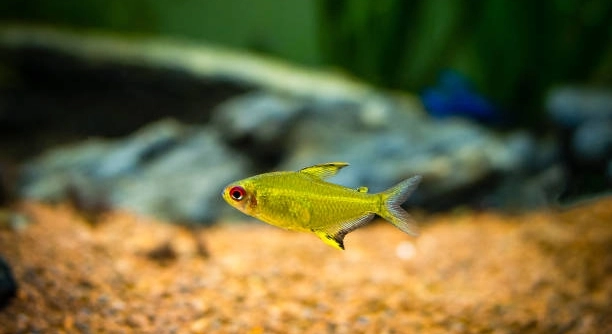
Lemon tetras are small, lively fish that thrive in peaceful aquarium environments. They respond to various stimuli in their surroundings, including light, water quality, and even sounds that might travel through the water. Awareness of these factors helps maintain their well-being.
Certain sound frequencies, particularly those above 2,000 Hz, can cause stress or discomfort in lemon tetras. Repeated exposure to high-pitched noises, vibrations from pumps, or household devices may affect their behavior and overall health. Careful monitoring is essential.
Understanding which sounds might disturb your fish can improve their environment. Small changes in aquarium placement or device operation can make a noticeable difference for your tetras.
Household Appliances and Their Hidden Vibrations
Even everyday appliances in the home can produce vibrations and sounds that disturb lemon tetras. Items like blenders, washing machines, and even hairdryers send vibrations through walls and floors, which can travel into the aquarium. These vibrations are often at frequencies that fish can detect more easily than humans. While we might hardly notice the hum of a running dishwasher, it can create a sense of unease for small, sensitive fish. Over time, repeated exposure may lead to stress-related behaviors such as erratic swimming, hiding, or reduced feeding. Positioning the aquarium away from high-traffic areas or placing it on a vibration-absorbing surface can reduce these effects. Even smaller devices, like electric toothbrushes or fans placed near the tank, can produce subtle noises that accumulate. Observing the fish during appliance operation can help identify which sounds are most bothersome, allowing adjustments to ensure a calmer environment.
Reducing nearby appliance noise helps lemon tetras feel safer and more comfortable. Small changes can lead to noticeable improvements in their behavior.
Maintaining a quiet, stable environment encourages natural activity and promotes overall health. Stress reduction contributes to better immune responses and prevents long-term complications. Simple adjustments, such as timing noisy appliance use when fish are resting or turning off unnecessary devices, can significantly enhance their living conditions. Additionally, using tank covers or cushioning understands can dampen sound transmission. Monitoring the tetras’ reactions provides insight into which frequencies cause the most discomfort, guiding further preventive steps. By controlling vibrations and background noise, you create a more predictable habitat, allowing the fish to thrive, feed, and interact naturally. Consistent attention to these environmental factors ensures a healthier, more peaceful aquarium setting that supports their natural behaviors.
Construction and External Noise
Construction sounds nearby can carry through walls and floors, affecting aquarium fish. Drilling, hammering, and heavy machinery create low- and high-frequency vibrations that stress lemon tetras.
Frequent exposure to construction noise can lead to long-term stress and disrupt feeding habits. Even if temporary, the impact can linger.
Protecting the tank from external disturbances helps fish maintain normal behavior. Positioning the aquarium away from shared walls, using sound-dampening panels, or adding thick curtains can reduce the intensity of outside noise. Temporary relocation during major construction may be considered if noise is persistent. Fish are highly sensitive to changes in their environment, and loud, irregular sounds can trigger fear responses. Providing hiding spots within the tank, such as plants or small caves, gives them a sense of security during noisy periods. Monitoring their activity ensures that interventions are effective. Creating a stable auditory environment contributes to better health, encourages feeding, and reduces the risk of stress-induced illnesses. Consistency in managing external sounds promotes long-term well-being and allows lemon tetras to display natural, relaxed behaviors even amidst unavoidable disturbances.
High-Pitched Electronics
Small electronic devices can emit high-pitched sounds that lemon tetras notice more than humans do. Devices like smoke alarms, chargers, or LED lights may create persistent frequencies that make fish uneasy.
Repeated exposure to these high-pitched noises can alter swimming patterns and increase hiding behavior. Even subtle sounds that seem harmless can be stressful over time. Devices placed near the aquarium should be monitored, and quieter alternatives considered. Some fish respond immediately, while others show delayed signs of stress, making observation crucial. Adjusting the position of electronics or using sound-dampening materials can reduce exposure.
Managing electronic noise is key to maintaining calm behavior. Observation helps identify specific devices causing issues. Simple adjustments, like moving chargers or covering alarms, can make a notable difference. Creating a quieter environment ensures tetras feed and swim naturally, reducing stress-related health risks. Consistency in reducing high-frequency sounds supports their overall well-being and encourages normal activity levels within the tank.
Plumbing and Water Systems
Water pumps, filtration units, and nearby plumbing can produce continuous low-frequency vibrations that affect lemon tetras. These sounds are often transmitted through water and tank surfaces, disturbing the fish.
Even properly installed systems may produce resonance that the fish detect. Tanks with metal frames or glass on hard surfaces can amplify these vibrations. Monitoring the aquarium during pump operation can reveal stress responses. Adding cushioning beneath the tank or choosing quieter models helps reduce the impact of constant vibration. Regular maintenance also ensures pumps and filters operate smoothly, minimizing extra noise from worn parts or loose fittings.
Properly managing plumbing and filtration systems prevents stress and encourages natural behavior. Noise reduction, stable water flow, and regular maintenance improve overall health. Tetras respond to consistent, calm water movement, feeding more reliably and interacting naturally. Attention to the sound quality of these systems, along with observation of fish reactions, ensures that the tank environment remains supportive. Simple fixes, such as adjusting placement or dampening vibrations, provide a noticeable improvement in their daily comfort and activity.
Loud Music and TV
Lemon tetras can pick up vibrations from music or TV, especially at higher volumes. Sudden changes in sound can cause them to dart or hide.
Even background noise can increase stress if it is constant. Keeping the volume lower near the tank helps maintain a calmer environment.
Foot Traffic and Vibrations
Heavy foot traffic around the tank can create vibrations that travel through floors and walls. These disturbances may startle lemon tetras, altering swimming patterns and feeding behavior. Even small vibrations, repeated over time, can contribute to stress and unease. Placing the tank on a stable, vibration-absorbing surface reduces the intensity of these effects.
Household Renovations
Renovation activities, even minor ones like moving furniture or hammering nails, create sudden vibrations that unsettle lemon tetras. They respond quickly to changes, and repeated exposure can increase hiding and reduce activity. Monitoring their reactions helps adjust placement or timing of such activities.
FAQ
What are the most common sounds that bother lemon tetras?
Lemon tetras are sensitive to a variety of sounds, especially high-pitched electronics, loud household appliances, and sudden vibrations. Sounds from water pumps, plumbing, or external construction can also disturb them. Even subtle noises, repeated frequently, can create stress and change their behavior.
How can I tell if my lemon tetras are stressed by noise?
Signs include hiding more than usual, erratic swimming, decreased feeding, and clinging to corners of the tank. Some tetras may show color fading or sluggish movement. Observation over time is important, as stress responses can be gradual or immediate depending on the frequency and intensity of the noise.
Are certain tank locations better to minimize noise exposure?
Yes. Placing the aquarium away from walls that share rooms with heavy foot traffic, appliances, or street noise helps. Avoiding areas near speakers, televisions, or construction zones can significantly reduce disturbances. Using a stand or surface that absorbs vibrations also creates a calmer environment for the fish.
Do high-frequency electronic devices really affect lemon tetras?
Yes, they can. Devices like smoke alarms, phone chargers, and LED lights may emit high-pitched sounds outside the human hearing range but noticeable to fish. Continuous exposure can cause stress, alter swimming behavior, and reduce feeding. Simple repositioning or using quieter alternatives helps minimize their impact.
Can routine aquarium equipment create stress?
Absolutely. Water pumps, filters, and air stones produce vibrations and sound. Even properly functioning equipment can generate frequencies that the fish detect. Ensuring devices are well-maintained, using quiet models, and placing them carefully can help. Cushioning the tank or adjusting water flow also reduces vibration transmission.
How do sudden loud noises affect lemon tetras?
Sudden noises, such as slamming doors, dropping items, or hammering, can startle fish. This often leads to rapid swimming, hiding, or prolonged stress. Repeated exposure increases the likelihood of chronic stress, which can affect immunity, feeding, and overall health. Creating hiding spots inside the tank can help fish cope.
Is it necessary to completely eliminate all noise sources?
Not entirely. Lemon tetras can adapt to certain sounds over time if they are consistent and predictable. The main goal is to reduce unexpected or very loud noises. Keeping the environment generally calm and monitoring fish behavior is the most effective approach.
Do outdoor noises affect lemon tetras?
Yes, outdoor sounds like traffic, construction, or heavy winds can create vibrations and low-frequency noise that reach the tank. Using thick curtains, placing the tank on vibration-dampening surfaces, or moving it to a quieter part of the home can reduce these effects.
Can I use hiding spots to help fish during noisy times?
Hiding spots like plants, caves, or tank decorations provide security. During periods of unavoidable noise, tetras can retreat, which helps reduce stress. This simple adjustment improves comfort and supports natural behavior, especially if external disturbances cannot be completely removed.
How often should I monitor my fish for stress due to noise?
Daily observation is ideal, especially after adding new devices or changes to the environment. Watching for changes in swimming, feeding, or social behavior helps identify problematic noises early. Quick adjustments prevent long-term stress and maintain healthy, active tetras.
Are lemon tetras more sensitive than other fish to sound?
They are generally more sensitive than larger, less delicate species. Small, schooling fish like lemon tetras detect vibrations more acutely. Their natural habitat involves clear, quiet waters, so even moderate household sounds can be stressful. Taking preventive measures helps ensure they remain calm and healthy.
Can long-term exposure to noise affect breeding?
Yes, chronic stress from continuous noise can interfere with breeding behavior. Stressed fish may be less active, avoid spawning areas, or produce fewer eggs. Maintaining a calm, stable environment supports natural reproductive behavior and increases the likelihood of successful breeding.
What are simple steps to reduce noise around the tank?
Move electronics and appliances away, use cushioning under the tank, limit loud music or TV nearby, and provide hiding spots. Monitoring fish behavior allows fine-tuning of the environment. Even small changes can noticeably improve comfort and reduce stress levels for lemon tetras.
How do I balance necessary equipment noise with fish comfort?
Choose quiet pumps and filters, maintain equipment properly, and position devices to minimize vibration transfer. Observing fish reactions helps determine if adjustments are needed. Regular maintenance ensures the equipment works efficiently without creating additional disturbances, keeping tetras healthy and active.
Can soundproofing the aquarium area help?
Yes, soundproofing walls or using thick curtains reduces external noise and vibrations. While complete soundproofing isn’t always feasible, these measures lower stress triggers. Combined with proper tank placement and monitoring, this creates a stable, peaceful environment that supports natural behavior.
What should I do if my fish remain stressed despite adjustments?
If stress continues, reevaluate the environment for hidden noise sources, consider relocating the tank temporarily, and ensure hiding spots are available. Persistent stress may require consulting an aquatic specialist to assess health and environmental factors more closely.
Is there a connection between water quality and noise stress?
Yes. Poor water conditions amplify stress from noise. Maintaining stable temperature, proper filtration, and regular water changes helps fish cope better with unavoidable sounds. Healthy water supports immune function and overall resilience against environmental stressors.
How quickly do lemon tetras recover after noisy events?
Recovery depends on the severity of the disturbance. Minor vibrations may cause brief hiding, with normal behavior returning within hours. Prolonged or intense noise may require days of calm conditions to restore normal activity, feeding, and coloration. Monitoring their responses is key to understanding recovery time.
Are some lemon tetras more sensitive than others?
Individual sensitivity varies. Younger, smaller, or less experienced fish may react more strongly to vibrations and sound. Observing each fish helps identify those at higher risk, allowing targeted adjustments to reduce stress and promote comfort.
Do tank size and decorations influence noise sensitivity?
Yes, larger tanks and well-decorated environments can absorb some vibrations and provide hiding spots. Dense planting or additional structures reduces stress from noise by giving fish places to retreat. Smaller or sparsely decorated tanks may amplify the impact of environmental sounds.
Can I use sound meters to monitor frequencies around the tank?
While not essential, sound meters can help identify specific frequencies that might bother fish. Tracking noise levels and frequencies allows targeted interventions, such as moving devices, adding cushioning, or adjusting placement to reduce stress.
Is it normal for tetras to ignore some noise?
Yes. Lemon tetras may habituate to consistent, non-threatening sounds. They usually react more to sudden or unpredictable noise. Consistency and predictability in the environment help them remain calm while reducing stress from unavoidable background sounds.
How important is consistency in minimizing noise exposure?
Very important. Frequent, unpredictable changes increase stress levels, while consistent, stable conditions help fish adapt. Gradual introductions of new equipment or sounds allow tetras to acclimate, maintaining normal behavior and reducing the risk of long-term stress.
Do vibrations affect schooling behavior?
Yes, vibrations can disrupt synchronized swimming and grouping patterns. Stressed fish may scatter or separate temporarily, impacting social behavior. Reducing environmental disturbances allows the school to swim naturally, which supports mental well-being and reduces overall stress.
Can tetras get used to construction noise over time?
Some adaptation is possible if the noise is consistent and predictable. However, intense or irregular construction sounds may cause chronic stress. Providing hiding spots and monitoring behavior ensures that even during unavoidable disturbances, fish remain as comfortable as possible.
Are there long-term health risks from constant noise stress?
Yes. Chronic stress can weaken the immune system, reduce appetite, and affect growth and reproduction. Persistent exposure to disturbing frequencies can have cumulative effects, making prevention and careful monitoring essential for healthy, active lemon tetras.
What is the easiest way to make the tank quieter?
Move the tank away from noise sources, use quiet equipment, cushion surfaces, and provide hiding spots. Monitoring fish behavior ensures that interventions are effective. Small, practical adjustments can significantly improve their comfort and reduce stress levels in the aquarium.
How do I choose quiet aquarium equipment?
Look for pumps, filters, and air stones labeled as “low-noise” or “silent.” Check user reviews for real-world performance. Proper installation, maintenance, and placement also reduce vibration transmission, ensuring equipment operates efficiently without disturbing the fish.
Can plants help reduce noise impact?
Yes, plants absorb sound and provide hiding spots. Dense foliage dampens vibrations and creates a more secure environment. This simple addition helps tetras feel safer and encourages natural behavior even when external disturbances occur.
Is observation the most important tool for noise management?
Absolutely. Watching fish behavior before, during, and after noisy events is essential. Observation allows identification of stress triggers, guides interventions, and ensures changes are effective in maintaining a calm, healthy environment.
Can changing the room or tank location solve noise issues?
Often, yes. Moving the aquarium to a quieter, more stable area reduces vibration and sound exposure. Even small relocations, combined with cushioned supports and hiding spots, can significantly decrease stress and improve lemon tetras’ overall well-being.
How long does it take for fish to adapt to reduced noise?
Fish usually show improvement within a few days to a week if the environment becomes calmer. Continuous monitoring ensures that changes are effective and that stress-related behaviors gradually return to normal. Adaptation may be slower for chronic stress situations.
Should I combine multiple strategies to protect my tetras?
Yes, combining quieter equipment, tank placement, vibration absorption, hiding spots, and reduced high-frequency noise creates the best results. Multi-layered interventions address various stress sources, helping tetras remain calm, healthy, and active in their habitat.
What final tips help maintain a low-stress environment?
Consistency, observation, proper tank equipment, and thoughtful placement are key. Even small changes, such as cushioning surfaces, moving devices, or adding plants, make a noticeable difference in comfort. Regular monitoring ensures lemon tetras continue to thrive in a calm, supportive environment.
Lemon tetras are small, active fish that rely on a calm and stable environment to stay healthy. Noise and vibrations, even ones that humans barely notice, can affect their behavior and well-being. Household appliances, electronic devices, construction sounds, and even heavy foot traffic can create disturbances that travel through walls, floors, and water. These sounds often fall within frequencies that fish can detect, causing stress and altering normal behavior. Over time, constant exposure to these noises may lead to hiding, erratic swimming, reduced feeding, and other stress-related behaviors. Understanding the types of noises that can affect lemon tetras and how they respond is important for creating a supportive and comfortable aquarium environment.
There are several ways to minimize disturbances for your fish. Placing the aquarium away from areas with frequent activity, like living rooms with loud music or kitchens with blenders and dishwashers, can reduce vibrations. Using quiet or low-vibration aquarium equipment, such as pumps, filters, and air stones, also helps. Cushioning the tank with mats or foam pads can absorb vibrations from nearby floors and furniture. Hiding spots inside the tank, including plants, rocks, and small caves, give the tetras a sense of security when disturbances occur. Monitoring their behavior is key to identifying which sounds are most bothersome. Even small adjustments, like moving electronics further from the tank or reducing volume levels, can have a noticeable impact on their comfort and overall health.
Maintaining a quiet, stable environment not only helps reduce stress but also encourages natural behavior, better feeding, and long-term health. Lemon tetras benefit from consistency in their surroundings, so predictable and low-noise conditions are important. Noise reduction, careful placement of equipment, and thoughtful observation of their reactions all contribute to a healthier habitat. By taking these steps, you can create an aquarium environment that allows your tetras to thrive, swim freely, and enjoy a sense of safety. Focusing on these aspects helps ensure that your lemon tetras remain active, healthy, and comfortable, even in a busy household setting.

Hello,
If you enjoy the content that we create, please consider saying a "Thank You!" by leaving a tip.
Every little bit helps us continue crafting quality advice that supports the health, happiness, and well-being of pets around the world, for pets of all shapes, sizes, and species.
We really appreciate the kindness and support that you show us!