
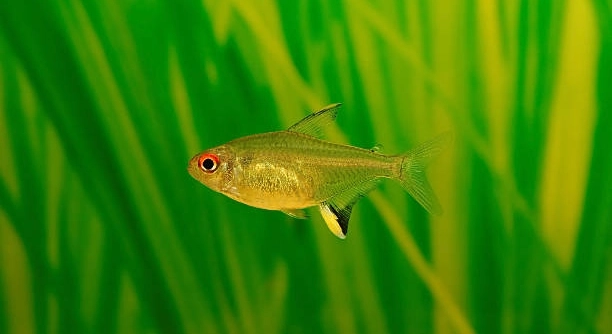
Lemon tetras are small, bright fish that add life to any freshwater tank. Their yellow hue and gentle nature make them popular among aquarists looking for a peaceful community fish. A proper environment helps them thrive comfortably.
Lemon tetras benefit from a tank background, as it reduces stress and enhances their colors. Backgrounds provide a sense of security, limit reflections, and create a more natural environment, which supports healthy behavior and overall well-being.
Adding a tank background is a small change with a noticeable impact on your aquarium’s atmosphere and the happiness of your fish.
Why Tank Backgrounds Matter for Lemon Tetras
Tank backgrounds can have a noticeable effect on how lemon tetras behave and appear. Solid or natural backgrounds reduce reflections from the glass, which can prevent stress and erratic swimming. Fish can sometimes become frightened or confused by seeing their own reflections, and a background creates a more secure feeling space. Additionally, backgrounds can enhance the fish’s yellow color, making them stand out against a darker or more neutral backdrop. Plants, rocks, and other décor look more natural with a consistent background, helping the aquarium feel like a miniature ecosystem. Even simple paper or vinyl backgrounds offer these benefits and can be changed or cleaned easily. By giving lemon tetras a proper visual environment, their behavior becomes calmer and more predictable. Over time, this reduces stress-related health issues and encourages natural swimming patterns. Investing in a background is a straightforward way to improve both aesthetics and fish welfare.
Adding a tank background makes lemon tetras feel safer and improves their visibility in the aquarium, creating a more stable environment.
A consistent backdrop not only reduces stress but also emphasizes the tank’s layout and decorations. When colors contrast appropriately, the tetras’ yellow shades appear brighter, creating a pleasant visual effect. Plants and ornaments also appear more natural, giving the aquarium depth. Even inexpensive options like colored paper or adhesive vinyl provide these advantages. Backgrounds help fish distinguish boundaries within the tank, reducing collisions with glass and erratic swimming. For tetras, who are small and slightly timid, this added sense of security supports their social behavior, encouraging them to swim in schools rather than hide constantly. Fishkeepers often notice that with a proper background, lemon tetras explore more freely and interact visibly with each other. Overall, adding a background is a simple step that improves both the appearance of the tank and the daily life of the fish.
Choosing the Right Background
A good background should complement your aquarium size and decoration, while not overwhelming the fish’s natural colors.
Natural colors like dark green, brown, or black are ideal, as they create contrast without being distracting. Patterns can be used sparingly but should remain subtle to avoid startling the tetras. Vinyl or paper backgrounds are easy to apply and replace, while 3D backgrounds made of resin or foam can add texture but require careful cleaning. Consider the height and width of the tank to ensure full coverage, as partial backgrounds can reduce effectiveness. The goal is to make the fish feel secure while enhancing the visual appeal of the tank’s interior.
When choosing a background, balance practicality and aesthetics. Darker shades highlight the tetras’ yellow tones and reduce reflections, creating a calmer environment. Textured or printed backgrounds can simulate natural habitats, making plants and décor appear more integrated. Adhesive backgrounds are simple to install, while removable paper or vinyl options allow flexibility for redesigns or cleaning. Three-dimensional backgrounds add realism and hiding spaces but need careful maintenance to avoid algae buildup. Ultimately, the right background helps the fish feel comfortable, reduces stress-related behavior, and supports healthier swimming patterns. Selecting a proper background is a small adjustment that has a noticeable impact on both the aquarium’s appearance and the well-being of lemon tetras over time.
Installing Your Tank Background
Installing a background is simple and requires minimal tools. Make sure the tank glass is clean and dry. Cut the background to fit, then attach it carefully, smoothing out air bubbles. Adhesive or static cling options work well for easy adjustments.
Start by measuring the height and width of your tank accurately. If using paper or vinyl, trim slightly larger than the tank dimensions, then press it firmly against the glass. For static cling backgrounds, dampening the glass slightly can help remove wrinkles. Three-dimensional backgrounds may require silicone or other aquarium-safe adhesives, and should be installed before adding water. Avoid placing backgrounds where they block essential equipment, such as filters or heaters, ensuring the tank remains functional. A proper installation provides security for your lemon tetras and improves the tank’s overall visual appeal.
Once installed, check the background from multiple angles. Make sure there are no air pockets or loose areas that could peel over time. A smooth, secure background prevents reflections, enhances colors, and makes the aquarium feel more natural. For three-dimensional designs, ensure all parts are firmly fixed and allow the adhesive to cure fully before introducing fish. Proper installation protects both the fish and the tank decorations, reducing maintenance needs and keeping the environment safe and visually appealing.
Maintaining Your Background
Cleaning and maintaining your background is important to keep the tank healthy and visually appealing. Avoid harsh chemicals that could harm your fish or damage the material.
For paper or vinyl backgrounds, a gentle wipe with a damp cloth removes dust and algae. Three-dimensional backgrounds may require soft brushes to reach crevices. Avoid abrasive scrubbing to prevent scratches or peeling. Regular inspection helps identify algae growth or detachment early, preventing bigger issues. Maintenance ensures the background continues to support a calm, natural environment for your lemon tetras.
Routine maintenance of the background supports the health of the aquarium. For vinyl or paper types, remove the background occasionally to clean both the glass and the material thoroughly. Three-dimensional backgrounds may need partial disassembly or careful brushing to remove algae from hard-to-reach areas. Avoid chemical cleaners that could leach into the water, and instead use aquarium-safe wipes or brushes. Maintaining the background also preserves its color and texture, keeping the tank visually appealing. Consistent care ensures that lemon tetras remain comfortable, reducing stress and encouraging natural behavior while the tank continues to look vibrant and attractive.
Effects on Fish Behavior
Backgrounds create a sense of security for lemon tetras. They reduce stress by limiting reflections and providing a consistent visual environment. Fish swim more confidently and explore the tank more freely when they feel protected.
A proper background encourages natural schooling behavior. Lemon tetras are more likely to interact normally with each other, avoiding hiding or erratic movements. The calmer environment contributes to better feeding habits and overall health, supporting longevity in the aquarium.
Visual Enhancement in the Tank
A background enhances the colors of lemon tetras and the tank décor. Dark or natural shades create contrast, making the yellow of the tetras stand out more vividly. Plants, rocks, and ornaments appear more integrated, giving the aquarium a polished, cohesive look. Backgrounds help prevent reflections, improving visibility from all angles. This simple addition can make the tank appear larger and more organized. The right choice of background ensures the aquarium looks balanced while supporting the fish’s comfort. It is a small adjustment with noticeable benefits for both aesthetics and fish behavior.
Choosing Materials
Vinyl, paper, or 3D backgrounds are common choices. Each offers different visual and practical benefits, depending on your tank setup.
FAQ
Do lemon tetras really need a tank background?
While not strictly required, a background provides multiple benefits. It reduces reflections that can stress fish and creates a more secure environment. Lemon tetras feel safer, swim more naturally, and display brighter colors against a contrasting backdrop. This simple addition improves both behavior and appearance.
What types of backgrounds are best for lemon tetras?
Dark, natural colors work best, such as black, dark green, or brown. These shades highlight the yellow coloration of the tetras and reduce visual stress. Vinyl or paper backgrounds are easy to install and replace, while three-dimensional backgrounds add depth but require careful cleaning and maintenance.
Can I use any material for the background?
Only use aquarium-safe materials. Adhesive vinyl, static cling vinyl, or laminated paper are safe for standard tanks. Three-dimensional resin or foam backgrounds must be designed for aquariums. Avoid materials that could leach chemicals or dyes into the water, as these can harm your fish.
How do I install a tank background properly?
Clean the glass thoroughly and ensure it is dry. For vinyl or paper, cut slightly larger than the tank dimensions and press firmly, smoothing out air bubbles. Static cling backgrounds may benefit from lightly dampening the glass. For 3D backgrounds, secure with aquarium-safe silicone and allow curing before adding water.
How often should I clean the background?
Routine cleaning depends on algae growth and tank conditions. Paper or vinyl backgrounds can be wiped with a damp cloth. Three-dimensional backgrounds may need gentle brushing in crevices. Avoid harsh chemicals, as these can harm fish. Regular maintenance preserves appearance and ensures a healthy environment.
Will a background improve the health of lemon tetras?
Yes, by reducing stress and encouraging natural swimming patterns, a background indirectly supports health. Fish are less likely to collide with glass or hide excessively. Calm, confident behavior leads to better feeding habits, less aggression, and overall longevity.
Can reflections really harm lemon tetras?
Reflections can startle fish, causing erratic swimming or hiding. Over time, repeated stress may weaken their immune system and impact growth. A solid or natural background eliminates these reflections, helping tetras feel secure and behave normally.
Do backgrounds affect tank lighting?
Backgrounds can influence how light is perceived inside the tank. Dark backgrounds reduce glare and improve color contrast, making lemon tetras’ yellow tones more vivid. Lighter backgrounds may reflect light, but careful placement ensures the tank remains visually appealing without stressing the fish.
Are 3D backgrounds better than flat ones?
3D backgrounds add depth and hiding spots, which some tetras enjoy. They mimic natural habitats and enhance the tank’s visual appeal. However, they require more careful cleaning and installation. Flat vinyl or paper backgrounds are simpler to maintain while still providing security and color contrast.
Can I change the background later?
Yes, backgrounds can be replaced or updated. Flat backgrounds are easier to switch, while 3D designs may require more effort. Regularly evaluating your tank’s appearance and the fish’s comfort can guide whether a change is beneficial. A well-chosen background keeps the environment safe and visually pleasing over time.
Will all my lemon tetras benefit equally from a background?
Generally, yes. All tetras respond positively to reduced reflections and a sense of security. Shyer individuals may explore more, while dominant fish maintain natural schooling behavior. A background improves overall tank harmony, supporting calmer and healthier social interactions.
Can I use decorative elements instead of a full background?
Plants, rocks, or ornaments provide partial visual barriers but may not fully reduce reflections. While these additions help, a full background ensures consistency, enhances color contrast, and creates a stable environment for lemon tetras. Combining decorations with a proper background is the most effective approach.
Do backgrounds help in breeding lemon tetras?
Yes, a calm and secure environment encourages natural behavior, which can aid breeding. Reduced stress and fewer reflections make tetras more likely to pair and spawn. Backgrounds, combined with plants or spawning mops, create a supportive environment for raising fry successfully.
How do I choose between dark and natural backgrounds?
Dark backgrounds enhance color contrast and calm the fish, while natural shades like green or brown create a more realistic habitat. Both types reduce stress. Consider the tank décor, lighting, and personal preference when selecting a background to ensure visual harmony and fish comfort.
Are removable backgrounds a good option?
Yes, removable vinyl or static cling backgrounds offer flexibility. They are easy to clean, replace, or update. For tetras, this allows experimentation with colors or designs to find what best highlights their natural beauty and supports calmer swimming behavior.
Will a background make my tank look smaller?
Not necessarily. A dark or neutral background can create depth, making the tank appear larger. Three-dimensional designs enhance perspective, while flat backgrounds maintain simplicity. The key is choosing a color and style that complements both the fish and tank décor without overcrowding the visual space.
Do backgrounds interfere with tank equipment?
Properly installed backgrounds should not interfere with filters, heaters, or other equipment. Measure and cut carefully, ensuring that all essential devices remain accessible. Avoid covering vents or outlets, and check that cords and tubing are not pinched. Correct installation maintains functionality and fish safety.
Can backgrounds help with aggressive tank mates?
Backgrounds primarily reduce stress and reflections, indirectly minimizing territorial disputes. While they don’t eliminate aggression entirely, calmer fish behavior often leads to fewer confrontations. In combination with hiding spots, backgrounds help maintain harmony in mixed-species or community tanks.
Is it worth investing in a high-quality background?
Yes, quality materials last longer, are easier to maintain, and are safer for the fish. Durable vinyl or 3D backgrounds provide lasting benefits, enhance color contrast, and contribute to a visually appealing and secure environment, making them a practical long-term investment.
How long does it take for fish to adjust to a new background?
Adjustment is usually quick, within a few hours to a day. Fish may initially explore or swim cautiously near the glass, but once they recognize the environment as safe, they resume normal behavior, swim confidently, and display brighter coloration.
Can a background reduce algae growth?
Indirectly, yes. By shading parts of the tank or reducing light reflection, backgrounds can limit algae hotspots on glass. Combined with proper lighting, filtration, and cleaning routines, backgrounds help maintain a cleaner tank and healthier water conditions.
Are there specific brands recommended for lemon tetra tanks?
Any aquarium-safe brand that offers vinyl, paper, or resin backgrounds is suitable. Focus on material safety, size compatibility, and color options. Popular options are widely available online and in pet stores, offering a variety of designs to suit tank décor and fish needs.
Can backgrounds fade over time?
Yes, exposure to light and water can gradually fade some paper or vinyl backgrounds. Three-dimensional resin or foam backgrounds are more durable. Regular inspection and replacement when colors fade ensures the tank remains visually appealing and continues to support fish comfort.
Do backgrounds require special care for saltwater tanks?
While this article focuses on freshwater lemon tetras, similar principles apply. Materials must be compatible with water conditions. For freshwater, common vinyl, paper, or resin backgrounds are sufficient. Always avoid materials that degrade or release chemicals in water, regardless of tank type.
How do I combine plants and a background effectively?
Place taller plants in front of the background to create depth, while shorter plants near the middle and front add layers. The background should provide contrast to highlight both the fish and the plants. This arrangement improves aesthetics and fish comfort simultaneously.
Do backgrounds influence water temperature or quality?
No, backgrounds do not significantly affect water temperature or chemistry. They primarily impact visual environment and fish behavior. Proper filtration, heating, and water maintenance remain essential for lemon tetras, regardless of background choice.
Can a background prevent fish from jumping out?
While it does not physically stop jumping, a secure background reduces stress and erratic swimming, which are common triggers for fish jumping. Combined with a lid or cover, backgrounds help maintain a safer tank environment for lemon tetras.
Will backgrounds work for other small fish too?
Yes, similar benefits apply to many small freshwater fish. Backgrounds reduce stress, enhance colors, and create a calmer environment, supporting natural behavior for other tetras, rasboras, or guppies. The choice of material and color may vary depending on species needs and tank décor.
Can backgrounds affect breeding behavior?
Backgrounds create a sense of security, which encourages natural mating and spawning behaviors. Fish are more likely to pair and explore spawning areas when stress is reduced. Pairing a background with plants or spawning mops can improve breeding success in lemon tetras.
Are dark or light backgrounds better for viewing fish?
Dark backgrounds improve contrast and highlight bright colors like lemon tetras’ yellow shades. Light backgrounds can make the tank appear more open but may reduce contrast. Choosing the right background depends on desired aesthetics and visibility of the fish.
Do backgrounds need to cover the entire tank?
Full coverage is ideal but not mandatory. Partial backgrounds still reduce reflections and provide some security. However, complete coverage ensures consistent visual protection and enhances color contrast, maximizing benefits for fish comfort and tank appearance.
Can I use a patterned background?
Yes, subtle patterns work well. Avoid overly bright or busy designs that could stress the fish. Natural or muted patterns can mimic environments while maintaining a calm and secure atmosphere for lemon tetras.
Are removable backgrounds better than permanent ones?
Removable backgrounds allow flexibility for cleaning, updates, or design changes. Permanent backgrounds provide stability but may be harder to replace. For tetras, removable options make experimentation easier while maintaining the tank’s security and aesthetics.
Do backgrounds need to be replaced often?
Replacement depends on material quality, fading, and algae growth. Vinyl and 3D backgrounds last longer, while paper may need more frequent replacement. Regular inspection ensures the tank remains visually appealing and continues to support fish comfort.
Will a background help shy fish become more active?
Yes, reducing reflections and providing a secure visual environment encourages exploration. Shy lemon tetras are more likely to swim freely and interact with tank mates once they feel safe behind a background.
How much does a good background cost?
Prices vary depending on material and size. Vinyl or paper backgrounds are inexpensive, while 3D resin or foam designs cost more. The investment improves aesthetics, fish comfort, and reduces stress, making it worthwhile for most tank setups.
Are homemade backgrounds safe?
Only if made from non-toxic, aquarium-safe materials. Avoid inks, adhesives, or paints that can leach chemicals. Laminated paper or vinyl cut to size is safer than improvised materials, ensuring fish health and safety.
Do lemon tetras prefer dark corners or open areas with a background?
Backgrounds reduce the need for constant hiding. Tetras feel secure enough to explore open areas, though they may still use shaded corners occasionally. The background balances safety and visibility, promoting natural swimming and schooling behavior.
Can backgrounds improve fish photography?
Yes, backgrounds enhance contrast and reduce reflections, making lemon tetras’ yellow colors more vivid in photos. Natural or dark shades provide a consistent backdrop for clearer, more appealing aquarium photography.
Do backgrounds impact water circulation?
No, backgrounds do not significantly affect water flow. Proper filter placement and tank design remain key for circulation. Backgrounds focus on visual security and aesthetics without interfering with tank mechanics.
Are there seasonal considerations for backgrounds?
Light exposure can cause fading over time, especially in sunlit rooms. Adjusting tank location or using UV-resistant materials can prolong background life. Seasonal lighting changes may slightly alter how fish colors appear against the backdrop.
Do backgrounds help reduce aggressive behavior in community tanks?
Yes, by lowering stress and reflections, backgrounds can reduce tension. Fish feel safer and less likely to chase or intimidate tank mates. Combined with hiding spots, this creates a calmer, more harmonious community environment.
Is it necessary to inform guests about the background when showing the tank?
Not necessary, but a well-chosen background improves the overall appearance, making the tank more visually appealing to viewers. The main purpose is supporting fish comfort and behavior rather than impressing others.
Can backgrounds be combined with lighting effects?
Yes, lighting can complement a background to enhance fish colors. Soft LED lighting works well with dark or natural backgrounds, emphasizing the lemon tetras’ yellow shades without causing glare or stress.
Do backgrounds make cleaning the tank harder?
No, most backgrounds are easy to clean. Flat vinyl or paper can be wiped down, and 3D backgrounds may require gentle brushing. Proper maintenance prevents algae buildup and keeps the tank looking attractive.
Can backgrounds fade the colors of lemon tetras?
A properly chosen background enhances, rather than dulls, fish colors. Dark or natural shades improve contrast, making yellow tones brighter. Poorly selected light or overly bright patterns may reduce visibility, but this is uncommon with careful choice.
Are certain backgrounds better for small tanks?
Yes, darker or neutral backgrounds create depth and reduce reflections, which is especially helpful in smaller tanks. Three-dimensional backgrounds should be used sparingly to avoid crowding the space.
Do backgrounds affect plant growth?
Backgrounds have minimal impact on plant growth. Lighting, nutrients, and water quality remain the main factors. However, backgrounds can visually enhance plants, making them appear fuller and more integrated with the tank décor.
Can backgrounds be used in breeding tanks?
Yes, backgrounds provide security and reduce stress, creating a better environment for spawning and raising fry. Combine with plants or spawning mops for optimal results.
Are all commercial backgrounds safe for fish?
Not necessarily. Only purchase backgrounds labeled as aquarium-safe. Check material composition, avoid harmful chemicals, and ensure compatibility with freshwater conditions to keep lemon tetras healthy.
How long will a background last?
Flat vinyl or paper may last several months to a year, depending on exposure and cleaning. 3D resin or foam designs can last years if properly maintained. Regular inspection prevents deterioration or safety issues.
Do backgrounds make tanks easier to decorate?
Yes, they provide a consistent backdrop that enhances the appearance of plants, rocks, and ornaments. This helps create a cohesive, natural-looking environment while improving fish comfort.
Can I mix flat and 3D backgrounds?
Yes, combining flat and 3D elements adds depth and texture. Use a flat background for color contrast and 3D elements for structure, ensuring both work together without overcrowding the tank.
Do backgrounds help reduce fish mortality?
Indirectly, yes. By lowering stress and providing security, fish are less prone to illness and erratic behavior, which can contribute to a healthier, longer life.
Can backgrounds help fish acclimate to new tanks?
Yes, they create a stable, secure visual environment. Lemon tetras adjust faster to new surroundings when reflections are minimized and the tank feels more like a safe habitat.
Are patterned backgrounds distracting for fish?
Overly bright or complex patterns may stress fish. Subtle, natural patterns are best, providing visual interest without overwhelming lemon tetras or causing erratic behavior.
Do backgrounds help with night-time behavior?
Backgrounds primarily affect daytime visibility and stress. At night, fish behavior is more influenced by lighting cycles, but backgrounds continue to provide a sense of security in low light.
Can backgrounds reduce stress during tank maintenance?
Yes, a familiar background helps fish feel safe even during water changes or cleaning. They are less likely to panic or hide when the environment remains visually consistent.
Do backgrounds need to be transparent at any point?
No, transparency is not required. Solid or opaque backgrounds are preferred to reduce reflections and provide a consistent visual environment for lemon tetras.
Are there DIY options for safe backgrounds?
Yes, laminated paper or vinyl cut to size can be a safe DIY option. Ensure all materials are non-toxic and free from inks or adhesives that could leach chemicals into the water.
Can backgrounds improve fish visibility for observation?
Yes, they reduce reflections and create contrast, making it easier to watch lemon tetras’ behavior, feeding patterns, and interactions with tank mates.
Do backgrounds impact fish growth?
Indirectly, yes. By reducing stress and encouraging natural behavior, backgrounds support feeding and activity levels, which can contribute to healthier growth over time.
Is there a recommended height for backgrounds?
Backgrounds should cover the full height of the tank or at least from the waterline to the bottom. This ensures consistent protection from reflections and supports fish comfort.
Can backgrounds be used in both glass and acrylic tanks?
Yes, backgrounds work on both materials. Flat vinyl or paper can adhere to glass or acrylic, while 3D designs must be compatible with the tank material for safe installation.
Do backgrounds affect filter efficiency?
No, they do not obstruct flow if installed properly. Ensure background placement does not block filter intakes or outlets to maintain proper water circulation.
Can backgrounds prevent tank boredom?
They provide visual interest and security but do not replace enrichment. Combine with plants, ornaments, and hiding spaces to keep lemon tetras stimulated and active.
Are backgrounds necessary for every tank?
Not every tank requires one, but they offer benefits for stress reduction, color enhancement, and overall fish comfort. Even a simple vinyl background can improve the environment significantly.
Do backgrounds help in aquascaping?
Yes, backgrounds unify the look of plants, rocks, and decorations. They create depth, highlight colors, and provide a polished appearance that enhances both aesthetics and fish comfort.
How do I know if my background is effective?
Fish behavior is a key indicator. If lemon tetras swim confidently, explore the tank, and show vibrant coloration, the background is successful. Reduce reflections, improve contrast, and ensure security for maximum benefit.
Can backgrounds reduce fish hiding too much?
No, backgrounds provide security without forcing fish out of hiding spots. Shy tetras still use plants or décor as needed, but they feel safer and explore more confidently.
Do backgrounds need special adhesives?
Only use aquarium-safe silicone or adhesives for 3D backgrounds. Flat vinyl or paper may use static cling or removable adhesive backing. Safety is essential to prevent chemical leaching.
Are backgrounds affected by water type?
Freshwater lemon tetra tanks are compatible with most vinyl, paper, or resin backgrounds. Avoid materials that could degrade or release chemicals in water. Saltwater conditions require specialized materials.
Do backgrounds improve overall tank aesthetics?
Yes, they unify the look of the tank, enhance fish colors, and create depth. A well-chosen background elevates the visual appeal while providing a secure environment for lemon tetras.
Can backgrounds prevent fish from hiding excessively?
They do not eliminate hiding but reduce stress, encouraging fish to swim more freely and display natural behavior rather than staying constantly concealed.
Are there seasonal maintenance considerations?
Check backgrounds regularly for fading or algae growth. Seasonal changes in light may affect color visibility, so cleaning and inspection ensure continued effectiveness.
Can backgrounds help with lighting placement?
Backgrounds reduce reflections, allowing more flexibility in lighting positions.
Final Thoughts
Lemon tetras are small, peaceful fish that benefit from a stable and secure environment. One of the simplest ways to enhance their tank is by adding a background. While it may seem like a purely decorative choice, a background serves several practical purposes. It reduces reflections on the glass, which can be confusing or stressful for fish. Lemon tetras are sensitive to their surroundings, and constant reflections may cause erratic swimming or hiding behavior. By providing a consistent visual barrier, a background helps them feel safe, encouraging calmer movement and natural schooling behavior. This simple addition creates a more comfortable living space and supports the overall health of the fish. Even small changes in their environment, like the addition of a background, can make a noticeable difference in their behavior and daily activity.
Choosing the right background is an important part of creating a harmonious aquarium. Dark or natural-colored backgrounds work best for lemon tetras because they enhance the fish’s yellow coloration and make them easier to see against the tank décor. Vinyl or paper options are easy to install, maintain, and replace when needed, while three-dimensional backgrounds offer extra depth and realism, though they require more careful cleaning. Regardless of the type chosen, the goal is to create a stable, visually consistent environment that reduces stress and improves the fish’s quality of life. Backgrounds also help make other tank decorations, like plants and rocks, appear more integrated and natural. This contributes to the overall aesthetic of the aquarium while serving a practical purpose for the fish. Even a simple, flat background provides benefits that are noticeable in daily fish behavior and the visual appeal of the tank.
Maintaining the background is straightforward, but it requires regular attention to prevent algae buildup and ensure it remains secure. Vinyl or paper backgrounds can be wiped down periodically, while three-dimensional designs may require gentle brushing to clean hard-to-reach areas. Avoid harsh chemicals that could harm the fish. A well-maintained background continues to support calm behavior and natural swimming patterns, while also keeping the aquarium visually appealing. Over time, the addition of a background proves to be more than just an aesthetic choice; it improves the overall environment for lemon tetras. It allows them to display their natural colors, reduces stress, and promotes healthier behavior. For anyone keeping lemon tetras, a proper tank background is a small but impactful investment in the comfort and well-being of their fish. It is a practical step that combines function with visual enhancement, benefiting both the fish and the overall presentation of the aquarium.

Hello,
If you enjoy the content that we create, please consider saying a "Thank You!" by leaving a tip.
Every little bit helps us continue crafting quality advice that supports the health, happiness, and well-being of pets around the world, for pets of all shapes, sizes, and species.
We really appreciate the kindness and support that you show us!