
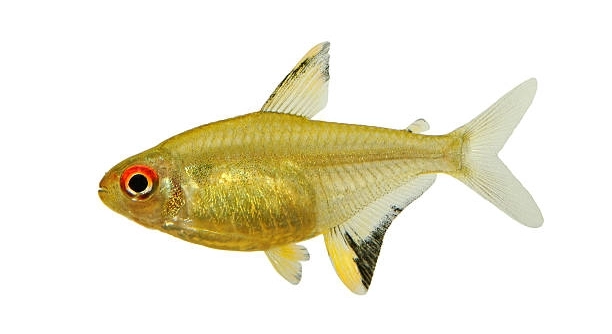
Do Lemon Tetra prefer environments that are busy or more understated? Their small size and gentle nature mean that the choice of tank decor can influence how comfortable they feel in their habitat.
Lemon Tetra generally thrive in tanks with more natural, plain decorations rather than flashy, bright ornaments. Minimalistic setups with plants, driftwood, and subtle hiding spots reduce stress and allow the fish to display natural behaviors without distraction or fear.
Learning which decorations suit Lemon Tetra will help create a calming, healthy environment and enhance their natural behavior and appearance.
Understanding Lemon Tetra Behavior
Lemon Tetra are small, peaceful fish that react strongly to their surroundings. They feel most comfortable in spaces that offer natural hiding spots and gentle lighting. Bright or reflective ornaments can startle them, causing stress or hiding behavior. Observing their swimming patterns helps you identify if they are comfortable or anxious. When they dart or cling to plants, it may indicate that something in the tank is overwhelming. Providing live plants, driftwood, and smooth rocks creates areas for exploration and rest. Open swimming space is equally important, as these fish enjoy shoaling and moving together. Proper decor not only reduces stress but encourages natural behavior, improving their overall health. Overly flashy decorations may look appealing, but they can interfere with social interaction and feeding routines. Simple setups often lead to happier, more active fish that show brighter colors and maintain regular patterns in the tank. The balance between hiding spots and open areas is key.
Decorating the tank naturally ensures Lemon Tetra feel safe while maintaining their lively and social habits.
Minimalistic designs improve health, encourage natural activity, and allow easier observation of behaviors, making tank management simpler.
Choosing the Right Plants and Decorations
Live plants are ideal for Lemon Tetra tanks. They provide hiding places, reduce stress, and improve water quality by absorbing nitrates and producing oxygen. Plants like Java moss, Anubias, and Amazon swords work well. Smooth rocks and driftwood offer additional shelter and structure. Avoid sharp or artificial decorations that could injure them or disrupt swimming. Maintaining a balance between open space and plant coverage lets the fish shoal freely while feeling secure. Floating plants can help diffuse light, reducing sudden brightness that may startle them. Decorations should mimic a natural riverine habitat to support their instincts. Organizing the tank with zones for swimming, resting, and hiding encourages activity without overwhelming the fish. Simple, natural decor also simplifies cleaning and maintenance while keeping water parameters stable. Monitoring plant growth and trimming when necessary prevents overcrowding, maintaining a healthy environment. With proper setup, Lemon Tetra show more color, interact more within the group, and spend less time hiding, reflecting a well-designed, stress-free tank.
Balanced plant and decoration choices create a natural environment that supports health, social behavior, and easy tank maintenance.
Lighting and Tank Environment
Soft, diffused lighting is best for Lemon Tetra. Harsh or overly bright lights can stress them, causing hiding or erratic swimming. Adjusting light levels gradually helps them acclimate and feel secure in their tank.
Proper lighting enhances colors and promotes natural activity. Lemon Tetra prefer a balance between shaded areas and open swimming zones. Using floating plants or indirect light creates calm zones and prevents sudden brightness. Consistent day-night cycles help maintain their internal rhythms, encouraging regular feeding and social behaviors. LED lights with dimming options are useful for controlling intensity, and observing the fish under different lighting helps determine their comfort level. Avoid strong reflections from glass or ornaments, as they may trigger unnecessary stress or aggression. A well-lit but soft environment allows Lemon Tetra to thrive, remain active, and display their natural colors without fear.
Tank temperature and water conditions work closely with lighting to affect activity and overall health. Stable environments with gentle lighting reduce stress and encourage natural shoaling behaviors.
Group Size and Social Behavior
Lemon Tetra are shoaling fish that feel safer and more confident in groups. Keeping at least six or more together prevents stress and promotes healthy interaction.
Smaller groups may lead to timid behavior and reduced activity, while larger groups show more natural swimming patterns and vibrant colors. Social dynamics in a group help them establish routines and hierarchy without aggressive tendencies. They tend to mirror each other’s movements, making the tank appear lively and balanced. Proper spacing, hiding spots, and open swimming areas allow them to interact safely while reducing competition for territory. Observing the group can reveal stress signals like clamped fins or constant hiding, which may indicate overcrowding or unsuitable decor. Providing sufficient food and monitoring water quality ensures all fish thrive together. Regularly checking behavior allows adjustments in group size or tank setup, maintaining a stable and healthy social environment.
Group cohesion improves overall well-being, encourages activity, and enhances natural color display while minimizing stress and aggression.
Feeding and Decor Interaction
Lemon Tetra often explore decorations while searching for food. Plants and smooth rocks provide interesting surfaces and hiding spots for smaller treats.
Floating and slow-sinking foods work best, allowing the fish to forage naturally. Avoid overcrowding the tank with decor that blocks access to feeding areas.
Safe Materials for Tank Setup
Natural, non-toxic materials like driftwood, smooth stones, and live plants are ideal. Plastic or sharp ornaments can injure Lemon Tetra. Ensure all decorations are rinsed and free from chemicals before placing them in the tank.
Decor should be arranged to allow open swimming zones while maintaining areas for rest and shelter. Minimalistic designs reduce stress and encourage natural behavior. Proper setup balances aesthetic appeal with fish safety, making it easier to maintain water quality. Lemon Tetra respond better to simple, natural environments, which improves color vibrancy and overall health.
Maintaining Cleanliness
Regular cleaning prevents algae buildup and maintains healthy water conditions. Remove debris and check filtration weekly to keep the tank safe and stress-free.
Observing Behavior
Monitoring Lemon Tetra daily helps identify signs of stress or discomfort early. Changes in swimming, hiding, or feeding indicate adjustments may be needed in decor or lighting.
Continue the article with the following outline. Bold the questions. Do not write an intro for each header, get straight to the point. Do not use a greeting. Make it feel slightly personal. Write in a simplistic style.; Outline: ; FAQ (write at least 500 words); Note: Skip the intro, get straight to the point. The rest of the headers will be provided later, so do not write them yet. Skip the conclusion, and recap. Respect the given word count for every paragraph.
Creating a comfortable environment for Lemon Tetra is more about simplicity than extravagance. These small, peaceful fish respond better to tanks that resemble their natural habitat, rather than flashy, brightly colored decorations. Using live plants, smooth rocks, and driftwood provides both hiding spots and areas for swimming, which helps reduce stress and encourages natural behavior. Open swimming space is equally important, as these fish are active and social. Overly complex or reflective decorations may seem visually appealing, but they can confuse or startle Lemon Tetra, making them retreat or display anxious behavior. A well-planned tank balances aesthetic appeal with functionality, ensuring the fish can move freely while feeling secure. Observing the fish regularly allows for small adjustments in decor, lighting, or plant placement to maintain a stable and calming environment.
Lighting and water conditions play a crucial role in supporting Lemon Tetra’s well-being. Soft, diffused light helps prevent stress and allows them to display their natural coloration. Floating plants or indirect lighting can create gentle shaded areas, giving the fish zones to rest when they need it. Stable water temperature and clean conditions complement the decor choices, helping maintain healthy fish. Stress can often result from too many sudden changes or overcrowded spaces, so it is important to monitor behavior and tank parameters consistently. Shoaling behavior is enhanced when fish feel safe, and proper lighting and natural decorations encourage active swimming while reducing fear responses. By keeping conditions consistent and predictable, Lemon Tetra are more likely to thrive and interact naturally within their environment.
Group dynamics and social interaction are also key elements to consider in tank setup. Lemon Tetra are shoaling fish and feel most secure when kept in groups of six or more. Small or isolated groups can lead to timid behavior, while larger groups display more natural movement patterns and vibrant colors. Providing ample swimming space along with hiding spots allows all fish to establish comfort zones without competition for territory. Minimalistic, natural decor supports this balance by reducing stress and facilitating social interaction. Monitoring the group regularly helps identify any signs of distress, like clamped fins or excessive hiding, and allows for timely adjustments. When tank conditions, decor, and group size are managed thoughtfully, Lemon Tetra remain active, healthy, and visually striking, making the aquarium a peaceful and visually appealing space for both the fish and the caretaker.

Hello,
If you enjoy the content that we create, please consider saying a "Thank You!" by leaving a tip.
Every little bit helps us continue crafting quality advice that supports the health, happiness, and well-being of pets around the world, for pets of all shapes, sizes, and species.
We really appreciate the kindness and support that you show us!