
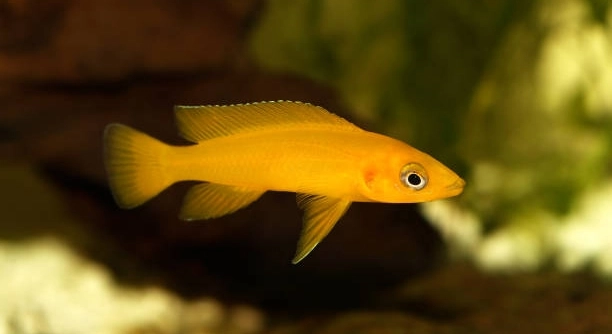
Do your aquariums sometimes feel a little empty despite your efforts to create a lively environment? Lemon tetras are small, bright fish that can bring color and movement to any tank. Watching them swim can be relaxing and satisfying.
Lemon tetras are social fish that thrive best in groups rather than alone. Keeping them with companions ensures reduced stress, encourages natural behavior, and promotes overall health, making their environment more stable and comfortable.
Learning about their social needs helps you create a harmonious tank. Proper companionship can improve their wellbeing and keep your aquarium lively and balanced.
Why Lemon Tetras Prefer Companions
Lemon tetras are naturally schooling fish, meaning they feel safer and more confident in groups. Alone, they can become stressed, hide frequently, or show signs of lethargy. Stress in fish can reduce their immune response, making them more prone to illness. Observing a group of lemon tetras swimming together demonstrates their coordinated movements and social behavior. A group of at least six is recommended to maintain their natural dynamics. Small tanks with just one or two lemon tetras often fail to meet their social needs. Adding companions encourages activity, reduces aggression, and allows them to display their natural colors fully. Over time, a well-populated tank provides balance, creating a peaceful and visually appealing environment. Companions help maintain a routine, encouraging feeding behavior and consistent movement, which benefits tank health. For those looking to observe lively, active fish, proper social conditions are essential.
Keeping lemon tetras in groups ensures they are happier and healthier, showing vibrant colors and consistent activity throughout the day.
Ensuring the right companions requires some planning. Lemon tetras do best with other small, peaceful fish like rasboras or small tetras. Avoid aggressive or large fish that may intimidate them. Maintaining proper water conditions, temperature, and filtration is crucial when keeping a group. The number of fish should match the tank size to prevent overcrowding, which can lead to stress or poor water quality. Observing interactions will help identify if any fish are not integrating well, allowing adjustments. By planning companions carefully, you can enjoy a lively, balanced tank that encourages natural behavior while keeping the environment safe and stable for all inhabitants.
Choosing the Right Tank Companions
Lemon tetras thrive with non-aggressive, similarly sized fish that share their water requirements.
Selecting companions requires understanding their temperament and dietary needs. Peaceful fish such as guppies, neon tetras, or harlequin rasboras are suitable, as they won’t compete aggressively for food or territory. Avoid fin-nipping species or overly dominant fish. Introducing new fish gradually helps prevent stress and allows existing fish to adjust. Monitoring water parameters ensures all species remain healthy. Overcrowding should be avoided, as it can lead to poor water quality and health issues. A well-chosen group promotes natural schooling, enhances colors, and keeps the aquarium lively.
When picking tank companions, consider size, activity level, and temperament. Lemon tetras do well in groups of at least six, and companions should complement their social behavior. Avoid large or aggressive fish that may intimidate or harm them. Gradual introductions reduce stress and allow the school to integrate naturally. Observing feeding habits and swimming patterns ensures compatibility. A stable, balanced tank keeps all fish healthy and active. By selecting the right companions, you encourage natural behavior, reduce stress, and create an aquarium that is visually appealing. Maintaining proper filtration and water conditions further supports the wellbeing of the entire group.
Tank Setup for Lemon Tetras
A proper tank setup keeps lemon tetras healthy and active. They need at least a 20-gallon tank with plenty of swimming space and hiding spots using plants and decorations. Maintaining stable water parameters is essential for their wellbeing.
Water quality is critical for lemon tetras. They prefer slightly acidic to neutral water with a temperature range of 72-78°F. Regular water changes and a reliable filtration system help remove toxins and maintain clarity. Adding live plants not only enhances aesthetics but also provides hiding spots and reduces stress. Substrate choice matters too; fine gravel or sand works best. Open swimming areas combined with dense plant zones allow them to exhibit natural schooling behavior. Balanced lighting promotes plant growth and highlights their bright colors. Ensuring consistent water conditions reduces illness risk and encourages natural activity.
Tank size and layout influence social behavior. Larger groups swim more freely and interact naturally, while overcrowding can lead to aggression or stress. Arranging plants in clusters with open spaces allows coordination in movement and resting spots. Hiding areas prevent bullying and support timid individuals. A well-planned tank encourages feeding routines and supports all companions. Regular monitoring of water parameters ensures the tank remains stable. By creating an environment that combines space, plants, and clean water, lemon tetras display healthier, more vibrant behavior. This setup benefits all species in the aquarium.
Feeding Lemon Tetras
Lemon tetras require a balanced diet of flakes, pellets, and occasional live or frozen foods to stay healthy. Feeding small portions twice daily prevents overfeeding.
High-quality flake food forms the base of their diet, supplying essential nutrients. Supplementing with live or frozen foods like brine shrimp, daphnia, or bloodworms enhances protein intake and encourages natural hunting behavior. Rotating food types helps prevent nutritional deficiencies and keeps them interested during meals. Avoid overfeeding, as leftover food can pollute the tank and harm water quality. Observing their eating patterns ensures all fish get adequate nutrition, particularly in larger groups where timid individuals may struggle to compete for food.
Feeding schedules influence behavior and health. Consistent feeding routines reduce stress and aggression. Portion control prevents excess waste and maintains water quality. Monitoring appetite helps detect illness early, as reduced interest in food often signals health issues. Using varied food sources ensures vitamins, minerals, and proteins are balanced, supporting growth and vibrant coloration. Additionally, providing occasional live or frozen treats stimulates activity, mimicking natural foraging. Observing interactions during feeding helps assess compatibility among tank companions and ensures smaller, shy fish receive adequate nutrition. Proper feeding practices enhance overall tank stability and fish wellbeing.
Common Health Concerns
Lemon tetras are generally hardy, but they can face stress-related illnesses if kept alone or in poor water conditions. Signs include faded color, clamped fins, or reduced activity. Regular observation helps catch issues early.
Parasites and bacterial infections are the most frequent problems. Maintaining clean water, a balanced diet, and stable temperature reduces risk. Quarantining new fish before adding them prevents introducing disease to the tank.
Behavior Patterns
Lemon tetras are active swimmers and display schooling behavior. They move together in coordinated patterns, which reduces stress and increases their confidence. Observing their movement helps ensure they are healthy and comfortable in the tank.
Breeding Lemon Tetras
Lemon tetras can be bred in captivity with proper conditions. A separate breeding tank with slightly acidic water and fine-leaved plants encourages spawning. The female scatters eggs, which the male fertilizes. Removing adults afterward prevents them from eating the eggs.
Signs of Stress
Stress in lemon tetras shows through hiding, sluggish swimming, or loss of color. Monitoring tank conditions and social interactions helps prevent long-term health issues.
FAQ
Do lemon tetras need a group to be happy?
Yes, lemon tetras are schooling fish and feel more secure in groups of at least six. Alone, they can become stressed, hide often, and show reduced activity. Keeping them in a proper-sized group encourages natural behavior and bright coloration.
Can lemon tetras live with other fish?
They can live with other small, peaceful fish that share similar water preferences. Good tank mates include neon tetras, rasboras, or small livebearers. Avoid large, aggressive, or fin-nipping species that may intimidate them or compete aggressively for food.
How often should I feed lemon tetras?
Feed small portions twice daily to prevent overfeeding and water contamination. Their diet should include high-quality flakes or pellets, supplemented with live or frozen foods like brine shrimp or daphnia. Variety keeps them healthy and encourages natural foraging behavior.
What water conditions do lemon tetras need?
They prefer slightly acidic to neutral water with a pH between 6.5 and 7.5, and a temperature range of 72-78°F. Consistent filtration and regular water changes maintain stable conditions, reducing stress and the likelihood of disease.
How large should their tank be?
A minimum of 20 gallons is recommended for a small group. Larger tanks are better for maintaining stable water conditions and giving space for schooling behavior. Open swimming areas combined with plants allow them to move freely and feel secure.
How can I tell if my lemon tetras are stressed?
Signs of stress include faded colors, clamped fins, sluggish swimming, or excessive hiding. Monitoring behavior and tank conditions helps catch problems early. Addressing social needs and water quality promptly reduces long-term health risks.
Can lemon tetras breed in a community tank?
Breeding in a community tank is possible but not ideal. They scatter eggs, and adults may eat them. A separate breeding tank with fine-leaved plants and slightly acidic water increases survival rates. Removing adults after spawning prevents predation on the eggs.
Do lemon tetras need live plants in their tank?
Live plants provide hiding spots, reduce stress, and enhance water quality. Dense plant zones combined with open swimming areas allow them to display natural behavior. While not strictly required, live plants improve overall tank health and fish wellbeing.
How can I introduce new fish to a lemon tetra tank?
Introduce new fish gradually to reduce stress and aggression. Quarantine newcomers for a few weeks to prevent disease transmission. Monitor interactions closely to ensure all fish integrate well and maintain a balanced, peaceful environment.
What should I do if my lemon tetras stop eating?
Loss of appetite can indicate stress, illness, or water quality issues. Check water parameters, tank mates, and diet. Offering varied foods like live or frozen options often encourages eating. Persistent refusal may require consulting an aquatic specialist.
Are lemon tetras compatible with shrimp or snails?
They can coexist with peaceful snails or shrimp that are not small enough to be eaten. Avoid tiny invertebrates that may be seen as food. Observing interactions ensures all species remain safe and stress-free.
How long do lemon tetras live?
With proper care, lemon tetras typically live 3-5 years. Stable water conditions, a balanced diet, and proper companionship help them reach their full lifespan. Regular observation ensures any health concerns are addressed early.
Do lemon tetras need aeration in their tank?
Adequate oxygen is important. While strong aeration is not required, a properly filtered tank that circulates water provides sufficient oxygen. Adding air stones can improve circulation in larger tanks or when stocking density is high.
What is the best way to maintain water quality for lemon tetras?
Regular partial water changes, cleaning the substrate, and using a reliable filter keep water clean. Avoid overfeeding and monitor water parameters like pH, ammonia, nitrites, and nitrates. Stable conditions reduce stress and prevent disease.
Can lemon tetras tolerate slight temperature changes?
They prefer stable temperatures within 72-78°F. Small daily fluctuations are usually tolerated, but sudden or extreme changes can stress the fish, weaken their immune system, and increase susceptibility to illness.
Do lemon tetras require supplemental lighting?
Lighting is important for observing colors and supporting live plants. A moderate light cycle of 8-10 hours daily mimics natural conditions. Excessive light may encourage algae growth and cause stress.
How do I handle sick lemon tetras?
Quarantine sick fish in a separate tank and adjust water parameters. Treat with appropriate medication if needed and monitor closely. Addressing illness early prevents spread to other tank inhabitants.
Are lemon tetras sensitive to chemicals in tap water?
Yes, chlorine and chloramines can harm them. Always treat tap water with a dechlorinator before adding it to the tank. This protects gills and overall health, ensuring a safe environment.
Can lemon tetras live in a small tank temporarily?
They can survive short periods in smaller tanks, but long-term housing in cramped spaces increases stress, reduces activity, and may shorten lifespan. Proper space is essential for their social and physical wellbeing.
What is the ideal group size for lemon tetras?
A minimum of six fish is recommended for natural schooling behavior. Larger groups are preferable, as they provide security, reduce stress, and encourage active swimming, creating a balanced and healthy tank environment.
How do I prevent aggression in a mixed tank?
Choose peaceful, similarly sized species. Avoid large or territorial fish, maintain stable water conditions, and provide hiding spots. Gradual introductions and monitoring interactions help maintain a calm, balanced aquarium for all inhabitants.
Are lemon tetras suitable for beginner aquarists?
Yes, they are relatively hardy and adaptable, but they require proper tank size, water conditions, and social companions. Understanding their needs and maintaining regular care ensures they thrive in a home aquarium.
Can I keep only two lemon tetras together?
Two fish are not enough for natural schooling behavior. Small groups may experience stress, reduced activity, and poor coloration. At least six individuals are recommended to promote social interaction and overall health.
How often should I clean the tank for lemon tetras?
Partial water changes of 20-30% every week or two help maintain water quality. Cleaning the substrate and filter regularly prevents debris buildup, keeping the tank healthy and supporting the wellbeing of all fish.
Do lemon tetras recognize their companions?
While they do not form attachments like mammals, they recognize and respond to the presence of their group. Schooling behavior is instinctual, providing safety and promoting social interaction.
Can lemon tetras live with bettas?
Bettas are territorial and may attack small schooling fish. Co-housing them is risky, as lemon tetras can become stressed or injured. Choosing more peaceful tank mates ensures a stable and safe environment.
How do I acclimate lemon tetras to a new tank?
Float the sealed bag in the tank for 15-20 minutes to equalize temperature. Gradually mix tank water with the bag water before releasing the fish. This reduces shock and helps them adapt smoothly to their new environment.
What are signs of a healthy lemon tetra?
Bright, consistent coloration, active swimming, schooling behavior, and regular appetite indicate good health. Clear eyes, smooth fins, and no unusual spots or injuries are also key signs. Regular observation helps maintain their wellbeing.
Do lemon tetras need a varied diet?
Yes, a mix of flakes, pellets, and live or frozen foods ensures proper nutrition. Variety supports growth, enhances coloration, and stimulates natural foraging behavior, keeping them healthy and active.
Can lemon tetras survive in cold water?
They are tropical fish and do not tolerate cold water well. Temperatures below 70°F can stress them and increase susceptibility to illness. Maintaining the recommended temperature range ensures comfort and longevity.
How can I encourage breeding?
Provide a separate tank with slightly acidic water, fine-leaved plants, and optimal temperature. Introduce a healthy group, and remove adults after spawning to prevent egg predation. Maintaining proper nutrition supports breeding success.
Do lemon tetras need nighttime darkness?
Yes, a dark period of 12-14 hours helps regulate their circadian rhythm. Consistent light and dark cycles support feeding, activity, and overall health, mimicking natural day-night patterns.
How quickly do lemon tetras grow?
They grow steadily over the first year, reaching full size of about 1.5 inches. Proper nutrition, water quality, and social conditions influence growth rates and overall health.
Are lemon tetras compatible with corydoras?
Yes, peaceful bottom-dwelling corydoras complement lemon tetras well. They occupy different levels in the tank and do not compete aggressively for food, creating a harmonious environment.
What plants are best for lemon tetras?
Fine-leaved plants like Java fern, hornwort, or water wisteria provide hiding spaces and reduce stress. Floating plants offer shade and mimic their natural environment, encouraging natural swimming and schooling patterns.
Can lemon tetras adapt to new tank mates quickly?
They may take time to adjust, depending on the temperament of other fish. Gradual introductions, observation, and maintaining a stable environment help integration and reduce stress.
Do lemon tetras need special lighting for color?
Moderate lighting enhances natural colors, especially in planted tanks. Excessive light can encourage algae growth, while insufficient light may dull their appearance. Balanced lighting supports both fish and plant health.
Are lemon tetras sensitive to water changes?
They tolerate gradual water changes well, but sudden or large changes can cause stress. Partial changes with careful monitoring maintain water stability and reduce health risks.
How can I tell if my lemon tetras are schooling properly?
Healthy groups swim together in coordinated patterns. If some fish isolate or act sluggish, it may indicate stress, illness, or poor tank conditions. Observing their interaction helps maintain group harmony.
Can lemon tetras live with snails?
Yes, peaceful snails that are too large to be eaten coexist well. They help clean the tank, and their presence does not disturb the tetras, supporting a healthy ecosystem.
Do lemon tetras require a specific substrate?
Fine gravel or sand is ideal, providing comfort and preventing injury. Substrate choice also supports plant growth and contributes to overall tank aesthetics and functionality.
How do I maintain stable pH for lemon tetras?
Regular water testing, partial changes, and using buffers if necessary keep pH stable. Avoid sudden fluctuations, which can stress fish and disrupt biological balance.
Can lemon tetras tolerate slightly hard water?
They prefer soft to moderately hard water but tolerate slight hardness. Consistency matters more than exact values, as rapid changes in hardness can cause stress or health issues.
Is it necessary to cover the tank?
Yes, lemon tetras may jump occasionally. A secure lid prevents escape while maintaining proper ventilation, keeping the environment safe and stable.
How often should I check water parameters?
Weekly testing of ammonia, nitrite, nitrate, and pH ensures stable conditions. Monitoring allows early detection of issues and prevents stress or illness in the fish.
Do lemon tetras need tank decorations?
Decorations like rocks and plants provide hiding spots and reduce stress. They create a more natural environment, encourage exploration, and allow the fish to exhibit normal behavior.
Can lemon tetras live with other tetras?
Yes, they generally coexist well with other peaceful tetra species. Mixed schools can thrive if water conditions and tank space are adequate, promoting active swimming and social behavior.
What should I do if one tetra is aggressive?
Identify the cause, such as overcrowding or incompatible tank mates. Rearranging plants, adding hiding spots, or separating fish temporarily can reduce stress and restore harmony.
Are lemon tetras good for community tanks?
Yes, they are peaceful, active, and compatible with similarly sized species. Proper care ensures they thrive alongside other non-aggressive fish.
How do I prevent fin damage in lemon tetras?
Avoid sharp decorations, aggressive tank mates, and overcrowding. Regular monitoring and maintaining good water quality reduce risk of fin rot and injury.
Do lemon tetras require a heater?
Yes, they need a stable tropical temperature. A reliable heater maintains the 72-78°F range, ensuring comfort and supporting normal behavior and health.
Can lemon tetras tolerate tap water?
Only if treated with a dechlorinator. Untreated tap water can contain chlorine or chloramines harmful to their gills and overall health.
How can I tell if my tank is overcrowded?
Signs include limited swimming space, increased aggression, frequent hiding, and rapid water quality decline. Maintaining proper stocking levels prevents stress and health issues.
What is the best way to acclimate new tetras?
Float the bag to equalize temperature, then gradually mix tank water before releasing them. Slow acclimation reduces shock and helps smooth adjustment.
Do lemon tetras need specific pH for breeding?
Slightly acidic water around 6.5 encourages spawning. Stable parameters, proper temperature, and fine-leaved plants improve breeding success and egg survival.
Can I keep lemon tetras in a planted tank?
Yes, plants provide hiding spots, reduce stress, and enhance water quality. They also create natural boundaries for schooling and resting areas for all tank inhabitants.
How often should I replace filter media?
Monthly or as recommended by the manufacturer. Regular replacement ensures efficient filtration, keeps water clean, and supports fish health.
Do lemon tetras recognize tank mates visually?
They respond to the presence and movement of companions, coordinating swimming patterns. Recognition is instinctual rather than emotional, promoting schooling and safety.
Can lemon tetras live with gouramis?
Small, peaceful gouramis may coexist, but larger or aggressive species risk stressing tetras. Observing interactions ensures safety and tank balance.
Are lemon tetras sensitive to light changes?
Sudden or extreme light changes can stress them. A consistent daily light cycle supports natural behavior, feeding, and overall health.
How long do lemon tetras take to adapt to a new tank?
They usually acclimate within a few days to a week. Gradual introduction and stable conditions help reduce stress and encourage normal activity.
Do lemon tetras require water additives?
Not typically, if water is properly treated and maintained. Additives may help in special cases, like breeding or correcting specific deficiencies, but regular care is usually sufficient.
Can lemon tetras live with barbs?
Many barb species are fin-nippers or aggressive, making them poor companions. Choosing peaceful, non-aggressive species ensures a stable and safe environment for tetras.
Do lemon tetras need weekly observation?
Yes, checking behavior, appetite, and tank conditions weekly helps identify issues early. Regular monitoring supports long-term health and a balanced aquarium environment.
How can I tell if my lemon tetras are happy?
Active schooling, vibrant colors, and consistent appetite indicate wellbeing. Balanced behavior, minimal hiding, and interaction with companions are positive signs of comfort.
Are lemon tetras easy to breed at home?
They can breed with proper conditions, including slightly acidic water, fine-leaved plants, and a separate breeding tank. Removing adults after spawning improves egg survival.
Do lemon tetras need special care in winter?
Maintaining stable temperature is crucial. A heater and monitoring water conditions prevent stress during colder months, supporting consistent activity and health.
Can lemon tetras survive without filtration?
While possible short-term, long-term survival is risky. Filtration maintains water quality, removes waste, and ensures oxygen circulation, keeping fish healthy and active.
Do lemon tetras enjoy hiding spots?
Yes, dense plants and decorations provide security, reduce stress, and encourage natural resting behavior. Lack of hiding areas may cause timid or stressed behavior.
Can lemon tetras live with cichlids?
Small tetras are at risk with most cichlids due to aggression. Compatibility is low, and peaceful small fish are safer companions.
How often should I trim plants in a lemon tetra tank?
Regular trimming prevents overcrowding, maintains open swimming space, and keeps plants healthy. Balanced plant growth supports fish activity and water quality.
Do lemon tetras need a special diet for breeding?
High-protein foods like live or frozen brine shrimp enhance fertility and egg production. Flakes or pellets alone may not be sufficient for successful breeding.
Can lemon tetras live in a nano tank?
They can survive short-term, but small tanks limit schooling and increase stress. A larger, properly sized tank is preferable for long-term health and natural behavior.
Are lemon tetras sensitive to ammonia?
Yes, even small ammonia levels can stress or harm them. Maintaining proper filtration, regular water changes, and monitoring ensures safety and wellbeing.
Do lemon tetras need to be in odd numbers?
Odd numbers are not necessary, but maintaining at least six fish ensures schooling behavior. Larger groups reduce stress and promote natural activity.
Can lemon tetras live with snails and shrimp together?
Yes, peaceful snails and adequately sized shrimp coexist safely. Monitoring interactions ensures small invertebrates are not eaten, supporting a balanced community tank.
How can I tell if my lemon tetras are sick?
Faded colors, clamped fins, lethargy, or loss of appetite indicate illness. Early detection allows prompt treatment, preventing spread and ensuring recovery.
Do lemon tetras enjoy current in the tank?
Moderate water flow stimulates activity and encourages natural swimming. Strong currents may cause stress, while stagnant water reduces oxygen levels and activity.
Can lemon tetras tolerate tap water with minerals?
Yes, as long as the water is treated to remove chlorine and chloramines. Moderate hardness is acceptable, but consistency is more important than exact mineral content.
Are lemon tetras suitable for a community planted tank?
Yes, they thrive alongside peaceful species in planted setups. Plants provide hiding spots, reduce stress, and enhance the natural environment for schooling and active behavior.
Do lemon tetras require regular health checks?
Regular observation of behavior, coloration, and appetite helps identify problems early. Monitoring water quality and interactions ensures long-term health and a balanced tank environment.
Can lemon tetras adapt to slightly alkaline water?
They tolerate mild alkalinity if stable. Rapid changes or extreme pH can stress the fish, affecting health, color, and social behavior. Stable conditions are more important than exact pH values.
Do lemon tetras need a specific type of filter?
Any filter that maintains water quality, circulation, and oxygenation is sufficient. Sponge, hang-on-back, or canister filters work, as long as flow is not too strong for the small fish.
How can I encourage natural schooling behavior?
Keeping at least six lemon tetras with open swimming areas and hiding spots encourages coordinated movement. Observing their group helps maintain harmony and reduces stress.
**Do lemon tetras require tank mates of the
Lemon tetras are small, active fish that thrive best in groups. Their social nature makes companionship essential for their health and overall wellbeing. Keeping them alone can lead to stress, reduced activity, and a lack of natural behavior. Observing a proper-sized school in the aquarium shows vibrant colors, coordinated swimming, and a lively atmosphere. Groups of at least six fish are recommended, but larger numbers provide even more security and encourage natural interactions. Their companions should be peaceful, similarly sized fish that share compatible water preferences to avoid aggression or stress. By planning the group carefully, aquarists can create a tank that supports schooling behavior while maintaining balance and harmony among all inhabitants.
The tank environment plays a major role in the health of lemon tetras. Adequate swimming space, hiding areas, and proper water conditions are essential. A 20-gallon tank or larger allows enough room for a school to move freely without overcrowding. Plants, rocks, and decorations provide shelter, reduce stress, and create natural boundaries for resting and exploration. Maintaining consistent water parameters, such as a temperature between 72-78°F and a slightly acidic to neutral pH, is critical. Filtration and regular water changes ensure a clean, stable environment, which prevents disease and supports normal behavior. Proper tank setup combined with a carefully chosen group helps lemon tetras feel secure, encourages activity, and allows them to display their natural colors fully.
Feeding and ongoing care are equally important for sustaining healthy lemon tetras. A balanced diet with high-quality flakes or pellets, supplemented by live or frozen foods, provides essential nutrients and promotes active behavior. Regular observation of feeding patterns can identify timid fish or potential health issues. Stress can be minimized by maintaining stable water conditions, compatible companions, and a well-structured tank environment. Breeding requires additional considerations, including a separate tank and specific water parameters, but with proper care, it is possible to raise healthy fry. Overall, attention to social needs, water quality, and nutrition ensures that lemon tetras remain vibrant, active, and healthy over time. By understanding and meeting these requirements, aquarists can enjoy the dynamic and colorful presence that lemon tetras bring to any aquarium.

Hello,
If you enjoy the content that we create, please consider saying a "Thank You!" by leaving a tip.
Every little bit helps us continue crafting quality advice that supports the health, happiness, and well-being of pets around the world, for pets of all shapes, sizes, and species.
We really appreciate the kindness and support that you show us!