
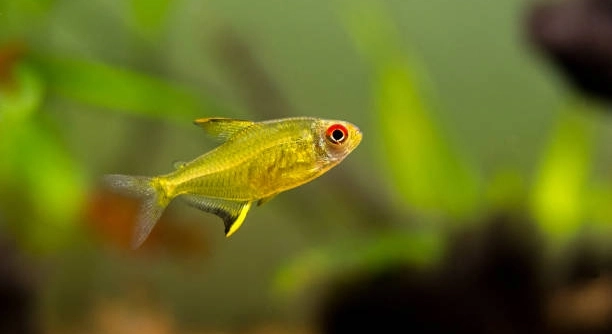
Have you ever cared for lemon tetra and noticed subtle changes in their behavior or appearance, leaving you unsure if something might be affecting their well being in the aquarium you worked hard to create?
Common health issues in lemon tetra stem from bacterial infections, parasitic infestations, nutritional imbalances, and poor water conditions, which can reduce vitality. Maintaining stable parameters, offering balanced diets, and performing checks help ensure healthier outcomes for these small freshwater fish.
As you explore each concern, you will gain simple guidance that supports better care and steadier comfort for schooling fish.
Bacterial Infections
Bacterial infections are common in lemon tetra and often appear when water conditions slip, even if only for a short time. You might notice faded color, frayed fins, or slower movement that feels unusual for their active nature. These infections can spread quickly in a school, so keeping the tank stable is important. Clean water, gentle filtration, and steady temperatures lower the chances of harmful bacteria growing. When signs appear, removing stress factors helps the fish respond better to treatment. Simple care steps often keep these issues manageable and prevent them from affecting the entire group in your aquarium. (150 words)
A quick response is helpful, since early care limits the impact on the fish and reduces the spread within the tank. Lemon tetra often recover well when conditions are corrected quickly and treatments are used properly. (50 words)
Keeping the tank environment steady lowers the chances of future problems. Clean equipment, regular filter checks, and balanced feeding all play a clear role in limiting stress on these fish. When you support these routines, you help create a setting that keeps the school active, bright, and comfortable. (100 words)
Parasitic Infestations
Parasitic infestations in lemon tetra often begin with tiny signs, such as flicking against decorations or a thin layer on the skin. These issues weaken the fish quickly, so fast attention is helpful. (50 words)
Parasitic problems usually appear when new fish, plants, or water from outside sources enter the tank without proper care. Quarantine steps lower these risks and help protect the main school. When parasites attach to lemon tetra, they interrupt oxygen exchange and increase stress, which leads to loss of color and slower activity. Treatments made for freshwater fish work well when applied correctly, but keeping the water stable remains essential. Good filtration and regular cleanings support recovery, and feeding simple, nutritious meals helps the fish regain strength. Staying consistent with maintenance also reduces the chance of parasites returning, keeping the tank peaceful and stable for the entire group. (200 words)
Nutritional Deficiencies
Nutritional deficiencies in lemon tetra often appear when their diet lacks variety or essential nutrients. You might see dull color or slower behavior, which can signal that their meals are not covering their basic needs. Balanced feeding supports steady energy and healthier appearance. (50 words)
A simple mix of high quality flakes, small pellets, and occasional frozen foods helps maintain their general health. Lemon tetra benefit from foods rich in vitamins, since these support immune function and steady coloration. Rotating different options keeps their diet from becoming repetitive. When feeding, smaller portions prevent waste and help maintain cleaner water. Regularly checking expiration dates on fish food is useful, since old products lose nutrients over time. Offering foods that float and sink ensures the entire school gets its share without added stress. (100 words)
Proper feeding habits also protect the fish from digestive issues and weakened resilience. Lemon tetra that receive complete nutrition respond better to minor stress and maintain brighter color. Simple adjustments, such as adding vitamin enriched options, can make a clear difference in their behavior. With consistent feeding routines, their overall health becomes easier to support. (100 words)
Poor Water Quality
Poor water quality can affect lemon tetra quickly, since they rely on stable conditions for comfort and activity. Ammonia, nitrite, and sudden shifts in temperature often lead to stress, which lowers their ability to stay healthy. Regular monitoring helps prevent these problems. (75 words)
A steady maintenance schedule plays a large role in keeping the tank safe for lemon tetra. Weekly partial water changes remove built up waste and limit harmful spikes, while gentle filtration keeps the water moving without stressing the school. Overfeeding is a common cause of cloudiness, so giving only what they can finish helps maintain clarity. Rinsing filter media in tank water preserves helpful bacteria, and checking equipment for wear ensures steady performance. These small habits create a stable setting that supports stronger, more active fish. (125 words)
Stress Related Illnesses
Stress related illnesses in lemon tetra often appear when their environment feels unstable or crowded. These fish rely on calm surroundings, so sudden noise, harsh lighting, or frequent changes can disrupt their behavior and weaken their overall condition. Stable routines help limit these reactions. (50 words)
Keeping the tank peaceful is helpful for their comfort. Gentle lighting, steady temperatures, and quiet surroundings support healthier behavior. A proper school size also reduces tension, since these fish feel safer when grouped. When stress stays low, lemon tetra maintain better color and stronger resistance to health problems. (50 words)
Fungal Infections
Fungal infections in lemon tetra usually develop when minor injuries or stress weaken their natural defenses. White patches or soft, cotton like spots might appear on the skin or fins. Quick attention helps prevent the infection from spreading, especially in a shared environment where several fish can be affected. (100 words)
Swim Bladder Disorders
Swim bladder disorders in lemon tetra often cause difficulty swimming or trouble keeping balance. These issues may relate to poor diet, sudden temperature changes, or internal problems. Steady routines and proper feeding help reduce the chances of these uncomfortable episodes. (50 words)
How can I tell if my lemon tetra is getting sick?
You might notice small changes that feel slightly out of place, such as duller color, slower swimming, or less interest in food. These early signs often appear before more serious symptoms develop, so paying attention to daily behavior helps you respond sooner. Even mild shifts in posture or schooling patterns can tell you that something is not right. When these hints appear, checking water conditions and watching for any visible marks on the body gives you a clearer idea of what is happening. Early awareness often makes care easier and helps prevent the issue from spreading to the rest of the school.
What water conditions are best for preventing health issues?
Lemon tetra stay healthiest when the water is clean, stable, and gently filtered. Clear water with low waste levels reduces the stress that often leads to infections. A steady temperature and a calm flow help them stay active without being overwhelmed. Regular partial water changes keep harmful substances low and maintain a safe setting. Consistent testing for ammonia, nitrite, and nitrate helps you catch problems before they affect the fish. When the tank is kept in good shape, lemon tetra react better to change and remain brighter and more energetic.
Why do lemon tetra lose their color?
Color fading can develop when the fish are stressed or not receiving enough nutrients. Bright lighting changes, poor water quality, sudden noise, and overcrowding can all play a role. Nutrition also matters, since a simple, varied diet supports strong coloration. When the cause is environmental, improving tank stability usually helps them regain their natural shine. If the diet is lacking, adding vitamin enriched foods and rotating meal options provides better support. When both conditions and feeding remain steady, the fish often show clear improvement.
How can I prevent parasites from spreading in my aquarium?
Checking new fish carefully and placing them in a separate tank for a short time reduces the chance of bringing parasites into your main aquarium. Plants and decorations from outside sources should be rinsed before being added. Avoiding shared nets or tools between tanks also limits contamination. If a parasite is found, treating the affected fish right away slows its spread. Maintaining steady water conditions makes the entire group stronger and less vulnerable. When you keep these steps in place, the risk becomes much lower and easier to manage.
What should I do if my lemon tetra stops eating?
A loss of appetite can come from stress, poor water quality, or an early sign of illness. Checking the water first is helpful, since fish often refuse food when ammonia or nitrite levels rise. Offering small amounts of familiar food encourages them to start eating again. If there is no improvement, looking for other symptoms gives you a better sense of what is happening. In some cases, switching to softer or easier to digest foods makes feeding less stressful. Keeping their surroundings peaceful supports better appetite recovery.
How often should I feed lemon tetra?
Feeding them small portions once or twice a day usually works well. They do not need large meals, and giving too much can affect water quality. Offering only what they can finish in a short time keeps the tank cleaner and reduces digestive issues. Rotating between flakes, tiny pellets, and frozen foods gives them more complete nutrition. Staying consistent with these small feeding habits leads to better energy and healthier behavior.
Can lemon tetra recover from common health problems?
Yes, many of their health issues improve when caught early and handled with steady care. Clean water, proper feeding, and simple treatments often make a big difference. Fish kept in stable surroundings respond more quickly, since they face less stress. Recovery also depends on how quickly the cause is found. When you notice changes early and support them with calm conditions, many lemon tetra return to normal behavior and regain their usual energy.
Final Thoughts
Caring for lemon tetra becomes easier when you understand how quickly small changes can influence their well being. These fish rely on steady surroundings, clean water, and simple routines, and they respond best when everything stays predictable. When you watch their behavior each day, you notice early hints that something might be shifting, and this makes it possible to act before the issue grows. Their needs are not complicated, but they do require attention, since even minor stress can lead to health problems. By giving them a stable home and checking their environment regularly, you create a place where they can remain active and bright. Each careful step you take helps them stay comfortable, relaxed, and ready to move through the tank with ease. (approx 135 words)
It also helps to remember that lemon tetra react strongly to the quality of their surroundings. Good filtration, calm lighting, and thoughtful feeding practices guide them toward better daily comfort. When these basic needs are met, they maintain stronger resistance to illness and handle changes more easily. Any improvements you make to their care routine will support their long term stability, especially when you stay consistent. Their schooling nature means they draw comfort from one another, so keeping the group healthy benefits every fish in the tank. Small habits, such as rinsing equipment or adjusting feeding amounts, can make a meaningful difference. Over time, these efforts create a safer and more predictable environment for the entire school. (approx 135 words)
As you continue caring for lemon tetra, it becomes clear that prevention is more effective than responding to problems after they appear. Regular checks, balanced meals, and gentle handling keep stress low and protect their natural rhythm. When you respond early to minor signs, you help them avoid more serious conditions and give them the chance to stay strong. Each improvement supports their behavior, color, and activity, which reflects the condition of the tank overall. With simple habits and calm routines, these small fish can thrive and remain steady in their environment. Supporting their needs is not only rewarding but also helps you build a peaceful aquarium that stays stable and enjoyable to care for over time. (approx 135 words)

Hello,
If you enjoy the content that we create, please consider saying a "Thank You!" by leaving a tip.
Every little bit helps us continue crafting quality advice that supports the health, happiness, and well-being of pets around the world, for pets of all shapes, sizes, and species.
We really appreciate the kindness and support that you show us!