
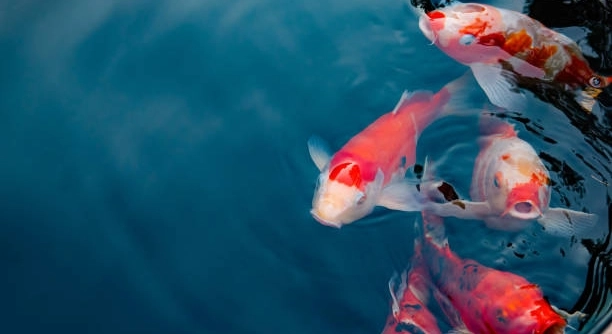
Koi fish are popular in ponds and water gardens. Their care often raises questions about water conditions and flow. Understanding how koi respond to different water currents helps in creating a suitable environment for their well-being.
Koi fish generally prefer slow to moderate water flow rather than fast-flowing water. Strong currents can stress koi, affect their swimming patterns, and impact feeding behavior. Optimal water flow supports oxygenation without causing discomfort or excessive energy use.
Knowing the right water flow is important for koi health and pond maintenance. This guide will explain how water movement affects koi and what conditions work best for them.
How Water Flow Affects Koi Behavior
Koi fish swim gracefully, but their movement depends greatly on water flow. In slow to moderate currents, koi can swim comfortably without wasting much energy. Fast-flowing water forces them to swim harder to maintain position, which can tire them quickly. When koi are stressed by strong currents, they may hide more often or avoid certain areas of the pond. This behavior can reduce their feeding and interaction. Water flow also affects oxygen levels in the pond. Moderate flow helps circulate oxygen evenly, which is vital for koi health. However, too strong a flow disrupts the natural calm koi prefer. Pond design should consider these factors to balance oxygenation and comfort. Adding rocks or plants can slow water in some areas, creating calm zones. This variety in flow allows koi to choose where they feel safest. Proper flow management improves koi vitality and their overall quality of life.
Water flow directly influences koi stress levels and energy use, impacting their health and activity in the pond.
Creating areas of gentle flow with calm spots encourages natural koi behavior and supports their well-being.
Choosing the Right Water Flow for Your Pond
Balancing water flow in a koi pond requires careful planning. The ideal flow varies depending on pond size, shape, and filtration system. Generally, aim for a flow rate that circulates the pond’s entire volume every hour without producing strong currents. This keeps the water clean and oxygen-rich without disturbing the fish. Using waterfalls or gentle streams can add movement while maintaining calm areas for koi to rest. Pump placement plays a key role in flow direction and strength. Position pumps to avoid pushing water directly toward koi gathering spots. Adding aquatic plants helps slow down water in certain zones, offering koi a break from currents. Regular maintenance ensures pumps and filters run efficiently, preventing unexpected changes in flow. Observing koi behavior after adjustments helps determine if the flow is comfortable. A well-balanced pond flow supports koi health, reduces stress, and creates an enjoyable environment.
Signs Your Koi Are Uncomfortable with Water Flow
Koi that struggle with fast currents may show visible signs of discomfort. These include erratic swimming, spending more time hiding, and reduced feeding activity. Watch for koi clustering in calmer areas or near pond edges to avoid strong flow.
When koi are stressed by strong currents, their immune systems can weaken, making them prone to illness. Constantly swimming against fast water tires them out, which affects their energy and growth. A healthy koi prefers leisurely swimming with occasional bursts of speed. Monitoring their behavior helps identify if the water flow needs adjusting. Changes in appetite or increased hiding suggest that the pond’s water movement might be too intense. Making small changes to slow the flow can improve koi comfort and overall health.
Adjusting the pond’s water features to create calmer zones allows koi to rest and conserve energy. This balance between movement and calm supports their natural behavior and longevity.
Tools to Manage Pond Water Flow
Water pumps with adjustable speeds are useful for controlling flow rates. They help fine-tune water movement to suit koi needs without major changes to pond layout. Filters also influence flow and should be selected carefully to maintain steady currents.
Pond designers often use baffles or flow deflectors to reduce fast-moving water in certain areas. These tools help create diverse flow zones, providing koi spaces to relax. Plants can also slow water and improve water quality by absorbing nutrients. Combining these methods makes the pond environment more comfortable. Testing flow adjustments regularly ensures the water conditions remain optimal for koi well-being. Efficient water management requires monitoring equipment performance and koi response, allowing timely corrections to prevent stress or health issues.
Proper flow management extends beyond pumps, involving a mix of physical and biological solutions tailored to koi behavior.
Impact of Fast Flowing Water on Koi Health
Fast-flowing water can increase koi stress and cause physical strain. Prolonged exposure to strong currents may lead to injuries or weakened immune response, making koi more vulnerable to disease.
Koi exposed to excessive water flow often show signs of fatigue. Their scales and fins can become damaged from constant battling against currents. Maintaining a moderate flow supports their health and reduces risks of illness and injury.
How to Create Calm Zones in Your Pond
Adding rocks, logs, or aquatic plants breaks up strong currents and forms peaceful areas. These features allow koi to rest and avoid tiring water movement.
Monitoring Water Flow Regularly
Regular checks on pump settings and flow patterns keep the pond environment stable. Observing koi behavior during these checks helps catch issues early before stress builds.
FAQ
Do koi fish need fast flowing water to survive?
Koi do not need fast flowing water to survive. They thrive best in slow to moderate currents that provide enough oxygen without forcing them to swim constantly against strong currents. Fast water can stress koi, making it harder for them to feed and rest properly.
Can koi adapt to different water flow speeds?
Koi can adapt to some variation in water flow, but they generally prefer stable conditions. Sudden or extreme changes in flow speed can cause stress. Over time, they may learn to navigate faster currents, but this is not ideal for their long-term health.
What is the ideal flow rate for a koi pond?
The ideal flow rate typically circulates the entire pond volume once every hour. This rate balances water quality and oxygenation without creating strong currents. Adjustments may be necessary based on pond size and koi behavior.
How can I tell if my koi are stressed by water flow?
Signs of stress include hiding in corners, erratic swimming, loss of appetite, and sluggish movements. If koi avoid areas with stronger flow or cluster in calmer spots, the water movement may be too strong for them.
Does fast flowing water affect koi feeding habits?
Yes, strong currents can make it difficult for koi to feed properly. They may avoid feeding areas with fast flow or waste energy trying to hold position, reducing their overall food intake and growth.
Can pond plants help manage water flow?
Aquatic plants are effective at slowing water flow in specific zones. They also improve water quality by absorbing excess nutrients. Using plants strategically creates calm resting spots for koi while maintaining good circulation.
Should I use a pump with adjustable speed for my koi pond?
Using a pump with adjustable speed is recommended. It allows you to control flow rates based on koi needs and seasonal changes. This flexibility helps maintain a healthy environment without stressing the fish.
How often should I check my pond’s water flow?
Regular checks, at least once a week, are important. Observe koi behavior and inspect pumps and filters. Early detection of flow problems helps prevent stress and health issues in koi.
Are waterfalls or streams good for koi ponds?
Waterfalls and streams add oxygen and aesthetic value but should be designed to avoid creating strong currents in koi resting areas. Combining them with calm zones ensures koi comfort while improving water quality.
Can too little water flow be harmful?
Yes, insufficient water flow can reduce oxygen levels and allow debris to accumulate, harming koi health. Proper circulation prevents stagnation and supports a clean environment.
What role do baffles or flow deflectors play?
Baffles and flow deflectors redirect or reduce fast currents in specific parts of the pond. They help create a variety of flow speeds, allowing koi to choose areas that suit their comfort and activity levels.
Is it normal for koi to swim against currents sometimes?
Yes, occasional swimming against currents is normal and helps koi exercise. Problems arise when they must fight strong currents continuously, which can cause exhaustion and stress.
How do seasonal changes affect water flow needs?
In warmer months, higher flow rates may be beneficial for oxygenation, while cooler seasons often require slower flow to conserve koi energy. Adjusting flow seasonally helps maintain koi health year-round.
Can strong water flow damage koi fins?
Strong, persistent water flow can cause fin wear or tears, especially in young or weak koi. Creating calm zones and managing flow reduces the risk of such injuries.
What’s the best way to test water flow speed in a pond?
You can test flow speed by timing how long it takes a floating object to travel a known distance or by using flow meters. This helps ensure the water moves at an appropriate rate for koi comfort.
Is a pond without flow suitable for koi?
A pond without flow is generally not suitable for koi. Still water lacks proper oxygenation and filtration, leading to poor water quality and health problems. Some flow is necessary to keep the environment safe.
How do I balance water flow with filtration needs?
Filtration systems often influence water flow. Choosing filters that provide good water turnover without creating strong currents is key. Pumps with variable speeds help balance both filtration efficiency and koi comfort.
Are there specific koi breeds that tolerate fast water better?
Most koi breeds prefer moderate flow, but some varieties may tolerate slightly faster water better than others. However, strong currents are usually not beneficial to any koi breed in the long term.
What maintenance helps keep water flow consistent?
Regular cleaning of pumps, filters, and pond debris prevents flow blockages. Inspecting equipment for wear and adjusting pump speeds as needed maintains steady and suitable water flow for koi.
Can overcrowding affect how koi handle water flow?
Overcrowding increases competition for calm areas, forcing some koi into stronger currents. Maintaining appropriate fish density helps reduce stress related to water flow and provides better overall health.
This FAQ covers essential points on koi preferences and needs related to water flow, helping ensure a healthy pond environment.
Fast flowing water is not ideal for koi fish. These fish prefer calm to moderate currents that allow them to swim comfortably without excessive effort. When water moves too quickly, koi can become stressed, which affects their health and behavior. It is important to find a balance in water movement that provides enough oxygen and cleanliness without creating strong currents that tire the fish. By understanding koi preferences, pond owners can create an environment that supports the well-being and longevity of their fish.
Creating different flow zones within the pond helps address the needs of koi. Calm areas allow koi to rest and conserve energy, while moderate currents promote natural swimming and oxygen circulation. Using rocks, plants, and flow deflectors can break up fast currents and protect koi from constant exposure to strong water movement. Equipment such as adjustable pumps also allows better control of water flow, adapting to seasonal changes and koi behavior. Observing koi regularly helps identify signs of discomfort related to water flow, making it easier to adjust conditions before stress or injury occurs.
Managing water flow is a key part of koi pond care that affects overall fish health. Too fast or too slow currents both present risks, so monitoring and adjusting flow rates is essential. Proper flow supports oxygen levels, keeps the water clean, and prevents koi from becoming exhausted. With careful design and maintenance, koi ponds can offer an environment where koi thrive naturally. This balance ensures koi remain healthy and active, contributing to the enjoyment of maintaining a beautiful and peaceful pond.

Hello,
If you enjoy the content that we create, please consider saying a "Thank You!" by leaving a tip.
Every little bit helps us continue crafting quality advice that supports the health, happiness, and well-being of pets around the world, for pets of all shapes, sizes, and species.
We really appreciate the kindness and support that you show us!