
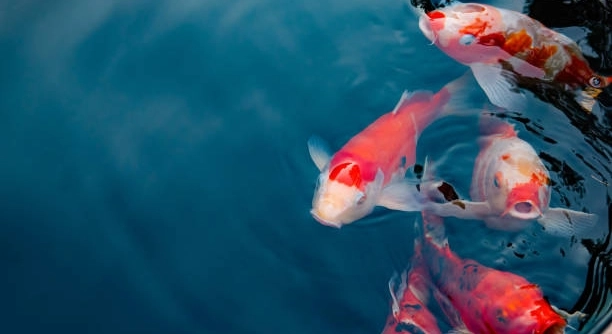
Are your koi acting differently when new sounds appear in your garden? Sudden splashes, quick dives, or freezing still—these changes can seem puzzling. Understanding what’s behind them can help you support their calm and comfort.
Koi respond to new sounds in their environment through a range of behaviors such as hiding, schooling tightly, or swimming erratically. These reactions are instinctive and reflect their natural sensitivity to changes, including auditory disturbances above and below water.
Learning how koi react to different noises can help you manage your garden better and improve your koi’s sense of safety and peace.
Why Koi React to Sounds So Quickly
Koi have sharp hearing and a strong instinct to detect threats. In ponds and garden spaces, they use vibrations and sound waves through the water to sense movement or changes nearby. New or loud sounds—like footsteps, clanging tools, or a barking dog—can signal danger to them. Even if these noises are harmless, koi don’t know that. Their reaction is fast and based on natural survival instincts. In the wild, sudden sounds could mean predators. In your garden, those same reactions might look like koi hiding under plants or swimming to the bottom. They may also group together for safety. These reactions can be stronger if your pond has poor sound insulation, like thin walls or shallow depth. The more consistent the environment, the more relaxed the koi tend to be. They adjust over time but will always be aware of new noises around them.
Koi don’t just hear with their ears—they sense pressure changes through their lateral line.
If you often hear your koi splash or go still when you walk near, it’s likely they’re reacting to unfamiliar sounds. Reducing sharp or unexpected noise around the pond can help make them feel more secure and at ease.
Types of Sounds Koi Respond To
Loud, sudden noises tend to startle koi more than slow or steady ones.
Sounds like lawnmowers, leaf blowers, or barking dogs can trigger a quick retreat from koi. High-pitched voices, sharp clapping, or metal tools being dropped are also common triggers. These sounds send pressure waves through the water, reaching koi before they see anything. That’s why you may notice them react even if the noise happens outside their direct view. Over time, koi can adapt to daily household sounds like footsteps or soft music, especially if these are part of a routine. But unexpected noises—especially from unfamiliar visitors or new equipment—can still unsettle them. It’s also worth noting that koi react differently based on their individual temperaments. Some may startle easily while others stay calm. Young koi are often more skittish than older ones, and smaller ponds make them feel more exposed. If you want calmer fish, focus on building a routine and keeping the space around the pond predictable.
Common Reactions You Might Notice
Koi often respond by freezing, darting, or quickly diving when they hear new or loud sounds. These behaviors are automatic and tied to their instincts. Some koi may also swim in tight groups or hide under plants or rocks for a while.
If your koi suddenly stop swimming and stay still, it’s likely a stress response. They freeze to avoid drawing attention. Darting or rapid swimming is another common reaction. It’s their way of escaping what they sense as danger. You might also see koi hugging the bottom of the pond. Some even stay hidden longer than others. These signs are not random—they’re built into how koi survive. You’ll likely see these behaviors fade when the sound stops or becomes familiar over time. If the noises happen often, the koi might remain alert or more jumpy, which could affect their overall well-being.
Even slight changes in behavior, like slower swimming or grouping tightly, are signs they’re sensing something new. Not all koi react the same way, but when multiple fish show similar signs, it’s usually tied to something in the environment. This could be a new sound, a change in routine, or a person they don’t recognize. Watching these patterns helps you adjust their surroundings.
Sounds That Koi Can Learn to Tolerate
Koi can get used to gentle, repeated sounds like footsteps, voices, or low-volume music. Over time, they recognize these as part of a normal, safe environment. This helps reduce their stress and makes them easier to observe and feed.
You may notice that koi no longer dart away when they hear your voice or see you approach. This change shows they’re learning that the sound doesn’t mean danger. Regular feeding times with consistent sounds can help build this comfort. However, if something about the tone, volume, or timing shifts too much, the koi may react again. Even fish that are used to daily activity can get startled by a new sound, like a visiting pet or unfamiliar machine. Helping them feel secure involves balancing routine with care not to overwhelm them. Keeping their environment calm and steady goes a long way in reducing unnecessary stress reactions.
How the Pond Environment Plays a Role
A pond with more plants, rocks, and deeper areas gives koi better hiding spots when they feel stressed. This makes them feel safer when new sounds happen. Shallow, open ponds often cause koi to react more strongly and stay unsettled longer.
Sound bounces differently in small or poorly insulated ponds. Hard surfaces and shallow water carry vibrations more easily, making koi more sensitive to every noise. Softer edges, deeper zones, and calm water can help muffle sounds and reduce stress in your fish.
When Koi Start Associating Sounds With People
Koi can learn to link familiar sounds—like footsteps or a food container shaking—with feeding time. This kind of sound association can help build trust. Over time, koi may start swimming toward the edge when they hear these cues. Repeating the same sound or tone during feeding helps reinforce this. Keeping things predictable encourages koi to respond in a relaxed and positive way. If you stay consistent, even shy koi can grow more comfortable approaching when they hear you nearby.
Sudden Behavioral Shifts to Watch
If koi stop eating, isolate themselves, or act more jittery than usual, it may be a sign of stress from sound changes.
FAQ
Can koi hear sounds above water?
Yes, koi can detect sounds that happen above water. They don’t hear the same way we do, but they sense vibrations and pressure changes through their inner ears and lateral line. Sounds like footsteps, voices, or equipment can travel through the pond’s surface and alert them. Even though the sound is not loud underwater, the vibration it causes is enough for koi to notice. This is why they may react even when the noise seems minor to you.
Why do my koi scatter when I approach the pond?
This is usually a natural fear response. If your koi are new or not yet used to your presence, they will scatter when you walk near. It doesn’t mean something is wrong—it just shows they’re being cautious. With time, consistent visits, and quiet behavior around the pond, they often grow more comfortable and begin to associate you with food or safety instead of stress.
Can koi get used to loud noises like lawnmowers or music?
Some koi do adjust to repeated, predictable noises over time, especially if those sounds happen at the same time each day. However, loud or unpredictable sounds—like shouting, machinery starting suddenly, or barking dogs—can still cause stress even after koi become familiar with them. If a loud sound causes a strong reaction, it’s helpful to reduce the volume or distance of that sound if possible.
Is it bad for koi to react strongly to sounds?
Occasional strong reactions aren’t dangerous, but frequent stress can affect koi health over time. Constant darting or hiding uses up energy and may weaken their immune system. A calm environment helps koi stay healthy, so reducing sharp or sudden sounds near the pond is important. It also helps keep their feeding habits steady, which supports growth and overall well-being.
Why do some koi react more than others?
Like people, koi have different temperaments. Some are naturally more cautious, especially younger or smaller fish. Others may be bolder, especially if they were raised in a busy environment. If you notice one koi reacting more than the rest, it might just be its personality. Over time, even the shy ones often learn what sounds are safe.
Should I play music near my koi pond?
Soft, consistent music at a low volume is usually fine. Some koi even seem to relax when calm music plays. The key is keeping the sound low and making sure it’s not sudden or too close to the pond edge. Avoid sharp changes in tone or loud bass, as that can carry strongly through the water.
Can koi learn to come when called?
Yes, in a way. Koi can learn to associate specific sounds—like a whistle, a word, or the sound of food hitting the water—with feeding time. If you repeat the same cue during feeding, many koi will begin to respond to it and swim toward you. It’s not the same as being trained, but koi are smart enough to make that link.
Do koi sleep, and can sound wake them up?
Koi don’t sleep like humans, but they enter periods of rest where they become still and stay near the bottom of the pond. Loud or sudden noises can interrupt this rest, especially if the pond is shallow or there’s nothing to muffle sound. A peaceful environment helps them rest better, which supports their overall health.
What should I do if my koi seem scared all the time?
If your koi are always jumpy or hiding, look at what’s going on around the pond. Sudden movement, loud noises, or changes in routine might be causing stress. Add more plants or shaded spots to give them places to hide. Try to reduce any new or unpredictable sounds. With time and consistency, koi usually calm down.
Final Thoughts
Koi are peaceful fish that thrive in stable, quiet environments. Their reactions to sound are not random—they are part of how they survive and stay alert. Even though a backyard pond feels safe to us, new or loud noises can still cause stress in koi. Sounds from people, pets, or machines often travel into the water, making koi respond quickly. These responses might include hiding, freezing, or swimming away fast. While this can seem like a small issue, it affects their daily comfort and well-being. Helping your koi feel secure starts with noticing how they act and making small changes to keep things calm.
Creating a pond space that is consistent and less noisy can improve how your koi behave. When sounds around the pond stay soft and predictable, koi are more likely to feel at ease. Simple steps like planting more around the edges, placing the pond away from loud machines, and reducing sudden movement nearby can help. If you feed your koi at the same time each day with the same sound or tone, they may even begin to associate you with safety. Over time, this can build trust. Each koi is different, so some may adjust quicker than others. The key is to be patient and steady in how you care for them.
Koi are sensitive, but they can also adapt when their space feels safe. Paying attention to how they react to sounds helps you understand what makes them calm or stressed. Whether you’re caring for a few koi or a large group, keeping the environment steady will support their health and behavior. You don’t need to remove all sound, just try to limit the ones that feel too sudden or loud. The goal is not to silence everything, but to help koi feel that their pond is a place where they are not in danger. With time, the bond you create through quiet care and routine can make your koi more relaxed, active, and open to your presence. It’s a simple but important part of looking after them well.

Hello,
If you enjoy the content that we create, please consider saying a "Thank You!" by leaving a tip.
Every little bit helps us continue crafting quality advice that supports the health, happiness, and well-being of pets around the world, for pets of all shapes, sizes, and species.
We really appreciate the kindness and support that you show us!