
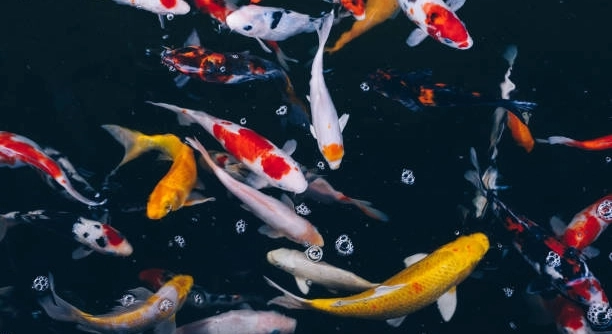
Building a natural koi pond offers a peaceful addition to any outdoor space. Many people enjoy the calming effect of watching koi swim among plants and rocks in a carefully designed, natural environment. This type of pond blends with nature beautifully.
Creating a natural koi pond provides numerous benefits, including enhancing biodiversity, improving water quality through natural filtration, offering habitat for wildlife, reducing maintenance needs, increasing property value, promoting relaxation, and fostering a connection to nature. These advantages make it a sustainable and rewarding project.
Exploring these benefits can help you understand why a natural koi pond is a valuable investment for your home and garden environment. It combines beauty and function in a way that few outdoor features can.
Enhancing Biodiversity in Your Garden
A natural koi pond supports a wide variety of plant and animal life. The pond’s ecosystem creates a habitat for insects, frogs, birds, and beneficial microorganisms. Koi ponds with native plants attract pollinators such as bees and butterflies, helping maintain local plant populations. Aquatic plants filter the water and provide shelter for smaller creatures, promoting a balanced environment. The natural pond design avoids harmful chemicals, making it safer for wildlife compared to artificial water features. As these ecosystems develop, they improve the overall health of the garden. This enhances soil quality and encourages growth beyond the pond area. The result is a richer, more vibrant outdoor space that changes with the seasons. The biodiversity around the pond adds interest and movement, contributing to a peaceful and dynamic atmosphere in your garden.
Supporting biodiversity is an important benefit that contributes to environmental sustainability and garden vitality.
Having a pond that nurtures life beyond the koi creates a living, breathing garden space. It encourages natural cycles and balances pests and plants, which helps reduce the need for pesticides. The variety of life around the pond also attracts wildlife sounds and activity that make spending time outside more enjoyable and calming.
Natural Filtration Improves Water Quality
Natural koi ponds use plants and beneficial bacteria to keep the water clean. These elements work together to break down waste and maintain oxygen levels without harsh chemicals. Aquatic plants absorb nutrients that would otherwise feed algae, reducing algae blooms. The bacteria in the pond help convert fish waste into less harmful substances through biological filtration. This system supports clear, healthy water that benefits koi and other pond inhabitants. Natural filtration is low maintenance and sustainable, allowing the pond to maintain balance over time. By avoiding synthetic treatments, it creates a safer environment for fish and surrounding wildlife. The clean water also improves the pond’s appearance and reduces odors.
Using natural filtration is a cost-effective and eco-friendly way to keep your pond healthy.
The combination of plants and bacteria creates a self-regulating system. It minimizes manual cleaning and chemical use, saving time and effort. This method aligns with the overall goal of integrating the pond with nature rather than dominating it. Clean, clear water contributes to fish health and extends the pond’s longevity as a beautiful feature.
Reduced Maintenance Needs
Natural koi ponds require less frequent cleaning compared to traditional ponds. The ecosystem’s balance helps control algae and waste buildup. Plants and beneficial bacteria reduce the need for harsh chemical treatments, lowering upkeep time. This makes caring for the pond easier and more enjoyable.
The natural filtration system plays a key role in maintenance reduction. It breaks down organic matter, preventing the water from becoming stagnant or dirty. Aquatic plants absorb excess nutrients, limiting algae growth that usually demands frequent cleaning. As a result, the pond stays clearer longer without constant intervention. The natural approach reduces stress for pond owners by minimizing manual labor and chemical handling. It encourages a gentle, ongoing care routine rather than intensive cleaning sessions.
Because the pond supports a balanced ecosystem, it often repairs itself in small ways. Minor debris decomposes naturally, and healthy plants stabilize the environment. This self-regulation helps maintain the pond’s health without constant attention, allowing more time to enjoy its beauty.
Increased Property Value
A well-designed natural koi pond enhances the aesthetic appeal of any property. It adds a unique, tranquil feature that can distinguish a home from others on the market. The visual and environmental benefits contribute positively to overall property value.
Beyond its beauty, a natural koi pond reflects thoughtful landscaping and sustainable practices, which are increasingly attractive to buyers. Its low-maintenance design reduces concerns about upkeep costs and effort, making the property more appealing. The pond also offers potential for outdoor recreation and relaxation, adding lifestyle value. Well-maintained ponds become focal points in gardens and yards, often increasing curb appeal. Homeowners who invest in such features may see a return on investment when selling, thanks to the enhanced ambiance and unique character the pond provides.
Promotes Relaxation and Stress Relief
A natural koi pond creates a peaceful atmosphere. The gentle movement of water and the presence of koi help soothe the mind. Spending time near the pond can reduce stress and encourage calmness.
The sounds of water and the sight of fish swimming slowly offer a quiet retreat. This makes the pond a perfect spot for relaxation after a busy day.
Connection to Nature
Building a natural koi pond fosters a closer bond with the environment. It encourages observation of wildlife and plant growth, deepening appreciation for natural processes. Caring for the pond involves engaging with seasonal changes and ecosystem balance, which can be both rewarding and grounding.
Supports Local Wildlife
A natural koi pond provides habitat for birds, frogs, and beneficial insects. This support helps maintain the local ecosystem’s health.
How much space do I need to build a natural koi pond?
The size of your natural koi pond depends on your available space and how many fish you want to keep. A minimum of 1000 gallons is recommended to provide enough water volume for koi health and stable water conditions. This usually means a pond size of about 8 by 12 feet with a depth of at least 3 feet. Larger ponds offer more room for koi to swim freely and better support a balanced ecosystem. Even if space is limited, it’s important to create a pond that is deep enough to avoid temperature fluctuations and provide protection during winter. Planning the pond size early ensures your koi will thrive in a natural environment.
What plants work best in a natural koi pond?
Native aquatic plants that thrive in your climate work best for a natural koi pond. Water lilies, cattails, and pickerelweed are common choices because they provide shade, oxygen, and shelter for fish and other wildlife. Submerged plants like hornwort and anacharis help oxygenate the water and compete with algae for nutrients. Floating plants such as duckweed reduce sunlight penetration and limit algae growth. Choosing a variety of plants supports a balanced ecosystem and helps maintain water quality. Avoid invasive or aggressive species, as they can disrupt the pond’s natural harmony.
How often do I need to clean a natural koi pond?
Cleaning a natural koi pond is minimal compared to traditional ponds but still necessary. Removing debris such as fallen leaves and excess algae every few weeks helps prevent organic buildup. You should also check and prune aquatic plants regularly to maintain balance. Avoid complete water changes unless there is a serious issue, as they can disrupt beneficial bacteria. Instead, rely on natural filtration from plants and bacteria to keep the water clean. Occasional skimming and removal of sludge from the bottom every year or two will keep the pond healthy without heavy maintenance.
Can koi survive in a natural pond year-round?
Koi can survive in a natural pond year-round if it is properly designed. The pond must be deep enough—at least three feet—to prevent freezing solid in winter. Proper aeration and circulation are important to maintain oxygen levels under ice. In colder climates, you may need a pond heater or aerator to keep a small area ice-free. During hot summers, shaded areas help prevent overheating. Providing a healthy ecosystem with plants and clean water supports koi health throughout the seasons. With good planning, koi can thrive naturally all year long.
Is it expensive to build a natural koi pond?
The cost of building a natural koi pond varies depending on size, materials, and design complexity. Basic pond liners, rocks, plants, and filtration systems can keep expenses reasonable. Choosing native plants reduces ongoing costs since they are easier to maintain. DIY construction lowers labor expenses, but professional help may be needed for larger projects. While initial investment may be moderate to high, ongoing maintenance costs are lower compared to artificial ponds that require chemical treatments and frequent cleaning. A natural pond’s sustainability often balances out upfront costs over time.
Do koi damage plants in a natural pond?
Koi are known to nibble on plants, but this behavior can be managed. Selecting hardy, well-rooted plants helps protect them from damage. Floating and submerged plants are less likely to be disturbed by koi compared to delicate marginal plants. Creating designated planting areas with rocks or barriers can protect vulnerable species. Regularly trimming plants encourages healthy regrowth and reduces koi interest in eating them. When koi have enough natural food and space, they tend to cause less harm. Managing the balance between fish and plants is important for pond health.
How do I prevent algae growth naturally?
Preventing algae growth relies on maintaining a balanced ecosystem. Including enough aquatic plants is the first step since they absorb excess nutrients that algae need to grow. Providing shade with floating plants or overhanging trees limits sunlight exposure, which slows algae development. Introducing beneficial bacteria helps break down organic matter and reduce nutrient buildup. Avoid overfeeding koi, as leftover food contributes to excess nutrients. Regularly removing debris and controlling water flow also help limit algae. These natural methods work together to keep algae in check without chemicals.
Can I keep other wildlife in my natural koi pond?
Yes, a natural koi pond can support various wildlife species like frogs, dragonflies, and birds. Providing diverse plants and shallow areas creates habitats for these animals. However, it’s important to monitor interactions between koi and wildlife. Some species may compete for food or shelter, while others coexist peacefully. Creating separate zones within the pond can help protect vulnerable creatures. Encouraging a variety of life enhances the pond’s ecological balance and makes the space more lively and interesting. This coexistence benefits the overall health of the pond’s ecosystem.
What kind of maintenance schedule should I follow?
A simple maintenance schedule works best for a natural koi pond. Weekly checks for debris removal and plant health keep the system balanced. Monthly water quality testing helps catch potential problems early. Seasonal tasks include pruning plants, inspecting filtration, and cleaning pond edges. Annual removal of sediment from the bottom prevents buildup that can harm water quality. Adjust maintenance based on weather and fish behavior. Consistency ensures a healthy environment and reduces the risk of sudden issues. Keeping up with light, regular care makes pond management easier and more rewarding.
How long does it take for a natural koi pond to establish?
A natural koi pond typically takes several months to establish a balanced ecosystem. Plants need time to root and grow, while beneficial bacteria develop to support filtration. During this period, water quality may fluctuate, so monitoring is important. Introducing koi only after the pond stabilizes prevents stress on the fish. The pond continues to mature over the first year as plant coverage increases and wildlife begins to settle in. Patience during this phase results in a healthier, low-maintenance pond that supports fish and nature harmoniously.
Building a natural koi pond offers many benefits beyond just having a beautiful water feature. It creates a calming space that can help reduce stress and encourage relaxation. Watching koi swim gently through clear water surrounded by plants can bring a peaceful feeling to any yard. Unlike artificial ponds, natural koi ponds work with nature to keep the water clean and support a variety of wildlife. This makes the pond a healthy and vibrant part of your outdoor environment. The effort put into creating and caring for a natural koi pond is often rewarded with a tranquil retreat that can be enjoyed throughout the year.
Maintaining a natural koi pond is simpler than many expect. While some basic care is needed, such as removing debris and pruning plants, the natural balance helps reduce heavy cleaning tasks. Aquatic plants and beneficial bacteria play an important role in filtering the water, limiting algae growth, and providing oxygen for the fish. Koi, in turn, add life and movement to the pond without causing significant harm to plants when balanced properly. Designing the pond to suit your climate, space, and preferences makes it easier to keep everything running smoothly. This balance results in a pond that supports both fish and local wildlife in a sustainable way.
Choosing to build a natural koi pond is also an investment in your home’s outdoor space. It adds aesthetic value and creates a unique environment that changes with the seasons. The pond’s presence encourages a deeper connection to nature by offering opportunities to observe plants, fish, and wildlife up close. Over time, it becomes more than just a water feature—it becomes part of the landscape and your daily life. This connection and the enjoyment it brings are important benefits that extend beyond the physical beauty of the pond. The ongoing relationship between the pond, its inhabitants, and the environment makes natural koi ponds a worthwhile addition to any garden or yard.

Hello,
If you enjoy the content that we create, please consider saying a "Thank You!" by leaving a tip.
Every little bit helps us continue crafting quality advice that supports the health, happiness, and well-being of pets around the world, for pets of all shapes, sizes, and species.
We really appreciate the kindness and support that you show us!