
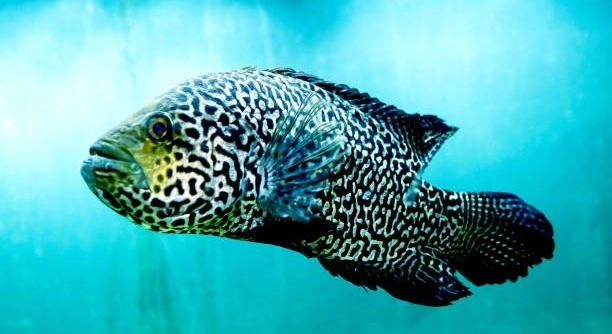
Have you ever noticed your Jack Dempsey fish acting differently after a tank rearrangement or water change? Many owners wonder how sensitive these fish are to changes in their environment and daily routines. Their reactions can be subtle yet noticeable.
Jack Dempsey fish do recognize changes in their tanks. They are territorial and sensitive to new surroundings, decorations, or water conditions. Adjustments can trigger stress responses, altered behavior, and increased alertness as they adapt to the modified environment.
Observing how your fish respond can provide insights into their comfort and well-being. Small changes may have a bigger impact than expected on their behavior.
How Tank Changes Affect Jack Dempsey Fish
Jack Dempsey fish are very aware of their surroundings. Even small adjustments, like moving a rock or changing the filter, can make them act differently. They rely on familiar landmarks to feel safe and secure in the tank. When water is replaced or decorations are shifted, they may hide, swim cautiously, or flare their fins. These behaviors are natural responses to change and are not signs of illness. The key is to make changes gradually. Sudden movements, new decorations, or large water changes can stress them, sometimes causing them to refuse food or become aggressive. Observing their reactions after adjustments is important. Over time, they usually adapt, but their initial response can be strong. Creating a consistent environment with predictable routines helps Jack Dempsey fish feel comfortable. Even small routines, like feeding at the same time or keeping lighting consistent, make a noticeable difference.
Adjustments in tank layout can trigger immediate stress responses, but most fish adapt within days. Monitoring behavior is essential.
Regular observation helps you understand your fish better. Watching how they react to each change shows what makes them comfortable and what might disturb them. Changes in swimming patterns, appetite, or interaction with tankmates provide clear signals about their stress levels. By taking careful note of these behaviors, you can fine-tune the environment to reduce stress. Sometimes moving one decoration at a time or adjusting water parameters slowly makes a big difference. Every fish has its own personality, and some adapt faster than others. Knowing these tendencies allows you to create a stable, healthy space where they feel secure. Keeping a consistent routine for feeding, lighting, and cleaning reduces stress and builds trust. Over time, your fish will show more relaxed and natural behavior, making it easier to enjoy their presence and monitor their health accurately.
Signs of Stress After Changes
Jack Dempsey fish may hide more or become unusually aggressive after changes in the tank. Observing these signals helps prevent long-term stress.
Stress signs include hiding for long periods, sudden color changes, or refusing food. Changes in water temperature, decorations, or tankmates can trigger these behaviors. Sudden shifts in routine may lead to temporary aggression, excessive swimming, or lethargy. It is important to respond promptly by ensuring stable water conditions and limiting further disturbances. Providing hiding spots and maintaining consistent lighting helps reduce anxiety. Over time, monitoring for consistent behavior patterns allows you to identify what causes stress and what promotes comfort. By observing feeding habits and activity levels, you can detect subtle shifts in health early. Being attentive to these signs helps maintain a healthy tank environment, ensuring your Jack Dempsey fish remain active, vibrant, and less reactive to necessary changes in their habitat.
Gradual Changes Reduce Stress
Making changes slowly helps Jack Dempsey fish stay calm. Small adjustments to decorations, water, or lighting are easier for them to accept than sudden shifts. Gradual changes support natural adaptation.
Introducing one change at a time allows your fish to adjust without overwhelming stress. For example, if you plan to add new rocks or plants, place them in stages instead of all at once. When changing water, replacing only part of it first helps maintain familiar conditions. Even adjusting light intensity or schedule gradually is important. Observing how your fish react after each step helps you gauge their comfort. If they hide or swim cautiously, wait before making additional changes. Over time, small and careful adjustments lead to a more stable and stress-free tank environment.
Gradual adaptation also benefits feeding and social behavior. Jack Dempsey fish may become aggressive or lose appetite if multiple changes occur together. By spacing out changes, they maintain normal routines and interactions, reducing stress levels and supporting overall health. Consistency in the tank creates a more predictable environment, making it easier to spot unusual behavior that signals problems.
Environmental Familiarity
Jack Dempsey fish thrive when they recognize their surroundings. Familiar decorations, hiding spots, and consistent water conditions help them feel secure and confident.
Maintaining a stable environment reduces anxiety and encourages natural behavior. Sudden rearrangements or moving the tank can create confusion and stress. Fish rely on visual cues and landmarks to navigate their space. When these are familiar, they swim confidently, feed normally, and interact with tankmates appropriately. Frequent changes can disrupt these routines, causing hiding, aggression, or lethargy. By keeping key elements in place and only introducing new items slowly, fish adjust more easily and maintain regular behavior patterns. Environmental consistency promotes comfort, helps prevent stress-related health issues, and supports long-term well-being.
Water Quality Matters
Stable water conditions are crucial for Jack Dempsey fish. Sudden changes in temperature, pH, or hardness can trigger stress and affect behavior. Maintaining consistent water parameters ensures comfort.
Frequent testing and partial water changes help keep conditions steady. Avoid replacing all water at once, as drastic shifts can shock the fish and lead to hiding or aggression.
Recognizing Subtle Behavior Changes
Jack Dempsey fish show stress in small ways. Changes in swimming patterns, fin position, or color indicate they are adjusting to new conditions. Observing these subtle signs helps you respond quickly and maintain a stable environment.
Gradual Introduction of Tankmates
Introducing new fish slowly is important. Jack Dempsey fish can be territorial, and sudden additions may cause fights or stress. Adding one fish at a time and monitoring reactions helps them adjust peacefully.
FAQ
Do Jack Dempsey fish notice when the tank is moved?
Yes, they do. These fish rely on landmarks and familiar surroundings to feel secure. Moving the tank to a different location can confuse them, causing hiding, reduced activity, or changes in appetite. It’s best to keep the tank in a consistent spot.
How long does it take for them to adjust to new decorations?
Adjustment usually takes a few days to a week. Introducing one item at a time helps. If multiple changes are made at once, stress can increase, leading to hiding, aggressive behavior, or refusal to eat. Gradual changes are key.
Will water changes stress them out?
Partial water changes done correctly usually cause minimal stress. Sudden or full water replacements, especially with different temperature or pH, can shock the fish. Always match new water conditions to the existing tank water to reduce stress.
Do they recognize new tankmates?
Yes, Jack Dempsey fish are territorial and can recognize new fish entering their space. Sudden introductions can lead to aggression or hiding. Introducing one fish at a time and providing hiding spaces reduces tension and allows them to gradually adjust.
How can I tell if they are stressed?
Signs include hiding, flared fins, dull colors, or reduced swimming. Changes in appetite and unusual aggression also indicate stress. Observing their behavior daily helps catch problems early before health issues develop.
Do they react to changes in lighting?
Yes, lighting changes can affect behavior. Sudden bright lights or long periods of darkness can cause anxiety or hiding. Gradually adjusting lighting schedules helps maintain normal activity and feeding patterns. Consistent lighting is best.
Are temperature fluctuations a problem?
Even small temperature changes can be stressful. Jack Dempsey fish prefer stable, warm water. Sudden drops or spikes may lead to lethargy, decreased appetite, or susceptibility to disease. Using a reliable heater and thermometer ensures consistent conditions.
How do they respond to rearranged plants or rocks?
They may explore cautiously, hide more, or become temporarily aggressive. Jack Dempsey fish rely on familiar hiding spots and territorial markers. Rearranging slowly, one piece at a time, allows them to regain comfort without prolonged stress.
Can they remember previous tank layouts?
Yes, they have spatial memory. They remember hiding spots, favorite areas, and territories. Sudden changes can disrupt their routine, but gradual adjustments allow them to adapt while maintaining comfort and confidence.
Do they show signs of long-term stress?
Persistent stress can appear as faded colors, constant hiding, or chronic aggression. Long-term stress affects health, weakening the immune system. Keeping consistent water quality, gradual changes, and stable routines helps prevent these issues.
Is feeding affected by changes in the tank?
Yes, stressed fish may refuse food or eat less. Consistent feeding times and monitoring appetite are important. If they avoid eating after changes, give them time to adjust while keeping water quality and environment stable.
Can I reduce stress during tank cleaning?
Yes, cleaning in small steps helps. Avoid removing all decorations or cleaning all water at once. Partial cleaning reduces shock. Keeping familiar landmarks in place while maintaining hygiene supports comfort and healthy behavior.
Do Jack Dempsey fish react to my presence differently after changes?
They can. Stress may make them more skittish or aggressive toward you. Over time, consistent care, feeding routines, and predictable interactions help them regain normal behavior and trust.
How important is routine for them?
Routine is very important. Feeding, lighting, and minor tank maintenance done consistently reduce stress. Jack Dempsey fish thrive on predictability, which helps them stay active, healthy, and less reactive to necessary changes.
Can they adapt to new environments completely?
Yes, with time and careful management. Gradual changes, stable water conditions, and consistent routines allow them to adjust fully. Some may take longer depending on personality, but patience ensures they regain comfort and normal behavior.
Are there signs that indicate they cannot adjust?
Extreme hiding, refusal to eat for days, or continuous aggression are warning signs. Immediate attention to water quality, tank setup, and stress factors is necessary to prevent health problems. Observing and responding quickly ensures their well-being.
Does tank size affect their reaction to changes?
Yes, larger tanks provide more space and hiding spots, which can reduce stress during changes. Smaller tanks make them more sensitive to modifications, so gradual adjustments and careful monitoring are even more critical.
Can temperature, pH, or hardness changes be gradual?
Yes, making small adjustments over time helps fish adapt. Sudden shifts can cause stress or illness. Using proper equipment and monitoring ensures conditions remain safe while changes are introduced slowly.
How do I know if they have fully adjusted?
Signs include normal swimming, regular feeding, bright colors, and interactive behavior with the environment and tankmates. Observing consistent behavior for several days after a change indicates successful adaptation and reduced stress.
What is the best way to introduce new elements to the tank?
Introduce one element at a time, whether it’s a decoration, plant, or fish. Monitor reactions carefully. Providing hiding spots and keeping water conditions consistent allows Jack Dempsey fish to adjust safely without prolonged stress.
Do they recognize humans after changes in the tank?
Yes, they remember feeding routines and interactions. If stressed by changes, they may be cautious or skittish initially. Consistent care and predictable interactions help them regain normal responses and reduce anxiety.
Can stress affect their health long-term?
Yes, prolonged stress weakens the immune system, making them susceptible to illness. Monitoring water quality, behavior, and routine care prevents chronic stress and supports long-term health and normal development.
Is there a way to make changes easier for them?
Gradual adjustments, stable water conditions, consistent feeding, and predictable lighting make transitions smoother. Observing their reactions and allowing time to adapt reduces stress and maintains their natural behavior.
Do Jack Dempsey fish prefer minimal or complex environments?
They prefer structured environments with hiding spots and familiar landmarks. Sudden changes or overly complex layouts can confuse them. Simple, predictable setups with gradual additions provide comfort and reduce stress.
Are they more sensitive than other cichlids?
Jack Dempsey fish are moderately sensitive. They respond noticeably to changes in environment, water, or tankmates. Compared to more aggressive cichlids, their reactions are slower but still significant. Patience and careful management are essential.
How often should I monitor behavior after changes?
Daily observation is ideal. Watching swimming, feeding, and interactions helps detect stress early. Subtle signs like hiding, fin position, or color changes indicate whether adjustments are needed or if the fish have adapted successfully.
Does lighting type affect adjustment?
Yes, bright or sudden lighting changes can cause stress. Gradually adjusting intensity and duration helps maintain normal activity and comfort. Consistency in lighting schedules supports overall health and reduces anxiety.
How do I know if changes are too much at once?
If fish hide constantly, refuse food, or show unusual aggression, the changes are likely too sudden. Slowing down, reintroducing familiar elements, and monitoring reactions reduces stress and supports adaptation.
Can they remember stressful events in the tank?
Yes, Jack Dempsey fish have memory for stressful experiences. Repeating the same stressors can trigger anxiety or hiding. Learning from previous events, they react cautiously, so gradual and predictable changes are best.
Do hiding spots reduce stress after changes?
Yes, providing caves, plants, or rocks allows them to feel secure. Hiding spots help them explore the new environment at their own pace while reducing anxiety and promoting natural behavior.
Are there tools to measure stress levels?
Behavior observation is the most reliable. Watching activity, feeding, color, and interactions gives insight into stress. Physical signs like rapid gill movement or clamped fins also indicate discomfort. Maintaining stable water conditions complements monitoring.
Can gradual water parameter changes prevent illness?
Yes, slow adjustments in temperature, pH, and hardness help prevent shock and reduce the risk of disease. Sudden changes compromise immune function and can lead to illness. Careful monitoring ensures safe transitions.
Do Jack Dempsey fish notice subtle changes?
Yes, even minor shifts in tank layout, water, or lighting are noticed. Their sensitivity requires gradual adjustments and consistent routines to minimize stress and maintain normal behavior.
Can observing multiple behaviors give better insight?
Absolutely. Combining observations of swimming, feeding, aggression, and hiding provides a full picture of comfort and stress levels. This allows timely adjustments and better care.
Do they prefer consistent feeding routines?
Yes, feeding at the same time daily reduces stress. It supports predictable behavior and helps maintain appetite, health, and interaction with the tank environment.
Is tank cleanliness important for reducing stress?
Yes, clean tanks with stable water quality prevent disease and reduce anxiety. Routine partial cleaning and careful observation of water parameters keep Jack Dempsey fish comfortable and healthy.
Can stress be reversed once noticed?
Yes, providing stable water, gradual changes, hiding spots, and consistent routines allows recovery. Early attention helps fish regain normal behavior and reduces long-term health risks.
Do they respond differently to changes depending on age?
Younger fish may be more adaptable, while older fish are more set in their habits. Gradual adjustments help all ages, but patience is especially important for mature Jack Dempsey fish.
Are they territorial after changes?
Yes, territorial behavior may increase temporarily after rearrangements or new tankmates. Providing space and hiding spots reduces aggression and allows them to reestablish territory gradually.
Does stress affect color intensity?
Yes, stressed Jack Dempsey fish often show duller colors. Bright colors return as they adapt and regain comfort. Observing color changes helps gauge stress levels and adjustment success.
Can long-term monitoring prevent future stress?
Yes, tracking behavior, water quality, and interactions helps anticipate issues. Early adjustments prevent stress from escalating and support long-term health and stability in the tank.
Is patience the most important factor?
Yes, taking gradual steps, observing reactions, and avoiding sudden changes ensures comfort. Patience allows Jack Dempsey fish to adapt naturally without unnecessary stress or health problems.
How do they react to seasonal changes in light or temperature?
Moderate seasonal shifts can be tolerated if gradual. Sudden extremes in temperature or lighting cause stress, so careful monitoring and adjustments help maintain stability.
Do they need time to explore after changes?
Yes, exploration allows them to regain comfort. Hiding spots and gradual introductions let them adjust at their own pace, reducing anxiety and encouraging normal behavior.
Can consistency outweigh minor changes?
Yes, maintaining familiar landmarks, feeding routines, and water conditions reduces the impact of minor changes. Predictability helps Jack Dempsey fish feel secure and adapt more easily.
Do they respond to human interaction differently when stressed?
Yes, stressed fish may hide or act aggressive. Predictable feeding and calm interactions help them regain confidence and return to normal behavior.
Are some Jack Dempsey fish more sensitive than others?
Yes, individual personalities affect how they respond. Some adapt quickly, while others need more gradual changes. Observing each fish ensures proper care and minimizes stress.
Does overcrowding increase stress during changes?
Yes, limited space makes fish more reactive. Overcrowding combined with environmental changes can lead to aggression, hiding, and health issues. Adequate space supports adjustment and comfort.
How does feeding behavior reflect comfort?
Active feeding and normal appetite indicate comfort. Reduced interest or selective eating signals stress or adjustment issues, prompting careful observation and gradual environmental management.
Are sudden noise or vibration changes stressful?
Yes, loud noises or vibrations can startle Jack Dempsey fish, especially after tank changes. Minimizing disturbances supports adaptation and reduces stress.
Do they remember specific hiding spots?
Yes, they rely on familiar shelters. Maintaining or gradually changing hiding spots helps them navigate safely and reduces anxiety.
Can multiple small changes add up to stress?
Yes, even minor changes together can overwhelm them. Introducing adjustments one at a time helps prevent cumulative stress and maintains stability.
Is monitoring fin position useful for detecting stress?
Yes, clamped or flared fins indicate anxiety or aggression. Observing fin posture alongside swimming, hiding, and feeding gives a full picture of comfort levels.
Does gradual adaptation improve long-term health?
Yes, slow adjustments reduce stress, prevent illness, and support overall vitality. Jack Dempsey fish thrive in predictable, stable environments with careful management.
Can changes in water flow affect behavior?
Yes, sudden increases or decreases in current can stress them. Gradually adjusting flow and observing reactions ensures comfort while maintaining healthy water movement.
Are territorial rearrangements stressful for multiple fish?
Yes, changing territories or adding fish can trigger disputes. Gradual introductions, hiding spaces, and careful monitoring reduce aggression and help establish stable territories.
Do they notice slight changes in tank temperature?
Yes, even small shifts can affect activity. Consistency in temperature, combined with gradual changes when needed, supports normal behavior and reduces stress.
Is maintaining routine more important than frequent enrichment?
Yes, predictable routines provide security. Enrichment is beneficial if introduced gradually. Sudden additions can cause more stress than benefit.
Do they adapt better with visual barriers?
Yes, plants or rocks that provide privacy reduce stress during changes. Barriers allow gradual exploration while protecting them from direct exposure to stressors.
Can food type changes affect adjustment?
Yes, sudden changes in diet may add stress. Gradually mixing new food with familiar items helps them adapt without affecting appetite or health.
Are stress responses immediate or delayed?
Responses can appear immediately or after hours. Observing behavior over several days ensures accurate understanding of adjustment and comfort.
Do Jack Dempsey fish prefer stability over novelty?
Yes, they feel secure in predictable conditions. Novelty is tolerated best when introduced slowly, with familiar landmarks and consistent routines maintained.
Can stress cause long-term behavioral changes?
Yes, repeated or prolonged stress can lead to chronic hiding, aggression, or reduced activity. Preventing stress with gradual adjustments ensures healthier, more confident fish.
Does hiding time indicate comfort level?
Yes, prolonged hiding signals anxiety or adjustment issues. Normal exploration and interaction suggest comfort and successful adaptation to changes.
Is gradual water replacement essential?
Yes, replacing a portion of water slowly helps maintain familiar conditions, reducing stress and preventing sudden shocks that affect health and behavior.
Do they remember stressful interactions with tankmates?
Yes, negative experiences influence future behavior. Careful introductions and providing space help them feel secure and reduce long-term anxiety.
Can consistent feeding and lighting reduce adjustment stress?
Yes, maintaining regular schedules gives structure and predictability. Jack Dempsey fish respond positively to stability, making transitions smoother.
Does tank complexity affect stress adaptation?
Yes, overly complex or cluttered setups can overwhelm them. Balanced layouts with hiding spots and familiar landmarks help them adjust without prolonged stress.
Do they notice changes in water clarity?
Yes, cloudy or dirty water can trigger stress. Regular maintenance and slow cleaning routines support comfort and reduce anxiety.
Can personality affect adaptation speed?
Yes, some are naturally bolder and adjust quickly, while shy individuals need slower changes. Observing each fish ensures proper care.
Are multiple small environmental changes better than one large change?
Yes, spacing out adjustments allows gradual adaptation. Sudden large changes can overwhelm fish, increasing stress and disrupting behavior.
Do they interact differently with tankmates after changes?
Yes, temporary aggression or hiding is common. Gradual introductions, consistent routines, and hiding spots help restore normal social behavior.
Can stress affect reproduction or growth?
Yes, chronic stress impacts health, growth, and breeding behavior. Maintaining stability and reducing stress supports development and long-term vitality.
Do they respond to familiar scents or sounds?
Yes, consistent feeding cues and human presence help them feel secure. Sudden changes in environment or routine can temporarily reduce recognition.
Is gradual adaptation effective for all Jack Dempsey fish?
Yes, most fish respond well to slow, steady changes. Patience, observation, and consistent care ensure comfort and healthy behavior for all ages and personalities.
Does tank size influence stress recovery?
Yes, larger tanks with hiding spots reduce stress. Limited space can magnify reactions to changes, making gradual adjustments and monitoring even more important.
Can repeated minor stressors accumulate?
Yes, small stressors over time can impact behavior and health. Monitoring and spacing changes prevents cumulative stress and maintains well-being.
Is observation more important than intervention?
Yes, careful observation helps identify subtle stress signs. Intervening too quickly or excessively can increase stress. Monitoring ensures appropriate, measured responses.
Do they prefer familiar hiding spots over new ones?
Yes, familiar shelters reduce anxiety. New hiding spots should be introduced gradually to allow exploration while maintaining a sense of security.
Does sudden noise impact behavior?
Yes, loud or sudden sounds can startle them. Minimizing disturbances during tank changes helps them feel safe and supports normal activity.
Can regular partial water changes prevent stress?
Yes, consistent maintenance keeps water stable and reduces the risk of stress from sudden environmental shifts. Partial changes are safer than full replacements.
Do they respond to visual changes in the tank?
Yes, rearranged decorations or plants trigger curiosity or caution. Gradual adjustments prevent prolonged stress and allow safe exploration.
Can gradual lighting changes help adjustment?
Yes, slowly increasing or decreasing light intensity helps maintain normal behavior and reduces anxiety during environmental changes.
Do Jack Dempsey fish remember positive experiences?
Yes, they recall safe, comfortable conditions and respond well to familiar routines, feeding, and tank setups.
Are sudden introductions of multiple tankmates stressful?
Yes, adding several fish at once can overwhelm them. Gradual introduction with monitoring reduces aggression and anxiety.
Can stable water conditions outweigh minor decor changes?
Yes, consistent water quality is more critical than small layout changes. Stability in water reduces stress and supports overall health.
Do they show personality differences in response to change?
Yes, some adapt quickly while others need more time. Patience and observation ensure each fish adjusts safely.
Does hiding frequency indicate stress level?
Yes, increased hiding signals anxiety or adjustment difficulties. Reduced hiding over time shows comfort and adaptation to changes.
Can gradual environmental changes prevent illness?
Yes, slow adjustments reduce stress and help maintain immune function, lowering the risk of disease.
Do they prefer predictable routines over novelty?
Yes, familiar routines make them feel secure. Introducing new elements slowly allows safe exploration without prolonged stress.
Is monitoring behavior daily essential?
Yes, daily observation detects early signs of stress, allowing timely adjustments and maintaining health and comfort.
Do they recognize consistent human interaction?
Yes, predictable care routines help them respond confidently. Sudden changes may cause caution, but familiarity restores normal behavior.
**
Jack Dempsey fish are sensitive and aware of their surroundings. They notice even small changes in their tank, such as rearranged decorations, new water, or additional fish. Because they rely on familiar landmarks and routines, sudden changes can cause stress. Stress can show in many ways, including hiding for long periods, flaring their fins, reduced appetite, or unusual aggression. Observing these behaviors is important to understand how your fish are coping. Being attentive to their reactions allows you to make adjustments gradually, keeping them comfortable and healthy.
Gradual changes are the most effective way to reduce stress. Introducing new decorations one at a time or performing partial water changes instead of replacing all water at once helps maintain stability. Consistent lighting schedules, feeding routines, and hiding spots give them a sense of security. Even small routines, like feeding at the same time each day, make a noticeable difference in their behavior. Gradual introductions of new tankmates are equally important, as Jack Dempsey fish are territorial. Giving them time to explore and establish boundaries reduces aggression and anxiety. Over time, these fish adapt to their environment and regain normal behavior when changes are made carefully.
Patience and observation are key for maintaining a healthy tank. Monitoring water conditions, behavior, and interactions helps identify stress early and prevent long-term health issues. Providing stable water parameters, sufficient space, and familiar surroundings supports their well-being. While changes in the tank are sometimes necessary, planning them slowly and allowing time for adjustment ensures the fish remain active, confident, and comfortable. Understanding their sensitivity and respecting their natural behavior makes caring for Jack Dempsey fish a rewarding experience. By keeping routines consistent, changes gradual, and the environment predictable, you create a stable space that supports their health, happiness, and natural instincts, helping them thrive in the long term.

Hello,
If you enjoy the content that we create, please consider saying a "Thank You!" by leaving a tip.
Every little bit helps us continue crafting quality advice that supports the health, happiness, and well-being of pets around the world, for pets of all shapes, sizes, and species.
We really appreciate the kindness and support that you show us!