
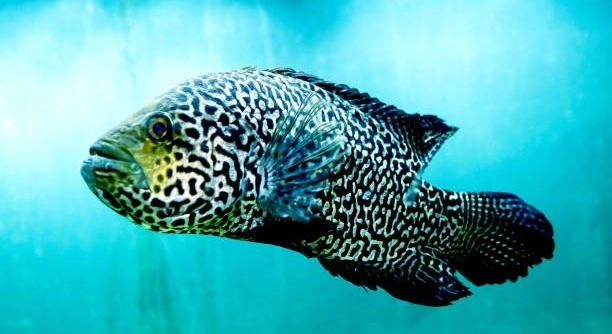
Have you ever noticed changes in your aquarium and wondered what they mean for your fish? Fish often show subtle habits when they are ready to reproduce, and recognizing these signs can be both helpful and fascinating.
Fish exhibit clear indicators of reproductive readiness, including changes in color, unique swimming patterns, nest preparation, and increased interaction with potential mates. Identifying these behaviors allows aquarists to understand and support the breeding process effectively.
Observing these habits can improve your care routine and help maintain a healthy environment for your fish to thrive.
Intensified Colors
When fish are ready to mate, one of the first things you might notice is a change in their coloration. Males often develop brighter, more vivid colors to attract females. Females may also show subtle changes in shade, signaling readiness to spawn. These color shifts are usually temporary and linked directly to breeding hormones. In many species, such as cichlids and guppies, the brighter colors serve as a visual signal to potential mates. Observing your fish during this time can help you identify which individuals are preparing to reproduce. Lighting and water quality can influence how noticeable these color changes appear, so maintaining a clean and well-lit tank can make it easier to spot. Sudden changes in intensity or patterns often indicate that breeding behavior is imminent. This natural signaling helps ensure that only healthy, prepared fish participate in reproduction, improving the chances of successful spawning.
Color changes are a reliable indicator of mating readiness.
Recognizing these visual cues allows you to anticipate breeding activity. Paying attention to brightness and patterns helps in managing tank conditions, separating males and females if necessary, and providing optimal food and environmental factors. Consistent observation ensures that breeding pairs have the best chance to reproduce successfully.
Unique Swimming Patterns
Fish often begin swimming differently when they are ready to mate.
During mating readiness, many fish perform circling, chasing, or darting movements around the tank. These patterns are usually directed at potential partners and can be repetitive. Males may chase females gently, showing dominance or courtship, while females respond with subtle movements or pauses. Some species, like bettas, build bubble nests and display a dance-like motion around them. Others swim in synchronized patterns, preparing the spawning site together. These behaviors help strengthen pair bonding and signal that both fish are healthy enough for reproduction. Observing and understanding these patterns allows aquarists to anticipate mating events and adjust tank conditions accordingly. Proper space, hiding spots, and calm environments can encourage these behaviors, while overcrowding or stress may suppress them. Identifying these unique swimming behaviors early ensures you can provide the right support for breeding and monitor fish health effectively, promoting successful reproduction.
Nesting Behavior
Fish often start preparing specific areas in the tank for spawning. Males may clear spaces, dig in the substrate, or build bubble nests, depending on the species. These actions signal that breeding is imminent and show that the fish are ready to reproduce.
Nesting behavior is a clear sign of reproductive readiness. In species like bettas, males create bubble nests at the water’s surface, which are used to protect fertilized eggs. Other fish, such as cichlids, may dig pits or clean flat surfaces where eggs will be laid. Observing these behaviors can help aquarists separate potential mates from aggressive tankmates and ensure that breeding conditions are safe. Providing suitable materials or spaces encourages these behaviors and increases the chances of successful reproduction. Recognizing these patterns helps in monitoring fish health and readiness, making breeding more predictable and manageable.
Supporting nesting behavior requires attention to tank conditions and space. Water quality, temperature, and availability of hiding spots all influence whether fish will engage in these activities. Ensuring that tanks are stress-free and enriched promotes natural reproductive behaviors and helps fish feel secure during spawning periods. Monitoring how different fish species build or prepare nests can also offer insight into their mating preferences and social interactions.
Increased Interaction with Mates
Fish ready to mate often spend more time near potential partners. They may swim together, touch lightly, or mimic each other’s movements, showing a growing bond.
Increased interaction is essential for successful spawning. Males often approach females repeatedly, nudging or circling them to encourage readiness. Females respond by moving along, pausing, or following the male’s lead. In many species, these interactions are subtle but consistent, signaling that both fish are healthy and capable of reproduction. Observing this behavior allows aquarists to identify compatible pairs, reduce stress from other tankmates, and prepare for egg-laying or fertilization events. This stage often precedes nest guarding or egg deposition, highlighting the importance of careful observation during these interactions.
These interactions also reveal social dynamics in the tank. Dominant or more active males may initiate repeated contact, while females test their responsiveness. Noticing patterns of approach, retreat, or synchronized swimming helps determine pair compatibility. Providing enough space and minimizing disturbances ensures these interactions occur naturally. Fish that interact frequently are more likely to spawn successfully, making observation a critical part of managing breeding in home aquariums.
Chasing and Following
Chasing is a common behavior when fish are ready to mate. Males often swim quickly after females, nudging or circling them. This behavior helps stimulate the female and demonstrates the male’s fitness for reproduction.
Following is a gentler form of chasing. Females may swim alongside the male or mirror his movements. This coordinated swimming strengthens pair bonding and signals readiness to spawn.
Changes in Appetite
Fish may show shifts in eating habits during breeding periods. Some eat more to gain energy for reproduction, while others reduce food intake as their bodies focus on spawning. These appetite changes are temporary and linked to hormonal fluctuations preparing them for mating.
Increased Hiding
Fish often seek out sheltered areas when preparing to mate. Hiding provides security from stress and ensures that eggs or nests remain undisturbed during reproductive activities.
FAQ
How can I tell if my fish are ready to mate?
Fish show several behaviors indicating readiness to reproduce. Common signs include intensified coloration, specific swimming patterns, chasing and following, nest building, and increased interaction with potential mates. Observing these habits over time allows you to predict when mating is likely to occur.
Do all fish show the same mating behaviors?
No, behaviors vary by species. Bettas create bubble nests and perform dances, cichlids dig pits or clean surfaces for eggs, and livebearers may show increased chasing and circling. Knowing your species’ natural habits helps in recognizing mating readiness.
Is it normal for fish to become aggressive during mating season?
Yes, increased aggression can occur, particularly among males competing for females or defending nesting sites. Providing enough space and hiding spots helps reduce stress and prevents injuries, ensuring a safer environment for all tank inhabitants.
Should I separate males and females during mating?
It depends on the species and tank conditions. Some species, like cichlids or bettas, may benefit from temporary separation to reduce fighting or to encourage spawning. Observing interactions first helps determine whether separation is necessary.
How important is water quality during breeding?
Water quality is crucial. Clean, well-oxygenated water with stable temperature and pH levels supports reproductive health. Poor water conditions can prevent spawning or harm eggs and fry. Regular testing and adjustments ensure a safe environment for breeding.
How long does the mating process take?
The duration varies by species. Some fish complete spawning in minutes, while others may take hours or several days to finish nest building, courtship, and egg-laying. Patience and careful observation are key to understanding the timeline for your fish.
Can diet affect breeding readiness?
Yes, nutrition plays a significant role. High-quality, protein-rich food helps fish gain energy and strengthens reproductive health. Feeding small, frequent meals can improve vitality and encourage natural mating behaviors, increasing the chances of successful reproduction.
Do fish always lay eggs after showing mating behaviors?
Not always. Environmental factors, stress, or incompatibility between mates can prevent egg-laying despite clear mating behaviors. Ensuring proper tank conditions, compatible pairs, and minimal stress increases the likelihood of successful spawning.
What should I do after eggs are laid?
After eggs are laid, monitor them carefully. Some species guard eggs, while others may eat them. Providing protection, removing aggressive tankmates, and maintaining optimal water conditions help maximize survival rates for eggs and fry.
How can I encourage shy or hesitant fish to mate?
Creating a calm, enriched environment with hiding spots, proper lighting, and minimal disturbances can help. Gradually introducing mates and maintaining ideal tank conditions encourages natural reproductive behavior without forcing interactions.
Are there signs that mating attempts are failing?
Yes. Signs include persistent aggression, avoidance, lack of nest building, or refusal to eat. Identifying these early allows adjustments in tank setup, mate selection, or environmental conditions to improve breeding outcomes.
Can fish breed multiple times in a season?
Many species can spawn repeatedly, especially if conditions are favorable. Regular monitoring, maintaining water quality, and providing proper nutrition allow fish to reproduce multiple times, supporting population growth in the aquarium.
Do temperature changes influence breeding?
Yes, temperature often triggers spawning. Warmer water can stimulate reproductive behavior, while sudden drops may delay or prevent mating. Maintaining species-appropriate, stable temperatures encourages natural breeding patterns.
Is it necessary to remove fry from the tank?
In some cases, yes. Parents or other fish may eat fry. Providing a separate rearing tank or using breeding nets can protect young fish and improve survival rates, giving them a better chance to grow safely.
How can I tell if the eggs are healthy?
Healthy eggs are usually clear or slightly opaque, firm, and free of fungus. Cloudy, discolored, or soft eggs may indicate poor water quality, disease, or infertility. Regular observation helps you address issues quickly and protect developing fry.
Can all fish reproduce in captivity?
Not all species reproduce easily in home aquariums. Some require very specific environmental cues, tank setups, or seasonal triggers that are hard to replicate. Understanding your species’ needs is essential for successful breeding.
Is it normal for fish to ignore each other during breeding season?
Yes, some fish need time to adjust to tankmates or conditions. Patience, proper pairing, and suitable tank setup allow natural courtship behaviors to develop over time. Forcing interactions often causes stress and reduces breeding success.
How do I know if my tank is suitable for breeding?
A suitable tank has stable water parameters, proper temperature, enough space, hiding spots, and compatible tankmates. Observing fish behavior and readiness helps ensure that the environment meets reproductive needs. Adjustments can improve success rates for spawning and fry survival.
What role does light play in fish reproduction?
Light influences activity, feeding, and hormonal cycles. Providing a consistent day-night cycle mimics natural conditions and encourages reproductive behaviors. Avoid sudden changes in lighting, as it can stress fish and delay mating activities.
Can stress prevent fish from mating?
Yes, stress from overcrowding, poor water quality, aggressive tankmates, or sudden environmental changes can suppress reproductive behavior. Reducing stress is critical for encouraging natural mating patterns and improving the likelihood of successful spawning.
How long before I see fry after spawning?
The time depends on species. Some eggs hatch within a day or two, while others take a week or more. Observing development stages helps track progress and ensure that conditions remain suitable for healthy growth of fry.
Is it possible to predict when mating will occur?
While exact timing is difficult, consistent observation of behavior, color changes, chasing, and nesting provides strong indicators of imminent spawning. Recognizing these patterns allows aquarists to prepare the tank and support successful reproduction.
What are common mistakes during fish breeding?
Common mistakes include overcrowding, poor water quality, neglecting nutrition, not providing hiding spots, or disturbing nests. Addressing these factors increases the chance of successful mating, egg survival, and healthy fry development.
Can I breed multiple species in the same tank?
Breeding multiple species together is risky. Different reproductive behaviors, aggression, and environmental needs may lead to stress, aggression, or egg predation. It is usually better to breed species separately to ensure optimal conditions and higher survival rates.
How do I care for fry after hatching?
Fry require clean water, appropriate small foods, and protection from adult fish. Frequent water changes, gentle feeding, and minimal disturbance help them grow safely. Monitoring development ensures early detection of health issues and supports healthy growth into juvenile fish.
What is the best way to track breeding progress?
Regular observation of behavior, nest activity, egg condition, and fry growth allows accurate tracking. Keeping a log of dates, changes, and patterns helps you understand your fish and adjust conditions for optimal breeding success.
Can fish reproduce without a mate?
Most species require a mate for reproduction. A few species can reproduce parthenogenetically, but this is rare. Successful breeding generally depends on pairing compatible individuals in suitable environmental conditions.
Are there signs that a mating pair is compatible?
Signs include synchronized swimming, mutual following, nest cooperation, and reduced aggression. Pairs that interact smoothly and show shared interest in nesting or territory are more likely to spawn successfully.
Can artificial breeding methods help?
Yes, methods like hormone treatments or controlled environments are sometimes used in aquaculture. These methods require knowledge and care to ensure health and safety for fish while promoting successful reproduction.
How do I prevent eggs from being eaten?
Providing separate breeding tanks, using nets, or temporarily isolating parents can protect eggs. Maintaining hiding spots and reducing stress also helps ensure higher survival rates for eggs and fry.
Is patience important in fish breeding?
Absolutely. Mating behaviors, nest building, and egg development take time. Rushing or interfering can stress fish and reduce success. Observing carefully and allowing natural processes increases the chances of healthy reproduction.
Can I encourage shy males to display mating behavior?
Creating a calm environment, proper lighting, and adequate space encourages shy males. Gradually introducing females or mimicking natural seasonal cues can stimulate courtship and mating behavior.
Do fish remember past mates?
Some species may recognize previous partners, but memory varies. Compatibility, environment, and current health often influence reproductive behavior more than prior interactions. Maintaining optimal conditions ensures success regardless of past experiences.
How can I tell if mating was successful?
Signs include eggs being laid, fertilization patterns, and attentive parental care. Healthy eggs that develop normally indicate successful mating, while unfertilized or neglected eggs may require intervention or improved conditions.
What should I do if eggs fail to hatch?
Check water quality, temperature, and parental behavior. Remove fungus-infected eggs, adjust conditions, and monitor closely. Learning from failed attempts helps improve future breeding outcomes.
Are there environmental triggers for breeding?
Yes, factors like temperature, light cycles, water chemistry, and seasonal changes often trigger reproductive behaviors. Mimicking natural cues encourages fish to display mating readiness and increases chances of successful spawning.
How important is observation during breeding?
Observation is critical. Monitoring behavior, nest activity, feeding, and interactions allows early detection of issues and ensures proper care. Careful attention improves breeding success and helps maintain a healthy tank.
Can breeding affect fish lifespan?
Breeding can be physically demanding, but with proper nutrition, water quality, and care, fish generally maintain health. Overbreeding or stress, however, may reduce lifespan, so balance is important.
What tools help monitor breeding effectively?
Thermometers, water test kits, breeding nets, and observation logs are helpful. They allow you to track water conditions, monitor egg development, and record behavioral changes for better management of the breeding process.
Do fish need special decorations or plants for breeding?
Yes, many species require hiding spots, plants, or flat surfaces for egg-laying. Providing suitable structures encourages natural behaviors and protects eggs from being eaten or disturbed.
Can breeding be stressful for fish?
Yes, stress from aggression, poor water quality, or overcrowding can hinder reproduction. Reducing disturbances and providing proper tank conditions supports healthy mating and increases success rates.
How do I know when to remove fry from the main tank?
Remove fry when they are small enough to be at risk from adult fish. Using separate tanks or protective barriers ensures survival and allows them to grow safely without interference.
What are the first signs of fry after hatching?
Fry are tiny, often translucent, and may cling to surfaces or swim weakly. Feeding with appropriately sized food and maintaining clean water supports their early growth and survival.
Is it normal for fish to take breaks during mating?
Yes, mating can involve periods of rest or reduced activity. Allowing these breaks prevents stress and supports energy levels necessary for successful reproduction.
Can fish breed in community tanks?
Some species can, but risks include aggression, egg predation, and environmental mismatch. Careful observation, hiding spots, and compatible tankmates increase the chances of success while reducing stress.
Do males and females always show the same readiness signs?
No, males often display brighter colors, chasing, or nest building, while females may show subtle behavioral changes. Recognizing both sets of signs ensures better understanding of overall reproductive readiness.
How often should I check on breeding fish?
Regular observation is important, but avoid constant interference. Checking once or twice daily for behavior, egg condition, and water quality is usually sufficient.
Are some fish easier to breed than others?
Yes, livebearers and many small tropical fish breed readily in home tanks. Others, like certain cichlids or seasonal spawners, require precise conditions and patience for successful reproduction.
Can I encourage more than one pair to breed at the same time?
Possible, but overcrowding and aggression may occur. Providing sufficient space, hiding spots, and monitoring interactions helps maintain harmony and supports multiple successful breeding events.
What happens if eggs are not fertilized?
Unfertilized eggs may become cloudy, soft, or develop fungus. Removing them prevents contamination of healthy eggs and improves overall tank conditions. Monitoring fertilization helps in assessing mating success.
Do fish recognize their own eggs?
Some species show parental care for their eggs, while others do not distinguish between eggs. Understanding species-specific behavior helps in deciding whether intervention is necessary for egg protection.
Can lighting cycles influence fry development?
Yes, consistent lighting helps regulate behavior, feeding, and development. Sudden changes may stress fry and delay growth, so maintaining stable day-night cycles supports healthy development.
How can I tell if mating behavior is normal?
Normal behaviors include chasing, following, nest building, color changes, and coordinated swimming. Deviations like excessive aggression or inactivity may indicate stress, health issues, or environmental problems.
Is it safe to introduce new fish during breeding?
Introducing new fish during breeding can cause stress, aggression, or egg predation. It is better to wait until the spawning period is complete to maintain a stable environment.
How long should I leave parents with eggs?
It depends on species. Some guard eggs until hatching, while others may eat them. Observing species-specific behavior helps determine the best timing for separation to ensure egg survival.
Can fish breed without proper nutrition?
Poor nutrition reduces fertility, energy, and overall reproductive success. Providing a balanced, protein-rich diet supports healthy mating behaviors and increases chances of successful spawning.
What is the role of water flow in breeding?
Water flow affects oxygenation, egg placement, and nest stability. Gentle, species-appropriate currents encourage natural behaviors and protect eggs, while strong currents may disrupt nests or stress fish.
Are there signs that breeding is complete?
Completion is indicated by the absence of chasing, nest guarding, or egg-laying behavior. Fry hatching and parental care patterns also signal the end of the reproductive phase.
Can environmental enrichment improve mating success?
Yes, providing hiding spots, plants, and proper substrates encourages natural behaviors, reduces stress, and increases compatibility between mates, improving overall reproductive success.
How can I prevent aggression during breeding?
Provide sufficient space, separate overly aggressive individuals, and offer hiding spots. Monitoring interactions and adjusting tank layout helps maintain a safe environment for breeding pairs.
Do fish need specific tank sizes to breed?
Yes, adequate space is essential to reduce stress, allow nest building, and support chasing or following behaviors. Tank size requirements vary by species and number of breeding individuals.
Can water hardness affect reproduction?
Yes, some species require specific hardness levels for egg development and spawning. Testing and adjusting water hardness ensures proper conditions for successful breeding and healthy fry.
What is the role of temperature fluctuations?
Gradual seasonal or temperature changes often trigger spawning behaviors. Sudden, extreme shifts may stress fish, so controlled, gradual adjustments are recommended to simulate natural breeding cues.
Is it common for fish to fail their first breeding attempt?
Yes, especially in captivity. Inexperience, stress, or environmental factors can prevent successful spawning. Adjusting conditions and observing behaviors helps improve outcomes in subsequent attempts.
How can I encourage natural courtship behaviors?
Maintain stable water parameters, provide suitable tank setups, and minimize disturbances. Gradually introducing mates and mimicking seasonal cues supports natural courtship and mating behaviors.
Do fish require companionship to breed?
Most species need at least one compatible mate. Some livebearers or social species rely on group interactions to trigger reproductive behaviors, while solitary species may only require a single partner.
Can breeding reduce aggression long-term?
After successful spawning, some species may show reduced aggression. Others may return to normal territorial behavior. Observing post-spawning interactions helps manage tank dynamics effectively.
Are there signs that eggs are fertilized successfully?
Fertilized eggs are usually firm, clear or slightly opaque, and develop normally. Cloudy or discolored eggs may indicate fertilization failure or poor water quality, requiring intervention to protect remaining eggs.
How can I prepare my tank for breeding?
Ensure clean water, proper temperature, hiding spots, adequate space, and compatible tankmates. Observing species-specific behaviors and adjusting the environment increases the likelihood of successful mating and healthy fry development.
What mistakes should I avoid during breeding?
Avoid overcrowding, poor nutrition, disturbing nests, sudden environmental changes, and ignoring signs of stress. Careful attention to tank conditions and fish behavior ensures successful reproduction and fry survival.
Is it necessary to provide special breeding substrates?
Many species benefit from substrates like sand, gravel, or plants for egg-laying or nest building. Providing appropriate surfaces encourages natural reproductive behaviors and protects eggs.
How often should I feed breeding fish?
Feeding small, frequent meals with high-quality, protein-rich foods supports energy needs, strengthens reproductive health, and encourages natural mating behaviors.
Can I predict which pairings will be successful?
Observation of behavior, compatibility, and health helps identify likely successful pairings. Pairs that show coordinated interactions, mutual interest, and minimal aggression are more likely to breed successfully.
How do I know if my fish need more privacy during mating?
Signs include hiding, stress behaviors, or avoidance of other tankmates. Providing secluded areas, plants, or breeding boxes gives fish the privacy needed to spawn naturally.
What is the role of oxygenation in breeding?
Proper oxygen levels are critical for egg development and fry survival. Adequate aeration supports metabolism, reduces stress, and encourages natural reproductive behaviors in both males and females.
Can sudden tank changes stop mating?
Yes, sudden water changes, rearranged decorations, or new tankmates can disrupt breeding. Gradual adjustments and minimal disturbances help maintain natural reproductive behaviors.
Do all eggs hatch at the same time?
No, hatching times vary by species and environmental conditions. Monitoring development and maintaining stable tank conditions ensures healthy fry emergence and reduces losses.
How important is tank cleanliness during breeding?
Very important. Clean water prevents fungal infections, supports egg development, and reduces stress. Regular maintenance ensures a safe and healthy environment for both adults and fry.
Can I encourage mating by adjusting water parameters?
Yes, gradually adjusting temperature, pH, or hardness to species-appropriate levels can stimulate reproductive behavior. Sudden changes should be avoided to prevent stress.
Do fish remember previous breeding partners?
Some may recognize familiar mates, but success depends on compatibility, health, and current conditions. Proper pairing and environment are more important than past interactions.
How can I tell if a breeding pair is stressed?
Signs include hiding, reduced activity, lack of interest in mates, aggression, or refusal to eat. Identifying stress early allows intervention to improve conditions for successful reproduction.
What role does tank size play in fry survival?
Larger tanks reduce overcrowding and aggression, provide space for fry to hide, and allow adults to engage in natural behaviors without harming eggs or young fish.
Can breeding impact adult fish health?
Breeding requires energy and can stress adults if conditions are poor. Providing proper nutrition
Final Thoughts
Observing fish as they prepare to mate can be both fascinating and informative. Each species has its own set of behaviors that signal reproductive readiness, from color changes and chasing to nest building and increased interaction with potential mates. Paying attention to these signs allows aquarists to provide the right conditions, which can make the breeding process smoother and more successful. It is important to remember that fish rely heavily on environmental cues, so maintaining stable water parameters, proper lighting, and suitable tank setups is essential. By understanding these natural behaviors, you can better support your fish without forcing interactions or creating unnecessary stress.
Providing a safe and comfortable environment is one of the most important factors for successful breeding. Hiding spots, plants, and appropriate substrates give fish places to feel secure while they engage in courtship or guard their eggs. Overcrowding or aggressive tankmates can disrupt these behaviors and may prevent spawning altogether. Nutrition also plays a significant role, as well-fed fish are more likely to display natural mating behaviors and successfully reproduce. Observing shifts in appetite, energy levels, or interactions can help determine whether your fish are ready to mate and whether the tank conditions are supporting their health. Careful attention to these details improves the likelihood of both successful spawning and healthy fry development.
Patience is key when it comes to fish reproduction. Mating, egg-laying, and fry development do not happen instantly, and sometimes fish may fail in their first attempt. Observing behavior consistently, making small adjustments to the tank environment, and supporting fish with proper care over time will increase the chances of success. Recognizing and responding to signs of stress, aggression, or discomfort is just as important as identifying readiness behaviors. By providing the right conditions, supporting natural behaviors, and monitoring the process carefully, aquarists can help their fish reproduce safely and effectively. Taking a thoughtful, attentive approach ensures the health of both adult fish and their offspring, creating a balanced and thriving aquarium environment.

Hello,
If you enjoy the content that we create, please consider saying a "Thank You!" by leaving a tip.
Every little bit helps us continue crafting quality advice that supports the health, happiness, and well-being of pets around the world, for pets of all shapes, sizes, and species.
We really appreciate the kindness and support that you show us!