
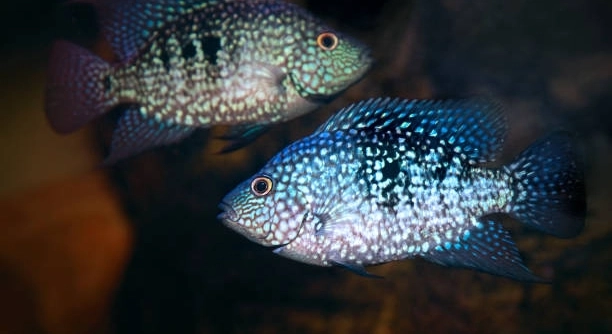
Jack Dempsey fish are known for bold behavior and strong breeding displays, yet changes in their environment can quietly influence social patterns, pairing habits, and overall interest in reproduction within the home aquarium setting conditions.
Jack Dempsey fish can lose interest in mates due to environmental stress, improper water parameters, inadequate diet, or social imbalance. These factors disrupt hormonal regulation and breeding behaviors, leading to reduced courtship activity and temporary or prolonged reproductive disinterest states.
By recognizing subtle changes early, aquarists can better support healthy pair bonds and restore stable breeding behavior over time consistently.
Environmental Changes Affect Breeding Interest
Environmental conditions play a strong role in shaping Jack Dempsey breeding behavior. Sudden temperature shifts, unstable pH levels, and poor water quality can cause stress responses that suppress reproductive instincts. When stress is present, energy is redirected toward survival rather than mating. Inconsistent lighting schedules also interfere with natural hormonal cycles, making fish less responsive to partners. Overcrowded tanks add further pressure, increasing aggression and territorial defense instead of courtship. Even minor disruptions, such as frequent tank rearrangements or loud surroundings, may reduce comfort levels. Stable, predictable environments support natural behaviors and encourage bonding. When conditions remain inconsistent, interest can fade gradually rather than disappearing suddenly. Observing daily behavior patterns helps identify whether environmental strain is influencing mating responses before long-term detachment develops. Consistency over time allows trust to form, giving fish the security needed to express natural reproductive behaviors without ongoing interruption or unnecessary external pressure from surroundings daily.
Simple adjustments often restore comfort quickly. Maintaining steady water parameters, reducing noise, and limiting tank changes help fish relax. When stability improves, behavioral confidence returns, allowing natural pairing responses to reappear without forced intervention or excessive handling over time with patient observation and consistent daily care routines in home aquariums.
Diet also supports reproductive interest. Jack Dempsey fish require protein-rich meals, vitamins, and varied nutrition to sustain hormonal balance. A limited or repetitive feeding plan may weaken energy levels and reduce responsiveness to mates. High-quality pellets, frozen foods, and occasional live offerings promote vitality. Feeding consistency matters as much as food type, since irregular schedules disrupt biological rhythms. Overfeeding should be avoided, as digestive stress can mirror environmental strain. When nourishment aligns with natural needs, physical readiness improves. This foundation helps fish maintain focus on social interaction, territorial stability, and breeding behavior within a controlled aquarium environment over extended periods.
Social and Biological Factors That Matter
Social dynamics influence mate interest significantly. Improper pairing, constant aggression, or lack of visual separation can disrupt bonding. When fish feel threatened or overstimulated, mating behaviors are replaced by defensive actions, distancing potential partners and reducing shared territory tolerance over time within confined aquarium spaces lacking adequate structural balance elements.
Age and biological readiness also shape reproductive engagement. Young or newly acquired Jack Dempsey fish may require extended adjustment periods before showing interest in mates. Stress from transport, new tank layouts, or unfamiliar tankmates delays hormonal regulation. Conversely, aging fish may experience natural declines in reproductive drive, especially if past breeding attempts were frequent. Pair compatibility remains essential. Forced pairings often fail because individual temperaments differ. Providing choice through visual access to multiple fish supports natural selection behaviors. Adequate space allows boundaries to form without constant conflict. Seasonal cues, such as gradual temperature adjustments, may further encourage readiness when applied cautiously. Observation remains one of the most valuable tools. Subtle signals like reduced coloration, avoidance, or inactivity often indicate disengagement before complete withdrawal occurs. Addressing these signs early promotes healthier outcomes. With balanced conditions, respectful social structure, and patience, Jack Dempsey fish are more likely to regain stable reproductive interest and maintain harmonious tank relationships. Consistency in care routines builds security, while avoiding sudden changes protects established bonds. Over time, stable environments allow natural rhythms to return, supporting long-term reproductive balance without forced intervention or unnecessary manipulation by the aquarist during regular observation and calm maintenance practices that respect stability.
Recognizing Signs of Reduced Mating Interest
Jack Dempsey fish may show reduced mating interest through behavioral changes such as faded coloration, limited interaction, and avoidance of shared spaces. Courtship displays become rare, and territorial defense may increase, signaling discomfort rather than attraction within the aquarium environment over time during extended periods of stress or imbalance conditions.
Physical cues often appear alongside behavioral shifts. Dull eyes, clamped fins, and slower movement suggest declining energy linked to reproductive disengagement. Appetite changes may also develop, with fish eating less or ignoring favored foods. These signs reflect internal stress responses affecting hormone production. When breeding readiness declines, the body conserves resources rather than supporting mating behaviors. Monitoring these subtle physical changes daily helps distinguish temporary mood shifts from deeper reproductive suppression. Early recognition allows timely adjustments to water quality, diet, or tank dynamics before long-term disinterest becomes established and more difficult to reverse within stable home aquarium care routines consistently.
Behavior between paired fish can change noticeably. Former mates may stop sharing territory or resting near each other. Minor interactions can escalate into repeated chasing or defensive posturing. This shift often reflects frustration rather than compatibility loss. External stressors commonly trigger these responses. Poor water parameters, limited space, or unsuitable tankmates interrupt natural bonding cycles. Addressing social stress early prevents emotional withdrawal from becoming habitual. Providing visual barriers, adjusting stocking levels, and ensuring sufficient territory can help restore balance. With reduced tension, pairing behavior may gradually return without forced separation or artificial breeding triggers under consistent aquarium management practices applied.
Supporting the Return of Breeding Behavior
Restoring mating interest begins with stabilizing core conditions. Maintain consistent temperature, balanced pH, and clean water through regular testing. Feeding varied, high-quality foods supports hormonal recovery. Reducing sudden changes helps fish regain confidence. Small adjustments made gradually often produce better results than aggressive interventions within sensitive aquarium environments. Patience is essential, as biological responses require time to normalize safely. Consistency builds trust and encourages natural reproductive behaviors again through calm, predictable daily care routines maintained.
When conditions improve, avoid rushing the process. Jack Dempsey fish benefit from uninterrupted stability rather than constant monitoring or rearrangement. Observe behavior quietly and limit handling. If social tension persists, temporary visual separation may reduce pressure without isolating fish completely. Reevaluate tank size and layout to ensure adequate space for territories. Lighting schedules should mimic natural cycles to support hormonal regulation. Breeding interest often returns slowly, marked by subtle color changes and increased proximity. Respecting this gradual pace prevents setbacks. By focusing on steady care rather than quick fixes, long-term reproductive balance becomes more achievable in a controlled aquarium setting. This approach supports physical health, reduces stress, and encourages sustainable breeding behavior over time without creating dependency on artificial stimulation methods within home aquarium systems.
Tank Setup and Space Balance
Tank size directly influences mating interest in Jack Dempsey fish. Limited space increases stress, reduces territory control, and encourages defensive behavior. When space feels restricted, breeding becomes a low priority. Providing adequate room allows natural movement, calm interactions, and improved comfort within shared environments over extended captive living conditions daily.
Decor placement also affects bonding. Flat stones, caves, and visual barriers help reduce tension and support spawning behavior. Open layouts without shelter can cause anxiety and avoidance. Balanced setups offer both visibility and retreat, supporting shared territory use while limiting constant confrontation between fish during daily interactions and routines consistently.
Lighting and Daily Rhythms
Lighting consistency plays a quiet but important role in breeding readiness. Irregular schedules confuse internal clocks and suppress hormonal signals tied to reproduction. Excessive brightness may increase agitation, while dim conditions reduce activity. Timers help maintain predictable cycles that support rest and stimulation. Gradual adjustments are preferable when changes are needed. Natural day and night patterns encourage normal behavior and reduce stress. When lighting remains stable, Jack Dempsey fish often show improved coloration, increased awareness of tankmates, and calmer interactions. These subtle improvements support renewed interest in pairing without forced environmental manipulation and unnecessary disruption of biological rhythms over time.
Stress From External Activity
External activity around the aquarium can influence breeding behavior. Loud sounds, frequent movement, and tapping on glass elevate stress levels. Persistent disturbance keeps fish alert and defensive. Quiet surroundings promote relaxation and allow natural focus on social interaction rather than constant vigilance during daily tank maintenance and observation routines consistently.
FAQ
Why does my Jack Dempsey fish suddenly stop showing interest in its mate?
Jack Dempsey fish can lose interest in mates due to environmental stress, poor water quality, overcrowding, or inadequate nutrition. Sudden temperature changes, inconsistent lighting, and frequent tank rearrangements can also interfere with natural hormonal cycles, reducing courtship and pairing behaviors over time.
How can I tell if the lack of interest is temporary or permanent?
Temporary disinterest often shows as mild avoidance, dull coloration, or brief inactivity. Permanent or prolonged disinterest usually includes persistent aggression, complete avoidance of the mate, and continued refusal to eat or engage, even when environmental and dietary conditions are optimal.
Can diet affect mating behavior?
Yes, diet plays a major role in reproductive readiness. A lack of protein, vitamins, and nutrient variety can reduce energy levels and disrupt hormonal balance. High-quality pellets, frozen foods, and occasional live offerings support vitality and encourage normal courtship displays. Overfeeding, however, can cause stress and digestive issues that also reduce mating interest.
Do tank size and layout matter?
Absolutely. Small or overcrowded tanks increase stress and aggression, making fish more focused on defending territory than mating. Providing adequate space, hiding spots, and visual barriers supports comfort, reduces conflict, and encourages natural social interaction between pairs. Open areas for swimming combined with secure retreats improve overall bonding.
Can stress from other fish affect mating?
Yes. Aggressive tankmates, constant chasing, or incompatible pairings can reduce interest. Fish may avoid each other or become defensive instead of courting. Temporary visual separation or adjusting the number and type of fish in the tank can reduce tension and allow natural pairing behaviors to resume gradually.
Does age influence breeding interest?
Young Jack Dempsey fish may need time to adjust to a new tank before showing reproductive behaviors. Older fish may naturally decline in reproductive drive, especially after repeated breeding attempts. Pair compatibility remains important, as individual temperament differences can affect whether interest is maintained.
How does lighting affect mating?
Consistent lighting supports hormonal regulation. Irregular schedules can suppress reproductive instincts, while extreme brightness may cause agitation. Using timers to mimic natural day-night cycles encourages normal activity, calm behavior, and improved coloration, which can positively influence mate interest.
Can frequent handling or tapping on the glass affect behavior?
Yes, constant disturbances increase stress levels. Frequent tapping, loud noises, or handling interrupts normal behavior, making fish defensive rather than focused on mating. Quiet surroundings and minimal interference support calm social interactions and help restore interest in pairing over time.
Are there signs I should watch for that indicate my fish is ready to breed again?
Subtle signs include brighter coloration, increased proximity to the mate, gentle nudging, or mild fin displays. Appetite may improve, and defensive behavior decreases. Recognizing these changes allows for careful monitoring and support without forcing interaction or disturbing natural rhythms.
Can environmental improvements restore mating behavior?
Yes, stabilizing water temperature, pH, and quality, providing consistent feeding schedules, ensuring proper tank size, and maintaining calm surroundings all help restore natural interest in mates. Gradual, consistent improvements encourage confidence and reduce stress, allowing Jack Dempsey fish to regain reproductive behaviors safely.
Is it necessary to separate fish to restore mating interest?
Separation is only occasionally helpful if aggression or stress is high. Temporary visual barriers can reduce tension without fully isolating the fish. Properly managing space, tank layout, and social structure often allows natural pair bonding to resume without prolonged separation.
How long does it take for mating behavior to return?
Recovery varies depending on the cause of disinterest. Environmental stabilization may show results in a few days, while long-term stress, age, or repeated failed breeding attempts may require weeks. Patience and careful observation are key to encouraging sustainable reproductive activity.
Can seasonal changes affect mating interest?
Yes, slight adjustments in temperature and light that mimic seasonal shifts can trigger hormonal changes and encourage breeding behaviors. Gradual changes are more effective than abrupt alterations, which can increase stress and reduce interest further.
What role does compatibility play in mate interest?
Even under ideal conditions, incompatible temperaments can prevent successful pairing. Providing choice through visual access to multiple potential mates supports natural selection behaviors. Allowing fish to establish boundaries without forced pairing increases the likelihood of long-term bonding and sustained reproductive interest.
Are there ways to encourage bonding without forcing interaction?
Yes, maintaining a calm, stable environment, providing adequate territory, and avoiding frequent disturbances allow fish to interact naturally. Gradual improvements in water quality, diet, and tank setup support trust and reduce stress, encouraging voluntary courtship and pairing behaviors over time.
How important is consistent monitoring?
Regular observation helps identify subtle changes in behavior, coloration, and activity. Early recognition of stress or disinterest allows timely adjustments to environment, diet, or social structure, preventing long-term reproductive decline and supporting healthier mating patterns within the aquarium.
Final Thoughts
Jack Dempsey fish are sensitive to changes in their environment, social structure, and overall care. Their interest in mates can fluctuate depending on stress levels, water conditions, tank size, and diet. Even small adjustments, such as a slight shift in temperature or a change in lighting, can affect their natural behaviors. Understanding that these fish rely on stability and predictability helps explain why breeding interest may fade at times. Fish do not respond well to sudden disruptions, and behaviors that seem unusual or concerning are often their way of coping with changes in their surroundings. Observing their daily habits carefully allows owners to notice signs of stress or disinterest early, before these behaviors become persistent.
Maintaining optimal water quality is one of the most important factors in keeping Jack Dempsey fish engaged with mates. Parameters like pH, temperature, and cleanliness should be consistent, as fluctuations can suppress reproductive hormones and reduce courtship displays. Providing adequate space and hiding spots is equally important. Overcrowded tanks or poorly arranged environments increase stress, trigger defensive behavior, and limit opportunities for natural pairing. Even factors such as noise around the tank or frequent handling can interrupt their routines and make them less likely to show interest in mates. A consistent feeding schedule with a balanced diet supports hormonal health and energy levels, giving fish the physical readiness to engage in breeding behaviors naturally.
Patience is essential when working to restore mating interest. Recovery may take days, weeks, or longer, depending on the severity of stress or the fish’s age. Gradual changes, rather than sudden interventions, are most effective for rebuilding confidence and encouraging natural behaviors. Monitoring interactions quietly without forcing engagement allows the fish to regain comfort and establish boundaries with their mates. By providing a stable, low-stress environment and meeting their basic needs consistently, owners can support long-term reproductive health and foster natural bonding behaviors. Attention to these details helps Jack Dempsey fish thrive, maintain social balance, and resume pairing naturally over time.

Hello,
If you enjoy the content that we create, please consider saying a "Thank You!" by leaving a tip.
Every little bit helps us continue crafting quality advice that supports the health, happiness, and well-being of pets around the world, for pets of all shapes, sizes, and species.
We really appreciate the kindness and support that you show us!