
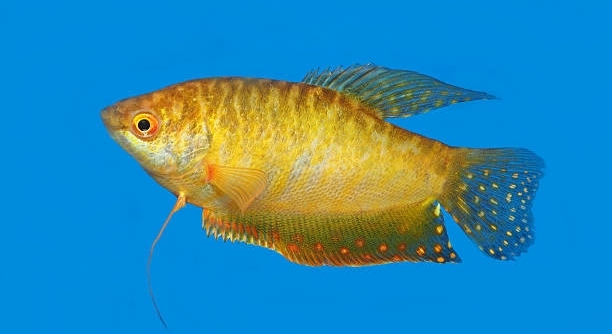
Have you ever noticed your gourami rubbing against objects in their tank and wondered what could be causing this behavior? This action may seem harmless, but it often indicates something worth your attention.
Gourami rub their sides primarily due to skin irritation caused by parasites, poor water quality, or environmental stress. This behavior is a response to discomfort and should be addressed promptly to prevent further health complications in the fish.
Understanding the reasons behind this behavior can help you improve your gourami’s well-being and maintain a healthy aquarium environment.
External Parasites on the Skin
Skin parasites are a common reason why gourami rub their sides against surfaces. Parasites like ich or flukes irritate the skin, causing discomfort and prompting the fish to seek relief by rubbing on objects. These parasites are often introduced into the tank through new fish, plants, or unclean water. Once present, they attach to the fish’s skin, leading to itching and visible signs such as white spots, cloudy patches, or frayed fins. The rubbing behavior is the fish’s attempt to scratch away the irritation. If left untreated, the condition can worsen, causing secondary infections or long-term stress. Treating the tank with appropriate medication and isolating infected fish can help stop the spread. Maintaining a clean tank and quarantining new additions are essential steps in preventing recurring problems. Always monitor your gourami closely for any sudden behavioral changes, as early detection leads to easier treatment and quicker recovery.
Rubbing caused by parasites should never be ignored. Acting quickly can prevent the spread and help your gourami feel better faster.
If you suspect parasites, look for additional symptoms like lethargy or loss of appetite. Water changes, raising the temperature slightly, and using anti-parasitic treatments can help control the issue and bring relief to your fish.
Poor Water Quality
Gourami are sensitive to their water conditions, and rubbing can be their way of signaling discomfort due to poor quality.
Ammonia, nitrites, and nitrates can irritate the skin and gills, especially when they reach unsafe levels. Regular testing is important to catch problems before they affect your fish. Dirty water also promotes bacterial growth and lowers oxygen levels, which leads to stress and illness. Sudden changes in pH or temperature can also upset the balance, causing similar signs. When gourami rub their bodies, it’s often a sign that something in the environment feels wrong. Regular water changes, filter maintenance, and using a dechlorinator can help improve tank conditions. Make sure to avoid overfeeding, as excess food decays and increases waste levels. If your fish suddenly start rubbing their sides, check the tank immediately for cloudy water, odd smells, or algae buildup. A clean, balanced tank supports both their physical health and natural behavior, making them less likely to act out in distress.
Skin Irritation from Tank Decorations
Some tank decorations have rough or sharp edges that can irritate your gourami’s skin. When their scales brush against these surfaces, it may cause discomfort, leading to rubbing as a response to the irritation.
Check your tank for rough rocks, sharp plastic plants, or poorly made ornaments. Decorations that feel harsh to the touch can be uncomfortable for your gourami and might even cause small scratches. These minor injuries increase the risk of infection and stress. Soft, smooth items are better choices for your tank. If rubbing started after adding a new item, try removing it and observe if the behavior improves. Avoid overcrowding the tank with too many objects, as limited space makes it hard for fish to swim comfortably. Your gourami should have plenty of open room along with safe, soft places to hide. Their environment should feel secure, not scratchy or overwhelming.
Replacing problem decorations with smooth alternatives can prevent further issues. Driftwood with soft edges, silk plants, or smooth river stones work well. Always rinse any item before placing it in the tank, and inspect it closely to make sure it won’t harm your fish. Simple changes like these can make a big difference in their comfort and health.
Stress from Tank Mates
Gourami may start rubbing their sides when tank mates are aggressive or too active. Stress from bullying can lead to physical symptoms like skin rubbing or hiding.
Not all fish get along well in the same environment. If your gourami shares the tank with fast-moving or territorial species, they may feel threatened. Constant chasing or fin-nipping causes stress, and rubbing may be one of the first signs. A stressed fish might also avoid food or spend more time hiding. Separating aggressive tank mates or providing more plants and hiding spots can help reduce conflict. Make sure the tank is large enough for everyone to have space. Gourami generally do well with peaceful fish that swim at different levels of the tank. Monitoring fish interactions closely after introducing new species is important. If stress is ongoing, consider rehoming the incompatible fish or rearranging the tank to break up sight lines.
Rapid Changes in Water Temperature
Sudden shifts in water temperature can make your gourami feel uncomfortable. These changes can irritate their skin and affect their immune system, leading to rubbing. Stability in temperature is important for keeping stress levels low and preventing unwanted behavior.
Even a few degrees difference from one day to the next can cause problems. A reliable aquarium heater and thermometer help keep the temperature consistent. Avoid placing the tank near windows or vents, which can lead to fluctuations. Regular checks help ensure your gourami stays healthy and calm in their environment.
High Ammonia or Nitrite Levels
When ammonia or nitrite levels rise, gourami may react by rubbing their sides due to skin and gill irritation. These chemicals are toxic, and even low levels can harm your fish. Test your water regularly with a reliable test kit, especially after cleaning or adding new fish. If levels are high, do a partial water change right away and make sure your filtration system is working properly. Overfeeding and poor tank maintenance contribute to this issue. Removing uneaten food, vacuuming the substrate, and not overcrowding the tank are simple ways to prevent spikes in these compounds.
Early Signs of Illness
Rubbing can be one of the first signs something is wrong. It’s often an early warning before other symptoms like lethargy or loss of appetite appear. Catching these signs early can help you treat problems before they get worse.
Why do gourami rub their sides on tank decorations?
Gourami rub their sides on decorations mainly because they feel irritation or discomfort on their skin. Rough or sharp surfaces can cause small scratches or irritation, which leads them to rub as a way to relieve the feeling. It’s a natural response to something that doesn’t feel right on their body. Sometimes this happens when new decorations with rough edges are added, or if old items have become worn and sharp. Changing to smoother decorations or removing the irritating objects usually stops this behavior quickly.
Can poor water quality cause gourami to rub their sides?
Yes, poor water quality is a common cause. High levels of ammonia, nitrites, or nitrates irritate a fish’s skin and gills. This irritation causes gourami to rub their sides to try to relieve discomfort. Dirty water also increases the risk of infections, which can make rubbing worse. Keeping the tank clean with regular water changes, testing water frequently, and avoiding overfeeding are essential steps. Good filtration and stable water parameters reduce the chance of irritation and help keep gourami healthy.
Are parasites responsible for gourami rubbing their sides?
Parasites are often the reason gourami rub their sides. External parasites like ich or flukes attach to the skin, causing itching and discomfort. This makes the fish try to scratch by rubbing against tank surfaces. Other signs of parasites include white spots, redness, or frayed fins. It’s important to treat the tank with appropriate medication to remove parasites quickly. Quarantining new fish before adding them to the tank helps prevent parasites from entering your aquarium.
Can tank mates cause gourami to rub their sides?
Stress from aggressive or incompatible tank mates can lead gourami to rub their sides. When other fish chase, nip, or bully them, gourami become stressed, which often shows through rubbing or hiding. Providing plenty of space, hiding places, and peaceful companions can reduce stress. If aggression continues, separating the fish may be necessary. Stress weakens the immune system, making fish more prone to illness and skin irritation.
How does temperature affect gourami behavior?
Sudden changes in water temperature can upset gourami, causing irritation that leads to rubbing. Gourami prefer stable, warm water conditions. Temperature swings stress their system and can make their skin sensitive. Using a heater and thermometer ensures the tank stays within a consistent range. Avoid placing the tank where drafts or direct sunlight cause temperature shifts. Maintaining steady warmth helps keep gourami calm and healthy.
What should I do if my gourami keeps rubbing its sides?
First, check water quality with a test kit to ensure ammonia, nitrite, and nitrate levels are safe. Look closely for signs of parasites or injuries. Remove rough decorations that might be causing irritation. Observe tank mates for aggressive behavior. Adjust temperature if it’s fluctuating. If you find parasites or poor water quality, treat the tank with appropriate medication or perform water changes. Isolate sick fish if needed. Monitoring your gourami closely and taking quick action helps prevent further problems.
Is rubbing always a sign of illness?
Rubbing is often a symptom of discomfort but not always due to illness. It can result from irritation caused by rough tank items, minor injuries, or stress. However, it can also indicate parasites, infections, or poor water conditions. Watching for other signs like lethargy, loss of appetite, or visible spots will help determine if illness is involved. Treating the root cause early improves the chance of recovery and prevents complications.
Can diet influence rubbing behavior?
Diet itself doesn’t directly cause rubbing, but poor nutrition weakens a fish’s immune system. A weak immune system makes gourami more vulnerable to infections and parasites, which cause rubbing. Providing a balanced diet with high-quality flakes, pellets, and occasional live or frozen foods supports skin health. Feeding the right amounts and avoiding overfeeding also keeps water cleaner, reducing irritation risks. Proper nutrition helps maintain overall health and reduces abnormal behaviors.
How often should I clean the tank to prevent rubbing?
Regular cleaning is essential. Partial water changes of about 20-30% every one to two weeks help maintain water quality. Cleaning the substrate with a gravel vacuum removes waste that can cause toxins to build up. Filters should be cleaned monthly but never completely replaced at once to preserve beneficial bacteria. Keeping the tank clean reduces irritation from poor water conditions and lowers the risk of infections that cause rubbing.
When is it necessary to consult a vet or specialist?
If rubbing persists despite good water quality, proper diet, and a safe environment, it’s time to seek professional help. Signs like open sores, heavy breathing, or severe lethargy indicate a serious problem. A vet or fish specialist can diagnose infections or diseases that may require prescription medication. Early diagnosis and treatment improve recovery chances. If unsure about symptoms or treatment, professional advice is always the safest choice.
Final Thoughts
Gourami rubbing their sides is a common behavior that often points to underlying issues in their environment or health. Understanding why this happens helps in providing better care and improving their well-being. Many factors, such as water quality, parasites, tank setup, and stress, play a role in this behavior. Addressing these factors systematically can prevent rubbing and keep gourami comfortable and healthy. Monitoring the tank regularly and paying attention to any changes in behavior or appearance is essential for early detection of problems.
Maintaining a stable and clean tank environment is one of the most effective ways to reduce rubbing. This includes regular water testing, proper filtration, and consistent temperature control. Removing rough or sharp decorations that could irritate the fish’s skin is also important. Providing a balanced diet supports immune health, which helps gourami resist infections and parasites that cause rubbing. In some cases, changing tank mates or rearranging the aquarium layout can reduce stress and improve the fish’s comfort. Small adjustments often make a significant difference in how gourami behave and feel.
If rubbing continues despite these measures, it may signal a health issue requiring treatment. Parasites and infections can cause skin irritation that prompts rubbing and should be treated quickly to avoid further complications. Consulting a veterinarian or fish care specialist is recommended when symptoms worsen or persist. Early intervention improves the chances of recovery and long-term health. Overall, attentive care and prompt action ensure that gourami remain vibrant and stress-free in their home.

Hello,
If you enjoy the content that we create, please consider saying a "Thank You!" by leaving a tip.
Every little bit helps us continue crafting quality advice that supports the health, happiness, and well-being of pets around the world, for pets of all shapes, sizes, and species.
We really appreciate the kindness and support that you show us!