
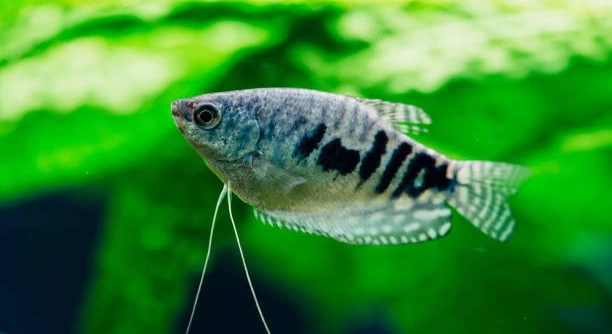
Gouramis are popular freshwater fish often kept in home aquariums. They display a variety of behaviors that can make them interesting tank mates. Many fish owners observe their interactions and wonder about social bonds forming among them.
Gouramis exhibit social behaviors that suggest the formation of friendships, such as recognizing and spending more time with familiar tank mates. These interactions promote peaceful coexistence and reduce stress within the aquarium environment.
Observing these social patterns helps better understand gourami care and their compatibility in community tanks. This knowledge supports creating a more harmonious aquatic environment for all fish involved.
Understanding Gourami Social Behavior
Gouramis display various social behaviors that indicate recognition and preference among tank mates. They often spend more time near familiar fish, showing less aggression toward them. This behavior suggests a level of comfort and reduced stress when surrounded by known companions. Gouramis communicate through body language, such as flaring fins and gentle nudging, which helps establish social hierarchy without intense fighting. These interactions can create a more peaceful tank environment, benefiting all the fish involved. Observing gouramis over time reveals patterns of cooperation, such as sharing feeding spots or resting near each other. Although gouramis can be territorial, they tend to tolerate or ignore fish they recognize, minimizing conflict. Providing ample space and hiding places in the aquarium supports these natural behaviors, allowing gouramis to express their social tendencies without feeling threatened or crowded. This understanding is key to successful gourami care and maintaining a stable tank community.
Social bonds among gouramis reduce stress and improve overall tank harmony, making them easier to care for in groups.
Encouraging social behavior starts with a well-structured tank setup. Providing plenty of plants and visual barriers allows gouramis to interact on their own terms, avoiding forced contact that could lead to aggression. Regular observation helps identify which fish are more compatible, allowing adjustments when necessary. Feeding routines also play a role; distributing food in different areas can prevent competition and promote peaceful sharing. By recognizing these natural patterns, owners can create an environment where gouramis thrive together, showing calmer and more engaging behaviors.
How Tank Conditions Influence Interaction
Tank conditions significantly affect gouramis’ social interactions. Poor conditions can increase aggression, while well-maintained environments promote peaceful coexistence.
Stable water parameters, appropriate tank size, and proper decoration influence how gouramis behave socially. Overcrowded or stressed fish are more likely to act aggressively, disrupting established social balances. Clean water with consistent temperature and pH levels supports their health and mood, reducing unnecessary conflicts. A larger tank allows gouramis to claim personal space and avoid confrontations. Providing plants, caves, and hiding spots offers safe zones where fish can retreat if tensions rise. This setup mimics their natural habitat, helping gouramis feel secure and less defensive. Adjusting tank conditions based on observation ensures the fish maintain calmer, more stable interactions. Proper care and environment contribute directly to how gouramis relate to each other and adapt to living in groups. Attention to these factors results in a tank where social behaviors are natural and less stressful for the fish.
Signs of Compatibility Among Gouramis
Gouramis that tolerate each other tend to swim close and share space without aggression. They may engage in parallel swimming or gentle chasing without harm. These behaviors indicate acceptance within the group and a balanced social structure.
Compatibility is often seen in how gouramis interact during feeding and rest. Fish that eat calmly side by side or rest in the same area without chasing show positive social bonds. Aggressive displays tend to decrease once familiarity is established. Differences in size and temperament also affect compatibility, with similarly sized fish usually getting along better. Observing these signs helps in managing the tank effectively.
Tank mates that display tolerance and mutual respect help maintain peace. Adjusting the group composition by removing aggressive individuals or separating overly dominant gouramis improves compatibility and reduces stress. This approach encourages a calm, stable environment where gouramis coexist more comfortably.
Tips to Encourage Positive Interactions
Providing ample space and hiding spots reduces territorial disputes. Dense plants and decorations create natural barriers that help gouramis feel secure and less threatened by others.
Routine feeding in multiple areas prevents competition and aggression over food. Using slow-release or sinking pellets allows gouramis to feed without crowding. Maintaining stable water quality also reduces stress-related behavior. Regular monitoring of fish behavior and tank conditions allows timely adjustments to the group. Introducing new fish slowly helps them integrate better and lowers conflict risks. These measures create a peaceful atmosphere where gouramis can express their natural social tendencies safely and calmly.
Common Misconceptions About Gourami Behavior
Gouramis are often thought to be strictly solitary fish, but they actually show social behaviors when kept in proper conditions. Misunderstanding their needs can lead to mistaken assumptions about their interactions.
Aggression is sometimes misinterpreted as inability to coexist, but it often results from overcrowding or stress. Proper care reduces these issues significantly.
How to Introduce New Gouramis
Introduce new gouramis gradually to prevent territorial disputes. Quarantine new fish first to avoid spreading disease. Slowly acclimate them to the tank environment and existing fish to ease social acceptance.
Monitoring Social Dynamics
Regularly watch for changes in behavior to detect rising aggression or stress. Early intervention prevents harm and maintains balance.
Adjusting Tank Setup
Changing decorations or adding plants can shift social dynamics and reduce tension quickly.
FAQ
Do gouramis recognize each other?
Gouramis are capable of recognizing familiar tank mates through repeated interaction. Over time, they tend to spend more time near fish they know, showing less aggression. This recognition helps reduce stress and supports a peaceful tank environment. It is not the same as human recognition but shows social memory.
Can gouramis form strong social bonds?
Yes, gouramis can develop stable social relationships, especially in tanks that provide enough space and hiding places. These bonds are seen in calm swimming patterns and reduced aggressive behavior. However, their social structure varies by species and individual temperament.
How many gouramis should be kept together?
The ideal number depends on tank size and gourami species. A larger tank allows for groups of three to five without overcrowding. Smaller tanks may require fewer fish to prevent territorial disputes. Always monitor behavior and adjust accordingly.
Are some gourami species more social than others?
Certain gourami species, like pearl gouramis, tend to be more social and tolerant of group living. Others, such as kissing gouramis, can be more territorial and less social. Researching specific species traits helps in creating a compatible group.
What causes aggression among gouramis?
Aggression often stems from overcrowding, lack of hiding spots, or stress due to poor water conditions. Mating season can also increase territorial behavior. Addressing these issues through tank management reduces aggressive incidents.
How can aggression be minimized?
Maintaining adequate space, hiding places, and proper water quality helps reduce aggression. Feeding in multiple locations prevents competition. Separating overly aggressive individuals or providing visual barriers can calm the tank environment.
Is it necessary to separate gouramis if they fight?
Separation may be necessary if aggression causes injury or extreme stress. Temporary or permanent division prevents harm and allows the tank to regain balance. Sometimes rearranging tank decorations reduces conflict without separation.
Do gouramis prefer the company of other fish species?
Gouramis often do well with peaceful community fish but may avoid overly aggressive or fast-moving species. Compatibility depends on temperament, tank size, and species-specific needs. Careful selection of tank mates supports social harmony.
How does tank size impact gourami behavior?
A larger tank offers more territory and hiding spaces, reducing stress and aggression. Smaller tanks limit personal space, leading to competition and conflict. Proper tank size is crucial for maintaining peaceful interactions.
Can gouramis live alone?
Gouramis can survive alone but may exhibit less natural social behavior. Keeping them in pairs or small groups usually improves their well-being by providing stimulation and comfort. However, solitary keeping can be acceptable with proper care.
What role do hiding spots play in gourami social life?
Hiding spots offer refuge and reduce conflict by allowing fish to escape aggressive encounters. Plants, caves, and decorations create natural barriers that support relaxed social behavior and territorial boundaries.
How important is water quality for gourami interactions?
Poor water quality increases stress and can trigger aggression. Maintaining stable parameters such as temperature, pH, and cleanliness keeps gouramis healthy and calm. Consistent water care directly influences social harmony.
Can introducing new gouramis disrupt social balance?
Yes, new fish can cause temporary tension as existing gouramis re-establish social order. Introducing newcomers slowly and monitoring interactions minimizes stress and helps reintegrate the group smoothly.
What signs indicate social stress in gouramis?
Signs include chasing, hiding excessively, loss of appetite, or visible injuries. Changes in coloration and lethargy may also occur. Observing these behaviors early allows for intervention to reduce stress and restore peace.
Are gouramis compatible with other gourami species?
Compatibility varies by species and individual temperament. Some gouramis coexist well in community tanks, while others become territorial. Research and careful observation ensure a balanced mixed-species tank.
Does feeding influence social behavior?
Feeding routines impact social dynamics. Uneven feeding can cause competition and aggression. Distributing food in different tank areas encourages peaceful sharing and reduces conflict during mealtimes.
How long does it take for gouramis to settle in together?
Adjustment periods vary but typically last from days to weeks. During this time, gouramis establish social hierarchies and territories. Patience and proper tank conditions facilitate smoother transitions.
Can gouramis be trained to recognize their owners?
Gouramis show some recognition of their owners through feeding routines and interaction patterns. They may respond to familiar movements but do not form attachments like mammals. This recognition helps build trust and ease stress.
Are male gouramis more aggressive than females?
Males tend to be more territorial and aggressive, especially during breeding. Females usually show calmer behavior. Separating males or providing enough space helps manage male aggression.
What are signs of positive social interaction?
Peaceful swimming side by side, shared resting spots, and gentle nudging are signs of positive interaction. Absence of chasing or fin damage indicates stable social bonds and acceptance.
Final Thoughts
Gouramis show a range of social behaviors that vary depending on species, tank conditions, and individual temperaments. While they may not form friendships in the way humans understand them, they do display recognizable patterns of tolerance and interaction. These behaviors help maintain balance and reduce stress within the aquarium. Proper care, including providing enough space, hiding places, and suitable tank mates, encourages peaceful coexistence and positive interactions among gouramis.
Maintaining a stable environment is key to supporting social harmony. Factors such as water quality, temperature, and feeding routines influence how gouramis interact. When these needs are met consistently, aggressive behaviors tend to decrease. Attention to the tank’s layout, with natural barriers like plants and decorations, allows gouramis to establish territories without constant confrontation. Introducing new fish carefully and monitoring changes in behavior are also important steps for a peaceful community.
Understanding gourami behavior helps improve their well-being and the overall tank experience. Observing how gouramis respond to each other allows timely adjustments that prevent conflict and stress. With patience and proper management, gouramis can live comfortably with tank mates, displaying calm and natural social tendencies. This approach supports a healthy, balanced environment where their social needs are respected.

Hello,
If you enjoy the content that we create, please consider saying a "Thank You!" by leaving a tip.
Every little bit helps us continue crafting quality advice that supports the health, happiness, and well-being of pets around the world, for pets of all shapes, sizes, and species.
We really appreciate the kindness and support that you show us!