
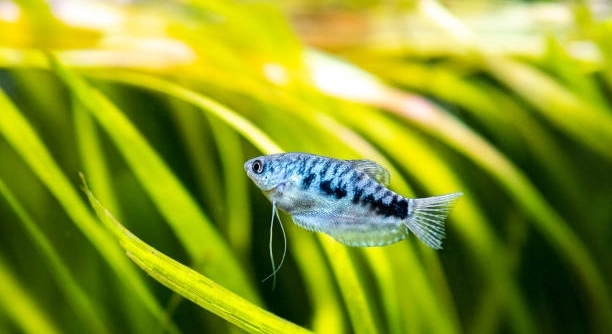
Gouramis are popular freshwater fish known for their vibrant colors and peaceful nature. Sometimes, they suddenly stop making their usual sounds, which can be concerning for their owners. Understanding why this silence happens is important for proper care.
Sudden silence in gouramis can be caused by several factors, including stress, illness, poor water quality, changes in environment, improper diet, territorial disputes, or physical injury. Each factor affects their behavior and well-being, leading to reduced or absent vocalizations.
Identifying these causes will help maintain a healthy environment for your gourami and improve its overall condition and comfort.
Stress and Its Impact on Gourami Behavior
Stress is one of the most common reasons why gouramis may become silent suddenly. Changes in their environment, such as new tank mates or rearranged decorations, can create tension. Loud noises or vibrations around the tank also disturb their calm. When stressed, gouramis often hide or reduce their activity and vocalizations as a way to cope. Chronic stress weakens their immune system, making them more vulnerable to diseases. It is essential to monitor any sudden environmental changes and provide hiding spots or plants where gouramis feel secure. Maintaining a stable and calm environment helps minimize stress and supports their natural behavior.
Stress can lead to changes in appetite, color fading, and lack of interaction with other fish. Recognizing stress early allows for timely intervention.
Reducing stress includes keeping the tank stable, avoiding sudden changes, and ensuring compatible tank mates. A calm setting with regular feeding and clean water can help gouramis regain normal activity and sound levels. Observing their behavior daily helps catch problems before they worsen.
Illness and Health Problems
Illness often causes sudden silence in gouramis. Common diseases such as bacterial infections, parasites, or fungal growth impact their well-being and energy. Sick gouramis tend to isolate themselves and stop making noises. Symptoms like lethargy, clamped fins, and lack of appetite usually appear alongside silence. Poor water quality or temperature fluctuations increase the risk of illness. Testing the water regularly and maintaining optimal conditions can prevent many health issues. If illness is suspected, isolating the affected fish and seeking appropriate treatment is necessary. Early diagnosis improves the chances of recovery and helps prevent disease spread to other tank inhabitants.
Poor Water Quality
Poor water quality directly affects gouramis’ health and behavior. High levels of ammonia, nitrites, or nitrates cause discomfort and can silence them quickly. Clean, well-maintained water is essential for their well-being.
Maintaining good water quality means performing regular water changes, testing parameters, and avoiding overfeeding. Filtration systems should be checked to ensure proper function. Ammonia and nitrite spikes are dangerous and may lead to sudden behavioral changes, including silence. Gouramis rely on clean water to breathe and stay active. Neglecting water quality leads to stress and illness, which further reduce their vocal behavior.
Routine tank maintenance improves water clarity and chemical balance. Consistent monitoring helps prevent toxic buildup that harms gouramis. Keeping water stable reduces sudden silence and promotes normal activity. Proper care and hygiene are key to healthy gouramis.
Changes in Environment
Gouramis are sensitive to changes in their surroundings. New tank mates, rearranged decorations, or sudden shifts in lighting can cause them to stop making sounds. Stability helps maintain their normal behavior.
Environmental changes can disrupt established territories, leading to stress or hiding. Gouramis may become less active or silent while adjusting. Even minor changes, such as switching filtration or cleaning schedules, may impact their comfort. Providing familiar structures and gradual introductions of new elements reduces shock. Slow adjustments give gouramis time to adapt without extreme behavioral shifts. Monitoring their reaction helps identify specific stressors.
Ensuring a consistent environment supports their natural patterns and vocalization. Predictable surroundings reduce anxiety and encourage normal communication within the tank. Stability encourages confidence and well-being in gouramis.
Improper Diet
An improper diet can cause sudden silence in gouramis. Lack of essential nutrients weakens their health and reduces activity.
Feeding a balanced diet with high-quality flakes, pellets, and occasional live or frozen foods supports their energy and vocal behavior. Avoid overfeeding or feeding the same food continuously.
Territorial Disputes
Territorial disputes among gouramis can lead to silence as a stress response. Aggression and competition for space cause them to hide or become less active. Providing enough space and visual barriers reduces conflicts and encourages peaceful behavior.
Physical Injury
Physical injury from fights, sharp decorations, or rough handling can cause gouramis to become silent. Pain and discomfort reduce their activity and vocalizations. Inspect the tank for hazards and remove any objects that could harm the fish. Handle gouramis gently during maintenance to avoid injury.
FAQ
Why has my gourami suddenly stopped making sounds?
A sudden silence in gouramis can be caused by stress, illness, poor water quality, changes in environment, diet issues, territorial disputes, or physical injury. These factors affect their comfort and health, often leading to reduced or absent vocalizations.
How can I reduce stress in my gourami?
Maintain a stable tank environment by avoiding sudden changes in decor, lighting, or tank mates. Provide hiding spots and plants where gouramis feel secure. Keep noise and vibrations around the tank minimal. Regular water changes and proper feeding also help reduce stress.
What water parameters are ideal for gouramis?
Gouramis thrive in water with temperatures between 75°F and 82°F (24°C to 28°C), a pH of 6.0 to 7.5, and low levels of ammonia, nitrites, and nitrates. Regular testing and water changes are essential to maintain these parameters.
How often should I change my gourami’s water?
Perform a partial water change of about 20-30% weekly. This helps remove toxins and keeps the water clean. Avoid large or sudden water changes, as they can cause stress.
What should I feed my gourami to keep it healthy?
Provide a balanced diet of high-quality flakes or pellets formulated for gouramis. Supplement with live or frozen foods such as brine shrimp, bloodworms, or daphnia occasionally. Avoid overfeeding and remove uneaten food to maintain water quality.
Can tank mates cause gouramis to stop making sounds?
Yes. Aggressive or overly active tank mates can stress gouramis, causing them to hide or become silent. Choose peaceful, compatible fish and provide enough space to minimize territorial disputes.
How do I know if my gourami is sick?
Signs of illness include lethargy, loss of appetite, faded colors, clamped fins, labored breathing, or abnormal swimming. Sudden silence combined with these symptoms often indicates health problems requiring attention.
What should I do if my gourami is sick?
Isolate the affected fish in a separate quarantine tank to prevent spreading disease. Check water quality and correct any imbalances. Consult with a vet or aquatic specialist for diagnosis and treatment options, such as medications for bacterial or parasitic infections.
Why does a change in tank environment affect gourami behavior?
Gouramis are sensitive to changes. Rearranging decorations, changing lighting, or introducing new fish disrupts their territory and comfort. This often causes stress and silence while they adjust to the new conditions.
How can I help my gourami recover after an injury?
Remove any sharp or rough objects from the tank to prevent further injury. Maintain clean water to reduce infection risk. Monitor the fish for signs of healing and stress. Limit handling and provide a quiet environment to aid recovery.
Is silence always a sign of a problem in gouramis?
Not always. Gouramis may become quiet during rest, breeding, or when feeling safe. However, sudden or prolonged silence combined with other unusual behavior often signals stress or health issues that need attention.
Can improving diet restore vocalization in gouramis?
Yes. Nutritional deficiencies can weaken gouramis and reduce their activity and sounds. Offering a varied, balanced diet improves their energy and health, which can help restore normal behavior.
What is the role of territory in gourami vocalization?
Gouramis use sounds to communicate during territorial disputes or mating. If space is limited or tank mates are aggressive, gouramis may become silent to avoid conflict or stress. Providing adequate space reduces these issues.
How can I create a comfortable environment for my gourami?
Maintain stable water conditions, avoid sudden changes, provide hiding spots, and select peaceful tank mates. Feed a balanced diet and perform regular tank maintenance. These steps create an environment that supports natural behavior and vocalization.
What should I avoid to keep my gourami healthy and vocal?
Avoid overcrowding, poor water quality, sudden environmental changes, improper diet, and aggressive tank mates. Neglecting these factors often leads to stress, illness, and silence in gouramis.
How long does it take for a gourami to regain normal behavior after stress or illness?
Recovery time varies depending on the cause and severity. With proper care, stable conditions, and treatment when needed, gouramis can regain normal activity and vocalization within days to weeks. Patience and consistent care are key.
Are all gouramis equally vocal?
No. Different gourami species have varying vocal behaviors. Some are naturally quieter, while others produce more frequent sounds. Understanding the specific species helps set realistic expectations for their behavior.
Final Thoughts
Sudden silence in gouramis often signals that something in their environment or health needs attention. These fish rely on stable water conditions, a balanced diet, and a calm environment to maintain their natural behaviors, including vocalization. When one or more of these factors change, gouramis may stop making sounds as a way to cope with stress or discomfort. Recognizing this change early can help prevent further health issues and restore normal behavior.
Maintaining good water quality is one of the most important steps in keeping gouramis healthy and active. Regular water testing and consistent partial water changes help remove harmful substances that can cause stress or illness. It is also essential to provide a varied diet that meets their nutritional needs. Gouramis that receive proper care are more likely to stay healthy and continue their natural vocalizations. Paying close attention to tank conditions and their behavior can alert you to problems before they become severe.
Environmental stability is just as crucial for gouramis’ well-being. Sudden changes in tank setup, aggressive tank mates, or injuries can disrupt their comfort and lead to silence. Creating a peaceful, safe environment with enough space and hiding places encourages gouramis to feel secure and behave naturally. With patience and proper care, most gouramis will return to their normal activity, including making sounds, once their needs are met. Monitoring your fish regularly and responding to any changes promptly supports their long-term health and happiness.

Hello,
If you enjoy the content that we create, please consider saying a "Thank You!" by leaving a tip.
Every little bit helps us continue crafting quality advice that supports the health, happiness, and well-being of pets around the world, for pets of all shapes, sizes, and species.
We really appreciate the kindness and support that you show us!