
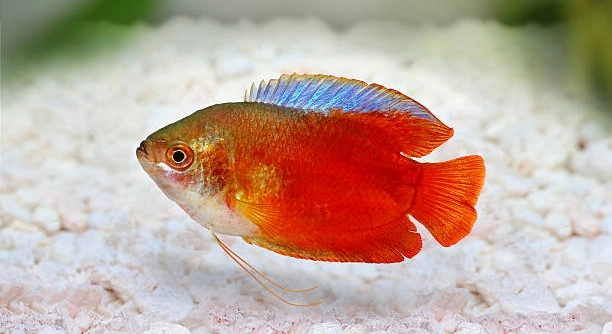
Gouramis are popular freshwater fish known for their peaceful nature and unique behaviors. When the aquarium filter stops working, their environment changes noticeably. This article outlines seven common behaviors gouramis display when the filter is off.
Gouramis respond to reduced water circulation by altering their activity and breathing patterns. They may become less active, seek oxygen near the surface, and display stress behaviors as a result of decreased water quality and oxygen levels.
Understanding these behaviors can help aquarists maintain healthier tanks and address issues before they affect the fish’s well-being. Observing these signs early supports better care and tank management.
Reduced Activity and Restlessness
When the filter is off, gouramis often reduce their swimming activity. They become less energetic and tend to stay in one area, usually near the surface where oxygen is more available. This change happens because the water circulation slows down, reducing oxygen levels. Without proper filtration, waste builds up faster, which also causes discomfort. Gouramis may appear restless, moving just enough to find better water conditions. They might hover near plants or decorations, seeking spots where the water feels less stagnant. This behavior signals stress and is a natural response to less-than-ideal water quality. Watching for these signs can help owners notice filter problems quickly before the situation worsens. Consistent filter maintenance is important to keep the water clean and oxygenated, which supports the gouramis’ health and energy levels.
When gouramis reduce their activity, it is often a direct response to stress caused by poor water quality and low oxygen levels.
This behavior is an early warning sign that the tank environment is deteriorating. Monitoring activity levels regularly helps ensure timely intervention. Providing aeration or partial water changes may temporarily ease discomfort. However, restoring filter function remains essential. The fish rely on steady water flow to maintain their usual swimming patterns and overall health. Paying attention to these subtle changes will improve long-term tank conditions and reduce the risk of illness or injury.
Increased Surface Breathing
Gouramis naturally breathe atmospheric air using a specialized organ called the labyrinth. When the filter is off, oxygen in the water decreases, causing gouramis to surface more frequently for air. This increased surface breathing is a direct response to lower dissolved oxygen and can indicate that water quality is declining. It is common to see gouramis gulping air at the top of the tank during filter failure. While this is a normal adaptation, prolonged periods without proper filtration can lead to stress and weakened immune function. Immediate action to restore aeration or filtration is important to prevent further health issues.
Gouramis breathe air at the surface more often when oxygen levels drop due to poor water circulation.
Maintaining adequate oxygen levels is critical. A non-functioning filter impacts not just water cleanliness but also oxygen supply. This leads to increased surface visits as gouramis struggle to meet their respiratory needs. This behavior often signals an urgent need to check equipment. Adding an air stone or performing water changes can help maintain oxygen while the filter is repaired or replaced. Timely correction ensures the fish remain comfortable and reduces the chance of complications from low oxygen stress. Regular equipment checks prevent such situations from becoming dangerous for the fish.
Erratic Swimming Patterns
When the filter stops working, gouramis may start swimming in unusual ways. They might dart suddenly or circle repeatedly without purpose. These movements reflect their discomfort and confusion in the changing water conditions. It is a sign they are trying to adjust to the reduced oxygen and increased waste.
Erratic swimming happens because poor water quality affects the fish’s nervous system and energy levels. Accumulated toxins irritate the gouramis, causing them to behave unpredictably. They may also bump into tank decorations or the glass more often. This behavior can lead to physical injury if the situation persists. Keeping the filter functional helps maintain stable water parameters, which supports normal swimming behavior and reduces stress.
Watching for erratic swimming allows early detection of water issues before serious harm occurs. Immediate actions such as water changes and filter repairs can restore balance. The fish need a calm environment with clean water to swim naturally and stay healthy. Ensuring proper tank maintenance prevents long-term effects of erratic movements on gouramis.
Hiding and Avoidance
Gouramis tend to hide more when the filter is off. The disturbed environment causes stress, making them seek shelter behind plants or decorations. They avoid open spaces and may become less visible during this time.
Hiding is a natural response to stressful conditions in the tank. When water quality drops, gouramis instinctively try to protect themselves from harm. Reduced oxygen and increased toxins encourage them to minimize activity and stay out of sight. This behavior helps them conserve energy while coping with discomfort. However, prolonged hiding might indicate a serious problem with tank conditions that needs addressing.
Regular filter maintenance ensures stable water parameters, reducing the need for gouramis to hide. Creating a balanced environment with clean water supports their natural behavior and promotes health. Paying attention to changes in hiding habits can signal when intervention is necessary, allowing timely correction to keep the fish comfortable and safe.
Increased Aggression
Gouramis can become more aggressive when the filter is off. Stress from poor water conditions may trigger territorial behavior or fin-nipping. This change in temperament is a response to discomfort and competition for limited resources.
Heightened aggression often results from decreased oxygen and increased waste buildup. Without proper filtration, gouramis may feel threatened and act defensively toward tank mates. This can lead to injury and added stress in the community tank. Maintaining good water quality reduces these aggressive tendencies and promotes peaceful interactions among fish.
Surface Gulping Frequency
When the filter stops working, gouramis increase surface gulping to compensate for low oxygen levels. This behavior reflects their reliance on the labyrinth organ, which helps them breathe atmospheric air. Surface gulping is more frequent as dissolved oxygen decreases.
If left unchecked, prolonged surface breathing can stress gouramis and weaken their health. Restoring filtration and aeration quickly prevents long-term effects. Regular monitoring of water quality supports healthy respiratory behavior and overall fish well-being.
Loss of Appetite
Gouramis often eat less or stop eating altogether when the filter is off. Poor water quality causes discomfort and stress, reducing their desire to feed. This behavior is a common sign that tank conditions need immediate attention.
What happens to gouramis when the filter stops working?
When the filter stops, water circulation slows down, causing oxygen levels to drop and waste to build up. Gouramis become stressed, changing their behavior. They swim less, hide more, breathe at the surface frequently, and may become aggressive. These changes indicate poor water quality and discomfort for the fish.
How long can gouramis survive without a filter?
Gouramis can survive a short time without a filter, usually a few hours to a couple of days, depending on tank size and aeration. Without filtration, water quality deteriorates quickly, increasing toxins and reducing oxygen. Promptly fixing or replacing the filter is essential to avoid health problems or death.
Why do gouramis breathe air at the surface more often when the filter is off?
Gouramis have a labyrinth organ that allows them to breathe atmospheric air. When the filter stops, oxygen dissolved in the water decreases. To compensate, gouramis surface frequently to gulp air. This is a survival mechanism but indicates the tank’s oxygen levels are too low.
Is increased aggression normal in gouramis without filtration?
Yes, stress from poor water conditions can make gouramis more aggressive. Without proper filtration, waste buildup and oxygen shortage cause discomfort. This leads to territorial behavior and fin-nipping, which is uncommon in healthy, well-maintained tanks. Improving water quality reduces aggression.
What immediate actions should I take if my filter stops working?
First, check the filter for clogs or damage and clean or repair it if possible. Meanwhile, perform partial water changes to improve water quality. Adding an air stone or increasing surface agitation helps raise oxygen levels. Monitor fish behavior closely and restore filtration quickly to avoid long-term harm.
Can gouramis recover fully after a filter failure?
Yes, if the filter is restored promptly and water conditions are improved, gouramis usually recover fully. Stress and behavior changes caused by short-term poor water quality are reversible. Long-term neglect or severe toxin buildup can cause lasting damage or illness.
How can I prevent filter failure from affecting my gouramis?
Regular maintenance is key. Clean the filter media monthly, check for blockages, and replace worn parts as needed. Having a backup filter or power supply helps avoid interruptions. Monitoring water parameters regularly ensures early detection of problems.
Are there signs I can watch for that indicate the filter is failing?
Yes, signs include reduced water flow, unusual noises from the filter, cloudy water, and fish behavior changes like lethargy, increased surface breathing, hiding, or aggression. Noticing these early allows timely repairs or replacements.
Is it safe to keep gouramis without a filter if I perform frequent water changes?
While frequent water changes help, they cannot fully replace the benefits of filtration. Filters remove toxins, circulate water, and support beneficial bacteria. Without a filter, maintaining stable water quality is difficult and stressful for gouramis. Filtration is essential for a healthy aquarium.
What are the long-term effects of running a tank without a filter?
Long-term filter absence causes toxic waste buildup, low oxygen, and unstable water conditions. Gouramis become stressed, more prone to disease, lose appetite, and show abnormal behavior. Prolonged poor water quality can lead to serious illness or death. Consistent filtration is necessary for long-term health.
Maintaining proper filtration is crucial for the health and well-being of gouramis. The filter plays an essential role in keeping the water clean, removing harmful waste, and providing oxygen circulation. When the filter stops working, the water quality declines rapidly, which causes stress and discomfort for the fish. Gouramis react to these changes in various ways, including altered swimming patterns, increased hiding, and changes in breathing behavior. Recognizing these signs early allows timely intervention to restore a safe environment. Consistent filter maintenance and monitoring are necessary to prevent problems and ensure the aquarium remains a stable habitat for gouramis.
The effects of a non-functioning filter can impact gouramis both immediately and over time. In the short term, gouramis may show signs of stress such as erratic swimming, surface gulping, and aggression. If these conditions persist, the accumulation of toxins in the water can lead to illness and weaken their immune systems. Long-term exposure to poor water quality may result in lasting damage or even death. It is important to address filter failure quickly by repairing or replacing the equipment, performing partial water changes, and increasing aeration to improve oxygen levels. This approach helps to minimize harm and supports a quicker recovery for the fish.
Preventing filter failure is more effective than dealing with its consequences. Regular cleaning, timely replacement of filter media, and ensuring the filter is properly sized for the tank all contribute to a healthy aquatic environment. Having backup equipment or alternative aeration methods can reduce risks during power outages or filter malfunctions. Monitoring fish behavior and water parameters also provides early warnings of potential issues. These practices help maintain consistent water quality and reduce stress on gouramis, promoting their health and longevity. Proper filtration is a fundamental part of responsible fishkeeping and benefits all aquatic life in the tank.

Hello,
If you enjoy the content that we create, please consider saying a "Thank You!" by leaving a tip.
Every little bit helps us continue crafting quality advice that supports the health, happiness, and well-being of pets around the world, for pets of all shapes, sizes, and species.
We really appreciate the kindness and support that you show us!