
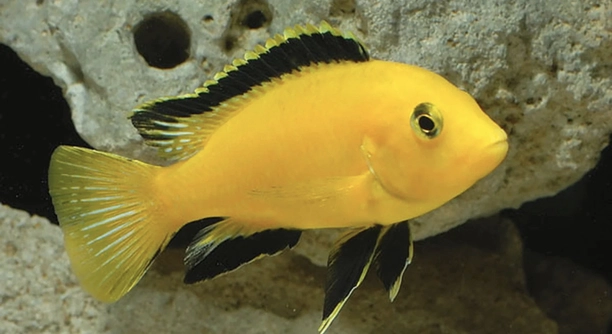
Electric Yellow Cichlids are vibrant and lively fish that bring energy to any aquarium. Observing their interactions can be both entertaining and insightful, as they navigate their environment alongside other tank mates. Their behavior often draws attention from enthusiasts.
Electric Yellow Cichlids are capable of recognizing their tank mates through visual and social cues. They can differentiate between familiar and unfamiliar fish, establishing social hierarchies, reducing aggression, and forming stable groups that contribute to a balanced aquarium environment.
Understanding how these cichlids interact provides important insight into creating a harmonious tank. Their social dynamics influence feeding, territory, and overall wellbeing in shared aquatic spaces.
How Electric Yellow Cichlids Identify Tank Mates
Electric Yellow Cichlids rely heavily on sight and behavior to identify their tank mates. They watch movements, recognize colors, and observe patterns of interaction. Over time, they become familiar with each fish in the aquarium. Recognizing others helps them avoid unnecessary fights and reduces stress. Social recognition also plays a role in feeding and territorial behavior. Fish that are new to the tank may trigger temporary aggression until they are accepted. Subtle cues, such as swimming patterns and body posture, signal intentions and establish dominance hierarchies. This recognition is not just instinctive; it develops through repeated interactions. Pairing cichlids with compatible species ensures a more peaceful tank. Observation is key, as understanding these behaviors allows for better management of feeding times and territory arrangements. It also supports overall health, as stressed fish are prone to illness. Paying attention to these social dynamics can make a noticeable difference in tank harmony and daily behavior patterns.
Familiarity among cichlids leads to calmer interactions. Fish that recognize each other spend less time in conflict and more time exploring their environment confidently.
Recognition affects how fish share territory, compete for resources, and interact during feeding. Fish that feel safe and understood exhibit consistent behavior and form stable social groups. By monitoring these dynamics, tank management becomes easier and more predictable.
Factors Affecting Recognition
Tank size and layout can influence recognition among Electric Yellow Cichlids. Larger tanks may slow the process, while hiding spaces allow fish to retreat and reduce stress.
Water quality, lighting, and the presence of other species also play a role in how fish perceive and remember each other. Poor conditions can interfere with social behavior and recognition, leading to increased aggression. Additionally, age and size differences affect interactions, as younger or smaller fish may be more cautious or submissive. Consistent routines, such as feeding at the same time and maintaining stable conditions, help fish establish trust and familiarity. Introducing new fish gradually allows existing tank mates to adjust without prolonged stress. Observing body language, swimming patterns, and feeding responses can provide insight into whether recognition has occurred. By carefully controlling environmental factors and social introductions, it is possible to create a balanced tank where Electric Yellow Cichlids coexist peacefully, improving both their physical health and daily behavior. Proper planning ensures fewer conflicts, better resource distribution, and a more stable aquatic environment for all inhabitants.
Social Behavior Patterns
Electric Yellow Cichlids show clear social behaviors that help maintain tank balance. They establish territories, recognize familiar fish, and follow specific routines in feeding and movement. Aggression is usually limited to new or unfamiliar fish until hierarchies are understood.
Observing daily interactions reveals how cichlids communicate through posture, color changes, and swimming patterns. Dominant fish may patrol specific areas while subordinate fish respect boundaries. Group dynamics influence feeding, as fish with stronger bonds feed together more calmly. Over time, repeated interactions strengthen recognition and reduce stress. These behaviors are essential for maintaining harmony in a shared environment. Social cues also indicate comfort levels, helping you identify when changes in the tank setup are needed. Careful observation allows better decisions on introducing new fish or adjusting territories. Recognizing patterns can make tank management more predictable and less stressful for both fish and caretaker.
Territorial disputes usually settle within the first few days of introduction. Watching how fish navigate their space and interact can prevent prolonged stress. Proper observation ensures smoother integration of all tank mates.
Feeding and Recognition
Feeding times highlight recognition among Electric Yellow Cichlids. Fish often wait their turn or allow familiar individuals first access to food, reducing conflict during meals.
Familiarity shapes feeding behavior significantly. Fish that recognize each other share spaces more peacefully, allowing dominant and subordinate fish to eat without constant confrontation. When new fish are introduced, feeding may become competitive until recognition occurs. Understanding these dynamics helps in distributing food evenly and minimizing stress. Placement of food and consistency in feeding schedules reinforce recognition and cooperation among tank mates. Watching responses during feeding can reveal hidden aggression or social anxiety, guiding adjustments in tank layout or group composition. Over time, well-recognized groups develop predictable routines that support growth, health, and overall wellbeing, making feeding a smooth and controlled activity.
Aggression and Hierarchy
Electric Yellow Cichlids establish clear hierarchies, with dominant fish asserting control over preferred areas. Aggression is most common during introductions or when territory is challenged.
Subordinate fish usually adapt by avoiding conflict and maintaining distance. Over time, hierarchies stabilize, leading to calmer interactions and a balanced tank environment.
Visual Recognition
These cichlids rely on color patterns, size, and movement to visually identify tank mates. Familiar fish trigger less aggressive responses. Recognition helps maintain social structure and reduces stress in shared spaces, especially during feeding and territory defense.
Introducing New Fish
Introducing new fish slowly helps Electric Yellow Cichlids adjust. Gradual acclimation minimizes stress and aggression. Controlled introductions ensure smoother integration, allowing existing fish to recognize newcomers without prolonged conflict.
FAQ
How do Electric Yellow Cichlids recognize tank mates?
Electric Yellow Cichlids use visual cues, behavior patterns, and repeated interactions to identify other fish. They notice color, size, and swimming style, which helps them distinguish familiar individuals from newcomers. Recognition allows them to reduce aggression, establish territories, and interact more calmly during feeding and movement. Over time, these observations form stable social relationships within the tank.
Do they recognize fish immediately or over time?
Recognition develops gradually. New fish may trigger defensive or aggressive behavior until they are familiar. Cichlids observe repeated behaviors, movements, and responses before fully recognizing tank mates. This process can take several days, depending on tank size, number of fish, and environmental factors. Gradual acclimation helps speed up recognition.
Can they remember other fish after separation?
Yes, Electric Yellow Cichlids have a strong memory for familiar tank mates. If fish are temporarily separated, they often remember prior social interactions upon reintroduction. This memory reduces stress, minimizes aggression, and helps maintain previously established hierarchies, improving tank stability.
What signs indicate recognition versus aggression?
Recognized fish swim calmly near each other, feed without confrontation, and respect established territories. Aggressive behavior includes chasing, nipping, flaring fins, and guarding areas. Observing body posture, proximity, and color changes can help determine whether fish recognize each other or are reacting defensively.
Does tank size affect recognition?
Tank size plays a role in recognition. Smaller tanks allow fish to interact more frequently, speeding up familiarity. Larger tanks may slow the process, as fish have more space to avoid each other. Proper territory design and hiding spots support recognition and reduce unnecessary conflict.
How does feeding influence recognition?
Feeding times highlight social recognition. Fish that recognize each other often wait their turn or feed alongside familiar individuals. Aggression is higher when new or unfamiliar fish compete for food. Consistent feeding routines help reinforce recognition and reduce stress during meals.
Are there differences in recognition based on age or size?
Yes, younger or smaller fish are often more cautious and may take longer to be recognized by others. Larger or dominant fish may assert control, influencing social dynamics. Balancing sizes in the tank and observing interactions can prevent prolonged stress or bullying.
Can introducing new fish disrupt established recognition?
New fish can temporarily disrupt social structures. Existing fish may become aggressive until they recognize newcomers. Gradual introductions, separated by a divider or in quarantine tanks, allow cichlids to adjust without prolonged stress or conflict, preserving established hierarchies.
Do Electric Yellow Cichlids recognize fish of other species?
Recognition is strongest within their species, but they can notice behaviors and presence of other species. Reactions vary, with some fish coexisting peacefully and others triggering territorial or defensive behavior. Careful selection of tank mates helps maintain harmony.
How long does it take for full recognition?
Full recognition can range from a few days to a couple of weeks. Factors include tank size, number of fish, introduction method, and environmental stability. Observing interactions, feeding behavior, and territorial adjustments helps gauge when recognition is complete and the tank has reached balance.
Can stress affect recognition?
High stress can interfere with recognition. Poor water quality, sudden environmental changes, or overcrowding may prevent fish from properly identifying tank mates. Maintaining stable conditions, consistent routines, and adequate hiding spaces supports recognition and reduces conflict.
Is recognition permanent?
Recognition can last as long as social dynamics remain stable. Changes in group composition, illness, or significant stress may temporarily reset social awareness. Regular observation and maintaining consistent tank conditions help sustain recognition and minimize disruptions.
How can I encourage better recognition in my tank?
Introduce fish gradually, provide ample space and hiding spots, and maintain consistent routines. Monitoring interactions and adjusting tank layout when necessary supports recognition. Feeding in predictable patterns and avoiding sudden changes in environment reinforces familiarity among tank mates.
Do they show signs of attachment to certain fish?
While not attachment in a human sense, Electric Yellow Cichlids do show preference for familiar individuals. They swim closer, feed together, and avoid conflict with recognized tank mates, creating a stable social environment and reducing stress in daily interactions.
Can recognition improve tank health?
Yes, recognized and comfortable fish experience lower stress, which supports immunity, reduces aggression, and encourages consistent feeding and activity. Observing recognition patterns helps maintain a balanced and healthy aquarium, improving the overall wellbeing of all fish.
Electric Yellow Cichlids are fascinating fish that bring energy and color to any aquarium. Understanding how they recognize tank mates is an important part of keeping a peaceful and healthy environment. These fish rely on visual cues, behavior patterns, and repeated interactions to identify other individuals in the tank. Familiarity allows them to reduce aggression, establish territories, and interact calmly during feeding and movement. Over time, cichlids develop stable social relationships that improve daily life in the tank. Observing their behavior closely can reveal a lot about their social structure, including how they share space, respond to newcomers, and maintain hierarchies. Recognizing these patterns can help you manage your aquarium more effectively and ensure that all fish coexist without prolonged stress or conflict.
Feeding times are a good indicator of recognition among Electric Yellow Cichlids. Fish that are familiar with each other tend to feed in a more organized way, often waiting their turn or feeding side by side without confrontation. Aggression usually occurs when new or unfamiliar fish are introduced, but consistent routines and gradual introductions help reduce this. Tank size, hiding spaces, and environmental stability also play a role in how quickly fish recognize each other. Smaller tanks allow more frequent interactions, which can speed up recognition, while larger tanks give fish more space to avoid each other, slowing the process. Maintaining proper water quality, consistent lighting, and stable conditions helps cichlids feel secure, allowing recognition to develop naturally. Observing their daily interactions and responses to both feeding and territory changes can guide adjustments in tank setup, improving overall harmony.
Recognition among Electric Yellow Cichlids is more than just social behavior—it impacts their health and wellbeing. Fish that recognize each other experience less stress, which supports immunity and reduces the likelihood of illness. Established hierarchies and familiar groups also allow for predictable feeding patterns and safer territory management. Introducing new fish should always be done gradually to minimize stress and allow time for recognition to form. Watching body language, swimming patterns, and feeding responses provides valuable insight into how well fish know each other and whether adjustments are needed. Overall, understanding recognition in these cichlids creates a more balanced aquarium, where each fish can thrive in a stable and peaceful environment. Proper care, careful observation, and attention to social dynamics are key to ensuring that your Electric Yellow Cichlids remain healthy, active, and well-adjusted.

Hello,
If you enjoy the content that we create, please consider saying a "Thank You!" by leaving a tip.
Every little bit helps us continue crafting quality advice that supports the health, happiness, and well-being of pets around the world, for pets of all shapes, sizes, and species.
We really appreciate the kindness and support that you show us!