
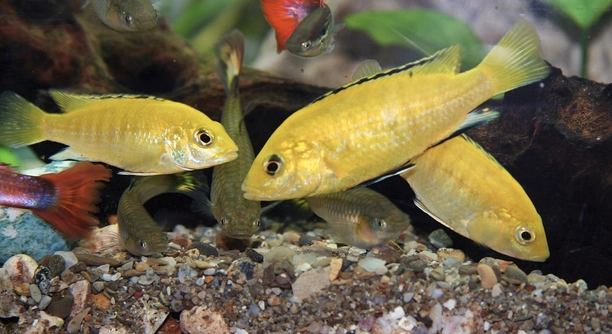
Aquarium keepers sometimes observe rival cichlids displaying silent tension that shapes their daily behavior. These touchless challenges highlight territorial habits and create patterns in how they interact while avoiding physical harm in their shared environment.
Touchless challenges between rival cichlids occur through visual signals and spatial maneuvers that establish hierarchy without physical aggression. These displays regulate territory, reduce injury risk, and maintain stable social structures by relying on controlled movements rather than direct contact patterns.
These subtle displays shape their relationships in ways, offering insight into territorial behavior and its influence within their aquatic space.
Visual Standoffs
Rival cichlids often rely on visual standoffs to express dominance without making direct contact, and watching these moments can feel surprisingly engaging. Their focused posture, steady orientation, and calculated spacing reveal quiet tensions that influence how each fish moves within shared boundaries. As I observe these patterns, I notice how simple shifts in color intensity or fin position can create strong responses that ripple through the tank. These signals shape their behavior every day, guiding who stays near certain areas and who adjusts position to avoid escalation. Even though the display appears calm, the intention behind each movement is clear, and both fish remain fully aware of the other’s presence. This silent negotiation helps reduce unnecessary harm while maintaining defined order. Over time, these small displays create a rhythm in their environment that feels predictable to them. Understanding this helps me recognize how much their communication relies on restraint daily.
These visual displays keep tension manageable by setting clear boundaries between rivals. Each small action helps prevent physical contact while reinforcing structure in their shared space. Observing these moments reminds me how disciplined their communication can be, creating steady interactions without conflict and preserving balance within the tank each day.
Watching rival cichlids rely on these signals has taught me how consistent their behavior becomes once limits are established. Their movements follow predictable patterns that guide how they occupy space together. I pay attention to the way they shift positions, adjust posture, or change color intensity because each gesture carries meaning. These touchless exchanges help prevent unnecessary stress and keep the tank’s atmosphere calm. When both fish respect the silent rules they create, the environment feels more stable. Understanding these behaviors makes caring for them easier, since I can recognize early signs of tension before anything escalates in their habitat.
Territorial Displays
Territorial displays focus on space control through calm yet firm behavior that defines ownership without contact. These actions help rivals understand boundaries and reduce aggressive responses. I observe how they pace edges, flare fins slightly, and maintain steady posture to reinforce area claims while keeping interactions controlled at all times.
Territorial behavior among rival cichlids creates a structured atmosphere that shapes their daily interactions, and understanding this helps me manage their environment with more confidence. These displays rely on spatial cues that communicate ownership without escalating into direct confrontation. A cichlid may hover near a chosen spot, shift its body slightly forward, or brighten its coloration to project certainty. These signals allow the other fish to evaluate whether to approach, retreat, or maintain distance. I watch how they move along invisible lines, adjusting their positions with care as they navigate shared corners or favored surfaces. Their movements, although subtle, carry firm meaning and contribute to how well they coexist. When a fish consistently controls a particular space, the other usually responds by respecting that claim, helping prevent unnecessary stress. This balance is important when planning tank layout, since structures, hiding places, and open areas influence how these displays unfold. I notice that clear sightlines reduce confusion and help them read each other’s signals more effectively. By understanding the way they manage their space, I can support a calmer environment that encourages stable interactions. These behaviors reveal how disciplined their communication can be, even during tense moments in their shared habitat daily.
Posturing Movements
Rival cichlids use posturing movements to maintain control in shared spaces, and I often notice how their slow shifts help prevent physical conflict. Each movement sends a message that influences how close the other fish chooses to move within the tank as they manage tension calmly each day together naturally.
Posturing involves steady movements that communicate status and intention without creating physical harm, and I notice how these actions shape their daily interactions. When one fish shifts forward or angles its body, it sends a firm message that clarifies its position. The other responds by retreating slightly or holding still, and this helps prevent unnecessary stress. These movements create patterns that guide how they navigate shared areas. I watch how they maintain a calm pace, relying on restraint to keep interactions controlled.
These posturing behaviors become clearer with time, and I notice how each fish forms its own rhythm when reinforcing boundaries within their shared habitat. Some rely on slow steady shifts while others use quicker movements that show firmness and certainty. These gestures shape how they move near decorations corners and open areas, guiding their path through the tank in calm patterns. I watch their timing because synchronized pauses often signal rising tension without direct escalation between them. Their restraint keeps the tank calmer and helps prevent stressful moments from developing during daily interactions as they manage space carefully together now.
Color Signaling
Color changes play a major role in how rival cichlids communicate without contact, and I often notice how subtle shifts reveal their intentions clearly and consistently. Brightening tones can show confidence while muted shades suggest caution during tense moments or boundary disputes that arise naturally between them. These variations guide how each fish approaches shared areas and help them navigate conflict calmly without escalating further or creating unnecessary stress in their habitat daily now always.
Color signaling becomes especially important when rival cichlids adjust their stance within shared environments, and I observe how each change helps clarify their intentions. Some shifts are subtle, like gentle darkening around the fins, while others occur as a full-body brightening that signals firm confidence. These displays guide how they occupy space, influence their position near structures, and establish limits that both fish understand clearly each day. The signals also help reduce unnecessary movement because they communicate information from a distance effectively and consistently. I watch how one fish’s color may intensify when the other approaches too closely, and this simple adjustment often prevents escalation entirely. These visual cues form a reliable system that shapes their behavior daily, supporting calmer interactions overall in their habitat.
Spatial Blocking
Rival cichlids often use subtle blocking movements to redirect one another without physical contact, and I notice how these calm gestures help keep tension manageable. Their slow shifts across key areas communicate firm boundaries that both fish recognize quickly, maintaining stable patterns throughout their shared habitat each day naturally now.
These blocking actions help shape movement patterns that reduce conflict, and I often notice how one fish shifts slightly to signal control. The other responds with calm retreat, keeping the interaction steady. These gentle adjustments maintain balance within the tank and support smoother behavior between rivals each day right now.
Pacing Patterns
Rival cichlids also rely on brief pacing movements that highlight tension without crossing into aggression, and I notice how these steady laps near boundaries help clarify dominance. One fish may follow a repeated path to reinforce control, while the other reads the message and adjusts position. These movements create a clear pattern that helps both manage space more effectively. I watch how they slow their pace when tension rises, relying on consistency instead of force. Their coordinated movements form a quiet system that keeps interactions stable, allowing them to coexist with fewer disruptions while maintaining structure within their shared environment.
Tail Flick Signaling
Rival cichlids use gentle tail flicks to reinforce boundaries subtly, and I often notice how these movements stop tension before it grows. Each flick signals caution, guiding the other fish to adjust position. This small gesture supports calmer interactions and keeps their shared habitat steady during daily behavior patterns together.
FAQ
Why do rival cichlids rely on touchless communication instead of direct fighting?
Rival cichlids use touchless communication because it helps them manage tension without risking injury, and I often notice how this restraint keeps their space calmer. These signals allow them to settle disputes through posture, color, and movement rather than force. Direct fighting can cause serious harm that affects their health and disrupts the tank’s balance. By relying on distance-based cues, both fish stay safer while still maintaining order. Their restraint also reduces stress, making daily interactions more predictable. Over time, these habits become routine and help them coexist more peacefully in shared spaces.
How do visual signals help cichlids establish boundaries?
Visual signals give cichlids a clear way to express dominance or caution, and I notice how each gesture carries meaning. When one fish brightens its color or angles its body, it sends a direct message that influences space control. These signals help them understand who leads and who yields without physical confrontation. They read each other’s cues quickly, relying on calm observation to determine how close they should move. This method keeps interactions structured, reduces confusion, and prevents unnecessary escalation. Their ability to communicate through sight alone creates steady patterns that support stable coexistence each day.
What role does color play in regulating tension between rivals?
Color changes act as emotional and social indicators, and I often see how subtle shifts reflect rising or easing tension between them. When a fish brightens, it often signals confidence; when it darkens, it may be expressing caution. These changes help guide movement and spacing within the tank. The other fish reads these cues and adapts its position accordingly. This form of communication helps prevent surprise encounters and unnecessary conflict. Color signaling also works from a distance, allowing rivals to exchange information without approaching too closely. Their consistent reliance on these cues keeps the tank calmer and more balanced.
Why do posturing movements matter so much?
Posturing movements help cichlids communicate boundaries with precision, and I notice how their stance changes influence behavior almost instantly. A forward tilt shows firmness, while a sideways angle signals evaluation. These motions help each fish understand limits, reducing the chance of physical conflict. Posturing also sets the pace for how they navigate the tank together. Over time, these gestures create a familiar rhythm that supports predictable interactions. Their ability to communicate through calm movement helps them maintain order without aggression. This restraint protects their health and keeps the environment more peaceful.
How does pacing behavior reduce conflict?
Pacing behavior allows cichlids to express tension in a controlled way, and I often see how repeated movement patterns help clarify dominance. When a fish paces near a boundary, it signals ownership of that section. The other fish observes this and adjusts its behavior. This prevents sudden confrontations, since both understand the implied limits. Pacing also releases built-up energy in a safer way. Instead of lashing out, they follow a consistent path that communicates intention. This predictable pattern helps keep the environment steady and reduces stress between rivals.
Do tail flicks really hold meaning in cichlid interactions?
Tail flicks serve as small but meaningful signals, and I notice how they often stop tension before it grows. A gentle flick can warn the other fish to slow its approach or shift direction. These quick movements express caution without escalating the situation. Because they occur so subtly, they help maintain calm even during tense moments. Both fish learn to read tail flicks reliably, using them to adjust spacing as needed. This keeps interactions smoother and prevents unnecessary stress. Over time, these small actions contribute to overall stability within their shared habitat.
How can understanding these behaviors help with tank management?
Understanding touchless behaviors helps create a healthier environment, and I often adjust tank layout based on what I observe. Clear sightlines allow cichlids to read each other’s signals more easily, while hiding spots give them places to retreat during tense moments. Watching their interactions helps me identify when territory needs rearranging or when tension is rising. By recognizing the meaning behind color shifts, pacing, or posturing, I can act early to prevent conflict. This awareness supports calmer behavior and makes it easier to maintain stability in their habitat.
Final Thoughts
Touchless interactions between rival cichlids reveal how much communication can happen without physical contact, and reflecting on these behaviors helps me see the complexity behind their calm exchanges. Their displays may seem subtle at first, but each gesture carries meaning that influences how they share space. I notice how steady posture changes, gentle color shifts, and careful pacing create a complete system of signals that keeps their interactions controlled. This system develops naturally as they learn each other’s patterns, building a form of structure that helps them coexist within the same habitat. The more I observe these details, the more I understand how much depends on restraint rather than force. Their behavior highlights the importance of clear visual cues and deliberate movement, showing that dominance does not always require physical conflict. These silent exchanges support a calmer atmosphere, and they make the tank a more stable place when both fish recognize and respect these methods of communication. It becomes easier to identify their needs once these signals feel familiar, and that creates a smoother experience for both the fish and the person caring for them.
Understanding these behaviors also brings clarity to how cichlids adjust to each other over time, and I often find value in watching how they handle tense moments with quiet determination. Their ability to maintain boundaries through simple gestures shows how effective these patterns can be when both rivals participate consistently. I notice how each fish responds with care, adjusting posture or movement in ways that maintain balance without creating unnecessary stress. These actions protect their well-being by preventing fights that could cause injury, and they also preserve energy for more essential activities like foraging or exploring. When I pay attention to how they communicate, I see how quickly they react to visual cues and how naturally they return to calm behavior once the message is understood. This method of maintaining order benefits them every day, and it helps prevent the tank from becoming a place filled with unpredictable tension. It also makes it easier to support them, since recognizing early signs of stress allows for adjustments in layout or routine before any issue grows. Their communication may be quiet, but its impact shapes nearly everything about their shared space.
As I continue observing their interactions, I realize how much these patterns contribute to the overall harmony of their environment. Touchless communication helps them keep distance when needed and approach with caution when testing boundaries, and this creates a rhythm that guides daily behavior. Their subtle movements form a system that becomes predictable, giving each fish a sense of placement within the habitat. This steadiness helps maintain order, and it shows how cichlids rely on instinctive restraint to manage complex relationships. Watching them use these behaviors reminds me how essential it is to provide an environment that supports clear sightlines, accessible retreat spots, and room for natural spacing. These elements make their communication more effective and reduce the chance of misinterpretation. By respecting their methods and responding to what I observe, I can create conditions that help them thrive while preserving the calm structure they build for themselves. Their touchless challenges may be quiet, but they reveal how capable cichlids are at managing tension with precision, and understanding these patterns makes caring for them feel more intuitive and balanced.

Hello,
If you enjoy the content that we create, please consider saying a "Thank You!" by leaving a tip.
Every little bit helps us continue crafting quality advice that supports the health, happiness, and well-being of pets around the world, for pets of all shapes, sizes, and species.
We really appreciate the kindness and support that you show us!