
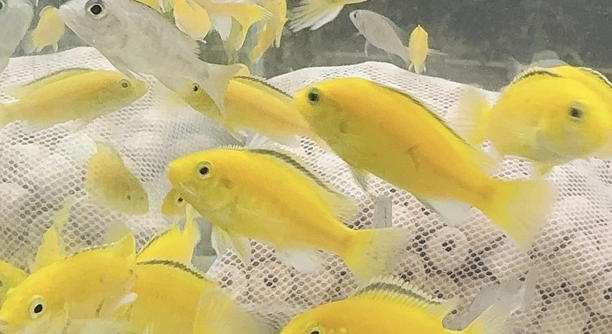
Are your cichlids spending most of their time in one corner of the tank, leaving the rest of the aquarium strangely empty? This behavior is more common than you might think and can signal several environmental or health factors.
Cichlids often stay in one corner due to stress, water quality issues, insufficient hiding spaces, improper tank temperature, aggressive tankmates, illness, or inadequate feeding schedules. Identifying and addressing these factors can improve their comfort and overall well-being.
Understanding why your cichlids prefer a single spot can help you create a healthier and more balanced environment for them to thrive. Observing these behaviors is the first step toward meaningful changes.
Stress in the Tank
Cichlids are sensitive creatures and can easily become stressed by changes in their environment. Sudden movements near the tank, loud noises, or constant disturbances can make them retreat to a single corner. Stress can also result from overcrowding, which limits their swimming space and creates competition for territory. Even minor changes, such as rearranging decorations or adding new fish, can disrupt their routine and cause them to stay in one spot. Over time, prolonged stress can impact their immune system, making them more vulnerable to diseases. Providing a calm and stable environment helps them feel secure. Observing their reactions to small changes can give insights into what makes them uneasy and allow you to adjust the tank accordingly. Stress management is key to encouraging your cichlids to explore their entire space.
Keeping a consistent environment reduces anxiety and helps cichlids regain normal behavior and movement throughout the tank.
Creating a structured environment includes placing hiding spots strategically and maintaining familiar layouts. Avoid sudden additions or loud disturbances. Small changes, like gradual lighting adjustments or slowly introducing new fish, can minimize tension. Monitoring water parameters regularly and maintaining clean conditions also reduce stress. When cichlids feel safe, they become more active, explore freely, and display natural behaviors, which makes the aquarium visually engaging.
Water Quality and Temperature
Poor water conditions can force cichlids to stay in one corner.
Water temperature and cleanliness are critical for cichlid health. Sudden fluctuations in temperature, high nitrate levels, or improper pH balance can make them seek safer, more comfortable areas. Stagnant corners often feel more stable to stressed fish.
Maintaining water quality involves regular testing and partial water changes to keep parameters stable. Using a reliable heater and thermometer ensures consistent temperatures. Overfeeding can create waste buildup, so controlled feeding is essential. Clean filtration systems prevent toxins from accumulating, which encourages cichlids to move freely. Observing fish behavior after adjustments can confirm improvements. Proper water conditions allow cichlids to establish territories, swim actively, and interact naturally, creating a healthier tank environment. Consistency is vital, as abrupt changes can lead to recurring issues. By prioritizing water quality and temperature, you support their well-being and overall activity.
Lack of Hiding Spaces
Cichlids feel vulnerable without proper hiding spots. Insufficient shelters make them stay in corners where they feel safer. Rocks, plants, and caves provide security and reduce stress.
Adding caves, driftwood, and dense plants allows cichlids to retreat when needed. They establish territories and feel more confident exploring the tank. Hiding spots prevent constant cornering and reduce conflicts between fish, creating a balanced environment. The more secure they feel, the more likely they are to swim openly and interact naturally, improving both their behavior and the visual appeal of the aquarium.
Even temporary shelters like PVC tubes or floating plants can make a difference. Observing which spots they prefer helps you adjust placement. Cichlids tend to claim favorite hiding areas, and respecting these choices reduces tension. When they have options to hide and rest, they spend less time in a single corner, showing healthier behavior and stronger coloration over time.
Aggressive Tankmates
Aggression from other fish can force cichlids into a single corner. Constant bullying or chasing discourages movement and exploration.
Aggressive tankmates disrupt the social balance, leaving some cichlids feeling unsafe. Territorial disputes can escalate, and weaker individuals retreat to corners for protection. This behavior often becomes routine if aggression continues unchecked. Separating aggressive fish or providing more space and barriers can reduce tension. Rearranging decorations creates new boundaries and helps less dominant cichlids claim their own space. Tank layout adjustments allow fish to escape confrontations while maintaining access to food and hiding areas. Monitoring interactions is essential to prevent long-term stress or injury.
Creating a tank that accommodates natural hierarchies requires careful observation and planning. Introducing compatible species, increasing tank size, and adding visual barriers minimize conflict. Some cichlids are naturally territorial, and pairing them with similarly tempered fish ensures balanced interactions. Watching their behavior over time highlights areas of tension that may need adjustments. By managing aggression effectively, all fish can access the tank comfortably. The result is a calmer, more active aquarium, where each cichlid has space to explore without feeling cornered or threatened.
Improper Feeding
Cichlids may stay in one corner if feeding routines are inconsistent or food is scarce. They often wait in areas where food is usually placed, avoiding the rest of the tank.
Overfeeding or irregular feeding schedules can also cause stress. Uneaten food pollutes the water, reducing their willingness to explore.
Illness or Parasites
Sick cichlids often isolate themselves in corners to conserve energy. Parasites or infections can make swimming difficult or painful, leading to reduced movement and hiding behavior. Maintaining a clean tank and observing for unusual signs can prevent serious health issues and improve activity.
Tank Size
Small or overcrowded tanks limit movement and increase stress. Cichlids may retreat to corners to feel safer, especially when territorial conflicts arise. Ensuring sufficient space allows natural swimming patterns and reduces cornering behavior.
FAQ
Why do my cichlids stay in one corner all the time?
Cichlids often stay in one corner due to stress, poor water quality, lack of hiding spots, aggressive tankmates, illness, or limited space. Corners can feel safer and more stable. Observing behavior and making small adjustments to the tank environment usually encourages them to move more freely.
How can I reduce stress for my cichlids?
Minimizing sudden changes, keeping a consistent lighting schedule, and avoiding loud noises near the tank helps reduce stress. Providing adequate hiding spots and arranging decorations to create secure territories allows cichlids to feel protected while exploring. Regular monitoring ensures they remain comfortable.
Can water quality really affect their behavior that much?
Yes, water quality has a direct impact. Fluctuating temperature, high nitrate levels, or improper pH can make cichlids retreat to one corner. Maintaining clean water with proper filtration, regular testing, and partial water changes encourages healthier and more active behavior.
What hiding spaces work best for cichlids?
Caves, driftwood, dense plants, and PVC tubes are effective. Cichlids feel secure in these areas, which reduces cornering and allows them to establish territories. Observing their preferred spots helps with optimal placement in the tank.
How do aggressive tankmates influence my cichlids?
Aggressive fish create tension, making weaker cichlids retreat to corners for safety. Rearranging tank decorations, increasing space, or separating aggressive fish reduces conflicts. Balancing temperaments and observing interactions ensures a calmer environment where all cichlids can move freely.
Can feeding schedules affect cornering behavior?
Yes, inconsistent feeding or overfeeding can lead to cornering. Fish often wait in areas where food is usually offered. Regular, measured feedings prevent stress and water pollution, encouraging cichlids to explore the entire tank.
How can I tell if illness is causing cornering?
Look for faded colors, clamped fins, unusual swimming, or loss of appetite. Ill cichlids isolate themselves to conserve energy. Maintaining clean water, monitoring for signs of parasites or infections, and addressing health issues promptly improves movement and overall activity.
Does tank size matter for cichlid activity?
Absolutely. Small or overcrowded tanks limit swimming space and increase stress. Corners feel safer in tight spaces. Providing adequate room allows natural exploration, territorial behavior, and reduces cornering. Overcrowding should be avoided for the health and well-being of all fish.
Are there any long-term effects if cichlids stay in one corner?
Yes, prolonged cornering can lead to stress, weaker immune systems, poor growth, and increased susceptibility to disease. Encouraging movement through environmental adjustments, proper tank setup, and monitoring health helps prevent long-term negative effects.
How often should I check my tank conditions?
Regularly testing water parameters at least once a week ensures stable conditions. Checking temperature, pH, and nitrate levels helps maintain a healthy environment. Observing cichlid behavior during these checks provides insights into their comfort and allows timely interventions.
Can rearranging decorations help with cornering behavior?
Yes, moving plants, rocks, and other tank structures can create new territories and escape routes. This reduces stress from aggressive interactions and encourages exploration. Gradual adjustments are best to avoid shocking the fish.
Is it normal for cichlids to retreat sometimes?
Yes, occasional retreating is natural. Cichlids use hiding spots to rest, avoid conflict, or recover from stress. Frequent, prolonged cornering, however, indicates environmental or health issues that should be addressed.
How long does it take for cichlids to explore more after changes?
It varies. Some respond quickly within a few days, while others take weeks to adjust. Consistency in water quality, hiding spots, and feeding schedules accelerates the process. Patience is key, as abrupt changes can trigger more retreating behavior.
Should I separate cichlids if cornering continues?
Separation may be necessary if aggression or stress persists despite adjustments. Quarantining sick or overly aggressive fish protects others and helps maintain a balanced, safer environment. Reintroduction should be gradual once conditions stabilize.
What are the most common mistakes leading to cornering?
Overcrowding, poor water quality, lack of hiding spots, irregular feeding, and ignoring aggressive interactions are frequent causes. Addressing these factors systematically improves behavior and reduces prolonged cornering. Observing the fish closely helps identify and fix issues efficiently.
Can adding more fish help reduce cornering?
Not always. Adding more fish without considering tank size and temperament can increase stress. Carefully selecting compatible species and ensuring adequate space and hiding spots is essential for balanced interactions and reducing cornering behavior.
Do all cichlid species behave this way?
While behavior varies by species, many cichlids exhibit cornering when stressed, ill, or uncomfortable. Some species are naturally more territorial and cautious, making proper tank setup and social management important for all types.
How can I encourage cichlids to explore the entire tank?
Maintain clean water, provide hiding spots, control aggression, feed consistently, and ensure adequate space. Observing their preferences and making gradual changes helps them feel safe and confident to swim freely throughout the tank.
What signs indicate improvement after adjustments?
Cichlids swimming more evenly, exploring new areas, showing bright coloration, and interacting with tankmates signal progress. Reduced hiding and cornering are positive indicators that environmental and social changes are effective.
Are there tools or devices that can help monitor their behavior?
Aquarium cameras, timers for lighting and feeding, and water quality sensors assist in monitoring activity and conditions. Consistent observation helps detect early signs of stress, illness, or aggression, allowing timely intervention to prevent cornering behavior.
Final Thoughts
Observing your cichlids staying in one corner can be concerning, but it often signals issues that are manageable with careful attention. Fish behavior reflects their environment, and cornering is usually a response to stress, poor water conditions, lack of hiding spaces, or social tensions. Addressing these factors systematically can improve their comfort and encourage more natural activity. Regular observation is important, as even subtle changes in behavior can indicate underlying problems. By maintaining consistent conditions and monitoring their interactions, you provide a stable environment that supports their health and reduces anxiety. Over time, small adjustments to the tank layout, feeding schedules, and water quality can have a significant positive impact on their movement and overall well-being.
Providing a tank with sufficient space and appropriate hiding spots allows cichlids to establish territories safely. Rocks, plants, and caves offer security and reduce stress, while also encouraging exploration. Aggression from tankmates can push fish into corners, so monitoring interactions and adjusting species combinations or layout is necessary. Illness or parasites can also cause isolation, highlighting the importance of regular health checks. Feeding routines play a role as well—consistent, measured feedings prevent stress and water pollution. By addressing each of these elements, you create a supportive environment where cichlids feel secure, confident, and active. Gradual changes are better than sudden alterations, as cichlids respond best to stability and predictability.
Ultimately, the goal is to balance their needs with the environment you provide. Proper water quality, tank size, hiding options, and compatible tankmates all contribute to reducing cornering behavior. Patience and observation are key—behavior changes take time, and improvements may be gradual. Consistent care ensures cichlids remain healthy, active, and visually vibrant. Understanding the reasons behind their cornering behavior helps you make informed adjustments, improving both the fish’s quality of life and the enjoyment of your aquarium. Maintaining this balance creates a dynamic, thriving tank where cichlids can move freely and display natural behaviors, fostering a healthier, more engaging aquatic environment for both the fish and the caretaker.

Hello,
If you enjoy the content that we create, please consider saying a "Thank You!" by leaving a tip.
Every little bit helps us continue crafting quality advice that supports the health, happiness, and well-being of pets around the world, for pets of all shapes, sizes, and species.
We really appreciate the kindness and support that you show us!