
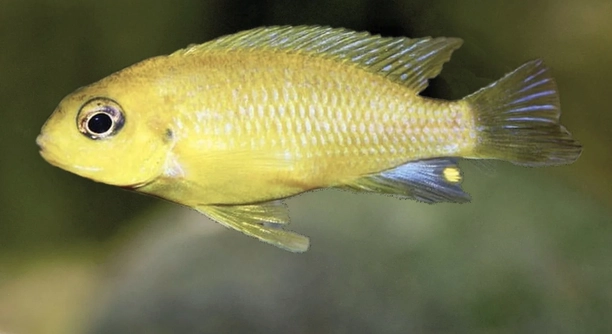
Do you enjoy keeping vibrant fish but wonder if your electric yellow cichlids will reproduce in your aquarium? These lively fish are popular for their bright colors and engaging behaviors, making them a favorite among hobbyists.
Electric yellow cichlids can breed successfully in captivity under proper conditions. Providing adequate space, a stable environment, suitable water parameters, and appropriate diet significantly increases the likelihood of successful mating and healthy fry development.
Understanding the right setup and care is essential for fostering a thriving environment where your cichlids can reproduce naturally. Small adjustments can make a significant difference in their breeding success.
Setting Up the Right Environment
Creating the ideal environment for electric yellow cichlids is essential for breeding. They need a spacious tank with at least 55 gallons, plenty of hiding spots, and smooth rocks for laying eggs. Stable water conditions are critical. Maintain a temperature between 75-82°F, a pH of 7.8-8.6, and soft to medium hardness. Frequent water changes help keep ammonia and nitrite levels at zero, which reduces stress and encourages mating. Lighting should be consistent, with a natural day-night cycle, and the tank should be in a quiet area to avoid disturbances. Decorations and caves not only enhance the aesthetic but also provide security, which supports pair bonding. Feeding a protein-rich diet that includes high-quality pellets, frozen, and live foods promotes health and reproductive readiness. Observing behaviors like territory guarding and digging can indicate when they are ready to spawn. Adjusting the environment based on their activity increases the chances of successful breeding.
Providing a safe and stable tank encourages natural behavior and supports breeding readiness in electric yellow cichlids.
Keeping track of water parameters, tank layout, and fish behavior allows you to anticipate their needs. Consistency in these elements is key for fostering mating opportunities, while minor disturbances can disrupt their breeding process. Regular monitoring ensures the fish remain healthy and receptive to spawning.
Recognizing Breeding Behavior
Electric yellow cichlids display distinct behaviors when preparing to breed.
Pair formation begins with courtship rituals, including flaring fins, circling, and cleaning a flat surface for egg laying. Dominant males may establish territories and chase away rivals. These behaviors signal readiness to spawn. Observing these patterns helps identify compatible pairs.
Once a pair is formed, they become protective of their chosen site, typically a flat rock or crevice. Females lay adhesive eggs, which the male then fertilizes. Both parents guard the eggs and fry, fanning water over them to ensure oxygen flow and removing unfertilized eggs to prevent fungus. Providing a secluded and undisturbed area enhances egg survival rates. Feeding high-protein foods supports the energy demands of the breeding pair. Monitoring the pair for aggression or stress allows timely interventions. With the right environment and care, breeding electric yellow cichlids can be a rewarding experience that showcases their natural behaviors and bright coloration.
Feeding for Breeding Success
A high-protein diet encourages reproductive readiness in electric yellow cichlids. Include quality pellets, frozen brine shrimp, and occasional live foods. Proper nutrition strengthens both male and female fish, increasing energy for spawning and improving fry survival rates.
Providing varied, nutrient-rich food ensures cichlids maintain optimal health. Protein-packed meals stimulate natural breeding instincts, while supplements like spirulina support coloration and vitality. Avoid overfeeding, as excess waste can destabilize water quality and stress the fish. Consistency in feeding schedules helps the pair establish routines, enhancing their readiness to mate.
Timing and portion size play a crucial role in breeding success. Feed small amounts multiple times per day rather than one large meal. Observing their behavior during feeding can indicate health and stress levels. Healthy, well-nourished fish show increased courtship activity, with males defending territory and females preparing spawning sites. Supporting their diet with quality protein directly impacts egg production and fry strength, creating a strong foundation for successful breeding in a home aquarium.
Managing Fry and Early Care
Separate fry from aggressive tank mates to ensure safety and growth. Use a breeding box or a dedicated rearing tank.
After hatching, fry need fine, protein-rich foods like infusoria or liquid fry food. Gradually introduce baby brine shrimp as they grow. Maintain clean water with regular changes, monitor temperature, and avoid sudden fluctuations. Healthy fry develop quickly when conditions are stable, and parents may continue guarding them for several weeks. Minimizing disturbances reduces stress and increases survival rates.
Feeding frequency and water quality are critical during early development. Fry should be fed several times daily in small portions to ensure they receive enough nutrition without polluting the tank. Using gentle aeration helps maintain oxygen levels, while removing uneaten food prevents fungal growth. Observation is key; fry showing slow growth or inactivity may need minor adjustments in feeding or water parameters. Tracking their progress ensures they reach juvenile stages strong and healthy, preparing them for eventual integration into the main tank.
Tank Maintenance for Breeding
Regular water changes keep electric yellow cichlids healthy and ready to breed. Remove 20-25% of water weekly and replace it with fresh, conditioned water. Consistent maintenance prevents harmful buildup of ammonia and nitrites, supporting reproductive health.
Cleaning the substrate and decorations reduces stress and encourages natural behaviors. Avoid harsh chemicals, and rinse equipment with dechlorinated water. Maintaining stability in water parameters is more important than extreme cleaning, as sudden changes can disrupt breeding activity.
Selecting Compatible Pairs
Choose compatible male and female cichlids for successful breeding. Observe behavior, size, and health before pairing. Healthy, active fish are more likely to mate and produce viable offspring. Proper selection reduces aggression and increases egg fertilization success.
Controlling Aggression
Aggression between cichlids can hinder breeding. Monitor interactions closely and provide enough hiding spaces. Separate overly aggressive fish to prevent injuries and stress.
Monitoring Water Parameters
Keep temperature, pH, and hardness stable for breeding success. Sudden shifts can prevent spawning or harm fry. Regular testing ensures ideal conditions and minimizes risks. Maintaining consistent water quality supports both adult fish and developing fry, promoting a successful breeding environment.
FAQ
How long does it take for electric yellow cichlids to breed?
Electric yellow cichlids can start breeding at around 6-12 months of age, depending on their growth and health. Pairing healthy, well-fed fish in a stable environment accelerates readiness. Courtship can take several days before eggs are laid, with both parents actively preparing a spawning site.
How many eggs do they usually lay?
A healthy female typically lays between 100 and 400 eggs per spawning. The number depends on her size, age, diet, and overall health. Larger, well-nourished females tend to produce more eggs. Ensuring optimal water quality increases the likelihood that most eggs will be fertilized and develop successfully.
Do both parents care for the eggs?
Yes, electric yellow cichlids are attentive parents. The female usually stays closer to the eggs, fanning them to ensure oxygen flow, while the male guards the territory. Both parents may remove unfertilized or fungus-infected eggs. Parental care continues after hatching, with fry being protected and guided to safe areas of the tank.
What should I feed the fry?
Newly hatched fry need tiny, protein-rich foods such as infusoria or commercially available liquid fry food. After a few days, introduce baby brine shrimp or finely crushed flakes. Feed small amounts multiple times daily to ensure all fry receive adequate nutrition. Regular water changes are essential to maintain water quality during frequent feedings.
Can electric yellow cichlids breed in community tanks?
Breeding in a community tank is challenging. Other fish can stress the pair or eat eggs and fry. If you want to breed successfully, a separate breeding tank or a protected area within the main tank is recommended. Providing hiding spots and caves improves safety for both adults and fry.
How do I know if the eggs are fertilized?
Fertilized eggs are generally clear and round, while unfertilized eggs appear cloudy or opaque. Fertilized eggs usually develop small black spots as embryos form within a few days. Observing these changes helps determine the health of the clutch and whether parental care is needed.
What water parameters are best for breeding?
Maintain a temperature between 75-82°F, pH of 7.8-8.6, and soft to medium hardness. Stable water conditions reduce stress and encourage mating. Avoid sudden changes in temperature or chemistry, as even minor fluctuations can delay spawning or cause egg loss. Consistent testing is key.
How long does it take for fry to become free-swimming?
Fry typically become free-swimming around 5-7 days after hatching. During this stage, parents continue guarding them, leading them to safe areas of the tank. Once free-swimming, fry can start feeding on microscopic food, gradually transitioning to baby brine shrimp and finely crushed flakes as they grow.
Do electric yellow cichlids breed year-round?
They can breed year-round if conditions are ideal. Stable water parameters, proper diet, and a stress-free environment encourage repeated spawning cycles. Seasonal variations in temperature or light are less critical in a well-maintained aquarium but should still mimic natural conditions for optimal results.
How can I prevent aggression during breeding?
Provide sufficient space, hiding spots, and multiple caves to reduce conflicts. Observe pair interactions and separate overly aggressive individuals. Minimizing stress from tankmates and external disturbances helps both male and female focus on breeding and caring for eggs and fry.
Final Thoughts
Breeding electric yellow cichlids can be a rewarding experience when proper care and preparation are provided. These fish are naturally vibrant and active, and their behavior during courtship and spawning is fascinating to observe. Creating the right environment is the foundation of successful breeding. This includes a spacious tank, stable water parameters, and safe hiding areas for both the adults and the fry. Temperature, pH, and water hardness should remain consistent to reduce stress and encourage natural behaviors. Frequent water changes help maintain cleanliness, while suitable decorations like rocks and caves provide secure spots for egg-laying and parental guarding. Paying attention to these details ensures the fish remain healthy, active, and ready to reproduce.
Feeding plays a critical role in the breeding process. A diet rich in protein, including quality pellets, frozen or live foods, and occasional supplements, promotes reproductive health and energy. Well-nourished females produce larger clutches of eggs, and males show stronger territorial and courtship behaviors. During the fry stage, providing small, frequent meals of infusoria, baby brine shrimp, or finely crushed flakes is essential for healthy growth. Maintaining water quality while feeding is crucial, as leftover food can pollute the tank and increase the risk of stress or disease. Observing both adults and fry regularly allows early detection of any issues, from aggression to health problems, and provides an opportunity to make timely adjustments.
Patience and observation are key to success. Electric yellow cichlids show unique personalities and behaviors, and breeding them requires understanding their cues and needs. Parental care is strong, with both adults actively protecting and tending to eggs and fry. Minimizing disturbances in the tank, reducing aggression, and providing stable, clean water improves survival rates and overall breeding outcomes. While challenges such as aggression, water fluctuations, or dietary adjustments can arise, careful monitoring and consistent care make it possible to enjoy healthy offspring and vibrant adult fish. By focusing on stable conditions, proper nutrition, and attentive observation, anyone can support the natural breeding cycle of electric yellow cichlids while maintaining a thriving aquarium environment.

Hello,
If you enjoy the content that we create, please consider saying a "Thank You!" by leaving a tip.
Every little bit helps us continue crafting quality advice that supports the health, happiness, and well-being of pets around the world, for pets of all shapes, sizes, and species.
We really appreciate the kindness and support that you show us!