
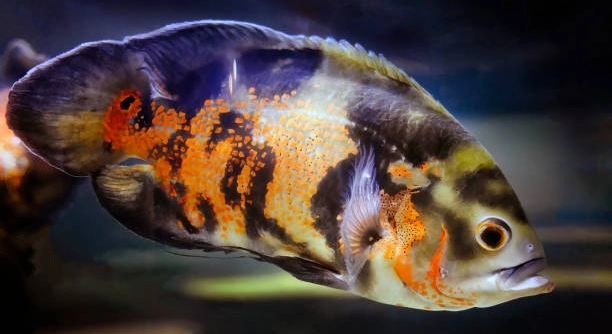
Do you ever wonder how convict cichlids adjust when moved to a new tank? These fish form strong habits around their space and can be sensitive to changes in their environment and companions.
Convict cichlids do not experience memory or attachment in the same way humans do, but they can recognize familiar environments. Changes in tank setup or social groups may cause temporary stress, though most adapt over time without lasting impact.
Learning how these fish react can improve your care routine and help create a more stable, comfortable environment for them.
How Convict Cichlids React to a New Tank
When convict cichlids are moved to a new tank, they often show noticeable changes in behavior. They may hide more than usual, become territorial, or act restless while exploring their new environment. These fish rely heavily on familiar landmarks and consistent surroundings. Even small changes in decoration, substrate, or water flow can make them hesitant. While some cichlids adapt quickly, others may take several days to settle. Feeding patterns might also shift, as stress can reduce their appetite temporarily. Observing their behavior closely can help you identify signs of stress early. Providing hiding spots and maintaining water quality are crucial for easing the transition. Gradually introducing changes rather than rearranging everything at once allows them to adjust comfortably. Over time, most convict cichlids regain normal behavior, actively exploring and interacting within the tank, showing that their adaptation skills are stronger than their initial stress responses. Patience is key to supporting them.
Stress responses in a new tank are usually temporary and resolve as the fish adjusts to its surroundings.
Maintaining stability in water temperature, pH, and hiding places can significantly reduce stress. Convict cichlids benefit from familiar shapes and areas within their tank, so gradually introducing new decorations is better than sudden changes. Social interactions also play a role, as adding or removing tank mates can increase tension. Keeping a regular feeding schedule and monitoring water parameters helps ensure their well-being. Regular observation allows you to notice subtle signs of discomfort or aggression. Providing gentle lighting and minimal disturbances during the adjustment period can encourage confidence. Over time, the fish will start exploring open areas, defending territories normally, and eating consistently. By combining a stable environment with patience, most convict cichlids can thrive after relocation, showing resilience and the ability to adapt without long-term stress. These strategies help ensure their health, growth, and peaceful behavior in a new setting.
Signs That a Convict Cichlid is Settling
A convict cichlid that is adjusting well will explore its tank more actively and return to feeding normally.
They begin interacting with tank mates without excessive aggression, using hiding spots less frequently. Coloration returns to normal, and their swimming becomes fluid. Monitoring for these signs ensures that your fish is comfortable. Gradual adjustment, combined with consistent care, fosters a healthy and calm environment. Observing these behaviors can also help you plan future tank changes with minimal stress.
When a convict cichlid settles in, several clear behaviors emerge. They begin defending territories in a more balanced way rather than constantly chasing other fish. Their appetite returns, and they respond to feeding times predictably. Swimming patterns stabilize, showing confidence in navigating the tank. Stress-related behaviors, like hiding excessively or rapid darting, decrease significantly. These fish also start using open spaces without fear, indicating growing familiarity. Social dynamics become calmer, and the fish begins interacting normally with companions. Subtle changes in coloration and body posture signal comfort. By observing these signs, you can assess the success of tank adjustments and support ongoing care. Ensuring consistent water quality, proper diet, and minimal disturbances solidifies this stability. Settling behavior demonstrates resilience and highlights the importance of patience and thoughtful tank management.
Helping Convict Cichlids Adjust
Providing hiding spots immediately after moving a convict cichlid can reduce stress and make them feel safer. Simple decorations like rocks, caves, or plants help the fish explore gradually while feeling protected.
Gradual introduction to a new environment is key. Changing water conditions suddenly can shock them, so matching temperature, pH, and hardness to their previous tank helps them adjust faster. Observing their behavior during the first few days allows you to spot stress signs like excessive hiding or aggression. Keeping disturbances minimal, feeding at consistent times, and limiting handling helps them settle. Over time, they start exploring more confidently and interacting naturally with tank mates.
Social dynamics influence adaptation. If they were used to certain companions, sudden changes can increase tension. Introducing new fish slowly or keeping familiar pairs together supports smoother transitions. Providing enough territory reduces fighting and helps them regain normal behavior quickly. Monitoring interactions ensures the tank remains calm and stress-free.
Observing Long-Term Behavior
Settled convict cichlids show predictable routines, normal feeding habits, and calmer interactions with other fish. Watching these behaviors confirms their adaptation and comfort.
Long-term observation reveals subtle changes in personality. Fish may become more confident, exploring open areas and defending territories appropriately. They show less stress-related hiding and swim fluidly throughout the tank. Changes in coloration often indicate improved health and comfort. Feeding responses become consistent, and social hierarchies stabilize. Maintaining stable water conditions and minimizing sudden environmental shifts prevents setbacks and supports ongoing well-being. By keeping track of these patterns, you can ensure your convict cichlids remain healthy and comfortable for months.
Stress can reappear if conditions change abruptly. Adjusting tank mates, decorations, or water parameters too quickly may trigger hiding, aggression, or reduced appetite. Gradual changes, careful observation, and maintaining a familiar environment help prevent recurring stress. Consistent care reinforces confidence and allows them to thrive, even after minor disruptions. Monitoring these behaviors over time ensures they stay comfortable and continue developing natural, healthy routines within the tank.
Creating a Comfortable Tank Environment
Providing plenty of hiding spots, rocks, and plants helps convict cichlids feel secure. Familiar structures reduce stress and encourage natural exploration.
Consistent water conditions, like temperature and pH, are essential. Sudden changes can make them anxious and affect their appetite or behavior.
Feeding and Routine
Maintaining a regular feeding schedule supports both health and comfort. Predictable routines help them feel more secure in their environment, reducing stress and promoting normal behavior.
Handling Changes
When introducing new decorations or tank mates, do it gradually. Sudden alterations can trigger stress or aggression, so small steps help them adapt without problems.
Monitoring Behavior
Watch for changes in swimming patterns, appetite, or social interactions. These signs indicate how well your convict cichlids are adjusting to their tank.
FAQ
Do convict cichlids remember their old tank?
Convict cichlids do not remember their old tank the way humans remember places. They respond mostly to familiar cues like hiding spots, water conditions, and tank mates. If a tank is similar to their previous one, they may adjust more quickly and show less stress.
How long does it take for them to settle in a new tank?
The adjustment period varies. Some cichlids explore and feed normally within a few days, while others may take one to two weeks. Providing consistent conditions, hiding spots, and minimal disturbances helps shorten this period and encourages natural behavior to return.
Do they get stressed when moved?
Yes, moving can be stressful for convict cichlids. Signs include hiding excessively, aggressive chasing, loss of appetite, or erratic swimming. Stress is usually temporary and diminishes once they become familiar with the new environment and routines.
Can they miss their old tank?
They do not experience longing in the human sense, but they may react to changes in their environment. Unfamiliar surroundings can trigger caution or stress, which can resemble “missing” their old setup. Over time, they adapt and feel comfortable in their new home.
How can I make the transition easier?
Gradual introduction helps. Match water temperature, pH, and hardness to their previous tank. Add familiar decorations, rocks, or plants. Minimize handling and keep feeding times consistent. Watching their behavior daily allows adjustments to reduce stress and encourage normal activity.
Will they behave differently in a new tank?
Yes, behaviors can change temporarily. They may hide, swim nervously, or act more territorial. These are normal responses. Providing hiding spots, stable conditions, and predictable routines usually restores typical behavior over several days to weeks.
Do they need the same tank mates as before?
Not necessarily, but sudden changes in companions can increase aggression or stress. Gradually introducing new fish or keeping previous companions together helps maintain calm social dynamics while preventing conflict.
Can they adapt to completely new tanks?
Yes, convict cichlids are resilient. With proper care, they adjust to new tanks, even if the layout is different. Stable water conditions, hiding spots, and gradual changes support confidence and healthy behavior during adaptation.
How do I know if they are fully settled?
Signs of settling include regular feeding, normal swimming patterns, consistent interaction with tank mates, and reduced hiding. Confident exploration of open areas and appropriate territorial behavior indicate comfort and adjustment to their new environment.
Should I change decorations frequently?
Frequent changes can cause unnecessary stress. It is better to keep a stable layout and only make small adjustments gradually. This allows the fish to explore confidently without feeling unsafe or threatened.
Can stress affect their health?
Yes, prolonged stress can weaken their immune system, reduce appetite, and slow growth. Maintaining stable conditions, hiding spots, and calm social environments prevents stress-related health problems.
What if they act aggressive in the new tank?
Aggression often occurs during adjustment or if space is limited. Ensure enough hiding spots and territory for each fish. Monitor interactions, and separate individuals if fighting becomes severe. Aggression usually decreases as they settle and establish boundaries.
Is it normal for them to hide a lot at first?
Yes, hiding is a natural response to new surroundings. Providing caves, rocks, or plants helps them feel secure. Over time, hiding decreases as confidence grows and they explore their environment.
Can they adapt to new water parameters?
Convict cichlids can adapt if changes are gradual. Sudden shifts in temperature, pH, or hardness can cause stress or illness. Introducing changes slowly allows their bodies to adjust without affecting health.
How can I encourage exploration?
Adding multiple hiding spots and open swimming areas encourages movement. Gradually introducing changes and maintaining predictable routines helps them feel safe enough to explore without stress. Observation ensures they remain confident.
Do they show personality differences after moving?
Yes, individual behavior may change slightly. Some become bolder or more cautious, depending on the new environment and social dynamics. These adjustments usually stabilize over time with consistent care.
Should I worry if they refuse food initially?
Temporary appetite loss is normal. Keep water conditions stable and try familiar foods. Appetite usually returns once they become comfortable and less stressed in the new tank.
Can they bond with new tank mates?
Convict cichlids establish social hierarchies rather than emotional bonds. They can adapt to new companions over time if introductions are gradual and territories are well-defined. Proper spacing and hiding spots prevent prolonged conflict.
Do they react differently in larger or smaller tanks?
Yes, space affects behavior. Smaller tanks can increase aggression due to limited territory, while larger tanks encourage exploration and reduce conflict. Proper layout and hiding spots are essential regardless of size.
Is it normal for color to change after moving?
Temporary color changes can occur due to stress. Bright colors usually return as the fish adapts, indicating reduced stress and improved comfort. Monitoring behavior alongside coloration helps track adjustment.
How often should I check on them during adjustment?
Daily observation is sufficient. Watch for stress signs like hiding, aggression, or reduced appetite. Frequent but calm checks ensure they are adapting well without causing additional stress.
Can they adapt if I move them again soon after?
Multiple moves in a short time can increase stress. Allow at least a few weeks for full adjustment before moving again. Gradual transitions minimize negative effects on health and behavior.
Do decorations from the old tank help?
Yes, familiar decorations provide comfort and reduce stress. Rocks, caves, and plants that were part of their previous home create familiar landmarks that support exploration and confidence in the new environment.
Can they miss old companions?
They do not miss companions emotionally, but sudden removal of tank mates can increase aggression or hiding. Gradual introductions and maintaining familiar social structures help reduce tension.
Is patience the key to adaptation?
Yes, consistent care, gradual changes, and observation allow convict cichlids to adjust naturally. Rushing adjustments or frequent disturbances prolong stress and can affect health.
What signs indicate a healthy adjustment?
Regular feeding, fluid swimming, normal coloration, reduced hiding, and balanced interactions with tank mates all indicate the fish has adapted successfully and is comfortable in its new tank.
How long do these behaviors usually last?
Adjustment behaviors usually last days to weeks, depending on the individual fish and environmental consistency. Proper care and patience accelerate normal behavior, allowing them to thrive in their new home.
Can stress affect breeding behavior?
Yes, stressed convict cichlids may delay spawning or ignore eggs. Stable conditions, hiding spots, and calm social dynamics encourage normal reproductive behavior once adaptation occurs.
Do some fish adapt faster than others?
Individual personality and prior experiences influence adaptation. Some cichlids explore and eat immediately, while others take longer. Consistent care ensures all fish eventually adjust without lasting stress.
Is monitoring necessary even after they settle?
Yes, continued observation ensures any changes in health, behavior, or social dynamics are noticed early. It also helps maintain a stable environment and prevent setbacks in adaptation or well-being.
How can I reduce stress permanently?
Maintain consistent water quality, stable social groups, adequate hiding spots, and predictable feeding schedules. Gradual adjustments for any changes support long-term comfort and minimize recurring stress.
Do they form preferences for certain tank areas?
Yes, convict cichlids often choose specific territories or hiding spots. Respecting these preferences helps reduce conflict and stress, supporting natural behavior and overall comfort in the tank.
Is it normal for them to explore slowly at first?
Yes, cautious exploration is typical after a move. Providing secure areas and consistent routines encourages confidence. Over time, exploration becomes more active as comfort increases.
Can they get used to multiple tank changes?
They can adapt, but frequent moves increase stress. Allow sufficient recovery between moves, maintain familiar cues, and gradually introduce changes to prevent long-term negative effects.
Do environmental cues matter more than companions?
Yes, stable decorations, water conditions, and hiding spots are often more important than specific tank mates for adaptation and stress reduction. Proper environment encourages natural behavior and confidence.
Will they ever ignore new tank mates?
Some cichlids may maintain distance initially, but most gradually interact as territories are established. Providing enough space and hiding spots ensures peaceful coexistence and reduces conflict.
Is lighting important for adaptation?
Yes, gentle lighting helps them feel secure. Sudden bright lights can trigger hiding or stress. Gradually increasing light intensity supports exploration and normal activity.
How can I tell if adaptation is complete?
Normal swimming, feeding, social interactions, stable coloration, and reduced hiding indicate the fish has fully adapted to its new environment and is comfortable.
Can they form routines in a new tank?
Yes, convict cichlids thrive with predictable feeding, light, and activity schedules. Routine provides security and reduces stress during and after the adjustment period.
Do water changes affect their adaptation?
Regular but gradual water changes support health without causing stress. Sudden large changes can disrupt adaptation, so consistency is key.
Is it better to move them alone or with companions?
Moving them with familiar companions can reduce stress, but if companions are aggressive, separation may be necessary. Gradual reintroduction ensures smoother social dynamics and less tension.
How do I know if stress is too high?
Excessive hiding, rapid breathing, loss of appetite, or constant aggression signal high stress. Immediate attention to water conditions, hiding spots, and social arrangements is needed to restore comfort.
Can adding plants help?
Yes, plants create hiding spots, reduce aggression, and encourage exploration. They also help mimic natural environments, providing comfort and security during adjustment.
Does tank size influence adaptation speed?
Larger tanks allow more space for territories and exploration, reducing stress and aggression. Smaller tanks may require careful arrangement of hiding spots and territories to support adaptation.
Will they eventually ignore old tank memories?
Yes, they respond mainly to the current environment. Familiar cues can help early adaptation, but they eventually focus on the new tank and its conditions rather than the previous setup.
Can adaptation affect lifespan?
Short-term stress usually does not affect lifespan if managed properly. Prolonged stress, poor water quality, or aggression can negatively impact health, so careful care is essential for long-term well-being.
How do I handle multiple cichlids moving together?
Provide enough space, hiding spots, and territories to prevent aggression. Monitor interactions and separate only if necessary. Gradual introductions and consistent care help the group adapt smoothly.
Are hiding spots more important than open space?
Both are important. Hiding spots provide security, while open areas allow natural exploration. Balanced tank design supports confidence, reduces stress, and encourages normal behavior.
Does diet influence adjustment?
Yes, feeding familiar foods at consistent times reduces stress. Gradually introducing new foods supports health and encourages normal appetite during adaptation.
Can environmental enrichment speed up adaptation?
Yes, objects like rocks, plants, or tunnels encourage exploration and reduce boredom, helping fish adjust more confidently and regain natural behaviors sooner.
Is it normal for them to act shy after moving?
Yes, initial shyness is common. It decreases as they become familiar with hiding spots, territories, and routines in the new tank.
How do I prevent recurring stress?
Maintain consistent water parameters, stable social groups, sufficient hiding spots, and gradual changes. Predictable routines ensure long-term comfort and prevent repeated stress episodes.
Do they react differently to males and females when moved?
Yes, males may establish territories more aggressively, while females focus on hiding or defending nests. Providing sufficient space and hiding spots helps balance interactions and reduces conflict.
Can acclimation techniques help?
Yes, slow acclimation to water conditions and gradual introduction to new tanks minimize stress, encourage exploration, and support quicker adaptation to new environments.
Is observation the best tool for adjustment?
Yes, watching behavior, feeding, and social interactions allows early detection of stress or aggression. Adjustments can then be made to support health and comfort.
Do they adapt differently in planted tanks versus bare tanks?
Planted tanks provide hiding spots and comfort, reducing stress and aggression. Bare tanks may require extra decorations to offer security, ensuring successful adaptation.
Can they develop preferences for certain tank mates?
They may tolerate some fish better than others. Preferences are based on territory, size, and temperament rather than emotional attachment. Monitoring interactions ensures peaceful coexistence.
Will they explore more as they settle?
Yes, cautious initial exploration becomes confident over time. Providing hiding spots and a safe environment encourages natural behavior and active swimming once comfort is established.
How important is water quality for adaptation?
Critical. Poor water quality increases stress and health risks. Maintaining stable parameters supports normal behavior, feeding, and long-term well-being during and after adjustment.
Do all cichlids react the same way to a new tank?
No, individual personalities, prior experiences, and social dynamics influence reactions. Some adapt quickly, while others take longer, requiring patience and observation.
Can stress lead to illness?
Yes, prolonged stress weakens the immune system and increases vulnerability to disease. Proper care, hiding spots, and stable conditions prevent stress-related health problems.
How can I track their progress?
Monitor feeding, swimming patterns, hiding frequency, and interactions daily. Noting gradual improvements indicates successful adaptation and identifies areas needing attention.
Are there signs of permanent stress?
Persistent hiding, constant aggression, color loss, or refusal to eat over weeks may indicate ongoing stress. Immediate intervention with environmental adjustments is necessary to prevent long-term harm.
Does tank location matter?
Yes, quiet areas with minimal traffic reduce stress. Avoid placing the tank near loud noises, vibrations, or frequent disturbances to support comfort and confidence.
Can they adapt if water chemistry is slightly different?
Yes, if changes are gradual. Sudden shifts can stress them, so slow acclimation is necessary for safe adaptation to new water parameters.
Is temperature the most important factor?
Temperature is critical for comfort, appetite, and health. Keeping it stable and within species-appropriate ranges supports faster adaptation and reduces stress.
How do I prevent aggression during adaptation?
Provide territories, hiding spots, and gradual introductions of new fish. Monitor interactions and separate only if necessary. Balanced conditions reduce fighting and promote calm behavior.
Do they interact with humans differently in a new tank?
They may be more cautious initially. Over time, feeding routines and regular observation encourage familiarity and reduce shyness around human presence.
How much space do they need to adapt?
Sufficient space for territories, swimming, and hiding is essential. Overcrowded tanks increase stress and aggression, slowing adaptation. Proper layout supports comfort and normal behavior.
Can plants reduce aggression?
Yes, plants provide visual barriers and hiding spots, reducing conflicts and helping fish feel secure during adaptation.
Do they respond to consistent light cycles?
Yes, predictable light schedules support natural routines, reduce stress, and encourage normal feeding and activity patterns.
Are some breeds more adaptable than others?
Yes, individual genetics, temperament, and prior experience influence adaptability. Some adjust faster to new environments, while others need more time and careful care.
Can changing tank decorations slowly improve adaptation?
Yes, gradual changes reduce stress and encourage exploration without overwhelming the fish. Abrupt rearrangements can trigger hiding or aggression.
Does diet variety help?
Yes, providing familiar foods alongside new items supports appetite and nutrition, reducing stress during adaptation.
How do I maintain their comfort long-term?
Stable water parameters, hiding spots, predictable routines, gradual changes, and careful monitoring prevent stress, ensuring convict cichlids remain healthy, confident, and active in their tank.
Do they adapt differently if alone versus in a group?
Yes, social interactions affect behavior. Alone, they may explore more cautiously. In groups, territory and hierarchy influence stress, requiring adequate space and hiding spots.
Is gradual acclimation better than sudden moves?
Absolutely. Slow adjustments to water and environment reduce stress, encourage normal behavior, and improve health during transitions.
Can temperature fluctuations affect adaptation speed?
Yes, sudden temperature changes increase stress, reduce appetite, and slow adjustment. Stable temperature supports normal behavior and comfort.
Do they react to water flow changes?
Yes, sudden strong currents may stress them. Gradual adjustments or gentle flow patterns help maintain comfort and encourage exploration.
Is hiding spot placement important?
Yes, accessible and safe hiding spots reduce stress, support natural behavior, and allow confident exploration throughout the tank.
Do they prefer familiar plants or decorations?
Yes, familiar landmarks reduce stress and help them navigate the tank. Gradually introducing new elements encourages exploration while maintaining comfort.
Can stress affect breeding success?
Yes, stressed convict cichlids may delay spawning or abandon eggs. Stable conditions, hiding spots, and calm social dynamics encourage normal reproductive behavior.
How do I know when to intervene?
Persistent hiding, aggression, refusal to eat, or rapid breathing signal the need for adjustments in water, layout, or social arrangements. Timely intervention ensures health and comfort.
Do they recognize their human caretaker?
Recognition is based on routine feeding and presence rather than emotional attachment. Consistent interaction encourages familiarity and reduces shyness.
Can sudden noise or vibrations affect adaptation?
Yes, loud or unexpected disturbances can trigger hiding or stress. Quiet, stable environments help them explore confidently and adapt more smoothly.
Does tank size impact stress levels?
Yes, larger tanks allow more space for territories and exploration, reducing aggression and promoting confident behavior. Smaller tanks require careful layout and hiding spots to prevent stress.
Are consistent feeding times important?
Yes, predictable feeding reduces stress, supports appetite, and encourages normal routines during adaptation.
How do I track progress over time?
Daily observation of swimming, feeding, coloration, and social behavior helps track adaptation and identify areas needing adjustments.
Can adaptation affect growth?
Short-term stress may slow growth slightly, but consistent care, proper nutrition, and stable conditions restore normal development.
Is it normal for them to test new areas cautiously?
Yes, initial cautious exploration is typical. Confidence grows as they become familiar with hiding spots, territories, and routines in the new tank.
Can multiple moves affect long-term behavior?
Yes, frequent relocation can increase stress, reduce appetite, and affect interactions. Gradual transitions minimize negative effects and support healthy adjustment.
Do they respond better to gradual social introductions?
Yes, slowly introducing new companions reduces aggression and stress, allowing natural social hierarchies to form comfortably.
Can lighting changes affect behavior?
Yes, sudden bright lights can trigger hiding. Gradually adjusting lighting encourages confident exploration and reduces stress.
Are some fish naturally more cautious?
Yes, individual personality affects adjustment speed. Shy fish take longer to explore, while bolder fish
Convict cichlids are resilient fish that can adapt to new tanks, even if the environment changes significantly. They do not “miss” their old tank in the human sense, but they do rely on familiar structures, water conditions, and companions to feel safe. When these elements are altered, the fish may show signs of stress, such as hiding, aggression, or reduced appetite. These behaviors are natural and usually temporary. By providing a stable environment and observing their reactions, owners can help their fish regain comfort and confidence. Gradual adjustments, such as slowly introducing new decorations or tank mates, allow the cichlids to explore their surroundings without feeling threatened. Over time, they will begin to swim more freely, feed regularly, and interact normally with other fish. Patience and careful monitoring are essential during this period to ensure their health and well-being.
Creating a comfortable environment is one of the most effective ways to support convict cichlids in a new tank. Hiding spots like caves, rocks, and plants give them a sense of security while they explore. Open areas for swimming allow them to practice natural behaviors without feeling trapped. Consistent water parameters, including temperature, pH, and hardness, are equally important. Sudden changes can cause stress, even if the tank looks appealing. Feeding routines should also remain predictable to reinforce a sense of normalcy. Observing behavior closely during the first days or weeks helps detect any signs of discomfort early. Small adjustments, such as rearranging a hiding spot or separating overly aggressive tank mates, can make a significant difference. Once the cichlids settle, their behavior becomes more stable, their color returns to normal, and they begin interacting naturally with their environment. This process shows that even when changes occur, proper care can guide them to adapt successfully.
Long-term care plays a key role in keeping convict cichlids healthy and stress-free. Even after they have adjusted, monitoring water quality, social interactions, and overall behavior is essential. Sudden changes in tank setup, water parameters, or companions should be introduced gradually to avoid unnecessary stress. Providing a balanced diet, enough space, and secure hiding spots ensures that they remain comfortable and confident. Individual fish may adapt at different rates, so it is important to respect each cichlid’s personality and tendencies. By maintaining consistent conditions and observing subtle cues, owners can foster a stable and thriving environment. Over time, the fish develop predictable routines and show natural behaviors, demonstrating that careful attention and patience allow convict cichlids to flourish in their new home. Through steady care and understanding of their needs, these fish can live comfortably and display healthy, active, and confident behavior in any well-prepared tank.

Hello,
If you enjoy the content that we create, please consider saying a "Thank You!" by leaving a tip.
Every little bit helps us continue crafting quality advice that supports the health, happiness, and well-being of pets around the world, for pets of all shapes, sizes, and species.
We really appreciate the kindness and support that you show us!