
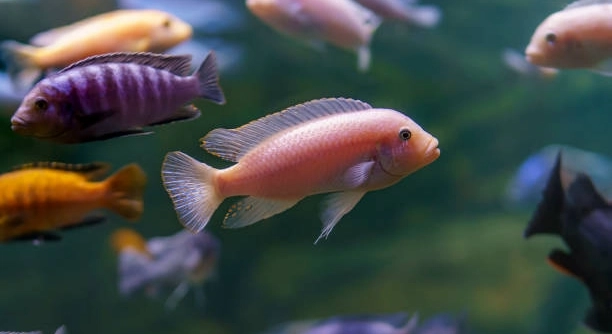
Have you ever noticed your convict cichlid refusing food, even though it usually eats well and acts normal in the tank, causing concern and confusion for caring aquarium keepers everywhere during daily feeding routines today.
Sudden appetite loss in convict cichlids is most commonly linked to environmental stress, including water quality changes, temperature fluctuations, and social aggression. These factors disrupt metabolic balance, suppress feeding behavior, and signal underlying physiological strain requiring timely observation and correction.
Exploring these reasons can help restore healthy feeding habits and support long-term stability within your aquarium environment with practical guidance.
Poor Water Conditions
I have learned that poor water conditions often affect convict cichlids more quickly than expected. Ammonia, nitrite, and nitrate buildup can irritate gills, slow digestion, and reduce appetite. Even small changes after missed maintenance may cause discomfort. Cloudy water, strong odors, or visible waste are common signs. Temperature shifts also play a role, since convict cichlids rely on stable warmth to regulate metabolism. When water feels unsafe, eating becomes a low priority. Regular testing helps reveal hidden imbalances before behavior changes appear. Clean filtration, gentle water changes, and consistent routines support normal feeding patterns. Stable water allows their bodies to focus on growth, energy use, and daily activity instead of constant stress responses. This approach reduces long term harm and keeps fish calmer during feeding times, which I have seen make a clear difference in my own aquariums over time with consistent care habits daily that truly support health overall.
I check water parameters weekly because feeding issues often appear before visible illness. Clean water gives convict cichlids the comfort needed to resume normal eating without added pressure from their surroundings. This routine has prevented prolonged fasting and reduced stress in my tanks over many years now of steady care.
Poor water quality can develop quietly, making appetite loss easy to overlook at first. Convict cichlids may hover near the bottom, spit out food, or ignore pellets completely. These behaviors often reflect physical irritation rather than preference changes. Addressing water conditions early supports digestion and immune strength. I find that once water stability returns, feeding usually improves within days. Consistency matters more than large corrections. Small, frequent adjustments help maintain balance while keeping fish comfortable and responsive during regular feeding schedules. This steady approach reduces risk and supports long-term health in captive environments that require close attention from dedicated keepers.
Stress From Tank Mates
Stress from tank mates often leads convict cichlids to stop eating without warning. Aggression, overcrowding, and constant chasing create tension that suppresses appetite and increases energy loss. This behavior is common in shared tanks with limited space and hiding areas that fail to provide security during daily activity periods inside.
Convict cichlids are naturally territorial, especially during breeding periods. When housed with aggressive or incompatible species, they may feel constantly threatened. This stress shifts energy away from feeding and digestion. I have noticed that bullied fish often hide, eat less, and lose interest in routine meals. Even subtle dominance displays can affect sensitive individuals. Providing adequate space helps reduce conflict. Visual barriers, caves, and defined territories allow fish to feel secure. Stocking choices also matter. Pairing convict cichlids with calmer species or keeping them in species-only tanks often improves feeding behavior. Monitoring interactions daily is important. Removing overly aggressive fish may be necessary to restore balance. Once social pressure decreases, appetite usually returns steadily. A calmer environment supports predictable feeding responses and healthier long-term behavior. Creating stability within the tank has consistently led to better outcomes in my experience. This includes planning tank layout carefully, adjusting stocking levels, and observing behavior after changes. These steps reduce stress signals and support regular feeding patterns over time. I find patience essential, since social balance may take days or weeks to stabilize fully. Allowing this process prevents repeated appetite disruption and supports consistent care routines that benefit both fish and keeper alike daily.
Sudden Temperature Changes
Sudden temperature changes often cause convict cichlids to stop eating without other clear signs. Their metabolism slows or becomes unstable, making food less appealing. Even minor heater issues or rapid water changes can trigger discomfort and appetite suppression over short periods in closed aquarium systems that lack stability for fish.
I pay close attention to heater performance because convict cichlids rely on stable warmth for digestion and energy use. When water cools suddenly, their bodies conserve energy instead of processing food. Overheating causes similar stress by increasing oxygen demand. Inconsistent temperatures may also weaken immune response, making fish feel unwell. Checking thermometers daily helps catch problems early. Gradual adjustments are safer than sudden corrections. Stable temperature ranges support normal feeding rhythms and reduce unnecessary strain. This consistency has helped my fish resume eating more reliably after brief disruptions within home aquariums over time with careful monitoring and patience during adjustments.
Temperature stress is often overlooked because changes are not always visible. Convict cichlids may appear calm while internal functions struggle to balance. Appetite loss becomes an early signal of imbalance. I have found that keeping heaters clean and using backup thermometers prevents sudden shifts. Positioning equipment correctly also matters. Avoid placing tanks near windows or vents. These small details protect feeding behavior. When temperature stability improves, interest in food usually returns steadily. Maintaining this balance supports long-term health and predictable daily care routines which reduces feeding setbacks and stress over extended periods in captive environments with consistent attention from keepers.
Illness or Internal Issues
Illness can cause convict cichlids to stop eating before other symptoms appear. Internal infections, parasites, or digestive issues reduce comfort and energy. Fish may isolate themselves or reject familiar foods. I watch for weight loss, abnormal waste, and lethargy. Appetite changes often signal that something deeper needs attention and timely intervention. Ignoring these signs may allow conditions to worsen quickly in confined tanks where pathogens spread easily without early treatment and observation by the keeper.
Loss of appetite linked to illness often requires closer observation rather than immediate feeding changes. Convict cichlids may refuse food because digestion becomes painful or inefficient. Forcing new foods rarely solves the issue. I focus on water quality, isolation if needed, and clear diagnosis. Quarantine tanks help prevent spread and reduce stress. Treatment depends on symptoms, so accurate identification matters. Medication should be used carefully and only when necessary. During recovery, appetite usually returns slowly. Small portions and familiar foods support healing. Addressing illness early improves outcomes and protects overall tank stability. I have seen healthier results when patience guides care decisions during this period. Rushing treatment can add stress and delay feeding recovery in sensitive aquarium fish under close supervision by experienced keepers only.
Sudden Diet Changes
Sudden diet changes can cause convict cichlids to stop eating without warning. New pellets, flakes, or frozen foods may smell unfamiliar and trigger rejection. Even quality foods can cause hesitation when introduced too quickly in established feeding routines within home aquariums that many owners rely on daily for consistent results.
I have noticed gradual transitions help maintain appetite and reduce stress. Mixing old and new foods allows adjustment without disruption. Feeding smaller portions also prevents waste buildup. Consistency in timing and type encourages trust, making convict cichlids more willing to eat regularly during calm daily care routines at home tanks.
Overfeeding Issues
Overfeeding can lead convict cichlids to lose interest in food over time. Excess food slows digestion and lowers motivation to eat. Uneaten particles also affect water quality, increasing discomfort. I stick to measured portions once or twice daily. Allowing brief fasting periods helps reset appetite. Observing feeding response matters more than following fixed amounts. When fish finish meals quickly and remain active, portions are correct. Reducing excess feeding improves digestion, keeps water clean, and supports steady eating habits without forcing consumption or creating unnecessary stress during long term aquarium care routines that prioritize health and stability for captive fish systems.
Breeding Behavior
Breeding behavior often causes convict cichlids to stop eating temporarily. Energy shifts toward territory defense and spawning duties. During this time, reduced appetite is normal. I focus on water stability and observation, allowing fish to resume feeding naturally once conditions settle again without pressure or unnecessary interference from the keeper.
FAQ
Why has my convict cichlid stopped eating suddenly?
Sudden loss of appetite is often caused by stress, poor water conditions, temperature fluctuations, illness, or social conflict. I have noticed that even small changes in their environment can affect feeding. Observing behavior, water parameters, and tank dynamics usually reveals the reason behind skipped meals.
How long can convict cichlids go without eating?
Healthy adult convict cichlids can survive several days without food, sometimes up to a week. However, prolonged fasting weakens their immune system and increases susceptibility to disease. In my experience, three days is often the threshold where action should be taken to prevent health decline.
Could my water quality be the reason?
Yes, poor water quality is one of the most common reasons. High ammonia, nitrite, or nitrate levels irritate gills and stress fish, making them stop eating. I test water weekly and perform small, consistent water changes. Maintaining clean, stable water usually restores appetite quickly.
Can tank mates cause appetite loss?
Absolutely. Aggressive or overly dominant tank mates create stress that can suppress feeding. I have seen timid cichlids hide and refuse food when constantly chased. Adding caves or separating aggressive fish often helps the less dominant individuals regain confidence and resume eating.
Does temperature affect feeding?
Yes, temperature plays a critical role in metabolism. Sudden drops or spikes can slow digestion and reduce appetite. I make sure heaters are stable, and tanks are placed away from vents or sunlight. Gradual adjustments are far better than sudden changes to maintain normal feeding behavior.
Could my fish be sick?
Illness is a frequent cause of appetite loss. Internal infections, parasites, and digestive problems make food unappealing. I watch for lethargy, abnormal waste, or weight loss. Prompt diagnosis and treatment, sometimes in quarantine, often restore feeding within a few days.
How can I safely change their diet?
Gradual introduction is key. Mixing new food with their current diet over a week prevents rejection. Small portions and familiar textures help them adjust. I have found that a slow transition reduces stress and keeps convict cichlids eating consistently.
Is overfeeding a problem?
Yes, overfeeding can make fish ignore meals because digestion slows and leftover food contaminates water. I stick to measured portions once or twice daily. Brief fasting periods sometimes help reset their appetite. Observing how quickly food disappears is my guide for portion sizes.
Do breeding periods affect feeding?
Breeding behavior can temporarily reduce appetite. Energy shifts toward defending territory, caring for eggs, or guarding fry. I make sure the environment is calm and stable, and I avoid forcing food. Feeding usually resumes once the breeding cycle ends.
What steps should I take first if my cichlid stops eating?
Check water quality, observe tank interactions, and monitor temperature first. If all appear normal, consider diet, stress factors, or possible illness. In my experience, addressing environmental issues first often restores appetite without medication or drastic changes.
Can hiding spots affect feeding habits?
Yes. Lack of hiding spaces can make cichlids feel insecure and less likely to eat. I provide caves, plants, and visual barriers. Feeling safe encourages feeding and reduces stress in community or crowded tanks.
How can I encourage a picky eater to eat again?
I offer small, familiar foods and remove uneaten portions quickly. Reducing stress, stabilizing water conditions, and giving them space usually helps. I have found that patience and observation work better than forcing food, which can worsen refusal or stress.
Should I fast my fish if it refuses food?
Short fasting periods are natural and sometimes helpful. I allow up to a day without feeding if the fish seems healthy. Longer fasting requires attention to water quality and health. This pause often resets appetite without causing harm.
What foods are best for restoring appetite?
High-protein foods like frozen bloodworms, brine shrimp, or high-quality pellets work well. I start with small amounts and increase gradually. Offering preferred foods in a calm environment helps convince reluctant convict cichlids to eat again.
When should I seek professional advice?
If appetite loss persists more than a few days despite stable water, proper temperature, and minimal stress, professional advice or veterinary guidance is recommended. Persistent refusal can indicate illness requiring specific treatment beyond general care steps I use in home tanks.
This FAQ covers the most common reasons convict cichlids stop eating and practical ways to address them. Paying attention to water, tank dynamics, temperature, diet, and health usually resolves appetite issues without prolonged stress or complications. Observing small behavioral changes daily is key.
Convict cichlids are generally hardy fish, but sudden changes in behavior, especially loss of appetite, can be worrying. I have learned over time that paying attention to their environment, diet, and social interactions is the most effective way to prevent feeding issues. Small changes in water quality, temperature, or tank mates can quickly affect their comfort and willingness to eat. Watching daily routines and noticing early signs, like hesitation at food or unusual hiding, helps catch problems before they become serious. Consistency matters a lot. Feeding at the same times, maintaining stable water, and keeping the tank layout familiar provides a sense of security that encourages normal eating patterns.
Stress is one of the biggest reasons convict cichlids stop eating, whether from aggressive tank mates, overcrowding, or breeding behavior. I have seen that even confident fish can temporarily refuse food if they feel threatened or distracted by other fish. Providing hiding spots, visual barriers, and enough space can reduce tension and help them feel safer. Gradually introducing new foods or making changes in the tank environment also reduces stress. Overfeeding and sudden diet changes can also upset digestion and appetite. I have found that measured portions, mixed feeding, and avoiding frequent disruptions help fish maintain consistent eating habits. Keeping a calm and stable environment makes a noticeable difference in both short-term feeding and long-term health.
Finally, illness and internal issues are sometimes the reason behind sudden appetite loss. Observing for other signs, like lethargy, abnormal waste, or weight loss, can help identify when a fish needs closer attention. I often start with simple checks like water parameters and tank interactions, but persistent refusal to eat may require quarantine or professional advice. Short fasting periods can help reset appetite, but long-term neglect can worsen health. Using patience, careful observation, and incremental adjustments has worked well in my experience. Ensuring stable water conditions, reducing stress, monitoring temperature, and maintaining a regular feeding schedule usually restores appetite and supports overall well-being. By paying attention to these factors, convict cichlids are more likely to eat consistently, stay healthy, and thrive in their environment over time.

Hello,
If you enjoy the content that we create, please consider saying a "Thank You!" by leaving a tip.
Every little bit helps us continue crafting quality advice that supports the health, happiness, and well-being of pets around the world, for pets of all shapes, sizes, and species.
We really appreciate the kindness and support that you show us!